Buprenorphine Rehabs

Showing 2 of 2 Results (filtered)
Featured Rehab Centers

Addiction Rehab Centers - ARC at Fox Hill | Drug & Alcohol Rehab - Mooresville Indiana
Mooresville, Indiana
12168 N Mann Rd, Mooresville, IN 46158


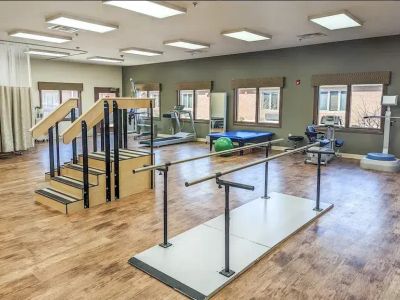
Bethel Pointe Health and Rehabilitation Center
Muncie, Indiana
3400 W Community Dr, Muncie, IN 47304
Why Trust Indiana Rehabs
As Hoosiers helping Hoosiers, we understand the unique challenges our communities face. Our team meticulously verifies every Indiana treatment center, ensuring you find trusted, local care that truly understands your journey.
About our listingsLevels of Care
Explore popular treatment options by levels of care, from flexible treatment in Outpatient centers to intensive care in Residential rehabs.
Free · 24/7 · Confidential
Talk to a Treatment Specialist
Call now to get matched with Indiana facilities that accept your insurance.
(888) 568-9930
Free
Ins. check
4.9★
Rating
HIPAA
Protected
Can't travel to a facility?
Licensed Indiana therapists via secure video — same-week appointments, evenings & weekends available.
Imagine waking up in Indiana and, instead of searching for relief from cravings or withdrawal, you're wondering what to do with a day that's finally yours. For many Hoosiers dealing with opioid use, that kind of morning might seem far away, like something meant for someone else. But it doesn’t have to stay a dream. With the right support and proven options like buprenorphine, there’s a real, practical path toward feeling steady and hopeful again, with steps you can take right here in your own community.

An explanation of what Buprenorphine is
If you're looking for a way to manage opioid use disorder, you’ve likely heard of buprenorphine. It’s an FDA-approved medication that helps people reduce or quit their use of opioids, like heroin or fentanyl[1]. Think of it as a tool that can give you the stability you need to focus on recovery.
buprenorphine is a "partial opioid agonist." This means it gently activates the same receptors in the brain that other opioids do, but to a much lesser degree. It’s enough to stop the intense cravings and withdrawal symptoms, but it doesn't produce the same powerful high. This effect helps stabilize your brain chemistry, so you can feel more like yourself again.
You might know it by brand names like Suboxone, which combines buprenorphine with another medication called naloxone. The naloxone component is inactive when you take the medication as prescribed, but it's there to discourage misuse. If someone tries to inject it, the naloxone activates and can cause immediate withdrawal symptoms.
It’s important to know that buprenorphine isn't a standalone cure. It’s a key part of a comprehensive approach called Medication-Assisted Treatment (MAT). This type of treatment combines the medication with counseling and behavioral therapies to address the physical, mental, and emotional aspects of addiction[2]. It's a whole-person approach to healing that gives you the best chance at lasting recovery.
Buprenorphine withdrawal
If you've been taking buprenorphine or Suboxone for a while, the thought of stopping can be intimidating. Your body gets used to the medication, and if you stop suddenly, you can experience withdrawal. This isn't a sign of failure; it’s a normal physical response. The symptoms can be both physical and emotional, and they often feel like a bad case of the flu.
Common buprenorphine withdrawal symptoms include:
- Anxiety, agitation, and irritability
- Muscle aches and cramping
- Nausea, vomiting, and diarrhea
- Sweating and chills
- Runny nose and watery eyes
- Difficulty sleeping (insomnia)
- Yawning
So, why is it so hard to stop taking Suboxone? When you take it regularly, your body adapts and comes to rely on it to feel balanced. This is called physical dependence. Stopping "cold turkey" throws your system into a state of shock, leading to uncomfortable and sometimes severe symptoms. This is why a medically supervised taper is so important. Working with a professional allows you to gradually reduce your dose, giving your body time to adjust safely and minimizing discomfort. A structured detox program provides the support and medical oversight needed to manage the process, making it much safer and more comfortable than going it alone.
Buprenorphine withdrawal timeline
Everyone's experience with withdrawal is a bit different, but the symptoms generally follow a predictable pattern. The timeline can be influenced by factors like your dosage, how long you've been taking the medication, and your overall health. Here’s a general idea of what to expect:
- Days 1-3: Early symptoms often begin within 24 to 72 hours of your last dose. You might start to feel anxious, achy, and restless. Insomnia, sweating, and a runny nose are also common during these first few days.
- Days 4-7: This is often when symptoms peak. You may experience more intense physical symptoms like nausea, diarrhea, and muscle pain. Emotionally, you might feel irritable or depressed. This is usually the most challenging part of the withdrawal process.
- Week 2 and beyond: After the first week, the most intense physical symptoms typically start to fade. However, some psychological symptoms, like anxiety, depression, and trouble sleeping, can linger for several weeks or even months. This is where ongoing support becomes crucial.
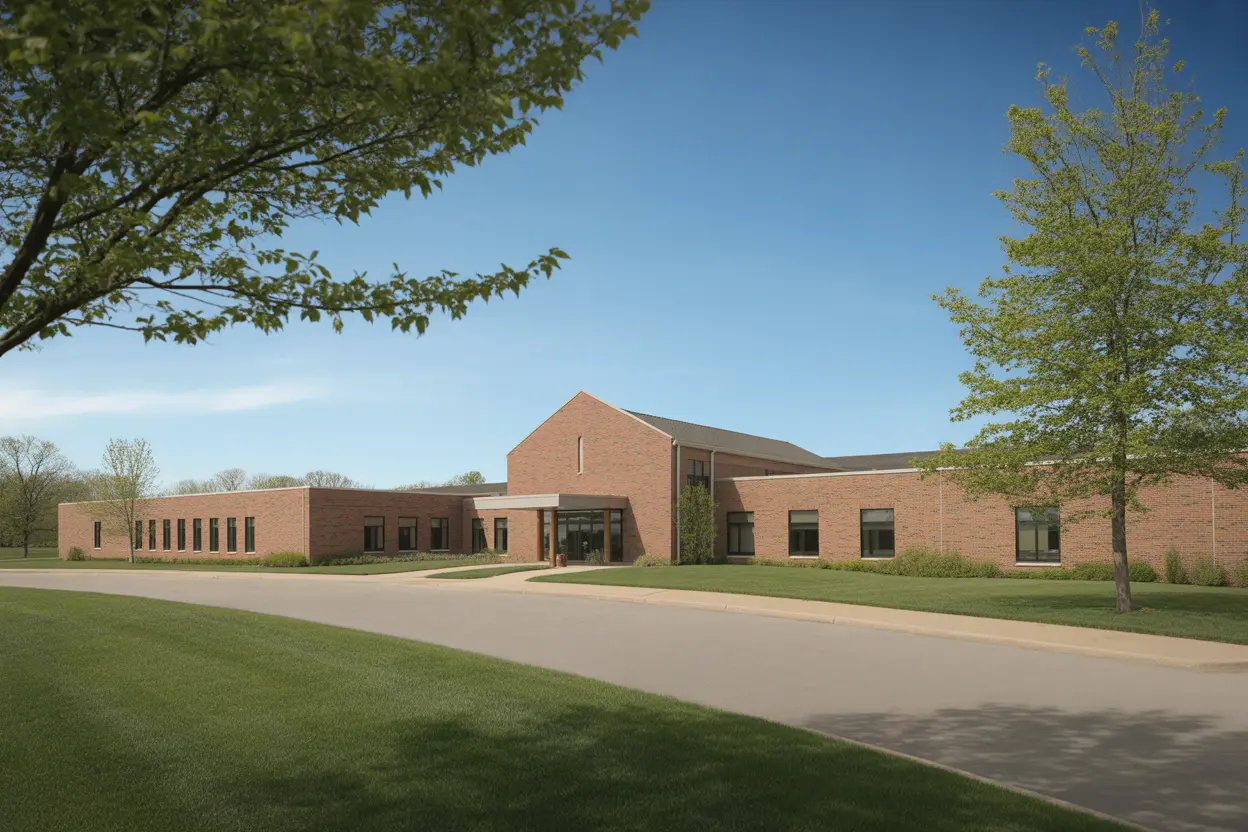
Suboxone Rehab
While buprenorphine is a powerful tool, it works best when it’s part of a structured Suboxone treatment program. A comprehensive buprenorphine rehab gives you the support, skills, and stability needed to build a life free from opioid addiction. So, do you really need treatment? If you're looking for a path to sustainable recovery, the answer is yes. A good program doesn't just manage your symptoms; it helps you heal the underlying reasons for your substance use.
The reality is that while medications are effective, they are underutilized. Less than 20% of people with opioid use disorder receive them, which highlights a significant gap in care[3]. Finding the right rehab in Indiana can close that gap for you.
In Indiana, you have several levels of care to choose from:
- Residential Treatment: This is an intensive, live-in program where you receive 24/7 medical and therapeutic support. It’s a great option if you need a safe, structured environment away from daily triggers.
- Partial Hospitalization Program (PHP): A step down from residential care, PHP offers structured treatment during the day, but you return home or to sober living at night.
- Intensive Outpatient Program (IOP): IOP provides more flexibility, with therapy sessions held a few times a week for a few hours each day. This allows you to continue with work, school, or family responsibilities.
- Standard Outpatient: This is the least intensive option, typically involving one or two therapy sessions per week.
Our directory can help you find and compare different buprenorphine rehab centers across Indiana, so you can find a facility and program that fits your life and your recovery goals. You can explore various evidence-based treatment options to understand what might work best for you.
Suboxone Treatment Centers Near Me
When you search for "Suboxone treatment centers near me" while in Indiana, you're looking for accessible, qualified care close to home. You don't have to travel far to get the help you need. This guide can help you find options in Indianapolis, Fort Wayne, Evansville, and other Hoosier communities.
As you compare programs, here are a few things to look for in a treatment facility:
- State Licensing and Accreditation: Make sure the rehab center is licensed by the state of Indiana and accredited by a recognized body like The Joint Commission or CARF. This ensures they meet high standards of care.
- Experience with MAT: Look for a program with a strong focus on Medication-Assisted Treatment and experience in managing buprenorphine protocols.
- Comprehensive Therapy: The best programs offer a mix of individual counseling, group therapy, and family support to address the psychological side of addiction.
Are You Concerned About Your Suboxone Use?
It takes a lot of courage to acknowledge that you might need help, and if you’re reading this, you’ve already taken a huge step. Remember, buprenorphine is a safe and effective tool, but it's most powerful when it's part of a bigger journey toward healing, one that includes professional support, therapy, and a community that understands.
If you're ready to take the next step, here’s how you can get started:
- Call our confidential helpline at (888) 568-9930 to speak with a compassionate admissions navigator who can answer your questions without judgment.
- Use our secure online form to verify your insurance coverage quickly and easily.
- Discuss your options with a treatment specialist who can help you find the right Indiana rehab for your unique needs.
You don't have to figure this out on your own. Help is available right here in Indiana, and a brighter, healthier future is within your reach. At Indiana Rehabs, we're here to support you every step of the way. When you're ready, contact us to begin your journey.
Frequently Asked Questions About Buprenorphine Treatment in Indiana
How is buprenorphine different from Suboxone?
How is buprenorphine different than methadone?
What are the side effects of buprenorphine?
Am I just trading one addiction for another?
How do I find a Suboxone doctor?
- Substance Abuse and Mental Health Services Administration. (2024). What is buprenorphine? Side Effects, Treatment & Use. Substance Abuse and Mental Health Services Administration. samhsa.gov
- National Institute on Drug Abuse. (2025). Medications for Opioid Use Disorder. National Institute on Drug Abuse. nida.nih.gov
- Substance Abuse and Mental Health Services Administration. (2019). National Survey of Substance Abuse Treatment Services (N-SSATS), 2019. Substance Abuse and Mental Health Services Administration. samhsa.gov