
Carisoprodol (Soma) Rehabs

Showing 3 of 3 Results (filtered)
Featured Rehab Centers


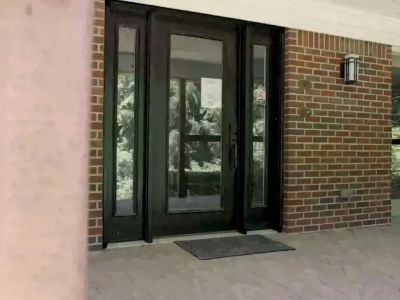
Addiction Rehab Centers - ARC at Fox Hill | Drug & Alcohol Rehab - Mooresville Indiana
Mooresville, Indiana
12168 N Mann Rd, Mooresville, IN 46158

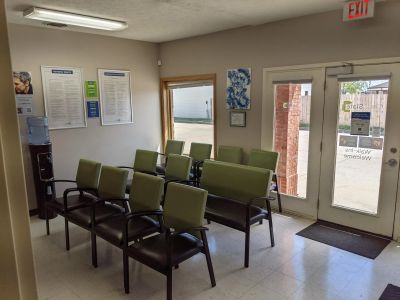

CleanSlate Outpatient Addiction Medicine
Lafayette, Indiana
30 Professional Ct #2A, Lafayette, IN 47905


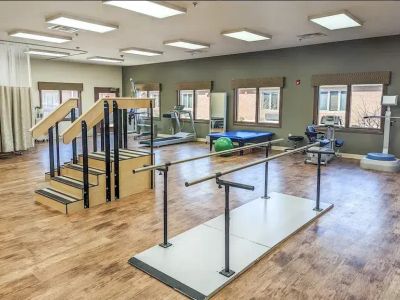
Bethel Pointe Health and Rehabilitation Center
Muncie, Indiana
3400 W Community Dr, Muncie, IN 47304
Get Personalized Rehab Matches in 60 Seconds
Tell us a few details and we’ll show a personalized shortlist of verified Indiana rehabs, making it simple to compare options and choose your next step with confidence.
Why Trust Indiana Rehabs
As Hoosiers helping Hoosiers, we understand the unique challenges our communities face. Our team meticulously verifies every Indiana treatment center, ensuring you find trusted, local care that truly understands your journey.
About our listingsLevels of Care
Explore popular treatment options by levels of care, from flexible treatment in Outpatient centers to intensive care in Residential rehabs.
Free · 24/7 · Confidential
Talk to a Treatment Specialist
Call now to get matched with Indiana facilities that accept your insurance.
(888) 568-9930
Free
Ins. check
4.9★
Rating
HIPAA
Protected
Can't travel to a facility?
Licensed Indiana therapists via secure video — same-week appointments, evenings & weekends available.
It often starts with a trusted doctor’s prescription, a muscle relaxant like Soma to ease real pain after an injury. Maybe you noticed, almost quietly, that what brought relief at first has turned into something you need just to feel normal, a subtle shift that can sneak up on anyone. If this sounds familiar, please know you’re not alone and there’s no blame here. Understanding the risks of carisoprodol is the first step toward getting the right kind of help, and caring, effective support is available right here in Indiana.

What is Soma (Carisoprodol)?
Soma is the brand name for carisoprodol, a prescription muscle relaxant prescribed for the short-term treatment of muscle pain and discomfort from injuries[1]. When you’re dealing with sharp, acute pain, a prescription drug like Soma can feel like a lifeline. It works by acting on the central nervous system, essentially blocking the pain sensations between your nerves and your brain. While it can be effective, it’s also important to understand the risks involved. Because of its potential for abuse and dependence, carisoprodol is classified as a Schedule IV controlled substance[2]. This means that while it has an accepted medical use, it also carries a risk of leading to physical or psychological dependence. Understanding carisoprodol addiction is a key part of using it safely.
Signs and Symptoms of Abuse
It can be hard to tell when use of a medication crosses the line into abuse or addiction. The change is often gradual, but there are some common signs you can look for. Recognizing these symptoms is a sign of strength, not weakness, and it’s the first step toward getting help for yourself or someone you care about.
Behavioral signs of Soma abuse may include:
- “Doctor shopping,” or visiting multiple doctors to get more prescriptions
- Hiding how much or how often you’re using the medication
- Losing interest in hobbies or activities you once enjoyed
- Neglecting responsibilities at work, school, or home
Physical signs of Soma addiction can include:
- Constant drowsiness or fatigue
- Dizziness and a lack of coordination
- Slurred speech
- Frequent headaches[3]
Continued abuse can lead to a physical dependence, where your body needs the drug to function normally. This isn’t a moral failing; it’s a medical condition that requires compassionate care.
Effects of Abuse
When Soma is misused, it can have significant effects on your mind and body. In the short term, you might experience a sense of euphoria or deep relaxation, but it can also lead to impaired thinking, confusion, and poor judgment[4]. These side effects can make everyday activities like driving incredibly dangerous.
The long-term effects of abuse are even more serious, potentially leading to cognitive impairment and organ damage. One of the greatest dangers is an overdose, especially when Soma is mixed with other central nervous system (CNS) depressants like alcohol, opioids, or benzodiazepines. Combining these substances can slow your breathing down to a dangerously low rate, leading to respiratory failure, coma, or even death[5]. It's a risk that is simply not worth taking.
Soma Withdrawal Symptoms
If you’ve developed a physical dependence on carisoprodol, stopping or cutting back suddenly can trigger withdrawal. This happens because your body has grown accustomed to the drug’s presence and needs time to readjust. The experience can be both physically and emotionally challenging.
Common withdrawal symptoms include:
- Anxiety and irritability
- Insomnia
- Tremors or muscle twitching
- Hallucinations
- Seizures[6]
So, how long does Soma withdrawal last? Symptoms typically begin within 12 to 24 hours after the last dose and can continue for several days. Because of the risk of severe symptoms like seizures, quitting "cold turkey" is not recommended. A gradual, supervised dose taper is the safest approach.
Soma Detox Programs
If you're wondering whether you need detox for Soma, the safest answer is yes. A medical detox program provides a secure, supervised environment where you can manage withdrawal symptoms safely. Medical professionals are on hand 24/7 to monitor your health, offer emotional support, and provide medications if needed to ease discomfort and prevent serious complications. This approach gives you the best possible foundation for a successful recovery, free from the risks of trying to go it alone.

Treating Carisoprodol Addiction
Finding the right treatment for carisoprodol addiction means finding a path that fits your life. There are several levels of care, and what works for one person might not be right for another. Inpatient or residential treatment offers 24/7 support in a structured environment, while outpatient programs provide flexibility so you can continue with work or family responsibilities. Intensive outpatient programs (IOP) offer a middle ground with more structured therapy than traditional outpatient care.
Most quality rehab programs use evidence-based therapies to help you heal. This often includes individual counseling, group therapy, and cognitive behavioral therapy (CBT), which helps you identify and change negative thought patterns and behaviors[2]. Many people also struggle with co-occurring mental health conditions like anxiety or depression, and treating these issues at the same time is crucial for lasting recovery[1].
How to Find Help in Indiana
Taking that first step to find a carisoprodol rehab center can feel overwhelming, but you don’t have to do it alone. A great place to start is by talking with a doctor or an addiction specialist who can provide a formal assessment and guide you toward the right level of care. You can use our directory to find a treatment facility here in Indiana that meets your specific needs. For more resources, you can also consult SAMHSA's treatment locator. Remember, reaching out for information is a confidential and courageous step. Recovery is possible, and there are people across Indiana ready to help you get there[7].
Navigating this journey is about finding hope and the right support. You've already taken an important step by seeking out information. The path to recovery is different for everyone, but it always starts with the decision to get help. If you're ready to talk about your options, our team is here to listen without judgment. You can call us at (888) 568-9930 to speak with a caring specialist, or explore the different types of treatment programs available. At Indiana Rehabs, we are here to help you find your way forward. Please don't hesitate to contact us today.
Frequently Asked Questions About Carisoprodol (Soma) Addiction Treatment
How long does Soma stay in your system?
What does Soma do to the brain?
Is carisoprodol an opioid?
How long is a typical stay in a drug rehab for Soma addiction?
How much does rehab for Soma addiction cost?
Does insurance cover carisoprodol addiction treatment?
- Sheffler, Z. M., et al. (05-02-2024). Carisoprodol. StatPearls Publishing. ncbi.nlm.nih.gov
- U.S. Department of Justice, Drug Enforcement Administration. (n.d.). CARISOPRODOL (Trade Name: Soma®). U.S. Department of Justice. deadiversion.usdoj.gov
- U.S. Department of Justice. (09-27-2004). Soma Fast Facts. U.S. Department of Justice. justice.gov
- Gage, A. M., et al. (2009). Abuse Potential of Soma®: the GABAA Receptor as a Target. Molecular and Cellular Pharmacology. pmc.ncbi.nlm.nih.gov
- (2019). SOMA (carisoprodol) tablets label. U.S. Food and Drug Administration. accessdata.fda.gov
- Reeves, R. R., et al. (2007). Carisoprodol withdrawal induced delirium: A case study. The Annals of Pharmacotherapy. pmc.ncbi.nlm.nih.gov
- Centers for Medicare & Medicaid Services. (10-19-2023). Healthy Indiana Plan (HIP) Substance Use Disorder (SUD) System of Care Summative Evaluation Report. U.S. Department of Health & Human Services. medicaid.gov