Clonazolam Rehabs

Showing 2 of 2 Results (filtered)
Featured Rehab Centers

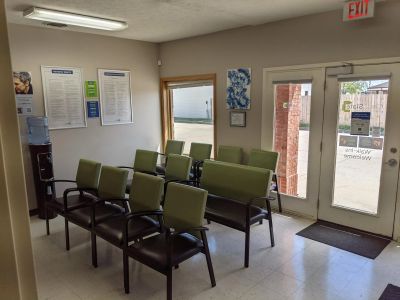

CleanSlate Outpatient Addiction Medicine
Lafayette, Indiana
30 Professional Ct #2A, Lafayette, IN 47905



Bethel Pointe Health and Rehabilitation Center
Muncie, Indiana
3400 W Community Dr, Muncie, IN 47304
Why Trust Indiana Rehabs
As Hoosiers helping Hoosiers, we understand the unique challenges our communities face. Our team meticulously verifies every Indiana treatment center, ensuring you find trusted, local care that truly understands your journey.
About our listingsLevels of Care
Explore popular treatment options by levels of care, from flexible treatment in Outpatient centers to intensive care in Residential rehabs.
What if one of the most dangerous drugs around isn’t something handed to you in a doctor’s office, but a little pill bought online as a so-called “research chemical”? Clonazolam often slips under the radar, promising relief or escape, but its unregulated strength can turn a quiet experiment into an overwhelming struggle before you even realize it. Even though the risks feel daunting, there are trusted, professional rehab options in Indiana that can help you reclaim safety and find real hope for recovery.
What Is Clonazolam And Why Is It Specifically Dangerous?
Clonazolam is a potent "designer" drug that belongs to the benzodiazepine family. Unlike its medical cousins, it has never been approved for human use and is often sold online disguised as a "research chemical" to sidestep drug laws. The dangers of this substance are significant, largely because it's completely unregulated. Its potency can be extreme, far exceeding that of many prescription benzos. This creates a high risk for accidental overdose and severe side effects like blackouts, where you lose chunks of memory.
Because it's made in illicit labs, the doses in clonazolam products, whether sold as liquids, powders, or on blotter paper, are wildly unpredictable. One drop could be exponentially stronger than the next, making every use a gamble. This inconsistency also means you can develop a tolerance and a severe physical dependence much faster than you’d expect. The U.S. Drug Enforcement Administration has classified clonazolam as a Schedule I substance due to its high potential for abuse and lack of any accepted medical use[1]. Understanding these risks is the first step toward recognizing the need for professional help.
Clonazolam vs Clonazepam
It’s easy to confuse clonazolam with clonazepam, but they are worlds apart. Clonazepam, sold under the brand name Klonopin, is a long-acting benzodiazepine prescribed by doctors to treat anxiety, panic disorders, and seizures. It's a legitimate medication produced in controlled, pharmaceutical settings with precise dosages.
Clonazolam, on the other hand, has no medical use. It’s a designer drug that is significantly more potent than clonazepam. Think of it like this: clonazepam is a carefully measured prescription from a pharmacist, while clonazolam is a mystery substance from an unregulated lab. You don't know who made it, what's really in it, or how strong it is. This makes the risks of using designer benzodiazepines like clonazolam infinitely higher.
Effects of Clonazolam
People often seek out clonazolam hoping for feelings of deep relaxation, euphoria, or relief from anxiety. While it can produce these effects, they come with a long list of dangerous side effects. Even small amounts can cause intense sedation, slurred speech, and a loss of coordination that makes simple tasks difficult or impossible. One of the most common effects is anterograde amnesia, or memory blackouts, where you can’t remember what happened while you were under the influence.
Because it's a central nervous system depressant, clonazolam slows your breathing. This respiratory depression is the primary danger in an overdose situation. The risk of a fatal overdose skyrockets when clonazolam is mixed with other depressants like alcohol or opioids. In Indiana, health officials have noted a concerning trend where designer benzodiazepines are found mixed with fentanyl, a powerful synthetic opioid, which dramatically increases the risk of overdose[2]. If you or someone you know is struggling, recognizing the symptoms of use is a critical step toward getting help.
What Are the Signs of Clonazepam Abuse?
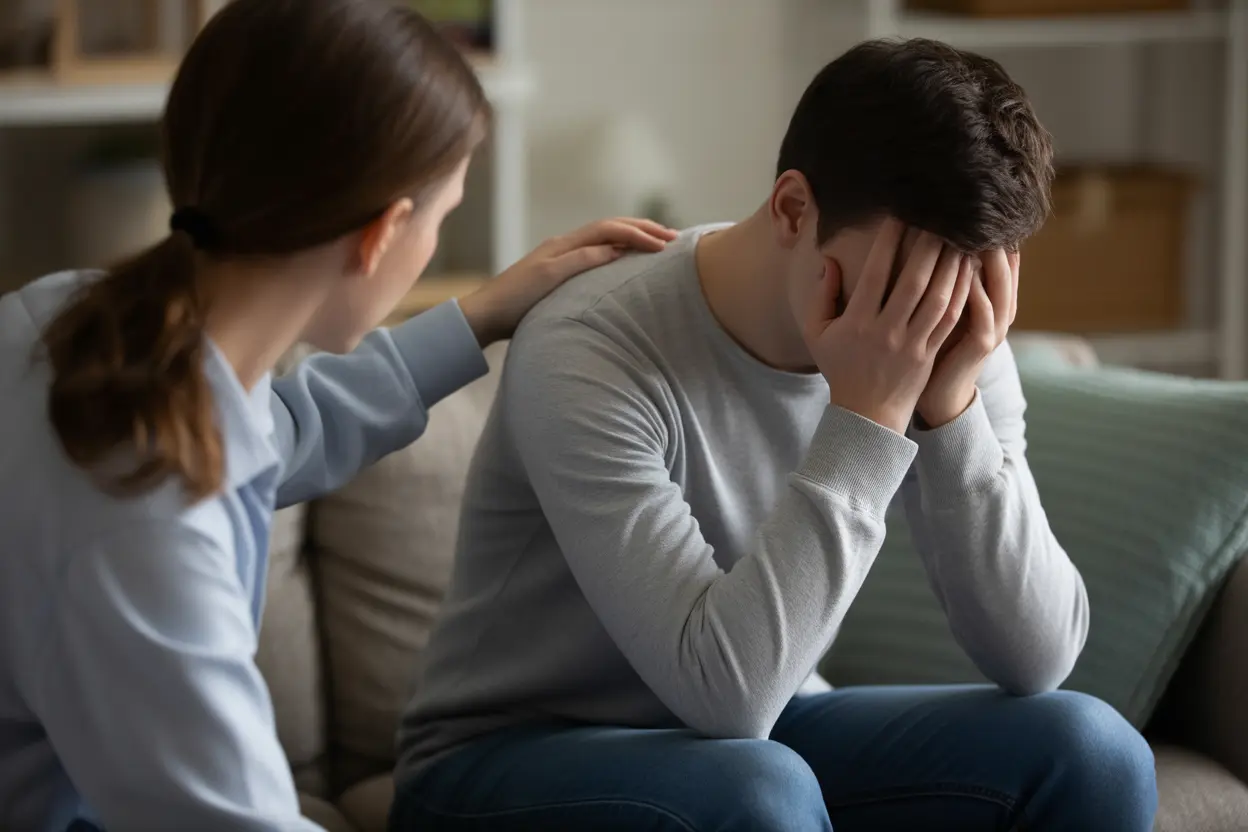
While this is often asked about clonazepam, the signs of clonazolam abuse are similar but frequently more intense and develop much faster. If you're worried that you or someone you care about might be struggling with clonazolam addiction, here are some common signs to look for:
- Behavioral Signs: Secrecy or lying about drug use, withdrawing from friends and family, losing interest in activities you once enjoyed, and spending a lot of time and money obtaining the drug online.
- Physical Signs: Extreme drowsiness or nodding off at odd times, slurred speech, poor coordination or stumbling, and slowed breathing. You might also notice dependence, meaning you feel sick without the drug.
- Psychological Signs: Severe memory blackouts, confusion, irritability or mood swings, and a noticeable increase in anxiety or panic when the effects wear off.
Is Clonazolam Legal?
Clonazolam exists in a legal gray area. Because it's often marketed as a "research chemical," it avoids the strict regulations that apply to medications. It is not approved by the FDA for human consumption, and while possessing it isn't always prosecuted, selling it for people to use can lead to legal trouble under federal analog laws[3]. But the legal risks are small compared to the health risks.
The biggest danger comes when you try to stop. Withdrawing from potent benzodiazepines like clonazolam can be life-threatening. Quitting "cold turkey" can lead to severe withdrawal symptoms, including tremors, panic attacks, hallucinations, and deadly seizures. You should never try to detox on your own. A safe, medical detox is essential to manage these withdrawal risks and begin your recovery journey safely.
Clonazolam Addiction Treatment in Indiana
If you're facing clonazolam addiction, please know that you’re not alone and effective treatment is available right here in Indiana. The path to recovery from this powerful drug is challenging, but with professional support, it is absolutely possible. All licensed addiction treatment centers in Indiana are certified by the state, ensuring they meet high standards for safety and care[4].
Your journey begins with medically supervised detox, which is the most critical first step. This ensures you can manage the severe withdrawal symptoms safely under the care of medical professionals. From there, a comprehensive treatment program will help you build a foundation for lasting recovery. Options for clonazolam rehab include inpatient or residential care for 24/7 support, as well as outpatient programs that offer more flexibility. Treatment often involves therapies like cognitive behavioral therapy (CBT) to help you understand the root causes of your addiction, develop healthy coping skills, and address any co-occurring disorders like anxiety that may have contributed to your substance use.

Start Your Path to Recovery in Indiana
Clonazolam may feel like an overwhelming challenge, but it’s important to remember that addiction is a treatable condition. With compassionate and professional support, you can break free from its hold and build a healthier, more fulfilling life. Taking that first step is often the hardest part, but you don’t have to do it alone. There is a community of people in Indiana ready to help you navigate the path to recovery without judgment.
If you or someone you love is in immediate crisis, you can reach out to the 988 Suicide & Crisis Lifeline by dialing 988. For treatment referrals and information, SAMHSA's National Helpline at 1-800-662-4357 is a confidential and free resource available 24/7. When you’re ready to explore your options for care, we are here to help.
The journey away from clonazolam is a brave one, but you don’t have to walk it by yourself. Recovery is within reach, and it starts with asking for help. Professional treatment provides a safe, structured environment to heal from the physical and psychological effects of this dangerous drug. If you’re ready to take the first step toward a brighter future, call us today at (888) 568-9930. Our team at Indiana Rehabs can help you understand your options and connect you with the right care. You can also get in touch by visiting our contact page to start the conversation.
Frequently Asked Questions About Clonazolam Addiction Treatment in Indiana
Can you overdose on clonazolam?
Is it dangerous to mix clonazolam with other drugs?
What are the symptoms of clonazolam withdrawal?
How long does it take to get over clonazolam addiction?
How can I help someone with a clonazolam addiction?
- Drug Enforcement Administration. (12-23-2022). Schedules of Controlled Substances: Temporary Placement of Etizolam, Flualprazolam, Clonazolam, Flubromazolam, and Diclazepam. Federal Register. federalregister.gov
- Indiana Department of Health. (08-21-2023). Indiana Health Alert Network Notification: Increase in Bromazolam Positivity. Indiana Department of Health. content.govdelivery.com
- Hardy, M. J. (01-11-2023). Controlled Substances Rescheduling Senate Judiciary Committee Testimony. North Dakota Legislative Assembly. ndlegis.gov
- Indiana Family and Social Services Administration. (07-14-2020). Certification and Licensure Rules and Indiana Code. Indiana Family and Social Services Administration. in.gov