
Codeine Rehabs

Showing 3 of 3 Results (filtered)
Featured Rehab Centers


Addiction Rehab Centers - ARC at Fox Hill | Drug & Alcohol Rehab - Mooresville Indiana
Mooresville, Indiana
12168 N Mann Rd, Mooresville, IN 46158

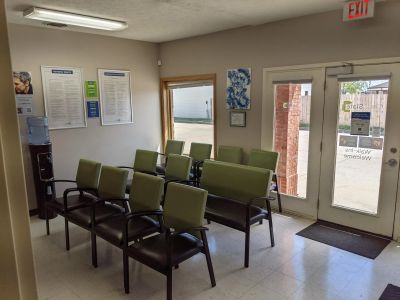

CleanSlate Outpatient Addiction Medicine
Lafayette, Indiana
30 Professional Ct #2A, Lafayette, IN 47905



Bethel Pointe Health and Rehabilitation Center
Muncie, Indiana
3400 W Community Dr, Muncie, IN 47304
Get Personalized Rehab Matches in 60 Seconds
Tell us a few details and we’ll show a personalized shortlist of verified Indiana rehabs, making it simple to compare options and choose your next step with confidence.
Why Trust Indiana Rehabs
As Hoosiers helping Hoosiers, we understand the unique challenges our communities face. Our team meticulously verifies every Indiana treatment center, ensuring you find trusted, local care that truly understands your journey.
About our listingsLevels of Care
Explore popular treatment options by levels of care, from flexible treatment in Outpatient centers to intensive care in Residential rehabs.
Free · 24/7 · Confidential
Talk to a Treatment Specialist
Call now to get matched with Indiana facilities that accept your insurance.
(888) 568-9930
Free
Ins. check
4.9★
Rating
HIPAA
Protected
Can't travel to a facility?
Licensed Indiana therapists via secure video — same-week appointments, evenings & weekends available.
Sometimes the pills that start as relief for a nagging pain or stubborn cough can slowly become something you depend on, and that uncertainty, when does a prescription meant to help start to cause harm, can leave you feeling lost or even ashamed. If you’re worried about your own codeine use or someone you care about, know that recognizing the tipping point between use and dependence is a powerful first step. Compassionate, effective help is closer than you might think, with options ready to support your path to recovery right here in Indiana.
What is Codeine Addiction?
Codeine is a prescription opioid medication used to treat mild to moderate pain and to suppress coughs[1]. Like other opioids, it works by changing how your brain perceives pain, but this action also carries a significant risk for dependency. When you take codeine, it attaches to opioid receptors in your brain, creating feelings of relief and well-being. Over time, your brain adapts and may begin to rely on the drug to feel normal, which is the start of physical dependence. This isn't a moral failing; it's a biological process. Legitimate medical use involves taking the exact dose prescribed by your doctor for a specific period. Misuse, however, begins when that boundary is crossed, which can lead to a full-blown prescription drug addiction. In Indiana, misuse of prescription painkillers remains a serious concern, affecting individuals and families across the state[2].
What's The Differences between Codeine Abuse and Addiction?
It's helpful to understand the distinction between codeine abuse and addiction. Codeine abuse means using the medication in a way it wasn't intended. This could mean taking more than your prescribed dose, using it for its euphoric effects, or taking someone else's prescription. Addiction, which healthcare professionals often call a substance use disorder, is when that use becomes compulsive and you can't stop, even when it causes harm to your relationships, health, or finances. While abuse is a dangerous pattern, addiction involves a powerful physical dependence and psychological craving that takes over. Think of it this way: abuse is a risky choice, but addiction feels like you've lost the choice entirely. Over time, codeine abuse can pave the way for a deeper dependency and opioid addiction.
What Are The Signs and Symptoms of Codeine Addiction?
Recognizing the signs of codeine addiction is the first step toward getting help for yourself or a loved one. These symptoms aren't character flaws, they're indicators that someone is struggling and needs support. They often fall into behavioral, physical, and psychological categories.

Behavioral signs can include:
- Going to multiple doctors to get prescriptions ("doctor shopping")
- Withdrawing from friends, family, and activities you once enjoyed
- Failing to keep up with responsibilities at work, school, or home
- Experiencing financial trouble or borrowing money frequently
Physical symptoms are often noticeable changes in the body[3]:
- Constant drowsiness or seeming "out of it"
- Chronic constipation or nausea
- Pinpoint or constricted pupils
- Changes in sleep habits, like insomnia or sleeping too much
Psychological signs reflect changes in mood and thinking[4]:
- Sudden and unexplained mood swings
- Increased anxiety or feelings of depression
- Difficulty concentrating or focusing on tasks
Do I need codeine rehab?
It can be tough to admit that you might need help. If you're questioning whether your codeine use has become a problem, taking a moment for honest self-reflection can bring clarity. This isn't about diagnosing yourself but about checking in and seeing if your use is costing you more than it's giving you. Ask yourself the following questions:
- Have you tried to stop or cut back on using codeine but found that you couldn't?
- Do you need to take more codeine to get the same effect you used to (a sign of tolerance)?
- Is your codeine use causing friction in your relationships or problems at work or school?
- Do you spend a lot of time thinking about, obtaining, or using codeine?
- Have you continued using it even though you know it's making your physical or mental health worse[4]?
If you answered "yes" to a few of these, it may be a strong signal that it's time to seek professional addiction treatment. Recognizing the dependency is a sign of strength, and it opens the door to starting your recovery.
What does codeine rehab involve?
The idea of codeine rehab can feel intimidating, but it's a structured, supportive process designed to help you heal. Your journey is unique, so every treatment plan is personalized. It generally follows a few key stages: assessment, detox, therapy, and aftercare planning. The goal is to give you the tools and support you need to build a life free from dependency.
Your care will take place in a setting that best fits your needs. For some, inpatient or residential treatment offers a safe, 24/7 environment away from daily triggers. For others, outpatient programs provide flexibility to attend therapy while still managing work or family responsibilities. The core of any good codeine treatment program is therapy. This includes individual counseling to explore the root causes of your addiction, group therapy to connect with others who understand, and family therapy to mend relationships and build a strong support system for your recovery.

Codeine detox
Detox is often the very first step in the recovery process. It’s where your body safely clears itself of codeine under medical supervision. Trying to quit "cold turkey" at home can be uncomfortable and, at times, unsafe due to withdrawal symptoms like muscle aches, intense anxiety, nausea, and insomnia. A medically supervised codeine detox ensures you are as safe and comfortable as possible. To ease the discomfort of codeine withdrawal, your care team may use Medication-Assisted Treatment (MAT)[5]. Medications such as buprenorphine can help reduce cravings and manage withdrawal symptoms, giving you the stability to focus on your therapy and healing.
Holistic therapy and treatment
Lasting recovery is about more than just stopping drug use; it's about healing your whole self. Many modern treatment centers incorporate holistic therapy to support your mind, body, and spirit. These aren't a replacement for evidence-based addiction therapy but a powerful complement to it. They help you build healthy coping skills, manage stress, and find joy in sobriety. Examples include:
- Yoga and Meditation: To help you connect with your body, calm your mind, and manage stress.
- Art and music therapy: To express feelings that are hard to put into words.
- Nutritional Counseling: To restore physical health and learn how diet impacts mood.
- adventure therapy: To build confidence and teamwork skills in nature.
Finding Hope and Healing in Indiana
Codeine addiction is a difficult challenge, but it is absolutely a treatable condition. With the right support and a personalized treatment plan, a full recovery is not just possible, it's happening for people across Indiana every day[6]. You don’t have to carry this burden alone. The most important thing to remember is that reaching out for help is a brave first step. Whether you’re ready to explore treatment options or just need someone to talk to, support is available. You can start by exploring state-certified facilities through the official Indiana Division of Mental Health and Addiction website.
You’ve already taken a courageous step by seeking information. The path to recovery is built one day at a time, and it starts with the decision to ask for help. At Indiana Rehabs, we’re here to guide you with compassion and understanding. Our team can help you understand your options and connect you with the right care here in Indiana. When you’re ready, give us a call at (888) 568-9930 or visit our contact page. A healthier, more hopeful future is within your reach.
Frequently Asked Questions About Codeine Rehab in Indiana
How long does codeine rehab last?
Can I continue to work while in rehab for codeine addiction?
How can I pay for codeine rehab in Indiana?
What happens after codeine rehab ends?
What is Medication-Assisted Treatment (MAT) for codeine addiction?
Is recovery from codeine addiction really possible?
- (February 28, 2024). Codeine. StatPearls Publishing. ncbi.nlm.nih.gov
- (n.d.). Drug fact sheet: Substance use in Indiana. Indiana Family and Social Services Administration. in.gov
- (April 20, 2024). Codeine. MedlinePlus. medlineplus.gov
- (January 17, 2024). Opioid use disorder: Evaluation and management. StatPearls Publishing. ncbi.nlm.nih.gov
- (2025). Medications for substance use disorders. Substance Abuse and Mental Health Services Administration. samhsa.gov
- Indiana State Epidemiological Outcomes Workgroup. (2022). Indiana 2022 SEOW report. Indiana Family and Social Services Administration. in.gov