Datura Rehabs

Showing 3 of 3 Results (filtered)
Featured Rehab Centers



Addiction Rehab Centers - ARC at Fox Hill | Drug & Alcohol Rehab - Mooresville Indiana
Mooresville, Indiana
12168 N Mann Rd, Mooresville, IN 46158



CleanSlate Outpatient Addiction Medicine
Lafayette, Indiana
30 Professional Ct #2A, Lafayette, IN 47905



Bethel Pointe Health and Rehabilitation Center
Muncie, Indiana
3400 W Community Dr, Muncie, IN 47304
Get Personalized Rehab Matches in 60 Seconds
Tell us a few details and we’ll show a personalized shortlist of verified Indiana rehabs, making it simple to compare options and choose your next step with confidence.
Why Trust Indiana Rehabs
As Hoosiers helping Hoosiers, we understand the unique challenges our communities face. Our team meticulously verifies every Indiana treatment center, ensuring you find trusted, local care that truly understands your journey.
About our listingsLevels of Care
Explore popular treatment options by levels of care, from flexible treatment in Outpatient centers to intensive care in Residential rehabs.
Free · 24/7 · Confidential
Talk to a Treatment Specialist
Call now to get matched with Indiana facilities that accept your insurance.
(888) 568-9930
Free
Ins. check
4.9★
Rating
HIPAA
Protected
Can't travel to a facility?
Licensed Indiana therapists via secure video — same-week appointments, evenings & weekends available.
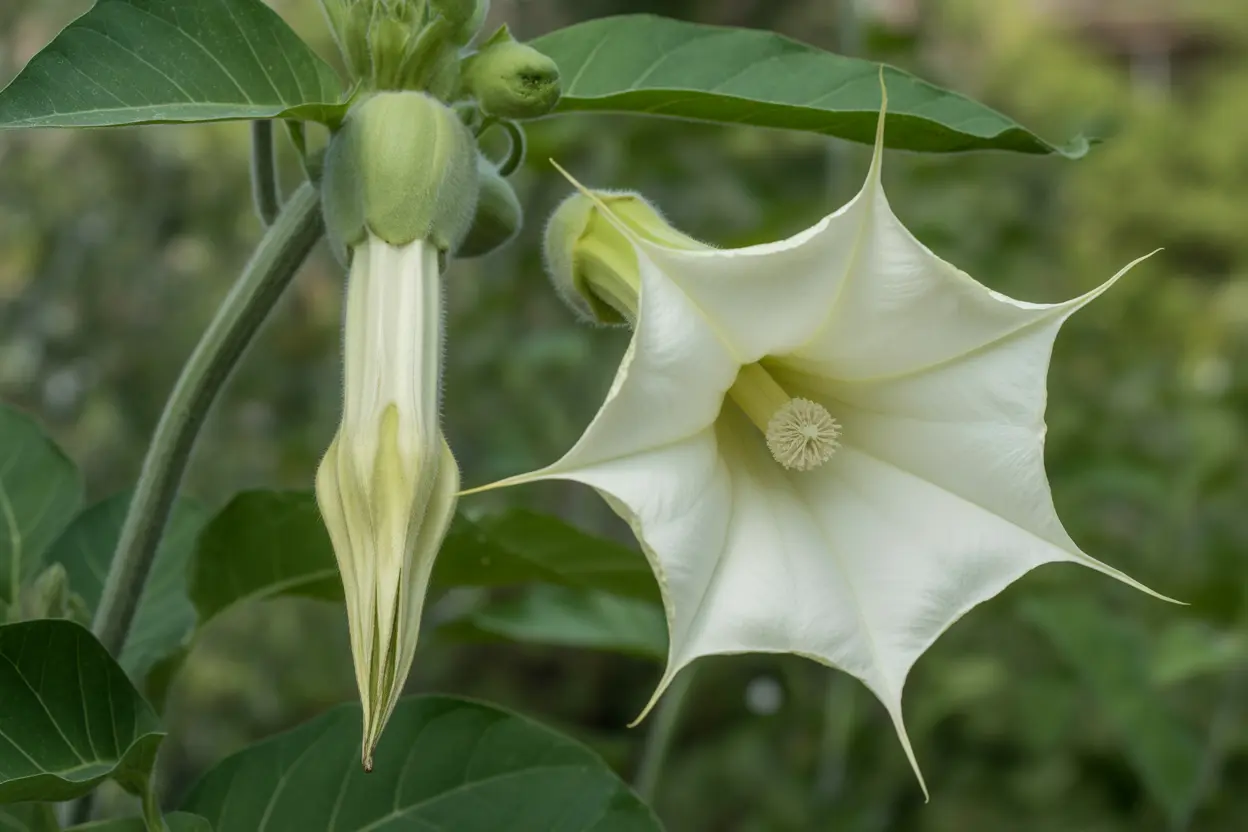
Picture a garden where bright, trumpet-shaped flowers glow under the sun, their beauty seemingly innocent and inviting. Now imagine that same plant holding a danger so deep it can blur reality, bringing confusion and real harm to those who cross its path. Datura's risks aren't always obvious, but knowing the truth behind its allure is the first step toward keeping yourself or someone you love safe. If you're worried about its effects, there's real support and guidance available here in Indiana to help you find solid ground again.
What Is Datura Made Of?
Datura is a group of plant species belonging to the nightshade family, the same family as tomatoes and bell peppers. Unlike its harmless relatives, however, the Datura plant is highly toxic. Every single part of it, from the roots to the flowers, contains powerful tropane alkaloids, but the seeds hold the highest concentration[1]. The main chemicals responsible for its dangerous effects are atropine, scopolamine, and hyoscyamine. These compounds are known as deliriants because they disrupt the normal function of neurotransmitters in the brain, leading to a state of severe confusion and disconnection from reality. Learning about the risks of Datura abuse is a critical step in understanding its potential for harm.
Other Names for Datura
You may have heard of Datura by one of its more common names. These often hint at its appearance or its notorious reputation. Some of the most widely known names include:
- Jimson Weed (a name derived from Jamestown Weed, linked to an incident of poisoning among soldiers in Jamestown, Virginia, in the 1600s)
- Devil's Snare
- Thorn Apple (referring to its spiky seed pods)
- Angel's Trumpet (describing its beautiful, trumpet-shaped flowers)
What Do People Use Datura For?
Historically, some Indigenous cultures used Datura in carefully controlled spiritual rituals. However, its modern use is far removed from that context. Today, it is most often used recreationally by individuals, sometimes teenagers, seeking intense hallucinogenic effects. This is incredibly dangerous because the plant’s toxicity makes it a poison. The psychoactive use of Datura is a gamble with severe health consequences. Unfortunately, its use among adolescents is a documented concern, with one report noting a lifetime prevalence rate of 2.6%[2].
What Does Datura Feel Like?
The experience of using Datura is nothing like a typical psychedelic trip. Instead of colorful visuals or feelings of connection, it causes a profound state of delirium. This is a state of extreme confusion, disorientation, and an inability to separate reality from hallucination. The effects are often terrifying and completely unpredictable. A person under the influence of Datura may have vivid, nightmarish hallucinations and engage in conversations with people who aren't there. They often experience total amnesia of the event afterward. There is a complete loss of control, and the experience is dominated by paranoia and fear. This severe break from reality is what distinguishes deliriants from other hallucinogenic substances.
Datura's Physical Effects
Beyond the terrifying mental effects, Datura causes a cascade of severe physical symptoms. These are the signs of anticholinergic poisoning, which happens when the alkaloids block crucial functions in the body. The physical effects of this poisoning include:
- Extremely dry mouth and throat
- Blurred vision and widely dilated pupils
- Rapid, racing heart rate (tachycardia)
- Flushed, hot, and dry skin
- Difficulty urinating
- A dangerous spike in body temperature (hyperthermia)

Dangers and Risks of Datura Drug
The single greatest danger of Datura is the razor-thin line between a dose that causes hallucinations and one that can cause death. The concentration of atropine and scopolamine varies wildly from one plant to another, and even between different parts of the same plant. This makes any attempt at dosing a life-threatening gamble. All parts of the Datura plant are poisonous, and ingesting it can lead to severe anticholinergic syndrome, a medical emergency requiring immediate attention. The risks associated with this plant are why it's classified with other dangerous deliriants that have a high potential for causing harm.
Can You Die From Datura?
Yes, you can absolutely die from using Datura. Ingestion of the plant can be fatal to humans[1]. Death from Datura poisoning can occur in several ways. An overdose can lead to respiratory failure, heart failure, or uncontrollable seizures. The dangerously high body temperature (hyperthermia) it causes can also be fatal. Furthermore, because the user is in a state of complete delirium, they are at high risk for fatal accidents, such as walking into traffic or falling from a height, because they cannot perceive reality correctly.
Long-Term Effects
Surviving a Datura experience doesn't mean you've escaped unharmed. The long-term effects of this powerful poison can be devastating. Repeated use can cause lasting damage to both the mind and body. Potential long-term consequences include persistent vision problems from the effects on the eyes, lasting cognitive impairment, and chronic memory issues. The psychological trauma from the terrifying hallucinations can also lead to psychosis or other mood disorders. Beyond brain damage, the poisoning can cause severe physical harm, including lasting issues with organ function[2].
Datura Addiction Risk
Datura isn't considered addictive in the same way as substances like opioids or alcohol, which cause intense physical withdrawal symptoms. However, this doesn't mean it's safe. The risk with Datura is one of abuse and psychological dependence. This happens when a person continues to use the substance compulsively despite experiencing terrifying and harmful consequences. While you won't find a rehab center that specializes only in Datura, any qualified substance abuse treatment facility in Indiana is equipped to help. Treatment for hallucinogen abuse focuses on addressing the underlying reasons for use. It typically involves medical supervision to manage any lingering effects, followed by behavioral therapies and counseling to build coping skills and a foundation for a healthier life[3]. Care is individualized to meet each person's specific needs through assessments and personalized plans[4].
Take the first step. Start addiction treatment today.
The message is clear: Datura is an incredibly dangerous plant, and any use is a serious risk. If you or someone you care about is experimenting with it, the safest path forward is to seek professional help. You don't have to navigate this alone. Across Indiana, there are compassionate and qualified rehab centers ready to provide the support needed for recovery. You can find state-certified services through the Indiana Division of Mental Health and Addiction. Taking that first step can feel overwhelming, but a confidential conversation is a powerful start. Call us today at (888) 568-9930 to speak with someone who can help, or explore treatment options at Indiana Rehabs. Reaching out is a sign of strength, and we're here to help you find your way back to safety and well-being.
Frequently Asked Questions About Datura Use in Indiana
Is Datura illegal in Indiana?
How is Datura poisoning treated?
Why do people use Datura if it's so dangerous?
Are there safe ways to use Datura?
Can you build a tolerance to Datura?
- CABI. (08-28-2023). Datura stramonium (jimsonweed). CABI Compendium. cabidigitallibrary.org
- Singh, S., Saini, M., & Singh, G. P. (2019). Long-term intentional Datura use and its consequences. Indian Journal of Psychiatry. pmc.ncbi.nlm.nih.gov
- SAMHSA. (02-02-2024). Substance use disorders - statutes, regulations, and guidelines. Substance Abuse and Mental Health Services Administration. samhsa.gov
- U.S. Department of Health and Human Services. (August, 2021). State residential treatment for behavioral health: A scan of state aroupnd substance use condition policies in Indiana. ASPE. aspe.hhs.gov