Dimethyltryptamine (DMT) Rehabs

Showing 3 of 3 Results (filtered)
Featured Rehab Centers


Addiction Rehab Centers - ARC at Fox Hill | Drug & Alcohol Rehab - Mooresville Indiana
Mooresville, Indiana
12168 N Mann Rd, Mooresville, IN 46158

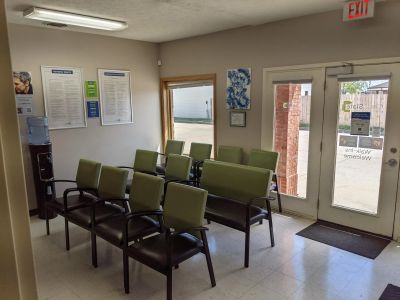

CleanSlate Outpatient Addiction Medicine
Lafayette, Indiana
30 Professional Ct #2A, Lafayette, IN 47905



Bethel Pointe Health and Rehabilitation Center
Muncie, Indiana
3400 W Community Dr, Muncie, IN 47304
Get Personalized Rehab Matches in 60 Seconds
Tell us a few details and we’ll show a personalized shortlist of verified Indiana rehabs, making it simple to compare options and choose your next step with confidence.
Why Trust Indiana Rehabs
As Hoosiers helping Hoosiers, we understand the unique challenges our communities face. Our team meticulously verifies every Indiana treatment center, ensuring you find trusted, local care that truly understands your journey.
About our listingsLevels of Care
Explore popular treatment options by levels of care, from flexible treatment in Outpatient centers to intensive care in Residential rehabs.
Free · 24/7 · Confidential
Talk to a Treatment Specialist
Call now to get matched with Indiana facilities that accept your insurance.
(888) 568-9930
Free
Ins. check
4.9★
Rating
HIPAA
Protected
Can't travel to a facility?
Licensed Indiana therapists via secure video — same-week appointments, evenings & weekends available.
When does a journey into the mind become a path you can’t control? DMT has a reputation for unlocking doors in the psyche, often wrapped in mystery and stories of deep transformation, but the reality of psychological dependence is something far less talked about, and far more difficult to navigate alone. If you’re worried that the experience has taken over or left you feeling lost, you should know there are clear, compassionate treatment options in Indiana that can help you regain a sense of balance and reclaim your life.

What is DMT?
DMT, or N,N-Dimethyltryptamine, is a powerful hallucinogenic drug that occurs naturally in some plants and animals. It’s known for producing intense, short-lived psychedelic experiences. In the brain, DMT primarily interacts with serotonin receptors, altering perception, mood, and thought. While it is found in nature, it is also produced synthetically as a white crystalline powder that is typically smoked, vaporized, or snorted[1]. One of the most well-known forms of DMT is as a key ingredient in ayahuasca, a ceremonial brew used for centuries in South American spiritual practices. DMT is one of several powerful hallucinogens that can create profound shifts in consciousness, but it also carries significant risks.
The Effects And Risks Of DMT
The experience of using DMT is often described as a life-altering journey, but it’s one that comes with serious potential dangers. While a fatal overdose from DMT alone is uncommon, the risks are very real. A "bad trip" can cause severe psychological distress, including intense anxiety and paranoia. Under the influence of powerful hallucinations, a person may engage in risky behaviors they otherwise wouldn't. Another significant risk is serotonin syndrome, a potentially life-threatening condition caused by excessive serotonin in the brain, especially when DMT is mixed with other substances like antidepressants[2]. Understanding these effects is the first step in recognizing when use has become a problem.
Short-Term Effects of DMT Addiction
The immediate effects of DMT come on rapidly and can be overwhelming. They impact both the body and the mind in profound ways. Common short-term effects include:
- Increased heart rate and elevated blood pressure
- Dizziness and lack of physical coordination
- Intense visual and auditory hallucinations
- A distorted sense of time and reality
- Feelings of euphoria, but also the potential for extreme fear and anxiety
Long-Term Effects of DMT Addiction
Repeated use of DMT can lead to lasting psychological consequences. Some individuals may experience persistent psychosis, paranoia, or mood disturbances that linger long after the drug has left their system. One of the most concerning long-term effects is Hallucinogen Persisting Perception Disorder (HPPD), a condition where a person experiences recurring flashbacks and visual disturbances. The risks are compounded by the fact that polysubstance use is common among people who use hallucinogens. For example, national survey data shows that among hallucinogen users, 89.5% also use alcohol, 68.3% use illicit cannabis, and 28.5% use cocaine[3]. This dramatically increases the potential for negative health outcomes, including the development of psychotic disorders.
DMT Dependence And Addiction
It's important to understand the difference between physical and psychological dependence when it comes to DMT. Unlike opioids or alcohol, DMT is not typically associated with physical withdrawal symptoms. However, that doesn't mean it isn't addictive. A strong psychological dependence can develop, where a person feels a compulsive need to use the drug to cope with life, escape reality, or chase the intense experiences it provides[2]. This pattern of compulsive use despite negative consequences is known as a hallucinogen use disorder. It’s characterized by cravings and a continued desire to use the substance even when it’s causing problems at work, school, or in personal relationships. This is the core of what a DMT addiction looks like in practice.
Symptoms of DMT Addiction
Recognizing the signs of problematic DMT use can help you understand if it’s time to seek help. The symptoms are often behavioral and psychological. Key signs of a developing addiction include:
- Spending a great deal of time and money obtaining and using DMT
- Neglecting important responsibilities at work, school, or home
- Continuing to use the drug despite it causing or worsening anxiety, paranoia, or other mental health issues
- Experiencing strong cravings or urges for the drug's effects
- Isolating from friends and family to hide the extent of use

DMT Addiction Treatment
When it comes to DMT addiction treatment, the focus is on healing the mind. There are no FDA-approved medications specifically for hallucinogen use disorder. Instead, recovery is built on a foundation of behavioral therapies designed to help you understand and change the patterns that led to dependence[2]. Therapies like Cognitive-Behavioral Therapy (CBT) are highly effective, teaching you to identify triggers and develop healthier coping strategies. Treatment is available at different levels of care, from inpatient rehab for those needing intensive, 24/7 support to outpatient programs that offer more flexibility. For many, DMT use co-occurs with other mental health conditions like depression or anxiety. In these cases, a dual diagnosis program is essential to address both the substance use and the mental health disorder at the same time for a more complete and lasting recovery.
How Indiana Treatment Centers Address DMT and Hallucinogen Use
Finding the right help in Indiana is straightforward. Treatment centers across the state are equipped to help people struggling with hallucinogen use by providing structured, evidence-based care. The main concern for many is often how to pay for it. The good news is that most private insurance plans cover substance use disorder treatment. Additionally, state-funded programs like Indiana Medicaid also provide coverage for these essential services[4]. Indiana facilities are licensed and regulated to ensure they meet high standards of care, offering a safe environment for recovery[5]. You can find information on certified providers through resources like the Indiana Division of Mental Health and Addiction. The first step is often the hardest, but help is available right here in your community.
Taking the Next Step Toward Recovery
While the journey with DMT can feel isolating and overwhelming, it’s important to remember that you don’t have to find your way back alone. Effective, compassionate treatment is available right here in Indiana, and recovery is absolutely possible. With the right support system, you can process your experiences, address the underlying reasons for use, and build a foundation for a healthier future. Taking that first step is an act of courage. Whether you explore local treatment options, verify your insurance, or make a confidential call to discuss your situation, you are moving toward healing. You can find authoritative resources and treatment support in Indiana through trusted national organizations.
Feeling lost after a psychedelic experience can be frightening, but there is a clear path forward. Healing begins with understanding that psychological dependence is real and treatable. With therapies designed to help you integrate your experiences and build healthy coping skills, you can regain control and find your footing again. If you’re ready to talk, our compassionate team at Indiana Rehabs is here to listen without judgment. Call us at (888) 568-9930 or contact us today to take the first step toward a balanced and sober life.
Frequently Asked Questions About DMT Treatment in Indiana
What is the difference between DMT and ayahuasca?
Can you overdose on DMT?
How long does DMT stay in your system?
What is a "bad trip" on DMT?
- Palamar, J. J., et al. (2018). Trends in DMT and Other Tryptamine Use Among Young Adults in the US, 2006–2014. The American journal on addictions. pmc.ncbi.nlm.nih.gov
- (2023-06-12). Psychedelic therapy in the treatment of addiction. PubMed Central. pmc.ncbi.nlm.nih.gov
- Substance Abuse and Mental Health Services Administration. (2023). Results from the 2021 National Survey on Drug Use and Health. SAMHSA. samhsa.gov
- Indiana Health Coverage Programs. (2021-06-16). Substance Use Disorder (SUD)/Serious Mental Illness (SMI) Treatment. State of Indiana. in.gov
- U.S. Department of Health and Human Services. (2021). State Residential Treatment for Behavioral Health Conditions: Indiana. ASPE. aspe.hhs.gov