
Empathogens Rehab in Indiana


Showing 4 of 4 Results (filtered)
Featured Rehab Centers


Addiction Rehab Centers - ARC at Fox Hill | Drug & Alcohol Rehab - Mooresville Indiana
Mooresville, Indiana
12168 N Mann Rd, Mooresville, IN 46158

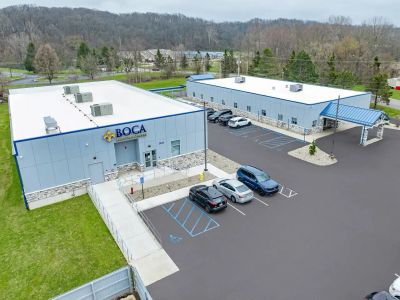

Boca Recovery Center - Indiana Drug and Alcohol Rehab
Huntington, Indiana
3040 W Park Dr, Huntington, IN 46750



Bethel Pointe Health and Rehabilitation Center
Muncie, Indiana
3400 W Community Dr, Muncie, IN 47304
Get Personalized Rehab Matches in 60 Seconds
Tell us a few details and we’ll show a personalized shortlist of verified Indiana rehabs, making it simple to compare options and choose your next step with confidence.
Pinnacle Treatment Centers - 2209 John R Wooden Drive
Martinsville, Indiana
2209 John R Wooden Drive, 3rd Floor Martinsville, IN 46151
Why Trust Indiana Rehabs
As Hoosiers helping Hoosiers, we understand the unique challenges our communities face. Our team meticulously verifies every Indiana treatment center, ensuring you find trusted, local care that truly understands your journey.
About our listingsLevels of Care
Explore popular treatment options by levels of care, from flexible treatment in Outpatient centers to intensive care in Residential rehabs.
Free · 24/7 · Confidential
Talk to a Treatment Specialist
Call now to get matched with Indiana facilities that accept your insurance.
(888) 568-9930
Free
Ins. check
4.9★
Rating
HIPAA
Protected
Can't travel to a facility?
Licensed Indiana therapists via secure video — same-week appointments, evenings & weekends available.
That feeling of profound connection and boundless energy can feel liberating—almost like you’ve discovered a secret doorway out of everyday pain. But when the glow fades and you’re left with a heavy, aching silence, it can be hard to know where to turn next. If the aftereffects of MDMA or Molly are weighing you down, know that recovery doesn’t have to be a mystery or a struggle you face alone—right here in Indiana, compassionate, expert support is within your reach.
What Are Empathogens?
You may have heard the term "empathogen" or its close cousin, "entactogen," used to describe certain types of drugs. In simple terms, these are substances known for producing powerful feelings of empathy, emotional openness, and a sense of connection with others.[1] While they can alter perception, they aren't quite the same as classic psychedelics like LSD. Instead, empathogens blend stimulant properties with these unique emotional effects.
The most well-known empathogen is MDMA, often called Molly or Ecstasy. Other related substances include MDA, which shares a similar chemical structure and produces comparable effects. These drugs are sought after for their ability to break down social barriers and create a feeling of communion, but that experience comes with significant risks.
How Do Empathogens Work?
So, how does a drug create such intense feelings of connection? It all comes down to brain chemistry. Think of your brain's mood-regulating systems as carefully balanced reservoirs of chemicals. Empathogens like MDMA dramatically disrupt this balance, primarily by flooding the brain with serotonin, a neurotransmitter that governs mood, happiness, and empathy.
This drug causes your brain cells to release massive amounts of serotonin all at once while also blocking its reuptake, which is the normal recycling process.[2] The result is an overwhelming surge of positive feelings. At the same time, it also impacts other key neurotransmitters like dopamine (related to reward and pleasure) and norepinephrine (related to energy and alertness). This chemical cascade is what produces the signature effects of euphoria, increased energy, and deep emotional warmth.
Empathogens' Effects
When someone uses an empathogen like MDMA or MDA, they're often chasing a specific set of feelings. But the experience isn't limited to the desired effects; it comes with a wide range of physical and psychological symptoms, some of which can be incredibly dangerous. Understanding both sides is key to recognizing when use has become a problem.

MDA's Effect on the Mind
People who use empathogens are typically seeking the profound psychological effects that make them feel connected and joyful. Using MDA or MDMA as an example, these desired effects often include:
- A strong sense of euphoria and elevated mood.
- Increased feelings of empathy and compassion for others.
- Greater emotional openness and willingness to communicate.
- Heightened sensory perception, making lights and sounds more intense.
- A temporary reduction in social anxiety or fear.
Risks of Empathogens
The intense high from empathogens often leads to a harsh "come-down" and carries serious risks, both during and after use. It’s crucial to be aware of these dangers:
- Physical Risks: One of the biggest dangers is hyperthermia, a sharp increase in body temperature that can lead to organ failure. Other risks include dehydration, dangerously high blood pressure, and an increased heart rate. In some cases, use can lead to serotonin syndrome, a life-threatening condition caused by excessive serotonin in the brain.[3]
- Psychological Risks: The aftereffects can be just as damaging. Many people experience severe anxiety, paranoia, confusion, and deep depression in the days following use as their brain chemistry struggles to rebalance.
- Risk of Overdose: An overdose on empathogens can cause seizures, loss of consciousness, and even death. The risk is magnified because street drugs like Molly or Ecstasy are often impure, cut with other unknown and dangerous substances.
- Adulterated Pills: What you think you're getting might not be what's in the pill. Studies have shown that pills sold as Ecstasy often contain other unreported substances, and the dosage of MDMA can be dangerously inconsistent.
What Is Molly Abuse Treatment Like?
When using empathogens like Molly shifts from occasional to compulsive, it's a sign that professional help may be needed. Over time, your brain can develop a tolerance, meaning you need more of the drug to feel the same effects. This can quickly lead to dependence and addiction, where you experience intense cravings and continue using despite negative consequences in your life.

Withdrawal symptoms are primarily psychological and can be incredibly difficult to manage alone. They often include fatigue, depression, difficulty concentrating, and intense cravings. Because there are no FDA-approved medications specifically for empathogen addiction, behavioral therapies are the cornerstone of effective treatment.[4] A comprehensive treatment plan in a rehab setting usually includes medical detox if needed, followed by therapies like cognitive behavioral therapy (CBT), individual counseling, and group support to build coping skills for a lasting recovery.
Detoxing, Addiction Treatment, Rehab, and Recovery
If you’re ready to seek help for empathogen abuse in Indiana, you have strong, supportive options available. Recovery isn't a one-size-fits-all process, which is why there are different levels of care available to meet you where you are.[5] These programs are designed to provide structured, evidence-based care in a safe environment.[6]
Common levels of care include:
- Inpatient Residential Treatment: This offers 24/7 support in a live-in facility, providing an immersive healing environment away from triggers.
- Partial Hospitalization Program (PHP): A structured, all-day treatment program that allows you to return home in the evenings.
- Intensive Outpatient Program (IOP): A more flexible option with several hours of therapy per week, allowing you to maintain work or school commitments.
Worries about cost should never be a barrier to getting help. The first step is often verifying your insurance coverage to understand what your plan covers. You can also explore options through official state resources like the Indiana Division of Mental Health and Addiction. Taking that first step is the most important part of the journey.
The path that started with seeking connection doesn't have to end in isolation. Healing from empathogen abuse is about rediscovering yourself and building a foundation for a future free from dependence. It’s about finding sustainable joy and genuine connection without the chemical highs and lows. If you’re ready to start that journey, help is just a phone call away. You can speak with a caring specialist right now at (888) 568-9930. At Indiana Rehabs, we're here to connect you with the resources you need to heal. You can also reach out to us online to take the first, most important step toward recovery.
- U.S. Department of Veterans Affairs. (03-28-2024). Psychedelic-Assisted Therapy for PTSD. National Center for PTSD. ptsd.va.gov
- U.S. Food and Drug Administration. (06-26-2023). Psychedelic Drugs: Considerations for Clinical Investigations. U.S. Food and Drug Administration. fda.gov
- U.S. Food and Drug Administration. (06-04-2024). NDA 215455: Briefing Document. U.S. Food and Drug Administration. fda.gov
- (2022). National Survey on Drug Use and Health. Substance Abuse and Mental Health Services Administration. samhsa.gov
- Indiana Health Coverage Programs. (06-16-2021). Substance Use Disorder (SUD)/Serious Mental Illness (SMI) Treatment. in.gov. in.gov
- U.S. Department of Health & Human Services. (August, 2021). INDIANA | State Residential Treatment for Behavioral Health Conditions. ASPE. aspe.hhs.gov