
Exercise Addiction Rehabs

Showing 4 of 4 Results (filtered)
Featured Rehab Centers



Addiction Rehab Centers - ARC at Fox Hill | Drug & Alcohol Rehab - Mooresville Indiana
Mooresville, Indiana
12168 N Mann Rd, Mooresville, IN 46158
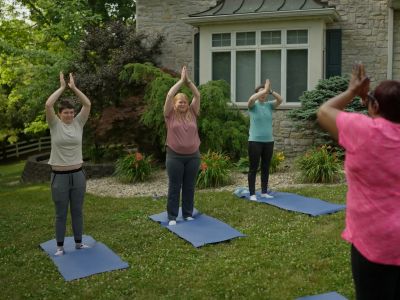


Selah House
Anderson, Indiana
1106 Meridian Street, Anderson, IN, 46016


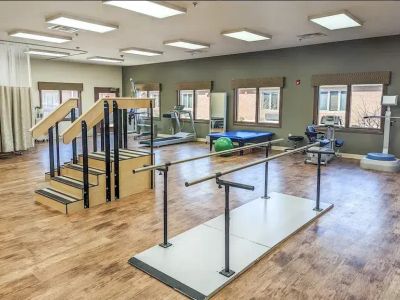
Bethel Pointe Health and Rehabilitation Center
Muncie, Indiana
3400 W Community Dr, Muncie, IN 47304
Get Personalized Rehab Matches in 60 Seconds
Tell us a few details and we’ll show a personalized shortlist of verified Indiana rehabs, making it simple to compare options and choose your next step with confidence.
Pinnacle Treatment Centers - 2209 John R Wooden Drive
Martinsville, Indiana
2209 John R Wooden Drive, 3rd Floor Martinsville, IN 46151
Why Trust Indiana Rehabs
As Hoosiers helping Hoosiers, we understand the unique challenges our communities face. Our team meticulously verifies every Indiana treatment center, ensuring you find trusted, local care that truly understands your journey.
About our listingsLevels of Care
Explore popular treatment options by levels of care, from flexible treatment in Outpatient centers to intensive care in Residential rehabs.
Free · 24/7 · Confidential
Talk to a Treatment Specialist
Call now to get matched with Indiana facilities that accept your insurance.
(888) 568-9930
Free
Ins. check
4.9★
Rating
HIPAA
Protected
Can't travel to a facility?
Licensed Indiana therapists via secure video — same-week appointments, evenings & weekends available.
There’s a certain thrill in pushing your body, feeling strong and accomplished after a good workout, but have you noticed your commitment to fitness starting to take over, controlling your schedule, your thoughts, maybe even your happiness? If the line between healthy dedication and compulsion feels blurry, you’re not alone, and that tug-of-war inside is more common than you might think. Spotting these signs is a powerful first step, and there are real, accessible ways in Indiana to find support and restore a healthier, more balanced relationship with exercise.
What is exercise addiction?
At its core, exercise addiction is a behavioral addiction where the healthy pursuit of fitness turns into a compulsive, unhealthy drive. It's not about loving a good run; it's about feeling like you *can't* function without it. Someone with an exercise addiction isn't just dedicated, they're dependent. Their physical activity starts to cause harm, damaging their health, straining relationships, and disrupting daily life. While it might start with a simple goal like improving health, it slowly becomes the only thing that matters.
The key difference lies in your "why." Are you exercising to feel good, or are you exercising to stop feeling bad? Healthy exercise is a choice you make to enhance your life. Compulsive exercise feels like a demand you can't ignore. This happens because intense physical activity triggers the brain's reward system, releasing feel-good chemicals like endorphins and dopamine. Over time, the brain can become dependent on this chemical rush, creating a cycle of addictive behaviors that mirrors substance use disorders. It's a real condition, with studies showing that the risk for exercise addiction is significantly higher among adolescents in competitive sports[1]. To learn more about this condition, you can explore the details of understanding exercise addiction and how it develops.
| Aspect | Healthy Habit | Addictive Behavior |
|---|---|---|
| Motivation | Exercising for health, fun, or stress relief. | Feeling a compulsion to exercise, often to avoid anxiety or guilt. |
| Flexibility | Can take a rest day without distress. | Experiences intense withdrawal symptoms if a workout is missed. |
| Impact | Enhances overall quality of life. | Negatively affects relationships, work, and physical health. |
What are the signs and symptoms of exercise addiction?
It can be tough to see the line when you’re crossing it, especially when society praises dedication to fitness. How do you know if your relationship with exercise has become unhealthy? It often comes down to recognizing specific patterns in your behavior, your body, and your emotions. If you’re worried, looking at these signs of exercise addiction can bring clarity and help you understand what’s really going on.

Here’s a breakdown of common symptoms to watch for:
- Behavioral Signs: These are changes in your actions and priorities. You might find yourself sneaking in workouts, lying about how much you exercise, or canceling plans with friends and family to go to the gym instead. Exercise is no longer just a part of your life; it becomes the center of it, and you continue to increase the intensity or duration to get the same mood boost (also known as tolerance).
- Physical Signs: Your body often sends distress signals when it's being pushed too far. Constant soreness, fatigue that never seems to go away, and nagging injuries like stress fractures are clear indicators of excessive exercise. For women, it can disrupt the menstrual cycle. Instead of feeling energized, you feel perpetually worn out.
- Emotional Signs: This is where the internal struggle really shows up. If you're forced to miss a workout, do you feel intense anxiety, irritability, or guilt? That's a classic sign of withdrawal symptoms. The joy you once got from moving your body may be replaced by a sense of obligation or dread. Research confirms a strong link between exercise addiction and other psychosocial health risks, including increased anxiety and symptoms of depression[1].
Risk Factors for Developing Exercise Addiction
No one sets out to develop an addiction to exercise. It usually grows from a combination of personality traits, underlying emotional struggles, and life pressures. This behavioral addiction rarely appears on its own; it's often intertwined with other challenges. Certain risk factors can make someone more vulnerable to crossing the line from healthy habit to compulsion.
Key risk factors include personality traits like perfectionism and low self-esteem. When your self-worth is tied to achieving impossible standards, exercise can become a way to feel in control or prove your value. People with obsessive-compulsive tendencies may also be at higher risk. Additionally, those who participate in competitive sports may face increased pressure that can fuel addictive behaviors[1]. Perhaps the most significant risk factor is the presence of co-occurring disorders, particularly issues related to body image and eating.
Exercise Addiction and Eating Disorders
There's an incredibly strong connection between compulsive exercise and disordered eating. For many, excessive exercise isn't about the activity itself but is used as a compensatory behavior, a way to "earn" the right to eat or to "punish" oneself for consuming calories. This is sometimes called secondary exercise addiction, where the primary driver is a desire for weight loss or body control.
Statistics show that an estimated 39-48% of people with eating disorders also struggle with exercise addiction. In these cases, the two conditions are deeply entangled. The exercise provides a sense of control over one's body that feels powerful, even as it causes physical and psychological harm. Because of this overlap, successful recovery depends on treating both the disordered eating and the compulsive exercise at the same time. Addressing one without the other often leaves the root cause of the distress untreated, making relapse more likely.
Treatment for exercise addiction
Finding your way back to a healthy relationship with exercise is absolutely possible. The goal of exercise addiction treatment isn't usually complete abstinence, but rather finding balance. It’s about learning to enjoy movement again without the compulsion, guilt, and negative consequences. Recovery focuses on healing the underlying issues that fuel the addiction.

Therapy is the cornerstone of treatment. Several approaches are effective for addictive behaviors, including:
- cognitive behavioral therapy (CBT): This therapy helps you identify and challenge the unhealthy thought patterns and beliefs that drive compulsive exercise. A therapist can help you develop new, healthier ways of thinking about your body, self-worth, and fitness. Learning about cognitive-behavioral therapy can give you a better idea of how it works.
- dialectical behavior therapy (DBT): DBT is useful for managing the intense emotions, like anxiety and guilt, that come with missing a workout. It teaches skills in mindfulness, emotional regulation, and distress tolerance.
Because exercise addiction often co-exists with eating disorders or other mental health conditions, a team-based approach is often best. This might include a therapist, a dietitian to help with nutrition, and a physician to monitor physical health. In Indiana, treatment providers are certified to ensure they offer evidence-based care for addiction and mental health[2]. Unlike some substance addictions, primary exercise addiction rarely requires inpatient care. Most people can find success through outpatient treatment programs that allow them to integrate recovery into their daily lives[3]. You can use official state resources to find Indiana treatment providers certified to help with behavioral addictions.
Begin Your Recovery Journey in Indiana
Recognizing that your relationship with exercise might be causing more harm than good is a huge, courageous first step. It's the moment you open the door to change and begin to reclaim your life from compulsion. Remember, a healthy and joyful connection with movement is entirely possible, and you don’t have to find it on your own. There is no shame in asking for help; it's a sign of strength.
In Indiana, there are compassionate professionals ready to guide you toward a balanced life where you are in control, not the other way around. You can rediscover physical activity as a source of joy and well-being rather than anxiety and obligation. If you need immediate support, the SAMHSA National Helpline is a free, confidential resource available 24/7.
Taking that first step toward recovery can feel overwhelming, but you don't have to navigate it alone. It's possible to build a life where fitness enhances your well-being instead of controlling it. The support you need is right here in Indiana. If you're ready to explore your options and find a path forward, call us at (888) 568-9930 to speak with someone who understands. At Indiana Rehabs, we can help you find the right support. To start your journey today, please contact us and let us help you find the care you deserve.
Frequently Asked Questions About Exercise Addiction Treatment in Indiana
How is exercise addiction diagnosed?
Can you just stop being addicted to exercise on your own?
Why does exercise addiction often occur with eating disorders?
What treatment options are available for exercise addiction in Indiana?
- Mayolas-Pi, C. et al. (2025). Exercise addiction and psychosocial health risks among adolescents in competitive and non-competitive sports. Psicothema. pubmed.ncbi.nlm.nih.gov
- Indiana Division of Mental Health and Addiction. (n.d.). About DMHA. Indiana Family and Social Services Administration. in.gov
- Substance Abuse and Mental Health Services Administration. (n.d.). Home. SAMHSA. samhsa.gov