Flualprazolam Rehabs

Showing 3 of 3 Results (filtered)
Featured Rehab Centers

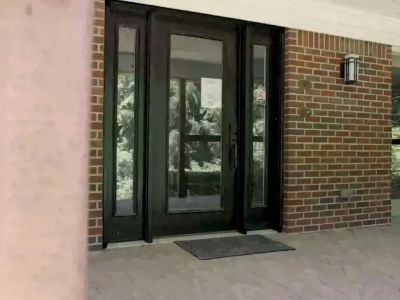
Addiction Rehab Centers - ARC at Fox Hill | Drug & Alcohol Rehab - Mooresville Indiana
Mooresville, Indiana
12168 N Mann Rd, Mooresville, IN 46158
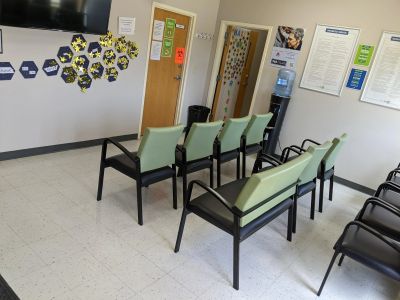
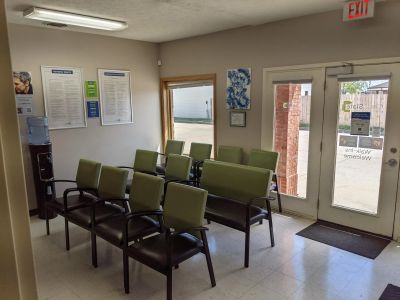

CleanSlate Outpatient Addiction Medicine
Lafayette, Indiana
30 Professional Ct #2A, Lafayette, IN 47905


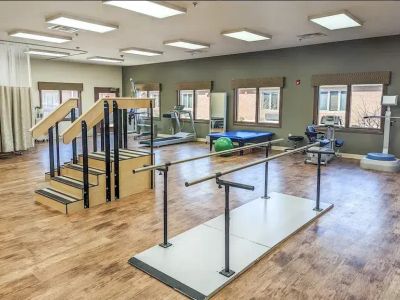
Bethel Pointe Health and Rehabilitation Center
Muncie, Indiana
3400 W Community Dr, Muncie, IN 47304
Get Personalized Rehab Matches in 60 Seconds
Tell us a few details and we’ll show a personalized shortlist of verified Indiana rehabs, making it simple to compare options and choose your next step with confidence.
Why Trust Indiana Rehabs
As Hoosiers helping Hoosiers, we understand the unique challenges our communities face. Our team meticulously verifies every Indiana treatment center, ensuring you find trusted, local care that truly understands your journey.
About our listingsLevels of Care
Explore popular treatment options by levels of care, from flexible treatment in Outpatient centers to intensive care in Residential rehabs.
Free · 24/7 · Confidential
Talk to a Treatment Specialist
Call now to get matched with Indiana facilities that accept your insurance.
(888) 568-9930
Free
Ins. check
4.9★
Rating
HIPAA
Protected
Can't travel to a facility?
Licensed Indiana therapists via secure video — same-week appointments, evenings & weekends available.
Across Indiana, the surge in unregulated “designer” benzodiazepines like flualprazolam has created an uncertain and frightening landscape, imagine stumbling upon pills that look familiar but have no markings, their true contents a mystery. This hidden danger leaves too many at risk for accidental overdose, especially when these substances are unknowingly mixed with fentanyl or other drugs. Yet even in the face of these unsettling risks, there are real, dependable paths to safety and recovery waiting for anyone who needs them.
What to know
Flualprazolam is a potent, unregulated "designer" drug that belongs to the benzodiazepine class of substances, but you won't find it at a pharmacy. It was created for research and never approved for medical use, which means it’s produced in illicit labs without any safety controls.[1] Because there’s no regulation, the dosage, purity, and contents of these drugs are completely unknown, creating a high risk of accidental overdose and severe toxicity. The primary danger comes from polysubstance use, where flualprazolam is taken with other drugs, often unknowingly.
Tragically, these combinations can be fatal. For instance, one man’s death was caused by an accidental overdose of cocaine, fentanyl, flualprazolam, and isotonitazene, a synthetic opioid. This heartbreaking example shows just how dangerous these hidden substances can be. Flualprazolam often appears in counterfeit pills, disguised as legitimate medications like Xanax, but frequently contaminated with deadly doses of fentanyl. The presence of benzodiazepines in overdose deaths in Indiana is a growing concern, highlighting the urgent need for awareness and caution.[2]
Benzo Toxicity/Overdose Symptoms
Can you overdose on benzos? Yes, absolutely. A benzodiazepine overdose is a serious medical emergency that can be fatal, especially when these drugs are mixed with other substances like opioids or alcohol. The primary danger is severe respiratory depression, where breathing becomes dangerously slow and shallow. The toxicity of high-potency benzodiazepines like flualprazolam amplifies these effects, increasing the risk of life-threatening complications.[3]
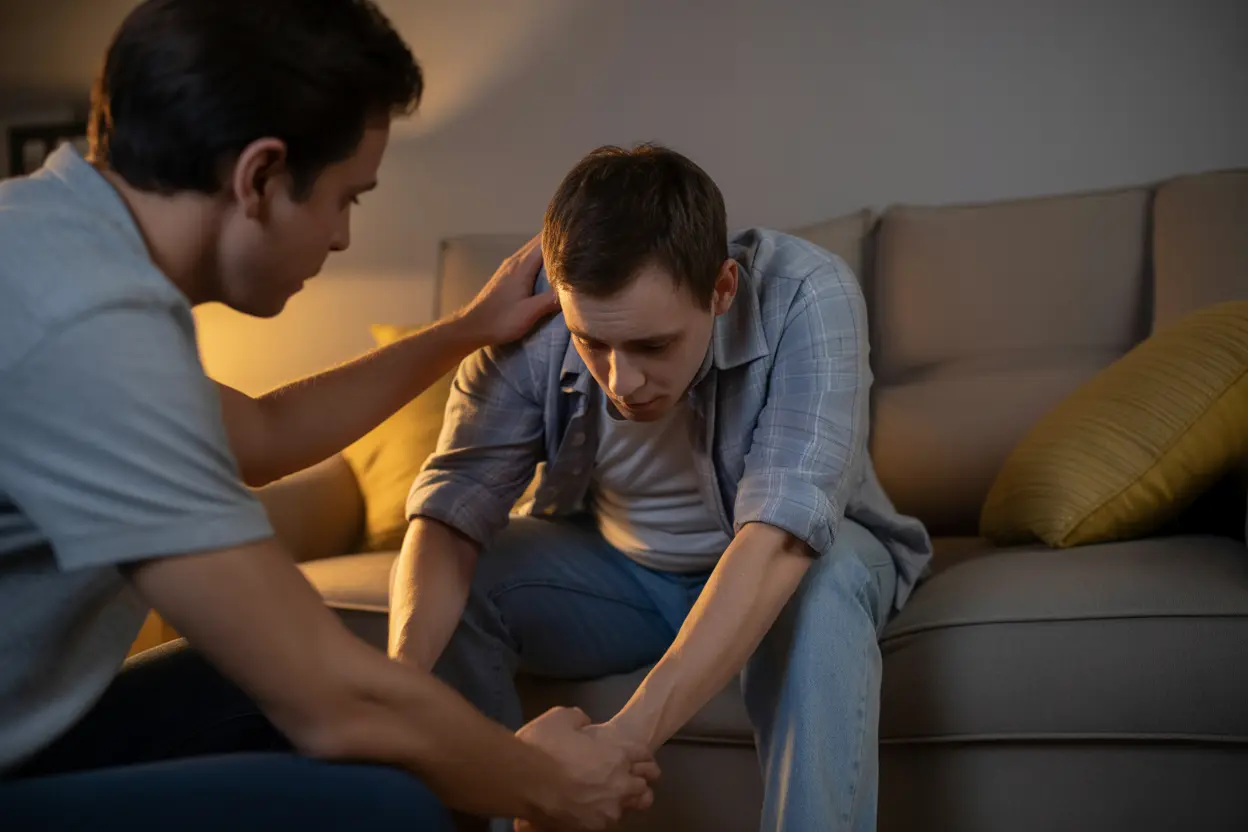
Recognizing the signs of a benzodiazepine overdose can save a life. If you see someone experiencing these symptoms, it’s critical to act immediately. The signs of toxicity and overdose include:
- Extreme drowsiness or inability to stay awake
- Confusion, disorientation, and dizziness
- Slurred or incoherent speech
- Poor coordination and loss of balance (ataxia)
- Weak, shallow, or stopped breathing (respiratory depression)
- Blue-tinged lips or fingernails from lack of oxygen
- Loss of consciousness or unresponsiveness
These symptoms become far more severe and dangerous when benzodiazepines are combined with alcohol or opioids. This combination dramatically increases the risk of a fatal overdose because both substances suppress the central nervous system.
What To Do During a Benzodiazepine Overdose
Witnessing an overdose can be terrifying, but knowing what to do can make all the difference. If you suspect someone is experiencing a benzodiazepine overdose, treat it as a medical emergency and act fast. Your first and most important step is to call 911 immediately. Don't wait. Emergency medical professionals have the training and equipment to manage the situation safely.
Because flualprazolam is often mixed with opioids like fentanyl, you should administer naloxone (Narcan) if it’s available. It’s important to understand that naloxone only reverses the effects of opioids, not benzodiazepines.[4] However, since you can't know for sure what substances were taken, giving naloxone could reverse a deadly opioid-induced respiratory depression and save the person's life. While you wait for help to arrive, stay with the person and monitor their breathing. If they are unconscious but still breathing, carefully roll them onto their side into the recovery position. This helps keep their airway clear and prevents them from choking. Never try to manage an overdose at home, professional medical help is essential.
Withdrawal Symptoms
Stopping potent benzodiazepines like flualprazolam abruptly is not just difficult, it's incredibly dangerous. The body becomes physically dependent on the substance, and sudden cessation can trigger severe and potentially life-threatening withdrawal symptoms. Benzodiazepine withdrawal syndrome can be one of the most challenging and risky detox processes, which is why medical supervision is non-negotiable.[3]
Common withdrawal symptoms can range from deeply uncomfortable to life-threatening. They often include intense anxiety, panic attacks, insomnia, muscle pain, and tremors. In more severe cases, individuals can experience hallucinations, psychosis, and grand mal seizures, which can be fatal. The only safe way to stop using benzodiazepines after developing a dependence is through a medically supervised detox. In a professional setting, doctors create a tapering plan, gradually reducing the dosage over time. This approach minimizes the risks of severe withdrawal symptoms, manages discomfort, and provides a safe foundation for beginning the journey toward recovery from addiction.
Benzodiazepine Overdose Treatment
Moving from the grip of addiction to a life of recovery is a journey that starts with the right support. For anyone struggling with flualprazolam or other benzodiazepines, professional addiction treatment isn't just an option, it's a lifeline. The path to healing is structured to provide safety, stability, and the tools needed for long-term success. This continuum of care ensures you receive the right level of support at every stage.[5]
Treatment for a substance use disorder typically follows several levels of care:

- Medical Detox: The first step is safely managing withdrawal symptoms under 24/7 medical supervision.
- Inpatient/Residential Rehab: This provides an immersive, structured environment where you can focus entirely on recovery away from daily triggers.
- Partial Hospitalization Programs (PHP): A step down from residential care, PHP offers intensive therapy during the day while you live at home or in sober living.
- Intensive Outpatient Programs (IOP): IOP provides more flexibility, with therapy sessions held several times a week, allowing you to balance treatment with work or family responsibilities.
- Aftercare: Ongoing support through therapy, support groups, and alumni programs helps maintain long-term recovery.
Here at Indiana Rehabs, we want to make finding help as simple as possible. Our directory allows you to find licensed facilities right here in Indiana that fit your needs. You can filter your search by the level of care you need, your location, and your insurance provider. Since many people use benzodiazepines to self-medicate for anxiety or other mental health conditions, it's crucial to find a program that offers treatment for co-occurring disorders. Many facilities provide integrated care that addresses both the addiction and its underlying causes, often using therapies like cognitive behavioral therapy (CBT).[6]
Find Hope and Start Your Recovery Journey
Navigating the risks of a dangerous and unpredictable substance like flualprazolam can feel overwhelming, but you don't have to face it alone. Effective, compassionate, and professional help is available right here in Indiana to guide you toward safety and healing. Recovery is a journey, not a destination, and taking that first brave step is what matters most.
You have the strength to start building a healthier future. You can use our directory to explore addiction treatment services and filter options that are right for you or a loved one. If you’re ready to talk, our team is here to offer immediate, confidential guidance. Finding hope is possible, and your recovery journey can begin today. For more information, please visit us at Indiana Rehabs or contact us for help. You can also call us at (888) 568-9930 to speak with someone who understands and can help you take the next step.
Frequently Asked Questions About Flualprazolam Addiction Treatment in Indiana
What is the difference between flualprazolam and Xanax?
Why is flualprazolam so dangerous?
How do I know if I need rehab for benzodiazepine use?
How long does benzo rehab usually last?
Is it safe to detox from benzodiazepines at home?
What happens after detox for benzodiazepine addiction?
- Drug Enforcement Administration. (07-26-2023). Schedules of Controlled Substances: Temporary Placement of... Flualprazolam... in Schedule I. Federal Register. federalregister.gov
- Indiana Family and Social Services Administration. (2024). Drug Fact Sheet: Substance Use in Indiana, SFY 2024. Indiana Division of Mental Health and Addiction. in.gov
- Ait-Daoud, N., et al. (2018). A Review of Alprazolam Use, Misuse, and Withdrawal. Ochsner Journal. pmc.ncbi.nlm.nih.gov
- Substance Abuse and Mental Health Services Administration. (May, 2022). Medicaid Coverage of Medications to Reverse Opioid Overdose and Support Recovery. SAMHSA. library.samhsa.gov
- Substance Abuse and Mental Health Services Administration. (02-02-2024). Substance Use Disorders - Statutes, Regulations, and Guidelines. SAMHSA. samhsa.gov
- Indiana Health Coverage Programs. (06-16-2021). Substance Use Disorder (SUD)/Serious Mental Illness (SMI) Treatment. in.gov. in.gov