Gabapentin Rehabs

Showing 3 of 3 Results (filtered)
Featured Rehab Centers

Addiction Rehab Centers - ARC at Fox Hill | Drug & Alcohol Rehab - Mooresville Indiana
Mooresville, Indiana
12168 N Mann Rd, Mooresville, IN 46158

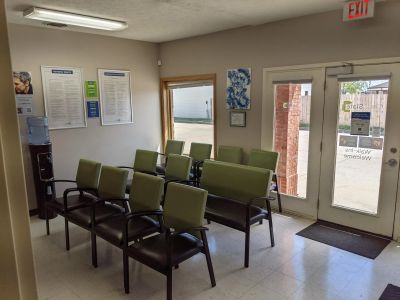

CleanSlate Outpatient Addiction Medicine
Lafayette, Indiana
30 Professional Ct #2A, Lafayette, IN 47905


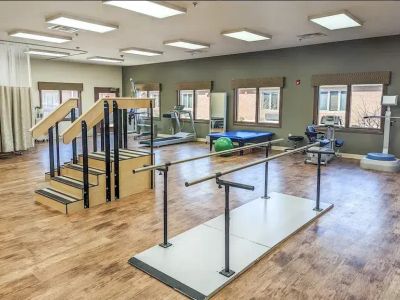
Bethel Pointe Health and Rehabilitation Center
Muncie, Indiana
3400 W Community Dr, Muncie, IN 47304
Get Personalized Rehab Matches in 60 Seconds
Tell us a few details and we’ll show a personalized shortlist of verified Indiana rehabs, making it simple to compare options and choose your next step with confidence.
Why Trust Indiana Rehabs
As Hoosiers helping Hoosiers, we understand the unique challenges our communities face. Our team meticulously verifies every Indiana treatment center, ensuring you find trusted, local care that truly understands your journey.
About our listingsLevels of Care
Explore popular treatment options by levels of care, from flexible treatment in Outpatient centers to intensive care in Residential rehabs.
Free · 24/7 · Confidential
Talk to a Treatment Specialist
Call now to get matched with Indiana facilities that accept your insurance.
(888) 568-9930
Free
Ins. check
4.9★
Rating
HIPAA
Protected
Can't travel to a facility?
Licensed Indiana therapists via secure video — same-week appointments, evenings & weekends available.
Gabapentin was once the fifth most prescribed medication in the United States, quietly becoming a staple in medicine cabinets across the country. While it might seem harmless, you may have noticed uneasy questions stirring, maybe you’re wondering if “just following doctor’s orders” has turned into something harder to manage. If the line between use and dependence is blurring, it’s not your fault, and you’re far from alone. The first step is understanding the risks, and here in Indiana, compassionate, effective help is within reach for starting your recovery.
What Is Gabapentin?
Gabapentin is an anticonvulsant medication most commonly known by brand names like Neurontin and Gralise. Doctors prescribe it to treat specific conditions, primarily certain types of seizures and nerve pain, such as the pain that can linger after a shingles infection[1]. While it’s not an opioid, it has gained attention for its potential for misuse and dependence, especially as prescriptions have grown significantly over the years[2]. Gabapentin works by altering electrical activity in the brain and influencing the way nerves send messages. Though it is an FDA-approved medication, it’s important to understand the risks that come with it, especially when it’s not taken exactly as prescribed.
How Does Gabapentin Work?
Think of your brain as a busy communication hub with messages constantly firing between nerve cells. Sometimes, this nerve activity can become overactive, leading to seizures or feelings of pain. Gabapentin steps in to calm things down. It’s believed to work by increasing the levels of a neurotransmitter called gamma-aminobutyric acid (GABA), which acts like a brake pedal for your brain. By boosting GABA, gabapentin helps reduce the excessive nerve activity, which can control seizures and block pain signals. This calming effect is why it can be effective for its intended uses, but it's also what contributes to its potential for misuse.
Signs Of A Gabapentin Addiction
Recognizing the signs of gabapentin misuse can feel confusing, especially when the medication was prescribed by a doctor. What starts as managing pain can slowly shift into dependence without you even realizing it. The signs of gabapentin addiction can be subtle at first, but they often grow more noticeable over time. It’s not just about taking the drug; it’s about how it starts affecting your physical health, your actions, and your daily life. Understanding these changes is the first step toward getting help for yourself or someone you care about.
Physical Symptoms
When someone is misusing gabapentin, their body often shows the strain. You might notice some of these physical symptoms:
- Persistent drowsiness or feeling overly tired
- Dizziness and trouble with balance or coordination
- Slurred speech or difficulty speaking clearly
- Blurred or double vision
- Uncontrolled, jerky movements
Behavioral Changes
Changes in behavior are often the clearest indicators that use has turned into misuse or addiction. Some of these red flags include:
- "Doctor shopping," or visiting multiple doctors to get more prescriptions. Indiana's prescription drug monitoring program, INSPECT, helps track this behavior[3].
- Taking higher doses of gabapentin than prescribed or using it more often.
- Lying about how much medication is being used or hiding it from others.
- Neglecting responsibilities at work, school, or home.
- Sudden mood swings, like irritability or agitation[4].
Risks of Gabapentin Abuse
While gabapentin is less potent than opioids, the risks of its abuse are serious and can be life-threatening. One of the greatest dangers comes from mixing it with other central nervous system depressants, like opioids, benzodiazepines, or alcohol. When combined, these substances can amplify each other’s effects, leading to severe respiratory depression, where breathing becomes dangerously slow and shallow. Between 2019 and 2020, gabapentin was involved in nearly one out of every ten overdose deaths in the U.S., and most of those cases also involved opioids[1]. Beyond the risk of overdose, misuse can also lead to an increased risk of accidents and falls due to dizziness and poor coordination. Over time, chronic abuse can take a toll on your mental and physical health, making it harder to function day to day.
Gabapentin Withdrawal Symptoms
If you’ve been taking gabapentin for a while, stopping suddenly can be a shock to your system, triggering a range of uncomfortable and sometimes dangerous withdrawal symptoms. Your body has gotten used to the medication, and it needs time to adjust. This is why a medically supervised detox is so important. Withdrawal is different for everyone, but many people experience a combination of physical and emotional symptoms. Safely managing these symptoms is a critical first step in recovery. Common gabapentin withdrawal symptoms include:
- Anxiety and agitation
- Insomnia or difficulty sleeping
- Nausea and stomach pain
- Sweating
- Headaches
- Muscle pain or aches
- Irritability and restlessness
In more severe cases, abruptly stopping gabapentin can lead to rebound seizures, even in people who have no history of them[5]. Because of these risks, professional oversight during detox is essential for safety and comfort. In Indiana, licensed detox facilities follow state-mandated guidelines to ensure your withdrawal is managed safely[6].
Gabapentin Addiction Treatment: Explore Treatments for Abuse

Recovering from gabapentin addiction is a journey, not a destination, and it starts with the right kind of support. Effective treatment for gabapentin misuse isn't a one-size-fits-all solution; it’s a continuum of care designed to meet you wherever you are[7]. This means your treatment plan is tailored to your unique needs, challenges, and goals. It often begins with safely managing withdrawal and then moves into therapy and counseling to address the root causes of the addiction. Whether you need an immersive, structured environment or a more flexible approach that fits around your life, there is a level of care that can help you build a foundation for lasting recovery. Indiana provides a strong framework for these treatment options, ensuring quality care is available[8].
Medical Detox
Medical detox is the essential first step in your recovery journey. It provides a safe, medically supervised environment where you can comfortably manage withdrawal symptoms. With 24/7 care from doctors and nurses, you’ll receive the support needed to get through this challenging phase without risking your health. Detoxification isn't just about getting the drug out of your system; it’s about stabilizing your body and mind so you’re ready for the deeper work of rehabilitation.
Inpatient Rehabilitation
For those needing a structured and immersive environment, inpatient or residential treatment offers a powerful path to recovery. In an inpatient rehab program, you live at the facility, which removes you from daily triggers and distractions. This allows you to focus completely on healing. Your days are filled with a structured schedule of individual therapy, group counseling, and other activities designed to help you understand your addiction and develop healthy coping skills. It’s a supportive community where you’re surrounded by peers and professionals who understand what you’re going through.
Outpatient Rehabilitation
Outpatient rehab provides a more flexible treatment option, allowing you to live at home and continue with many of your daily responsibilities while attending therapy sessions at a facility. This level of care is often a good fit for people with milder addictions or as a step-down from an inpatient program. There are different intensities of outpatient care, including partial hospitalization programs (PHP) and intensive outpatient programs (IOP), which offer varying hours of therapy per week to fit your needs.
How to Stop Taking Gabapentin
If you’re ready to stop taking gabapentin, it’s crucial to do it safely. Quitting "cold turkey" can be dangerous, so the first step is always to speak with a medical professional. A doctor or an addiction specialist can help you create a gradual tapering plan, which slowly reduces your dose over time to minimize withdrawal symptoms. They’ll conduct a professional assessment to understand your usage history and overall health, ensuring your detox plan is safe and effective. Alongside a supervised taper, engaging in therapy and building a support system will help you address the reasons you started misusing the medication in the first place. Many people wonder about the cost of gabapentin rehab, but help is more accessible than you might think. Most insurance plans, including Medicaid in Indiana, cover addiction treatment, which often includes both detox and therapy[9][10]. A confidential call can help you verify your benefits and explore affordable care options.
Gabapentin Rehab Near Me
For those of us here in Indiana, finding a local gabapentin rehab facility is a critical step toward recovery. Having care close to home means you can build a support network that will be there for you long after treatment ends. When searching for treatment centers, it’s important to choose a program that is licensed and accredited, as this ensures they meet high standards of care[6]. Don’t hesitate to ask questions. Inquire about their experience with prescription drug addiction and what types of therapies they offer. Resources like the Indiana Division of Mental Health and Addiction can help you find state-approved providers. Our directory of Indiana treatment centers is also a great place to start exploring vetted, compassionate programs right here in your community.
Your Path to Recovery Starts Here
Facing gabapentin misuse can feel overwhelming, but it’s a challenge you don’t have to face alone. Recovery is more than possible, it’s a reality for so many people who have taken the brave first step to ask for help. With professional guidance, a supportive community, and a commitment to your well-being, you can reclaim your health and build a life free from dependence. Your journey to a brighter future starts with one simple action.
If you're ready to explore your options, our team at Indiana Rehabs is here to help. You can call us at (888) 568-9930 for a confidential conversation or contact us online to find the right path for you. At Indiana Rehabs, we connect you with the resources and support you need to start your journey to recovery.
Frequently Asked Questions About Gabapentin Treatment in Indiana
Is gabapentin a narcotic?
How long does gabapentin withdrawal last?
Why do doctors still prescribe gabapentin?
Is gabapentin rehab covered by insurance?
- (September 27, 2024). Number of overdoses linked to gabapentin growing. Partnership to End Addiction. drugfree.org
- Ma, L., et al. (October, 2022). Association of state-imposed restrictions on gabapentin with prescribing and opioid co-prescribing. JAMA Network Open. pmc.ncbi.nlm.nih.gov
- (January 19, 2021). INSPECT: News & Important Announcements. Indiana Professional Licensing Agency. in.gov
- Smith, R. V., Lofwall, M. R., & Havens, J. R. (April, 2021). A qualitative examination of gabapentin misuse, motivations, and experiences in a rural Appalachian population. Psychology of Addictive Behaviors. pmc.ncbi.nlm.nih.gov
- Hattapoglu, S., et al. (2018). Gabapentin withdrawal in a depressed patient - a case report. Alpha Psychiatry. alpha-psychiatry.com
- Certification and Licensure Rules and Indiana Code. Indiana Family and Social Services Administration. in.gov
- Albanese, M. J., et al. (August, 2019). Gabapentin prescribed during substance abuse treatment: a qualitative study of addiction professionals. Journal of Substance Abuse Treatment. pmc.ncbi.nlm.nih.gov
- (August, 2021). Indiana | State Residential Treatment for Behavioral Health. U.S. Department of Health & Human Services. aspe.hhs.gov
- Prescription Drugs. Medicaid.gov. medicaid.gov
- (December 1, 2022). IHCP bulletin BT2022110. Indiana Health Coverage Programs. in.gov