Gabapentinoids Rehabs

Showing 4 of 4 Results (filtered)
Featured Rehab Centers

Addiction Rehab Centers - ARC at Fox Hill | Drug & Alcohol Rehab - Mooresville Indiana
Mooresville, Indiana
12168 N Mann Rd, Mooresville, IN 46158

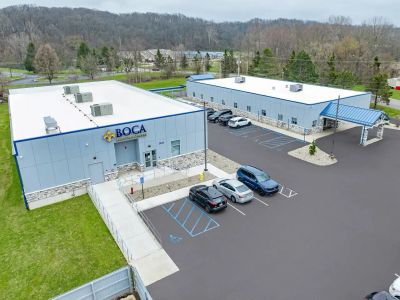

Boca Recovery Center - Indiana Drug and Alcohol Rehab
Huntington, Indiana
3040 W Park Dr, Huntington, IN 46750


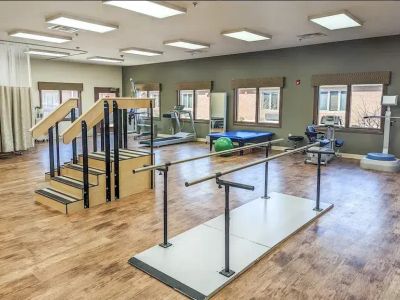
Bethel Pointe Health and Rehabilitation Center
Muncie, Indiana
3400 W Community Dr, Muncie, IN 47304
Get Personalized Rehab Matches in 60 Seconds
Tell us a few details and we’ll show a personalized shortlist of verified Indiana rehabs, making it simple to compare options and choose your next step with confidence.
Pinnacle Treatment Centers - 2209 John R Wooden Drive
Martinsville, Indiana
2209 John R Wooden Drive, 3rd Floor Martinsville, IN 46151
Why Trust Indiana Rehabs
As Hoosiers helping Hoosiers, we understand the unique challenges our communities face. Our team meticulously verifies every Indiana treatment center, ensuring you find trusted, local care that truly understands your journey.
About our listingsLevels of Care
Explore popular treatment options by levels of care, from flexible treatment in Outpatient centers to intensive care in Residential rehabs.
Free · 24/7 · Confidential
Talk to a Treatment Specialist
Call now to get matched with Indiana facilities that accept your insurance.
(888) 568-9930
Free
Ins. check
4.9★
Rating
HIPAA
Protected
Can't travel to a facility?
Licensed Indiana therapists via secure video — same-week appointments, evenings & weekends available.
It's a common prescription for nerve pain or seizures, a little bottle tucked away in so many Indiana medicine cabinets. With over 70 million prescriptions dispensed across the country each year, gabapentin can feel routine, even harmless at first. But sometimes, what starts as helpful relief quietly shifts into something harder to control. If you're worried about where you stand with gabapentin, know that hope and trusted support are close by, and a brighter path forward is possible right here in Indiana.
What Is Gabapentin?
Gabapentin is a prescription medication, often known by brand names like Neurontin or Gralise. It’s primarily approved to treat certain types of seizures in people with epilepsy and to relieve nerve pain, often from shingles. However, doctors also frequently prescribe it for "off-label" uses, such as managing anxiety, fibromyalgia, and alcohol withdrawal symptoms. Because it isn't an opioid, many people believe it’s a completely safe alternative for pain management, but this perception can sometimes lead to unintentional misuse. This medication is part of a class of drugs called gabapentinoids, which are seeing a rise in prescriptions across the country[1]. Understanding how it works and the risks involved is the first step in recognizing when its use has become a problem, which is a common concern with many types of prescription medications.
How Does Gabapentin Work?
Gabapentin works by calming overactive nerve cells in the brain. Think of it like a dimmer switch that turns down the volume on nerve signals that cause seizures or pain. It does this by affecting the calcium channels in nerve cells, which helps reduce the release of certain neurotransmitters[2]. It's a common misunderstanding that gabapentin directly works on the brain’s GABA receptors, which are the main "calm down" messengers in your nervous system. While its name sounds similar to GABA, its primary action is different. Learning about the specifics of what gabapentin is can help clarify how this drug affects the body and mind.
Signs Of A Gabapentin Addiction
Recognizing an addiction to gabapentin goes beyond just noticing that you’re physically dependent on the drug. It’s about a pattern of compulsive use that continues even when it starts causing problems in your life. One or two signs on their own may not mean much, but if you see a consistent pattern of these symptoms in yourself or a loved one, it could be a signal that it’s time to reach out for support. These signs of misuse often fall into physical, behavioral, and psychological categories.
Physical Symptoms
When someone is misusing gabapentin, their body often shows telltale signs. Because the drug slows down the brain, these physical symptoms can become more pronounced and persistent. Keep an eye out for:
- Constant drowsiness or fatigue
- Dizziness and unsteadiness
- Poor coordination or clumsiness[3]
- Blurred or double vision
- Noticeable tremors or shaking
- Slurred speech
Behavioral Changes
Addiction often changes a person's behavior and priorities. The need for the drug can start to overshadow everything else, leading to actions that are out of character. Some common behavioral red flags include:
- Taking higher or more frequent doses than prescribed
- "Doctor shopping," or visiting multiple doctors to get more prescriptions
- Lying about symptoms to obtain the drug
- Withdrawing from friends, family, and activities once enjoyed
- Neglecting responsibilities at work, school, or home
- Trying to stop or cut down on use but being unable to do so[4]
Psychological Signs
The mental and emotional signs of gabapentin misuse can be just as telling as the physical ones. These often relate to mood, thought patterns, and emotional stability. Look for:
- Feeling a sense of euphoria or a "high" from the drug
- Unexplained mood swings, from irritability to calm
- Increased anxiety, agitation, or restlessness, especially when the drug wears off
- Obsessive thoughts about when and how to get and use more gabapentin
- Depression or feelings of hopelessness
Risks of Gabapentin Misuse and Addiction
While gabapentin can be a helpful medication, misusing it carries serious health risks. Over time, chronic abuse can lead to long-term health problems, including potential musculoskeletal issues[5]. However, the most immediate and life-threatening danger comes from mixing gabapentin with other substances. When taken with other central nervous system depressants like opioids, benzodiazepines, or alcohol, the effects are amplified, dramatically increasing the risk of respiratory depression. This is a condition where breathing becomes dangerously slow and shallow, which can lead to a fatal overdose.
This dangerous interaction has been linked to a significant increase in the number of deaths involving gabapentin, with a high percentage of these cases also involving opioids[6]. Beyond the physical dangers, gabapentin addiction can also take a heavy toll on your life. It can strain relationships with family and friends, cause financial trouble, and make it difficult to keep up with work or school. The harm isn't just to your health; it ripples out into every part of your life.
Gabapentin Withdrawal Symptoms

If you’ve been taking gabapentin for a while, your body can become physically dependent on it. This means that if you suddenly stop or drastically reduce your dose, you'll likely experience withdrawal symptoms. Quitting "cold turkey" isn't just unpleasant, it can be dangerous and may even trigger seizures. That's why a medically supervised tapering plan is so important for your safety[7]. Common withdrawal symptoms include:
- Anxiety, agitation, and restlessness
- Insomnia and difficulty sleeping
- Nausea, vomiting, and stomach pain
- Increased pain sensitivity
- Sweating and tremors
- Confusion or disorientation
- Heart palpitations
How Long Does Neurontin Withdrawal Last?
How long withdrawal from gabapentin lasts can vary from person to person. It depends on factors like how long you've been taking the drug, your typical dose, and your unique body chemistry. Generally, acute withdrawal symptoms start within 12 hours to 7 days after the last dose. For most people, this initial, most intense phase of withdrawal lasts for about a week to 10 days. However, some individuals may experience post-acute withdrawal symptoms (PAWS), which can include milder, lingering symptoms like mood swings, anxiety, and sleep issues that come and go for weeks or even months. This is why ongoing support after the initial detox period is so crucial for lasting recovery. Seeking help through medically supervised detox can make this process safer and more manageable.
Types of Gabapentin Abuse Treatments

When you're ready to seek help for gabapentin addiction, it's good to know there are different paths to recovery. There isn't a single approach that works for everyone, so treatment is tailored to your specific needs. The right level of care for you will depend on factors like the severity of your addiction, whether you have any co-occurring mental health conditions, and the stability of your home environment. Here in Indiana, you have access to a range of addiction treatment programs designed to support you at every stage of your journey.
Medical Detox
For many, medical detox is the very first step. It provides a safe, controlled setting where you can manage the physical symptoms of withdrawal under the care of medical professionals. With 24/7 supervision, healthcare providers can help keep you comfortable and, most importantly, safe from potential complications like seizures. This initial phase helps stabilize your body so you can focus on the deeper work of recovery.
Inpatient Rehabilitation
Inpatient, or residential, rehabilitation involves living at a treatment facility for a set period, typically from 30 to 90 days. This level of care offers a highly structured, trigger-free environment where you can fully immerse yourself in recovery. It's an excellent option for those with severe addiction or an unstable home life. Inpatient programs provide intensive individual and group therapy, medical care, and constant support from staff and peers. All licensed residential facilities in Indiana are required to be certified and follow established criteria to ensure high-quality care[8].
Outpatient Rehabilitation
Outpatient programs offer more flexibility, allowing you to live at home while attending treatment sessions at a facility during the day or evening. This is a great fit for people with a strong support system at home and less severe addiction, or as a step-down from inpatient care. There are different intensities, including partial hospitalization programs (PHP) and intensive outpatient programs (IOP), that provide several hours of therapy per week. This structure allows you to continue with work, school, or family responsibilities while still receiving the support you need, as governed by state regulations for addiction treatment providers[9].
How Much Does Gabapentin Rehab Cost?
It's natural to worry about the cost of rehab, but don't let that stop you from exploring your options. The price of gabapentin addiction treatment can vary quite a bit based on several factors. For example, inpatient rehab generally costs more than outpatient programs because it includes housing, meals, and 24/7 care. Other factors that influence the final cost include the length of your stay, the specific location of the facility in Indiana, and the types of therapies and amenities offered.
Many people use health insurance to help cover the cost of treatment. Most private insurance plans, as well as state-funded programs like Indiana Medicaid, offer coverage for substance abuse treatment[10]. Other payment options may include private pay or sliding scale fees. The best way to get a clear picture of your potential costs is to reach out to a treatment center and have them verify your insurance coverage.
Take the First Step: Find Gabapentin Addiction Rehab in Indiana
Making the decision to seek help is a courageous first step, and it’s important to remember that you don’t have to walk this path alone. Overcoming an addiction to gabapentin is entirely possible with the right guidance and support. Your journey to recovery begins with the simple choice to reach out and ask for help. In Indiana, a network of caring professionals is ready to help you build a healthier, brighter future.
As a neutral directory, our mission is to connect you with the resources you need to heal. We don't provide treatment ourselves, but we can help you find licensed and vetted treatment facilities across Indiana that fit your needs. You can start by exploring your options and understanding your coverage. Every recovery story starts somewhere, and yours can start today. Taking that first step is the most powerful thing you can do.
Remembering that you deserve support is key. Healing is a journey, not a destination, and every small step forward is a victory. If you’re ready to talk, our compassionate team is available 24/7 to listen without judgment. Call us at (888) 568-9930 to discuss your options, or explore our directory at Indiana Rehabs to find a path that feels right for you. You can also reach out through our contact page. A better future is waiting for you.
Frequently Asked Questions About Gabapentin Addiction Treatment in Indiana
What shouldn't you take with gabapentin?
Does insurance cover gabapentin addiction treatment?
What is the difference between inpatient and outpatient rehab for gabapentin addiction?
Can you stop taking gabapentin suddenly?
Are there support groups for prescription drug addiction?
- (2022). Association of State-Imposed Restrictions on Gabapentin with Dispensing Trends. PubMed Central. pmc.ncbi.nlm.nih.gov
- (Aug. 15, 2021). Gabapentinoid Pharmacology in the Context of Emerging Misuse. The Journal of Clinical Pharmacology. accp1.onlinelibrary.wiley.com
- (2024). Risk of adverse outcomes during gabapentinoid therapy. PubMed. pubmed.ncbi.nlm.nih.gov
- (2025). A Systematic Review of Qualitative Studies on Gabapentinoid Misuse and Dependence. PubMed Central. pmc.ncbi.nlm.nih.gov
- (Sep. 23, 2022). Effects of Gabapentin and Pregabalin on Calcium Homeostasis. PubMed Central. pmc.ncbi.nlm.nih.gov
- Partnership to End Addiction. (Sep. 27, 2024). Number of Overdoses Linked to Gabapentin Growing. Partnership to End Addiction. drugfree.org
- (2021). CPNP 2021 Annual Meeting Poster Abstracts. Mental Health Clinician. mhc.kglmeridian.com
- Indiana Medicaid. (Jun. 16, 2021). Substance Use Disorder (SUD)/Serious Mental Illness (SMI) Treatment. in.gov. in.gov
- Indiana Family and Social Services Administration. (Jul. 14, 2020). DMHA: Certification and Licensure Rules and Indiana Code. in.gov. in.gov
- Indiana General Assembly. (2022). Evaluation of the Indiana Medicaid Preferred Drug List Program, FY 2022. iga.in.gov. iga.in.gov