GHB Rehabs

Showing 3 of 3 Results (filtered)
Featured Rehab Centers

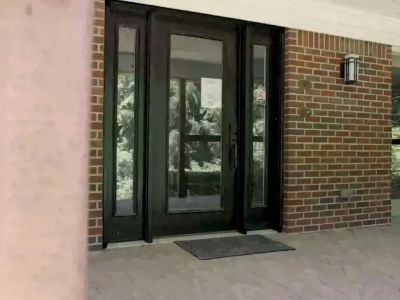
Addiction Rehab Centers - ARC at Fox Hill | Drug & Alcohol Rehab - Mooresville Indiana
Mooresville, Indiana
12168 N Mann Rd, Mooresville, IN 46158

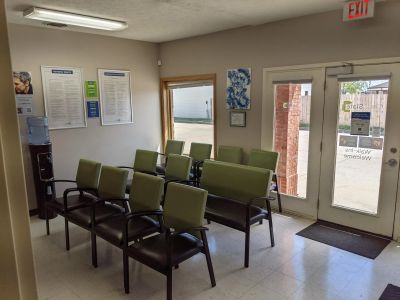

CleanSlate Outpatient Addiction Medicine
Lafayette, Indiana
30 Professional Ct #2A, Lafayette, IN 47905


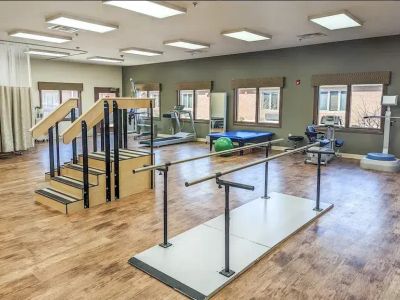
Bethel Pointe Health and Rehabilitation Center
Muncie, Indiana
3400 W Community Dr, Muncie, IN 47304
Get Personalized Rehab Matches in 60 Seconds
Tell us a few details and we’ll show a personalized shortlist of verified Indiana rehabs, making it simple to compare options and choose your next step with confidence.
Why Trust Indiana Rehabs
As Hoosiers helping Hoosiers, we understand the unique challenges our communities face. Our team meticulously verifies every Indiana treatment center, ensuring you find trusted, local care that truly understands your journey.
About our listingsLevels of Care
Explore popular treatment options by levels of care, from flexible treatment in Outpatient centers to intensive care in Residential rehabs.
Free · 24/7 · Confidential
Talk to a Treatment Specialist
Call now to get matched with Indiana facilities that accept your insurance.
(888) 568-9930
Free
Ins. check
4.9★
Rating
HIPAA
Protected
Can't travel to a facility?
Licensed Indiana therapists via secure video — same-week appointments, evenings & weekends available.
You might find yourself lying awake at night, replaying small changes you’ve noticed, someone you care about sleeping more during the day, disappearing for hours, or simply seeming a little off, and not knowing what to make of it. The fear and confusion can be overwhelming, especially when the words “GHB problem” start to whisper in the back of your mind. You’re not alone in feeling uncertain or scared, and reaching for understanding is already a meaningful step forward. With the right information and caring support close to home in Indiana, practical and hopeful steps toward recovery are truly within reach.
What is GHB?
Gamma-hydroxybutyrate, or GHB, is a powerful central nervous system (CNS) depressant, which means it slows down activity in the brain. This drug often appears as a colorless, odorless liquid, but it can also be found as a white powder or in capsule form[1]. Because of its liquid form and sedative effects, it has gained a reputation as a "club drug" and is sometimes called 'Liquid Ecstasy' or simply 'G.' Originally explored as an anesthetic, its use is now very limited, with a specific prescription available only for treating narcolepsy. When used illicitly, GHB produces feelings of euphoria and relaxation, but it also carries serious risks, including overdose and dependence[2]. Understanding more about GHB as a substance can help clarify the dangers it presents.
Symptoms of GHB Addiction
It can be tough to distinguish recreational use from a growing addiction, but the signs often become clearer over time. As a person’s body gets used to the drug, they develop a tolerance, meaning they need more of it to feel the same effects. This can quickly lead to physical dependence, where the brain and body adapt to the presence of GHB and struggle to function without it. If you’re worried about yourself or a loved one, here are some common symptoms of GHB abuse and addiction:

- Physical Symptoms: Unexplained drowsiness or dizziness, memory loss, nausea, and slowed breathing.
- Psychological Symptoms: Intense euphoria followed by sudden mood swings, confusion, anxiety, and strong cravings for the drug.
- Behavioral Symptoms: Withdrawing from friends and family, losing interest in hobbies, neglecting work or school responsibilities, and continuing to use GHB despite negative consequences in their life[3].
Recognizing these signs is a critical first step. Addiction is not a moral failing; it is a complex medical condition that affects a person’s brain and behavior[4].
GHB Withdrawal Symptoms
Stopping GHB after a period of dependence can be incredibly challenging and even dangerous without medical help. The withdrawal symptoms are often compared to those of alcohol or benzodiazepines and can begin within just a few hours of the last dose. A person going through GHB withdrawal may experience intense anxiety, insomnia, sweating, and tremors[5]. In severe cases, withdrawal can lead to life-threatening complications like delirium, hallucinations, dangerously high blood pressure, and seizures. One of the more unique risks is rhabdomyolysis, a condition where muscle tissue breaks down and releases damaging proteins into the blood. Due to these severe risks, attempting to detox from GHB at home is strongly discouraged. A medically supervised detox program provides the safest environment to manage these symptoms and begin the recovery process[6].
Types Of GHB Addiction Treatment
Finding freedom from GHB addiction is a journey, and it starts with the right support. The treatment process is designed to address both the physical and psychological aspects of dependence, giving you the tools to build a healthier life. It typically begins with medical detox, where healthcare professionals help you safely manage withdrawal symptoms in a controlled and comfortable environment. Once your body is stable, the real work of recovery begins through therapy and counseling. Treatment is not one-size-fits-all, and different programs offer varying levels of care to meet your needs. These often include inpatient or residential programs, where you live at the facility, and outpatient programs, which allow you to attend treatment while living at home. The core of any effective treatment plan is therapy. Through individual counseling, group sessions, and sometimes family therapy, you’ll explore the root causes of your addiction, develop coping strategies, and build a strong foundation for lasting recovery[7].

Inpatient Rehabilitation For GHB Addiction
For those facing a significant GHB addiction, inpatient rehab offers the most structured and intensive level of care. In this setting, you live at the treatment center 24/7, which removes you from the daily triggers and stressors that might fuel substance use. This constant support is especially vital during the early stages of recovery when cravings are strong and the risk of relapse is high. Inpatient GHB rehab is widely agreed to be the most effective because, away from old habits and negative influences, you have the chance to focus 100% on yourself and your recovery journey. You’ll have round-the-clock access to medical professionals and therapists who can help manage any lingering withdrawal symptoms and guide you through the healing process[8]. You can learn more about the different types of rehab available to find the best fit.
Find Rehab Services
Knowing you need help is one thing; finding it is another. If you're in Indiana, you don't have to navigate this process alone. There are compassionate and professional treatment centers across the state ready to support you. Taking that next step can feel daunting, but it’s a sign of incredible strength. Our confidential helpline is available to connect you with GHB rehab options right here in Indiana. When you call, a caring team member will listen to your story without judgment and help you understand your options. There's no pressure and no obligation to enroll. The goal is simply to give you the information you need to make the best choice for your life. You can also explore the Indiana certified treatment providers list to find a facility near you.
Taking the First Step Toward Recovery
GHB addiction is a serious and complex condition, but it’s important to remember that recovery is not just possible, it’s happening every day. Understanding the symptoms and knowing that effective treatment is available are the first crucial steps toward reclaiming your health and well-being. You have the strength to start this journey, and you don’t have to walk it alone. Hope and support are waiting for you.
When you're ready to take the next step, our team at Indiana Rehabs is here to help. You can call us at (888) 568-9930 to speak with someone who understands or contact us online. A brighter, healthier future is within your reach.
Frequently Asked Questions About GHB Rehab in Indiana
What are the long-term effects of GHB use?
How is GHB addiction diagnosed?
How long is rehab for GHB addiction?
What therapies are used in GHB rehab?
How much does GHB rehab cost in Indiana?
Does insurance cover GHB addiction treatment?
- Partnership to End Addiction. (10-26-2023). What is GHB?. Partnership to End Addiction. drugfree.org
- Busardò, F. P. et al. (02-09-2022). Current Insights on the Impact of Gamma-Hydroxybutyrate (GHB). Frontiers in Psychiatry. pmc.ncbi.nlm.nih.gov
- SA Health. (01-13-2020). Gamma hydroxy butyric acid (GHB) withdrawal management. SA Health. sahealth.sa.gov.au
- Bonnet, U. et al. (10-21-2023). Complications and outcome of GHB/GBL withdrawal in a specialized German detoxification unit. Toxics. pmc.ncbi.nlm.nih.gov
- Bureau of Justice Assistance. (n.d.). GUIDELINES FOR MANAGING SUBSTANCE WITHDRAWAL IN JAILS. Bureau of Justice Assistance. bja.ojp.gov
- Kamal, R. M. et al. (05-26-2021). Characterization of the GHB withdrawal syndrome. Journal of Clinical Medicine. pmc.ncbi.nlm.nih.gov
- Indiana Medicaid. (06-16-2021). Substance Use Disorder (SUD)/Serious Mental Illness (SMI) Treatment. Indiana Medicaid. in.gov
- Lejoyeux, M. et al. (2004). Baclofen and Gamma-Hydroxybutyrate Withdrawal. Alcohol and Alcoholism. pmc.ncbi.nlm.nih.gov