Hallucinogens (LSD, Mushrooms, PCP) Rehabs

Showing 0 of 0 Results (filtered)
No facilities found matching your filters.
Why Trust Indiana Rehabs
As Hoosiers helping Hoosiers, we understand the unique challenges our communities face. Our team meticulously verifies every Indiana treatment center, ensuring you find trusted, local care that truly understands your journey.
About our listingsLevels of Care
Explore popular treatment options by levels of care, from flexible treatment in Outpatient centers to intensive care in Residential rehabs.
Free · 24/7 · Confidential
Talk to a Treatment Specialist
Call now to get matched with Indiana facilities that accept your insurance.
(888) 568-9930
Free
Ins. check
4.9★
Rating
HIPAA
Protected
Can't travel to a facility?
Licensed Indiana therapists via secure video — same-week appointments, evenings & weekends available.
Featured Rehab Centers
Hallucinogens have a way of blurring the boundaries, not just between reality and imagination, but also between curiosity and concern. You might be wondering if what started as exploration has quietly shifted into something more troubling, either for yourself or someone you care about. When does that fine line get crossed, and where do you go for answers that actually help? Even though the topic can feel tangled and uncertain, there are clear, evidence-based ways forward here in Indiana, and you’re not alone in searching for understanding and support.
What are Hallucinogens?
Hallucinogens are a diverse group of drugs known for their ability to dramatically alter a person's perception of reality. These powerful substances can change the way you think, feel, and experience the world around you, often causing hallucinations, sensations and images that seem real but are not. The category of hallucinogens is broad, including a wide variety of different substances with their own unique effects.
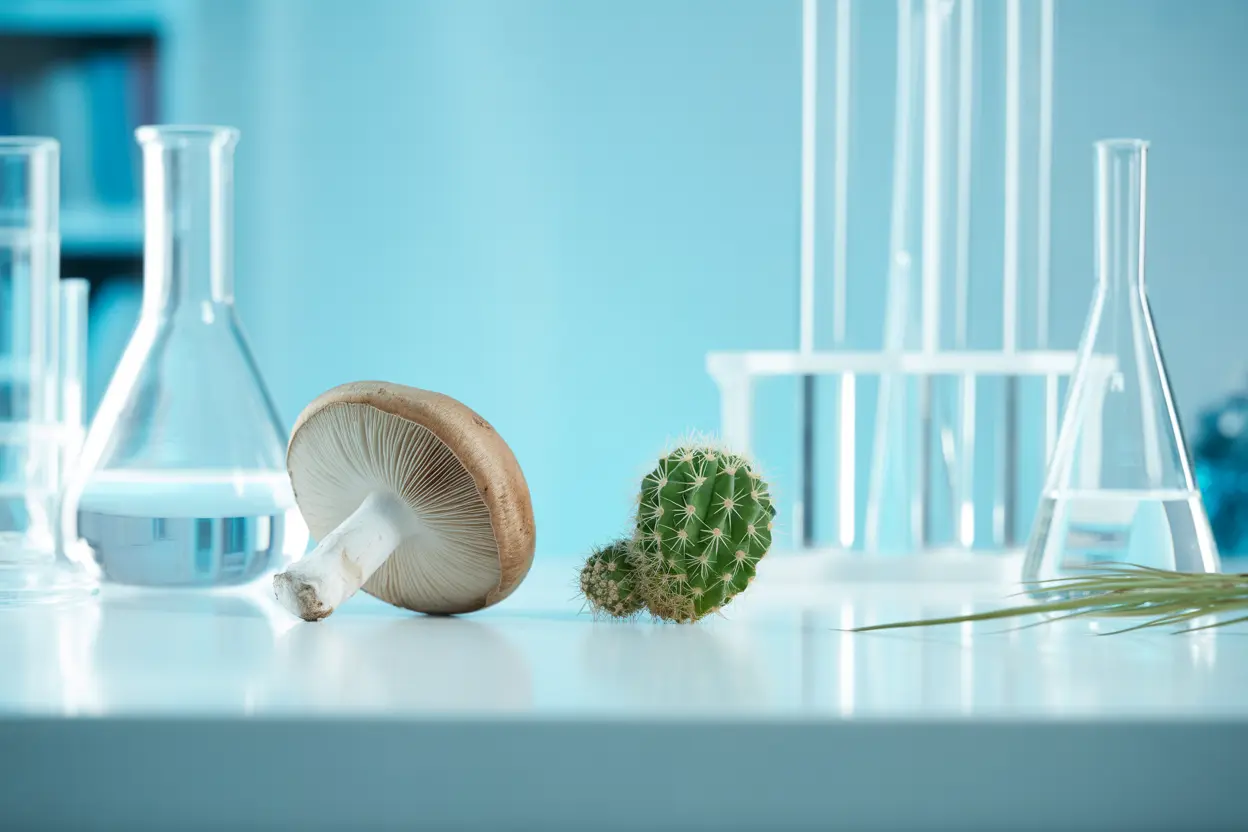
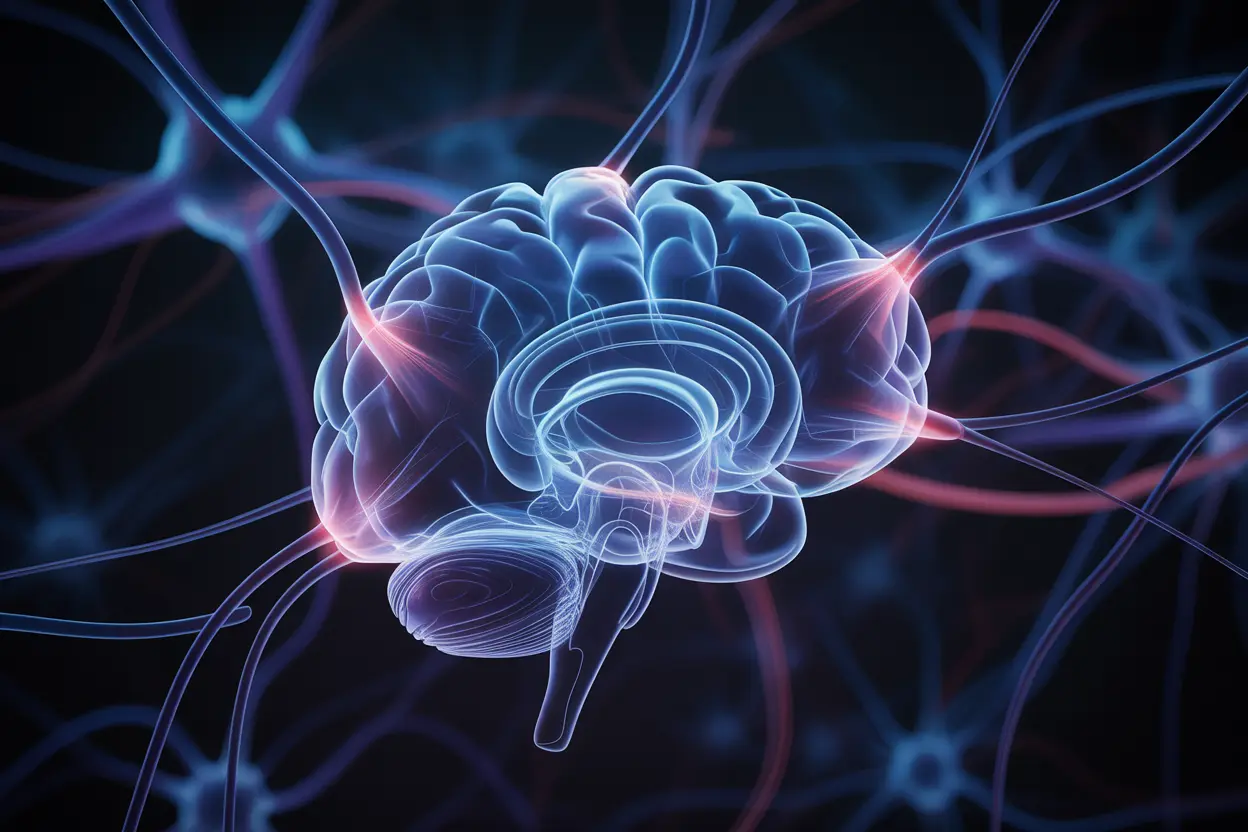
These drugs come from many sources. Some are found in nature, derived from plants and fungi, like psilocybin from certain mushrooms or mescaline from the peyote cactus. Others are created synthetically in laboratories, such as LSD. Regardless of their origin, these substances work by interacting with chemical systems in the brain. Most classic hallucinogens primarily affect the brain’s serotonin pathways. Serotonin is a neurotransmitter that plays a crucial role in regulating mood, sensory perception, sleep, and appetite. By disrupting this system, hallucinogens can produce profound changes in consciousness and perception.
While sometimes viewed as uncommon, hallucinogen use is more widespread than many realize. According to the National Survey on Drug Use and Health, in 2021, about 7.4 million people aged 12 or older reported using hallucinogens in the past year.[1] This highlights the importance of understanding these drugs, their effects, and the path to getting help when use becomes a problem.
Understanding Hallucinogen Addiction
When the use of hallucinogens starts to cause problems in your life, it may be a sign of what clinicians call a hallucinogen use disorder. This is the official term for an addiction to these substances. It’s defined by a pattern of use that leads to significant distress or impairment in your daily life. The criteria for diagnosis are outlined in the "Diagnostic and Statistical Manual of Mental Disorders" (DSM-5), the standard guide used by mental health professionals.
A hallucinogen use disorder isn’t about how often someone uses these drugs, but rather the impact that use has on their life. It’s about losing control and continuing to use them despite negative consequences. Several factors can increase the risk of developing this condition. A personal or family history of substance use, for instance, can make someone more vulnerable. Underlying mental health conditions like depression, anxiety, or trauma also play a significant role, as some people may use hallucinogens as a way to self-medicate or escape from emotional pain. Environmental factors, such as social circles where drug use is common or experiencing significant life stress, can also contribute to the development of a use disorder.
Are Hallucinogens Addictive?
This is a common and important question, and the answer is nuanced. Classic hallucinogens like LSD and psilocybin are not typically associated with physical dependence in the same way as substances like opioids or alcohol. This means that stopping their use usually doesn't cause severe physical withdrawal symptoms. However, this doesn't mean they aren't addictive.
Addiction is more about psychological and behavioral patterns. A person can develop a powerful psychological reliance on hallucinogens, feeling a compulsive need to use them to cope, escape, or feel normal. This is the core of a hallucinogen use disorder.[2]
Another key aspect is tolerance. With repeated use, your body may require larger or more frequent doses to achieve the same effects. This can lead to a dangerous cycle of escalating use. While research suggests that classic hallucinogens may be "weakly reinforcing" (meaning they are less likely to cause compulsive, repeated use compared to other drugs), a problematic pattern of use can still develop, leading to a diagnosable substance use disorder that requires professional treatment and support.[3]
Signs of Hallucinogen Addiction
Recognizing a hallucinogen use disorder can be challenging, but there are signs to look for. These symptoms are often grouped into different categories that reflect the various ways addiction can impact a person's life.
Behavioral Signs
- Spending a great deal of time obtaining, using, or recovering from the effects of hallucinogens.
- Using hallucinogens in situations where it is physically dangerous, such as while driving.
- Neglecting responsibilities at work, school, or home due to substance use.
- Continuing to use hallucinogens despite relationship problems caused or worsened by their effects.
- Giving up important social, occupational, or recreational activities because of use.
Physical Signs
- Noticeable tolerance, meaning more of the substance is needed to get the desired effect.
- Experiencing flashbacks or Hallucinogen Persisting Perception Disorder (HPPD), which involves re-experiencing sensory distortions from a previous trip.
- Disrupted sleep patterns or changes in appetite.
- Appearing disoriented or uncoordinated.
Cognitive Signs
- Difficulty concentrating, memory problems, or disorganized thoughts.
- Preoccupation with using hallucinogens, where thoughts about the drug dominate one's day.
- Using more of the substance or for a longer period than intended.
- A persistent desire or unsuccessful efforts to cut down or control use.
Psychosocial Signs
- Sudden and unexplained mood swings, including irritability, anxiety, or paranoia.
- Withdrawing from family and friends or becoming secretive.
- Loss of interest in hobbies and activities that were once enjoyed.
- Financial troubles that may be related to purchasing drugs.
Types of Hallucinogens
The term "hallucinogen" covers a wide range of substances, each with different properties and effects. Understanding these categories can help clarify the landscape of these drugs and their potential risks.[4] They are generally grouped into two main types: classic hallucinogens and dissociative drugs.
Common Classic Hallucinogens
Classic hallucinogens, also known as serotonergic drugs, primarily affect the brain's serotonin system. They are known for producing profound alterations in sensory perception, mood, and thought.
- LSD (lysergic acid diethylamide): A powerful synthetic chemical derived from a fungus that grows on rye and other grains. LSD is usually sold as small squares of blotter paper, tablets ("microdots"), or gelatin squares ("windowpanes"). Its effects can be long-lasting, often up to 12 hours, and can include intense visual and auditory hallucinations. Learn more about LSD addiction treatment.
- Psilocybin ("magic mushrooms"): A naturally occurring psychedelic compound found in certain species of mushrooms. These mushrooms are typically eaten, either fresh or dried, or brewed into a tea. The effects are similar to LSD but generally shorter, lasting about 4 to 6 hours.
- Peyote (mescaline): A small, spineless cactus that contains the psychoactive compound mescaline. The top of the cactus, or "crown," has disc-shaped buttons that are cut off, dried, and then chewed or soaked in water to create a psychoactive tea. Mescaline can also be produced synthetically.
Common Dissociative Drugs
Dissociative drugs work differently from classic hallucinogens. They primarily affect the glutamate system in the brain, which is involved in perception, memory, and environment response. These drugs can produce a sense of detachment from oneself and one's surroundings, almost like an "out-of-body" experience.
- PCP (Phencyclidine): Originally developed as a general anesthetic, PCP was later discontinued for human use due to its severe side effects. It comes in liquid, powder, or tablet form and can be snorted, smoked, injected, or swallowed. PCP is known for producing feelings of detachment, strength, and invulnerability, but it can also cause aggressive behavior, paranoia, and severe psychological distress.
- Ketamine: A dissociative anesthetic used in human and veterinary medicine. It is often diverted from legitimate sources and sold as a powder or liquid. At lower doses, it can create a dream-like state, while higher doses can cause intense hallucinations and a profound sense of detachment known as a "K-hole." Get more information on ketamine addiction treatment.
- Dextromethorphan (DXM): A common ingredient in over-the-counter cough and cold medicines. When taken in doses much higher than recommended, DXM can produce dissociative and hallucinogenic effects. This type of misuse is particularly common among adolescents due to its easy accessibility.
Ecstasy (MDMA/Molly)
MDMA, commonly known as Ecstasy or Molly, is a unique substance that has properties of both hallucinogens and stimulants. It can produce feelings of increased energy, pleasure, emotional warmth, and distorted sensory and time perception. MDMA is often taken as a tablet, capsule, or powder. While it can create positive feelings of empathy and connection, it also carries significant risks. These include dehydration, a dangerous increase in body temperature (hyperthermia), and high blood pressure. Additionally, pills or powders sold as MDMA are often mixed with other, more dangerous substances without the user's knowledge.
Treatment for Hallucinogen Use Disorder
If you or someone you care about is struggling with hallucinogen use, it's important to know that effective help is available. While there are currently no FDA-approved medications specifically for treating hallucinogen addiction, several evidence-based behavioral therapies have proven to be highly effective.[5] The focus of treatment is on helping individuals understand the root causes of their substance use, develop practical coping skills, and build a strong, supportive environment for lasting recovery.
Unlike with substances such as alcohol or opioids, a medically supervised detox is not always necessary for hallucinogen withdrawal. The primary challenges are often psychological, such as managing anxiety, paranoia, or distressing thoughts. A safe, structured, and supportive environment is crucial during this time to ensure emotional and physical safety. Comprehensive addiction treatment programs provide this stability and equip individuals with the tools they need to navigate life without relying on hallucinogens.
Cognitive Behavioral Therapy (CBT)
cognitive behavioral therapy, or CBT, is a cornerstone of addiction treatment. It's a practical, goal-oriented approach that helps you identify and change the destructive thinking patterns and behaviors that fuel substance use.[2] In therapy, you'll work with a counselor to recognize your personal triggers, the situations, feelings, or people that lead to cravings. You'll then learn and practice healthier coping strategies to manage those triggers and handle stress in more constructive ways. CBT empowers you to take control of your thoughts and actions, building a foundation for long-term recovery.
Motivational interviewing (MI)
It’s common to feel uncertain or ambivalent about making a big life change like stopping substance use. motivational interviewing is a counseling style designed specifically to help you work through those feelings. It's a collaborative and non-judgmental conversation where a therapist helps you explore your own reasons for wanting to change. Instead of telling you what to do, the therapist supports you in strengthening your personal motivation and commitment. MI is empowering because it honors your autonomy and helps you find the internal drive to move forward with treatment and recovery.
Holistic Therapy and Other Therapeutic Approaches for Addiction Recovery
Recovery is about healing the whole person, mind, body, and spirit. Holistic therapies are often used alongside evidence-based approaches like CBT to support overall well-being. These therapies can help reduce stress, improve self-awareness, and provide healthy outlets for managing emotions. Examples include:
- Yoga: Combines physical postures, breathing exercises, and meditation to improve physical and mental health.
- Meditation and Mindfulness: Practices that help you stay grounded in the present moment, reducing anxiety and reactivity to cravings.
- Art or music therapy: Creative outlets that allow you to express feelings that might be difficult to put into words.
- adventure therapy: Uses activities like hiking or rock climbing to build confidence, teamwork, and resilience.
Harm Reduction Strategies
Harm reduction is a compassionate and practical approach that aims to reduce the negative consequences associated with drug use. It meets people where they are, without judgment, whether or not they are ready to commit to complete abstinence. For hallucinogen use, harm reduction can include education on safe practices, such as having a trusted, sober person present during use (a "sitter"). It also involves raising awareness about the risks of substances being contaminated with dangerous adulterants like fentanyl, and encouraging the use of drug-testing kits. These strategies are designed to keep people safe and alive, creating opportunities for them to seek treatment when they are ready.
How to Find Hallucinogen Addiction Treatment in Indiana
Taking the first step toward recovery can feel overwhelming, but you don't have to do it alone. Here in Indiana, there are many high-quality treatment options available, and resources like Indiana Rehabs are here to help you navigate the process. Finding the right fit starts with understanding your own needs and learning about the different levels of care designed to support you at every stage of your journey.
The process of finding care can be broken down into a few manageable steps:
- Assess Your Needs: Think about your substance use patterns, your daily responsibilities, and your support system. Do you need a highly structured environment, or would a more flexible program work better?
- Find Local Options: Use a trusted resource to explore licensed treatment centers in Indiana. The SAMHSA FindTreatment.gov tool allows you to search for vetted providers near you.
- Verify Your Insurance: Most insurance plans cover substance use disorder treatment. Understanding your benefits is a key step in making care affordable.
- Contact Admissions: Once you've found a few potential centers, reach out to their admissions teams. They can answer your questions, explain their programs, and guide you through the enrollment process.
Every facility in Indiana must be certified and licensed, ensuring they meet specific standards for safety and quality of care.[6]
Levels of Care
Treatment is not one-size-fits-all. Different levels of care are available to meet you where you are in your recovery.[7]
- Medical Detox: Provides a safe, medically supervised environment to manage acute intoxication or psychological distress that can sometimes occur with hallucinogen use.
- Inpatient/Residential Treatment: Offers 24/7 care in a structured, supportive environment. This is ideal for those who need to step away from their daily life to focus completely on recovery.
- Partial Hospitalization Program (PHP): A highly intensive option where you attend treatment during the day for several hours, five to seven days a week, while living at home or in sober housing.
- Intensive Outpatient Program (IOP): A more flexible option that involves several hours of therapy per week, often scheduled in the evenings or on weekends to accommodate work or school.
- Standard Outpatient: The least intensive level, involving regular weekly therapy sessions with a counselor to maintain progress and support long-term recovery.
Start Your Recovery Journey Today
Taking the time to understand hallucinogen use and its potential for addiction is a courageous first step. It shows a commitment to yourself and your future. Remember, what you're feeling is valid, and the desire for change is a powerful starting point. You don't have to navigate this path alone. Compassionate, effective, and evidence-based help is available right here in Indiana, ready to support you in rebuilding a healthier, more fulfilling life.
Recovery is not about perfection; it’s about progress. It’s about finding hope and learning new ways to cope with life's challenges. The journey begins with a single action. Whether it’s making a phone call, exploring treatment options, or simply talking to someone you trust, that next step is within your reach. You have the strength to start this journey, and a community of support is ready to welcome you.
Feeling ready to talk? Our team is here to listen without judgment and help you find the right path forward. You can call us at (888) 568-9930 to speak with a compassionate specialist. At Indiana Rehabs, we make it easy to find the information you need and connect with care. If you're ready to explore your options, you can also contact us through our website. Taking this step is a sign of strength, and we're here to help you move forward with confidence.
Frequently Asked Questions About Hallucinogen Addiction Treatment in Indiana
Are there medications for hallucinogen addiction?
What are the long-term effects of hallucinogen use?
How can I help a loved one who is using hallucinogens?
What is a “bad trip” and what should I do?
- Substance Abuse and Mental Health Services Administration. (2023). Key substance use and mental health indicators in the United States: Results from the 2021 National Survey on Drug Use and Health. SAMHSA. samhsa.gov
- National Institute on Drug Abuse. (2020-07-06). Treatment and Recovery. National Institute on Drug Abuse. nida.nih.gov
- Substance Abuse and Mental Health Services Administration. (2023). 2022 National Survey on Drug Use and Health. SAMHSA. samhsa.gov
- National Institute on Drug Abuse. (n.d.). NIDA.NIH.GOV | National Institute on Drug Abuse (NIDA). National Institute on Drug Abuse. nida.nih.gov
- Substance Abuse and Mental Health Services Administration. (2025-08-25). Medications for Substance Use Disorders. SAMHSA. samhsa.gov
- Indiana Family and Social Services Administration. (2020-07-14). Certification and Licensure Rules and Indiana Code. Division of Mental Health and Addiction. in.gov
- Indiana Health Coverage Programs. (2021-06-16). Substance Use Disorder (SUD)/Serious Mental Illness (SMI) Treatment. in.gov. in.gov