Hydrocodone Rehabs

Showing 10 of 10 Results (filtered)
Featured Rehab Centers

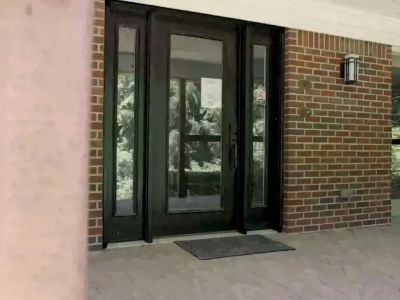
Addiction Rehab Centers - ARC at Fox Hill | Drug & Alcohol Rehab - Mooresville Indiana
Mooresville, Indiana
12168 N Mann Rd, Mooresville, IN 46158
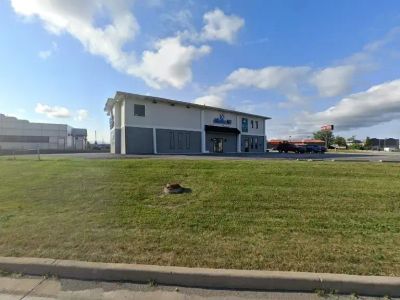
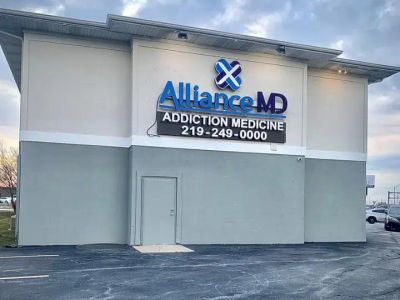
Alliance MD - Addiction Treatment Center
Merrillville, Indiana
8102 Georgia St, Merrillville, IN 46410
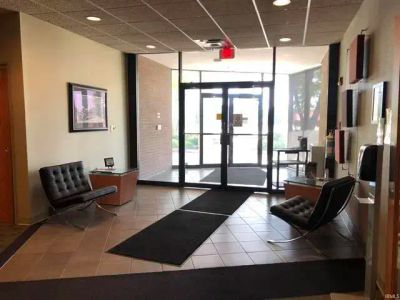

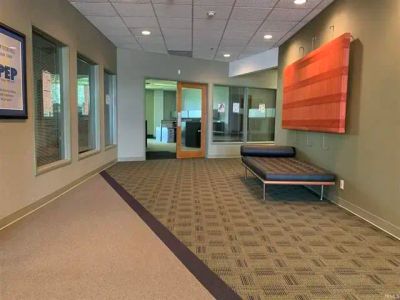
Restored Life Continuum of Care
Kokomo, Indiana
302 S Reed Rd, Kokomo, IN 46901
Get Personalized Rehab Matches in 60 Seconds
Tell us a few details and we’ll show a personalized shortlist of verified Indiana rehabs, making it simple to compare options and choose your next step with confidence.
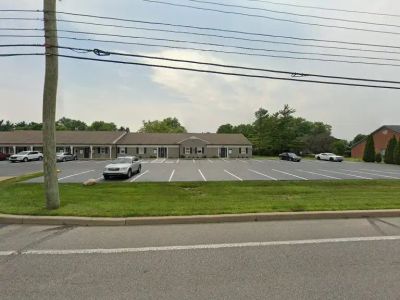
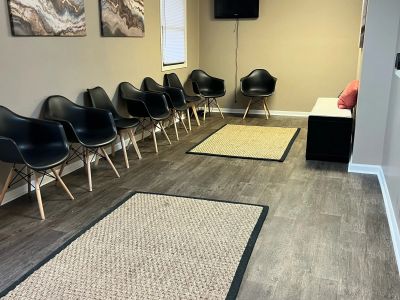
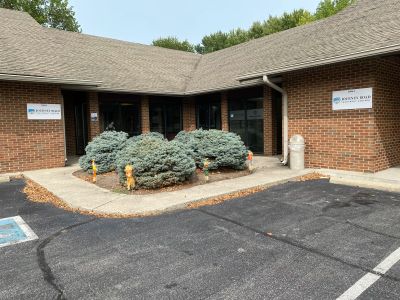
Journey Road Treatment Center - South
Indianapolis, Indiana
8106 Madison Ave, Indianapolis, IN 46227
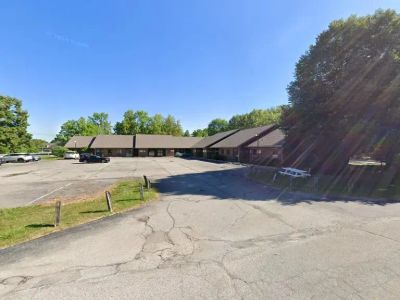
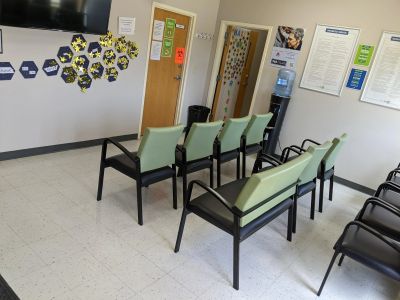
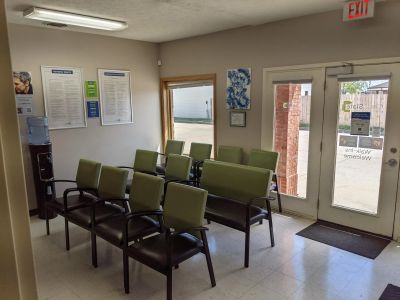
Journey Road Treatment Center - East
Indianapolis, Indiana
1201 N Post Rd Ste 4, Indianapolis, IN 46219
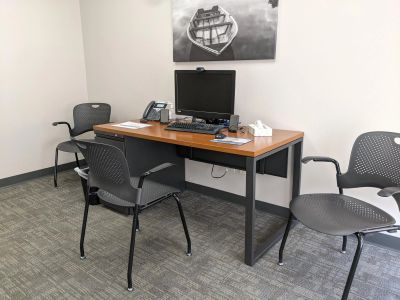
CleanSlate Outpatient Addiction Medicine
Lafayette, Indiana
30 Professional Ct #2A, Lafayette, IN 47905
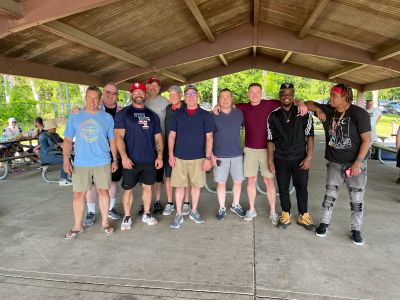


Recovery Centers of America at Indianapolis
Indianapolis, Indiana
8530 Township Line Rd, Indianapolis, IN 46260


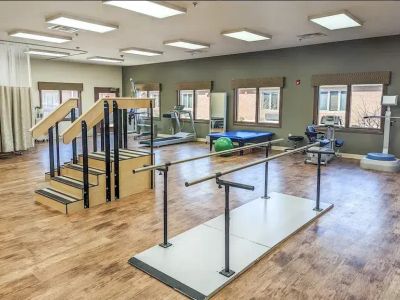
Bethel Pointe Health and Rehabilitation Center
Muncie, Indiana
3400 W Community Dr, Muncie, IN 47304
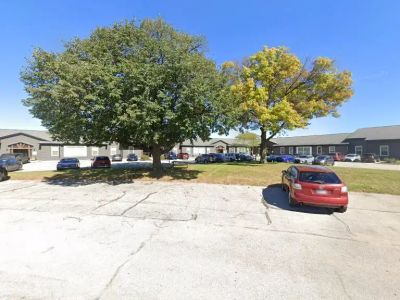
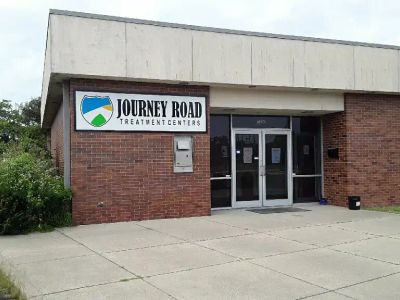
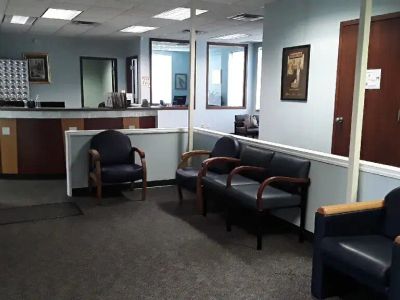
Journey Road Treatment Centers - West
Indianapolis, Indiana
5610 Crawfordsville Rd suite 15, Indianapolis, IN 46224
Comprehensive Treatment Centers - Southern Indiana
Charlestown, Indiana
7509 Charlestown Pike Charlestown, IN 47111
Why Trust Indiana Rehabs
As Hoosiers helping Hoosiers, we understand the unique challenges our communities face. Our team meticulously verifies every Indiana treatment center, ensuring you find trusted, local care that truly understands your journey.
About our listingsLevels of Care
Explore popular treatment options by levels of care, from flexible treatment in Outpatient centers to intensive care in Residential rehabs.
Free · 24/7 · Confidential
Talk to a Treatment Specialist
Call now to get matched with Indiana facilities that accept your insurance.
(888) 568-9930
Free
Ins. check
4.9★
Rating
HIPAA
Protected
Can't travel to a facility?
Licensed Indiana therapists via secure video — same-week appointments, evenings & weekends available.
Maybe it started with a prescription after surgery, hydrocodone meant to ease your pain and help you heal. But as the pills became part of your routine, you noticed the line between relief and reliance getting blurry, something that happens far more often than people realize. How does a medication meant to help end up causing so much harm? With more than 3 million Americans having faced opioid addiction, you’re far from alone in this struggle, and with the right support here in Indiana, recovery isn’t just possible, it’s genuinely within reach.
What Is Hydrocodone Addiction?
Hydrocodone is a semi-synthetic opioid prescribed to treat moderate to severe pain. You’ve probably seen it under brand names like Vicodin, Norco, or Lortab, which often combine the opioid with acetaminophen.[1] When you take this drug, it binds to opioid receptors in your brain, blocking pain signals and creating feelings of euphoria. Over time, your brain adapts and starts to need the medication just to feel normal, which is known as physical dependence. Addiction, or opioid use disorder, is different. It’s when you feel a compulsive need to use the drug despite the negative consequences it’s having on your life.[2] This isn't a moral failing; it's a chronic disease that changes brain chemistry. Understanding the signs of prescription drug addiction is the first step toward getting help.
What Are the Signs and Symptoms of Hydrocodone Addiction?
Recognizing a hydrocodone addiction in yourself or a loved one can be tough, especially because the signs often start small and grow over time. What might begin as simply taking an extra pill for pain can slowly shift into patterns that disrupt daily life. The symptoms aren't just physical; they affect a person's behavior and mental well-being, too. Knowing what to look for is a critical step in identifying when it’s time to seek help for opioid addiction and its effects.[3]
Physical Signs
- Constant drowsiness or seeming sedated
- Small, constricted pupils
- Slowed breathing
- Nausea and vomiting
- Chronic constipation
- Changes in sleep habits, like sleeping more or less than usual
- Neglecting personal grooming or hygiene
Behavioral Signs
- "Doctor shopping," or visiting multiple doctors to get prescriptions
- Being secretive or lying about drug use
- Financial troubles or borrowing money without a clear reason
- Pulling away from friends, family, and social events
- Losing interest in hobbies or activities once enjoyed
- Failing to keep up with responsibilities at work, school, or home
Psychological Signs
- Unexplained mood swings, from euphoria to irritability
- Anxiety or panic attacks, especially when the drug isn't available
- Signs of depression, such as sadness or hopelessness
- An inability to stop using hydrocodone, even when you want to
- Intense cravings for the medication
Hydrocodone Withdrawal
When someone who is physically dependent on hydrocodone stops taking it, their body goes into withdrawal. It’s an uncomfortable and often painful process that happens because the brain and body are trying to function without the drug they’ve grown used to.[4] Symptoms often feel like a severe case of the flu and can include muscle aches, nausea, vomiting, diarrhea, anxiety, and insomnia. People often ask, "Can I detox from hydrocodone at home?" While it might seem easier, it’s strongly recommended to go through withdrawal under medical supervision. The symptoms can be severe, and complications can arise. A professional medical detox program provides a safe, comfortable environment where medical staff can manage your symptoms and ensure your well-being, setting a stable foundation for the next steps in your recovery.
Hydrocodone Addiction Rehab Options

When it comes to hydrocodone rehab, there’s no single path that works for everyone. Treatment is offered along a "continuum of care," which means there are different levels of support tailored to your unique needs.[5] The right program depends on factors like the severity of the addiction, your mental health, and your home environment. Whether you need around-the-clock support or a more flexible schedule, there are addiction treatment options in Indiana that can help you build a life free from hydrocodone dependence.[6]
Inpatient Hydrocodone Rehab
Inpatient rehab, also known as residential treatment, offers a highly structured environment where you live at the facility 24/7. This level of care is ideal for those with severe addiction or co-occurring mental health conditions. The main benefit is being completely removed from the triggers and stressors of your daily life, allowing you to focus entirely on recovery. You'll receive constant medical supervision, especially during detox, along with intensive individual and group therapy sessions designed to help you heal.
Outpatient Hydrocodone Rehab
For those who need to balance treatment with work, school, or family life, outpatient programs offer more flexibility. You live at home and attend therapy and counseling sessions at a facility during the week. There are different levels of outpatient care, from Partial Hospitalization Programs (PHP) that meet most of the day, to Intensive Outpatient Programs (IOP) that require fewer hours per week. If you're wondering, "Can I still work while attending rehab?" the answer is often yes with an outpatient program, making it a practical choice for many people.
Therapies Used for Hydrocodone Rehab
Lasting recovery from hydrocodone addiction isn't just about stopping the drug; it's about addressing the underlying reasons why you started using it in the first place. This is where behavioral therapies come in. These evidence-based approaches are the foundation of effective addiction treatment, helping you develop the skills and mindset needed to navigate life without relying on opioids.[7] Counseling sessions provide a safe space to explore challenges and build a stronger, healthier future.
Cognitive Behavioral Therapy (CBT)
cognitive behavioral therapy, or CBT, is a goal-oriented therapy that helps you identify and change negative thought patterns and behaviors. In hydrocodone rehab, a therapist will help you recognize the triggers that lead to cravings and teach you practical coping skills to manage them effectively. Instead of turning to medication when faced with stress or pain, you'll learn healthier ways to respond, which is crucial for preventing relapse.
Group Therapy
Addiction can be an incredibly isolating experience, but group therapy reminds you that you aren’t alone. In these sessions, a therapist guides a small group of people who are also in recovery. Sharing your experiences with others who truly understand what you’re going through helps reduce feelings of shame and builds a powerful sense of community and support. It's a place to practice communication skills, learn from others, and feel understood.
Medication-Assisted Treatment (MAT)
Medication-assisted treatment (MAT) combines FDA-approved medications with counseling and behavioral therapies to treat opioid use disorder.[5] This approach is a safe and effective way to manage the physical aspects of addiction. Medications like buprenorphine and methadone work by reducing cravings and withdrawal symptoms, which allows you to focus more fully on your therapy and recovery work. It’s important to know that naloxone (often known by the brand name Narcan) is different; it's an emergency medication used to reverse an opioid overdose, not a long-term treatment for addiction.
Find the Right Hydrocodone Addiction Treatment for You
Finding the right hydrocodone rehab program in Indiana can feel overwhelming, but you don't have to do it alone. You can easily filter treatment centers by location, the level of care you need, your insurance provider, and even specific therapies you’re interested in. Many people worry, "How much does hydrocodone rehab cost?" The cost varies, but many insurance plans cover addiction treatment, and there are state-funded programs and other options available to make care more affordable.[8] Taking a moment to explore your options or calling a helpline for guidance can connect you with the resources you need to start healing. When you're ready, you can find help in Indiana to begin your journey.
Your Path to Recovery Starts Today
Making the decision to seek help for hydrocodone addiction is a huge step, and it’s important to remember that this is a treatable disease. Recovery isn’t about perfection; it’s about progress. There are so many paths to getting well, and the right support system can make all the difference. In Indiana, compassionate and effective treatment is available to help you reclaim your health, relationships, and future.
Every journey begins with a single step. You've already taken a brave one by seeking out this information. The next one is reaching out for help. You can explore treatment options, learn more about the recovery process, or make a confidential call to speak with someone who understands. If you're ready to start healing, our team at Indiana Rehabs is here to guide you. Call us today at (888) 568-9930 or get in touch through our contact page to find the support you deserve.
Frequently Asked Questions About Hydrocodone Rehab in Indiana
How long does hydrocodone rehab last?
How do I know if I need inpatient or outpatient rehab?
What happens after hydrocodone rehab?
What’s the first step to getting into rehab for hydrocodone addiction?
Does insurance cover hydrocodone rehab in Indiana?
- (n.d.). HYDROCODONE (Trade Names: Vicodin®, Lortab®, Lorcet-HD...). U.S. Drug Enforcement Administration. deadiversion.usdoj.gov
- American Psychiatric Association. (2024). Opioid Use Disorder. American Psychiatric Association. psychiatry.org
- Kaur, J., & Spurling, G. J. (2024). Opioid Use Disorder: Evaluation and Management. StatPearls Publishing. ncbi.nlm.nih.gov
- MedlinePlus. (June, 2025). Hydrocodone Combination Products. MedlinePlus. medlineplus.gov
- Substance Abuse and Mental Health Services Administration. (August, 2025). Medications for Substance Use Disorders. Substance Abuse and Mental Health Services Administration. samhsa.gov
- (n.d.). State-by-state analysis of Medicaid coverage of evidence-based opioid use disorder treatment: Indiana. American Society of Addiction Medicine. asam.org
- Dowd, E., & Davagnino, J. (2016). CDC Guideline for Prescribing Opioids for Chronic Pain. Centers for Disease Control and Prevention. cdc.gov
- Indiana Medicaid. (2021). Substance Use Disorder (SUD)/Serious Mental Illness (SMI) Treatment. Indiana Medicaid. in.gov