Inhalants Rehabs

Showing 6 of 6 Results (filtered)
Featured Rehab Centers


Addiction Rehab Centers - ARC at Fox Hill | Drug & Alcohol Rehab - Mooresville Indiana
Mooresville, Indiana
12168 N Mann Rd, Mooresville, IN 46158



Boca Recovery Center - Fort Wayne, Indiana
Fort Wayne, Indiana
111 W Berry St #211, Fort Wayne, IN 46802



Boca Recovery Center - Indiana Drug and Alcohol Rehab
Huntington, Indiana
3040 W Park Dr, Huntington, IN 46750
Get Personalized Rehab Matches in 60 Seconds
Tell us a few details and we’ll show a personalized shortlist of verified Indiana rehabs, making it simple to compare options and choose your next step with confidence.



Bethel Pointe Health and Rehabilitation Center
Muncie, Indiana
3400 W Community Dr, Muncie, IN 47304
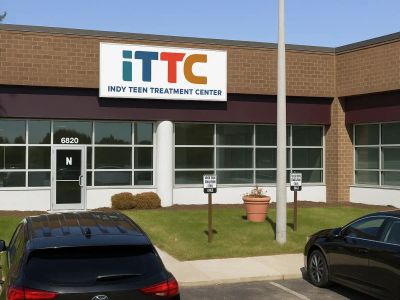
Indy Teen Treatment Center: Addiction and Mental Health Services
Indianapolis, Indiana
6620 Parkdale Pl ste n, Indianapolis, IN 46254
Pinnacle Treatment Centers - 2209 John R Wooden Drive
Martinsville, Indiana
2209 John R Wooden Drive, 3rd Floor Martinsville, IN 46151
Why Trust Indiana Rehabs
As Hoosiers helping Hoosiers, we understand the unique challenges our communities face. Our team meticulously verifies every Indiana treatment center, ensuring you find trusted, local care that truly understands your journey.
About our listingsLevels of Care
Explore popular treatment options by levels of care, from flexible treatment in Outpatient centers to intensive care in Residential rehabs.
Free · 24/7 · Confidential
Talk to a Treatment Specialist
Call now to get matched with Indiana facilities that accept your insurance.
(888) 568-9930
Free
Ins. check
4.9★
Rating
HIPAA
Protected
Can't travel to a facility?
Licensed Indiana therapists via secure video — same-week appointments, evenings & weekends available.
It’s unsettling to realize just how many ordinary things in your home, whipped cream cans, markers, or a forgotten bottle of paint thinner, can quietly become dangerous in the wrong hands. For many teens and young adults across Indiana, these everyday products offer an easy, but risky escape that often goes unnoticed until the signs are hard to miss. The truth is, inhalant misuse is both serious and more common than most people realize. By understanding these hidden risks, you open the door to real, caring treatment options that are available right here in your own backyard.
What is inhalant use disorder?
When you hear the word “inhalants,” it might not sound as alarming as other drugs, but it’s a broad term for chemical vapors that people breathe in on purpose to get a quick, mind-altering high. These aren't illegal substances you buy on the street; they’re often everyday items found in garages, under kitchen sinks, or in office supply closets. Because these products are so easy to get, they can become a hidden danger for many, especially young people.
When using these substances goes from a one-time experiment to a repeated, compulsive habit, it crosses the line into what healthcare professionals call an inhalant use disorder. This is the clinical diagnosis for an addiction to inhalants. According to the Diagnostic and Statistical Manual of Mental Disorders (DSM-5), which is the guide clinicians use, a person may have an inhalant use disorder when their repeated use of these substances leads to significant distress or impairment in their daily life[1]. It’s not about being a “bad person”, it’s a health condition that needs compassionate care. The challenge with recognizing an inhalant use disorder is that the signs can be subtle, and the products themselves seem harmless. But understanding that this is a real medical issue is the first step toward getting help.
Types of Inhalants
Inhalants are generally grouped into four main categories based on their chemical makeup. Understanding them can help you spot potential dangers in your own home.
- Volatile Solvents: These are liquids that turn into gas at room temperature. They are found in many common household and industrial products. Examples include paint thinners, gasoline, correction fluid, glue, and felt-tip markers. People often use them by soaking a rag in the substance and breathing in the fumes, a practice known as "huffing."
- Aerosols: These are sprays that contain propellants and solvents. Misuse involves spraying the aerosol directly into the nose or mouth, or into a bag and then inhaling the vapors. Common examples are spray paint, deodorant and hair sprays, vegetable oil sprays, and fabric protector sprays.
- Gases: This category includes medical anesthetics as well as gases used in commercial products. A common example is nitrous oxide, found in whipped cream canisters (often called “whippits”) and used as an anesthetic (“laughing gas”). Other examples include butane from lighters, propane tanks, and refrigerants.
- Nitrites: Often called "poppers," nitrites are a specific class of inhalants that act primarily by dilating blood vessels and relaxing muscles. They are often sold in small bottles labeled as "video head cleaner," "room odorizer," or "leather cleaner." Unlike other inhalants that provide a direct "high," nitrites are often misused to enhance sexual experiences.
Signs of Inhalant Abuse

It’s incredibly difficult when you suspect someone you love might be struggling with substance use. The signs of inhalant abuse can be easy to miss or mistake for normal teenage moodiness or stress. But if you’re seeing a pattern of changes, it’s worth paying closer attention. The signs often fall into a few key areas: how a person acts, how they seem to be feeling, and what’s physically happening to their body.
Behaviorally, you might notice someone becoming more secretive or withdrawn. Maybe they’re suddenly failing classes or losing interest in sports or hobbies they once loved. You might find strange items hidden in their room, like chemical-soaked rags, empty spray cans, or a collection of lighters when they don’t smoke. Psychologically, you could see drastic mood swings, unexplained irritability one moment and confusion or giddiness the next. They might seem disoriented, have trouble concentrating, or just not seem like themselves. Trust your instincts. If something feels off, it probably is. Recognizing these signs isn’t about placing blame; it's about seeing a call for help and knowing when to step in with support and resources for the entire family.
Physical Signs of Potential Inhalant Abuse
While behavioral changes are a huge red flag, there are also physical symptoms that can point to inhalant abuse. These signs can be subtle, so it’s important to look at them as part of a bigger picture. Here are some of the things you might notice:
- Persistent Chemical Odors: A frequent smell of chemicals, paint, or solvents on their breath or clothing that can’t be explained.
- Stains on Skin or Clothes: Paint, glue, or other stains on their hands, face, or clothes are a common sign.
- Changes in Speech and Coordination: You might notice slurred speech, a dizzy or dazed appearance, or a general lack of coordination, almost like they’re intoxicated.
- Nose and Mouth Issues: Frequent runny nose, nosebleeds, or sores and spots around the nose and mouth, sometimes called a "sniffer's rash."
- Watery or Red Eyes: Their eyes may appear glassy, red, or watery for no apparent reason.
Seeing one of these signs alone might not mean much, but if you notice several of them combined with the behavioral and psychological changes, it's a strong indicator that it’s time to seek professional guidance.
The Dangers Of Inhalants
It’s easy to underestimate the danger of inhalants because the products themselves are legal and common. But the reality is, they are toxic poisons that were never meant to enter the human body. The effects of inhalant abuse can be devastating and, in some cases, instantly fatal. One of the most terrifying risks is "Sudden Sniffing Death Syndrome," where a person can go into sudden cardiac arrest and die within minutes of using an inhalant, even if it's their very first time[1]. This can happen to a perfectly healthy young person.
Beyond the immediate risk of death, long-term inhalant abuse causes widespread damage to the body's most vital organs. The chemicals can cause severe, often irreversible harm to the brain, heart, liver, and kidneys. Because inhalants starve the body of oxygen, they can lead to serious health consequences that affect a person for the rest of their life. This problem is more widespread than many think. National surveys show that a significant number of adolescents experiment with these substances. For example, in 2022, about 4% of 8th graders, who are around 14 years old, reported using inhalants in the last year[2]. This isn't a distant problem; it's happening right here in communities across Indiana.
Neurological and Cognitive Effects
The brain is particularly vulnerable to the toxic effects of inhalants. Many of the chemicals found in volatile solvents and aerosols are fat-soluble, which means they are absorbed by the fatty tissues in the brain and nervous system. There, they can do incredible damage. These chemicals can actually dissolve the myelin sheath, which is the protective coating around nerve fibers in the brain and spinal cord. When the myelin sheath is damaged, nerve cells can’t communicate properly, leading to effects similar to those seen in diseases like multiple sclerosis.
This brain damage isn't just theoretical; it shows up as real, life-altering cognitive problems. A person struggling with long-term inhalant abuse may experience permanent memory loss, making it hard to learn new things or even recall important life events. Their judgment can become severely impaired, and they may lose physical coordination, resulting in tremors or clumsiness. In some cases, the damage can even lead to hearing loss or vision problems. The harm to the brain can be one of the most tragic and lasting consequences of inhalant addiction.
Are Inhalants Addictive?
Yes, absolutely. While inhalant abuse might not always cause the intense physical withdrawal seen with substances like opioids or alcohol, it can lead to a powerful psychological addiction that is very difficult to break[1]. Addiction is defined by a compulsive need to seek out and use a substance, despite knowing the harm it’s causing, and that pattern is very common with inhalant abuse.
Over time, a person can develop a tolerance to inhalants, meaning they need to use more and more of the substance just to get the same high they felt initially. This escalating use increases the risk of overdose and long-term organ damage. At the same time, powerful cravings can take hold, making it feel impossible to stop. This psychological dependence can make a person feel like they can't function or cope with life without using. Their thoughts become consumed by getting and using the substance, and other parts of their life, school, work, family, and friendships, start to fall away. This is the classic cycle of addiction, and it requires professional treatment to overcome.
Withdrawal from Inhalants
When someone who has been using inhalants heavily and regularly tries to stop, they can experience withdrawal symptoms. While often less severe than with other drugs, these symptoms are real and make quitting on your own extremely challenging. The withdrawal process is mostly characterized by psychological discomfort, but physical symptoms can occur as well.
Someone going through inhalant withdrawal might experience intense anxiety, irritability, and severe mood swings. They may have trouble sleeping or experience vivid nightmares. Physically, they might feel nauseous, lose their appetite, sweat excessively, or have hand tremors. These uncomfortable symptoms, combined with the powerful cravings for the drug, are often what drive a person back to using. It’s not a matter of willpower; it’s a sign that their body and brain have become dependent on the substance. This is why a supportive, medically supervised environment is so important for anyone trying to stop using inhalants.
Inhalant Addiction Treatment
When you’re ready to seek help for inhalant addiction, it’s comforting to know that there is a clear, evidence-based path to recovery. Treatment isn't about punishment; it's about healing. The first step is always a comprehensive assessment, where compassionate professionals will talk with you or your loved one to understand the full picture, not just the substance use, but also any underlying mental health issues like anxiety or depression that might be contributing to it.
From there, a personalized treatment plan is created, often involving different levels of care to meet you where you are. For some, treatment may start with a detox period in a safe, medically supervised setting to manage withdrawal symptoms. After that, inpatient or residential treatment offers a structured, supportive environment away from triggers, allowing for a deep focus on recovery. Others may find that an outpatient program, which allows them to live at home while attending therapy, is a better fit. The core of any effective inhalant addiction treatment program is therapy, which helps to uncover and address the root causes of the addiction, teaching new coping skills for a healthier, substance-free life[1]. In Indiana, residential facilities are licensed to provide this structured care, ensuring a standard of safety and quality[3].
Behavioral interventions
You can't just stop a behavior without replacing it with something new. That's where behavioral interventions come in. These therapies are the heart of addiction treatment, providing the tools and strategies needed to build a life in recovery. One of the most effective approaches is cognitive behavioral therapy (CBT). In CBT, you learn to identify the negative thought patterns and triggers that lead to substance use and develop healthier ways to respond to them. It's like building a new mental toolkit for handling stress and cravings.
Other therapies are also incredibly helpful. motivational enhancement therapy is designed to help people find their own internal motivation to change, which is a powerful driver for recovery. For many, especially adolescents, family therapy is crucial. Addiction doesn't just affect one person; it impacts the whole family. family therapy helps to heal damaged relationships, improve communication, and build a strong support system at home, which is essential for lasting success.
Ongoing Recovery
Finishing a treatment program is a huge accomplishment, but it's not the end of the journey. Recovery is a lifelong process, and staying well requires ongoing support and commitment. A good treatment program will help you create a detailed aftercare plan before you leave. This plan is your roadmap for navigating life after rehab and is designed to help you stay strong in your recovery.
Your aftercare plan might include things like living in a sober living home for a while, which provides a safe, supportive environment as you transition back to daily life. It will almost certainly involve joining support groups, like 12-step programs (e.g., Narcotics Anonymous) or other peer-led groups, where you can connect with others who understand what you're going through. Continued individual counseling can also provide a space to work through challenges as they arise. The goal is to build a strong, sober support network and learn relapse prevention strategies to help you handle triggers and stressors in a healthy way.
Finding Treatment For Inhalant Addiction in Indiana

Finding the right help can feel overwhelming, but you don’t have to do it alone. Here at Indiana Rehabs, we’re dedicated to connecting Hoosiers with the care they need. Our directory is a powerful tool to help you find licensed and accredited treatment facilities right here in Indiana that have experience with inhalant addiction. When you're looking for a program, especially for adolescents or young adults, you’ll want to find one that uses evidence-based therapies and has a solid plan for aftercare.
Many families worry about the cost of treatment, but there are options available. Most insurance plans cover substance use disorder treatment, and our team can help you understand your benefits. You can start by looking for inhalant treatment centers in Indiana through our directory. If you’re feeling lost and just need to talk to someone, our helpline is available 24/7. A caring and knowledgeable person is ready to listen and guide you toward the right programs for your situation. For state-specific resources, you can also look into information from SAMHSA's Indiana resource page or learn more about the state standards from Indiana's Division of Mental Health and Addiction (DMHA).
Your Path to Recovery Starts Here
The journey away from inhalant addiction can feel daunting, but it’s important to remember a few key things. These substances are far more dangerous than they appear, and the addiction that can result is a real and serious health condition. But most importantly, recovery is absolutely possible. With the right support and treatment, you or your loved one can heal and build a healthy, fulfilling life.
You are not alone in this. All across Indiana, there are compassionate professionals and supportive communities ready to help you take that first brave step. The path to recovery begins with the decision to reach out. We encourage you to browse our directory to find treatment options near you or simply make a phone call. Taking that step is a sign of incredible strength and hope.
There is hope, and help is just a phone call away. If you or someone you care about is struggling with inhalant abuse, don't wait. You can speak with a compassionate specialist right now by calling (888) 568-9930. To learn more about treatment options in your area, explore the resources at Indiana Rehabs or contact us today. Reaching out is the first step on the path to a brighter future.
Frequently Asked Questions About Inhalant Addiction Treatment in Indiana
How long does rehab for inhalants last?
What is the first step to get help for inhalant abuse?
Can you legally force someone into rehab in Indiana?
What should I expect during detox from inhalants?
How do I talk to my child about inhalant abuse?
- National Institute on Drug Abuse. (June, 2023). Inhalants. National Institute on Drug Abuse. nida.nih.gov
- Substance Abuse and Mental Health Services Administration. (2023). 2022 National Survey on Drug Use and Health. Substance Abuse and Mental Health Services Administration. samhsa.gov
- U.S. Department of Health & Human Services, ASPE. (August, 2021). State residential treatment for behavioral health conditions: Indiana. U.S. Department of Health & Human Services. aspe.hhs.gov