MDMA Ecstasy Rehabs

Showing 4 of 4 Results (filtered)
Featured Rehab Centers

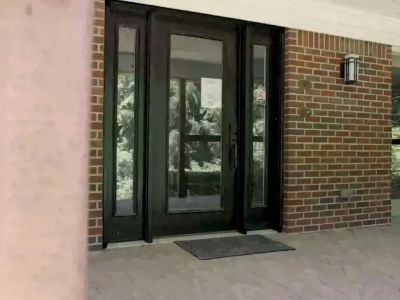
Addiction Rehab Centers - ARC at Fox Hill | Drug & Alcohol Rehab - Mooresville Indiana
Mooresville, Indiana
12168 N Mann Rd, Mooresville, IN 46158

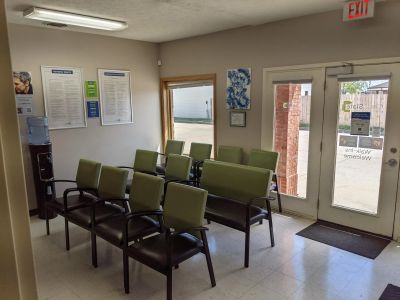

CleanSlate Outpatient Addiction Medicine
Lafayette, Indiana
30 Professional Ct #2A, Lafayette, IN 47905


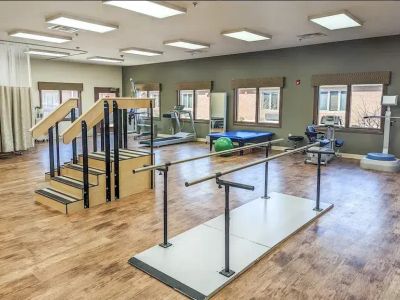
Bethel Pointe Health and Rehabilitation Center
Muncie, Indiana
3400 W Community Dr, Muncie, IN 47304
Get Personalized Rehab Matches in 60 Seconds
Tell us a few details and we’ll show a personalized shortlist of verified Indiana rehabs, making it simple to compare options and choose your next step with confidence.
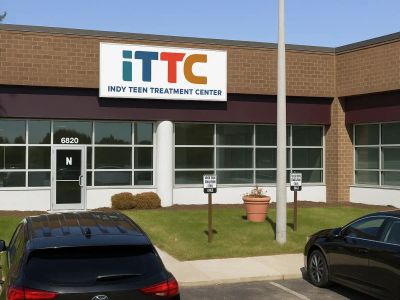
Indy Teen Treatment Center: Addiction and Mental Health Services
Indianapolis, Indiana
6620 Parkdale Pl ste n, Indianapolis, IN 46254
Why Trust Indiana Rehabs
As Hoosiers helping Hoosiers, we understand the unique challenges our communities face. Our team meticulously verifies every Indiana treatment center, ensuring you find trusted, local care that truly understands your journey.
About our listingsLevels of Care
Explore popular treatment options by levels of care, from flexible treatment in Outpatient centers to intensive care in Residential rehabs.
Free · 24/7 · Confidential
Talk to a Treatment Specialist
Call now to get matched with Indiana facilities that accept your insurance.
(888) 568-9930
Free
Ins. check
4.9★
Rating
HIPAA
Protected
Can't travel to a facility?
Licensed Indiana therapists via secure video — same-week appointments, evenings & weekends available.
You might know it as Molly or E, the drug often tied to bright lights, pulsing music, and moments of intense connection. But when the party quiets down, the reality can look far different, a cycle of dependence and struggle that feels impossible to escape. If this feels close to home for you or someone you care about, you’re not alone. There’s real, specialized help here in Indiana, where hope and recovery are truly within reach.
What Is Ecstasy?
Ecstasy is the common name for a drug called MDMA, which stands for 3,4-methylenedioxymethamphetamine. It’s a synthetic drug, meaning it’s made in a lab, and it has a unique chemical structure that gives it the properties of both a stimulant and a hallucinogen[1]. You’ll hear it called by many names on the street, including Molly, E, or X.
People are often drawn to MDMA for the feelings of euphoria, empathy, and boundless energy it can create. It’s often associated with social settings like concerts and festivals, where users seek a heightened sense of connection and sensory experience. As one of several substances sometimes categorized as club drugs, its appeal lies in these intense, short-lived effects. However, what starts as a way to enhance a moment can quickly become a difficult cycle to break, and the initial feelings of warmth and connection can fade, leaving something much heavier in their place.
Effects of Ecstasy Use
The experience of using ecstasy can be unpredictable, and the effects vary from person to person. While some initial effects may feel desirable, they are often accompanied by a range of negative and sometimes dangerous side effects. Understanding both the short-term and long-term impact is a critical step in recognizing the risks associated with its use.
Short-Term Effects
- Feelings of emotional warmth, empathy, and closeness to others
- Heightened sensory perception
- Increased energy and alertness
- Involuntary jaw clenching and teeth grinding
- Nausea, chills, or sweating
- Blurred vision
Long-Term Effects
- Damage to the brain's serotonin system, which helps regulate mood, sleep, and appetite
- Lasting depression, anxiety, and confusion
- Memory loss and difficulty concentrating
- Sleep disturbances and chronic fatigue
Beyond these effects, MDMA abuse carries serious dangers. One of the most significant risks is hyperthermia, a condition where the body’s temperature rises to a dangerously high level, potentially leading to organ failure. At the same time, users may drink excessive amounts of water to combat dehydration, which can lead to hyponatremia, or water intoxication, a life-threatening condition. A hidden danger is that pills sold as ecstasy or Molly are often cut with other powerful and unpredictable drugs, like methamphetamine or fentanyl, which dramatically increases the risk of overdose[1].
Symptoms of MDMA Addiction
It’s important to understand the line between ecstasy abuse and a true addiction, which clinicians call a substance use disorder. While any use of MDMA carries risks, addiction involves a compulsive need to use the drug despite harmful consequences. The potential for developing a psychological dependence on stimulants like MDMA is real and can take over a person’s life[2]. Recognizing the symptoms is the first step toward getting help.
Key signs of MDMA addiction include:
- Tolerance: Needing to take more of the drug to get the same effects.
- Withdrawal symptoms: Experiencing fatigue, depression, anxiety, or trouble concentrating when not using.
- Cravings: Having intense urges to use MDMA that are difficult to ignore.
- Loss of control: Using more ecstasy than intended or for longer periods.
- Neglecting responsibilities: Failing to keep up with work, school, or family obligations because of drug use.
- Continued use despite harm: Continuing to use ecstasy even when it’s causing problems with health, relationships, or other parts of life.
Genetics are believed to account for 40 to 60% of a person's potential for addiction. If you recognize these symptoms in yourself or someone you love, it’s not a sign of weakness, it’s a sign that professional support is needed.

Ecstasy Addiction Treatment
Recovery from MDMA addiction is a journey, and it starts with the right support. Treatment is not just about stopping drug use; it's about healing your mind and body while building new skills for a healthier life. The path to recovery is different for everyone, but it generally follows a structured process designed to provide comprehensive care.
The first step for many is a medically supervised detox. During detox, your body clears itself of the drug. This process can bring on uncomfortable withdrawal symptoms, such as depression, fatigue, and intense cravings. Having medical professionals guide you through this phase ensures you are safe and as comfortable as possible. Following detox, a personalized treatment plan is created. For many people, this involves behavioral therapies like Cognitive-Behavioral Therapy (CBT). This type of therapy helps you recognize the thoughts and behaviors that lead to drug use and develop healthier coping strategies[3]. Treatment is offered at different levels of care, allowing you to find the right fit for your needs[4]:
- Inpatient/Residential Rehab: This offers 24/7 support in a structured, substance-free environment. It's ideal for those who need to step away from their daily life to focus completely on recovery.
- Partial Hospitalization Program (PHP): A step down from inpatient care, PHP provides intensive therapy and support during the day, while you return home in the evenings.
- Intensive Outpatient Program (IOP): This option offers more flexibility, with therapy sessions held several times a week. It allows you to continue with work or family responsibilities while still receiving robust addiction treatment.
Treatment Centers for Ecstasy Addiction
If you’re in Indiana, finding the right help for ecstasy addiction is easier than you might think. You don’t have to navigate this process alone. Here at Indiana Rehabs, we provide a supportive and impartial directory to connect you with licensed treatment centers across the state. We’re here to help you find a facility that treats stimulant use disorders and offers the level of care that matches your specific needs. The right program will create a personalized plan that addresses not just the addiction, but any co-occurring mental health challenges like depression or anxiety. Start your search by browsing our directory of Indiana-based rehabs today.
Take the Next Step to Recovery in Indiana
Leaving MDMA abuse behind is more than possible, it’s a reality for so many people who have found the right support. Remember, the cycle of use can make you feel isolated, but you are not alone on this journey. Recovery begins with a single, courageous step: asking for help. Professional treatment provides the tools, guidance, and compassionate care needed to heal the parts of you that MDMA has affected, especially the damage it can do to your brain’s serotonin system.
Here in Indiana, there are dedicated professionals ready to help you rebuild. Whether you need a safe place to detox or therapy to understand the root causes of your addiction, help is available. You can start today by using SAMHSA's Treatment Locator to find a licensed facility or by reaching out for a confidential conversation about your options.
Making that first call can feel like the hardest part, but it opens the door to a brighter, healthier future. You deserve a life free from the weight of addiction, and the team at Indiana Rehabs is here to help you find it. To take the first step, call us for a confidential conversation at (888) 568-9930 or get in touch through our contact page. A new beginning is waiting for you.
Frequently Asked Questions About MDMA and Ecstasy Rehab in Indiana
Can you get addicted to Molly?
How do you treat MDMA withdrawal?
What is the difference between inpatient and outpatient rehab for ecstasy addiction?
How long does it take to recover from ecstasy?
- U.S. Drug Enforcement Administration. (2025). 2025 National Drug Threat Assessment. U.S. Drug Enforcement Administration. dea.gov
- (04-01-2009). The high prevalence of substance use disorders among recent MDMA users. PubMed Central. pmc.ncbi.nlm.nih.gov
- Substance Abuse and Mental Health Services Administration. (2023). Results from the 2021 National Survey on Drug Use and Health. Substance Abuse and Mental Health Services Administration. samhsa.gov
- Indiana Health Coverage Programs. (06-16-2021). Substance Use Disorder (SUD)/Serious Mental Illness (SMI) Treatment. Indiana Medicaid. in.gov