Mescaline Rehabs

Showing 3 of 3 Results (filtered)
Featured Rehab Centers


Addiction Rehab Centers - ARC at Fox Hill | Drug & Alcohol Rehab - Mooresville Indiana
Mooresville, Indiana
12168 N Mann Rd, Mooresville, IN 46158


CleanSlate Outpatient Addiction Medicine
Lafayette, Indiana
30 Professional Ct #2A, Lafayette, IN 47905



Bethel Pointe Health and Rehabilitation Center
Muncie, Indiana
3400 W Community Dr, Muncie, IN 47304
Get Personalized Rehab Matches in 60 Seconds
Tell us a few details and we’ll show a personalized shortlist of verified Indiana rehabs, making it simple to compare options and choose your next step with confidence.
Why Trust Indiana Rehabs
As Hoosiers helping Hoosiers, we understand the unique challenges our communities face. Our team meticulously verifies every Indiana treatment center, ensuring you find trusted, local care that truly understands your journey.
About our listingsLevels of Care
Explore popular treatment options by levels of care, from flexible treatment in Outpatient centers to intensive care in Residential rehabs.
Free · 24/7 · Confidential
Talk to a Treatment Specialist
Call now to get matched with Indiana facilities that accept your insurance.
(888) 568-9930
Free
Ins. check
4.9★
Rating
HIPAA
Protected
Can't travel to a facility?
Licensed Indiana therapists via secure video — same-week appointments, evenings & weekends available.
For centuries, the peyote cactus played a sacred role in ancient ceremonies, its effects woven into visions and ritual. In today’s world, though, mescaline can quietly slip from something mystical into something that feels out of control, leaving you unsure where to turn. If you’re struggling with its use, it isn’t about shame or blame; it’s about recognizing you deserve support and a way back to yourself. Even with such a complicated history, the path to recovery is clear and reachable, especially here in Indiana.
What Is Mescaline?
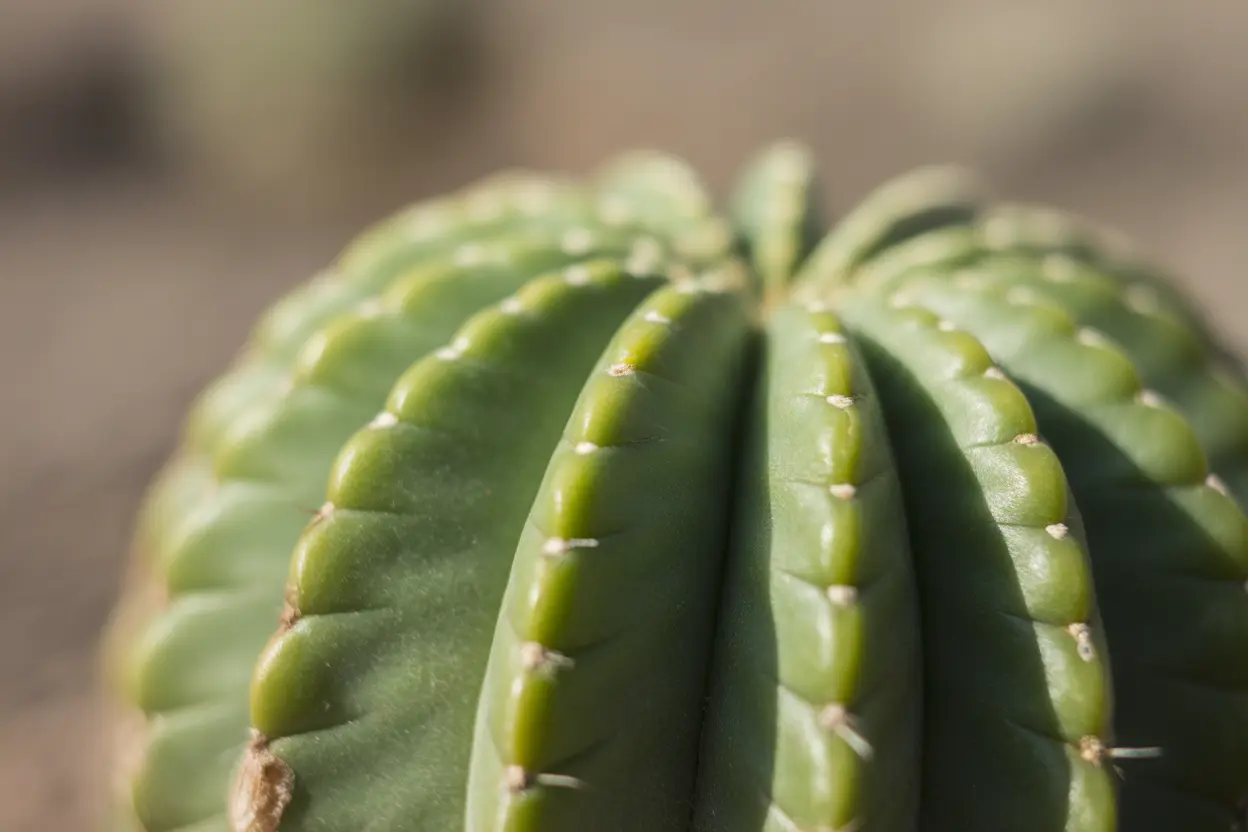
Mescaline is a naturally occurring psychedelic substance found in certain types of cacti, most famously the peyote cactus (Lophophora williamsii). This small, spineless cactus grows in the deserts of Mexico and the southwestern United States. For centuries, Native American tribes have used it in religious and healing ceremonies[1]. To use it, the crown of the cactus, often called "buttons," is cut and can be chewed fresh, dried and swallowed, or brewed into a tea.
The experience it creates is a profound alteration of consciousness, which is why it's classified as a hallucinogen. Despite its ceremonial roots, mescaline is illegal in the United States for general use. The federal government classifies it as a Schedule I controlled substance, which means it has a high potential for abuse and no currently accepted medical use in treatment[2]. Learning about mescaline and similar substances can help you understand the full picture.
Effects And Risks Of Mescaline
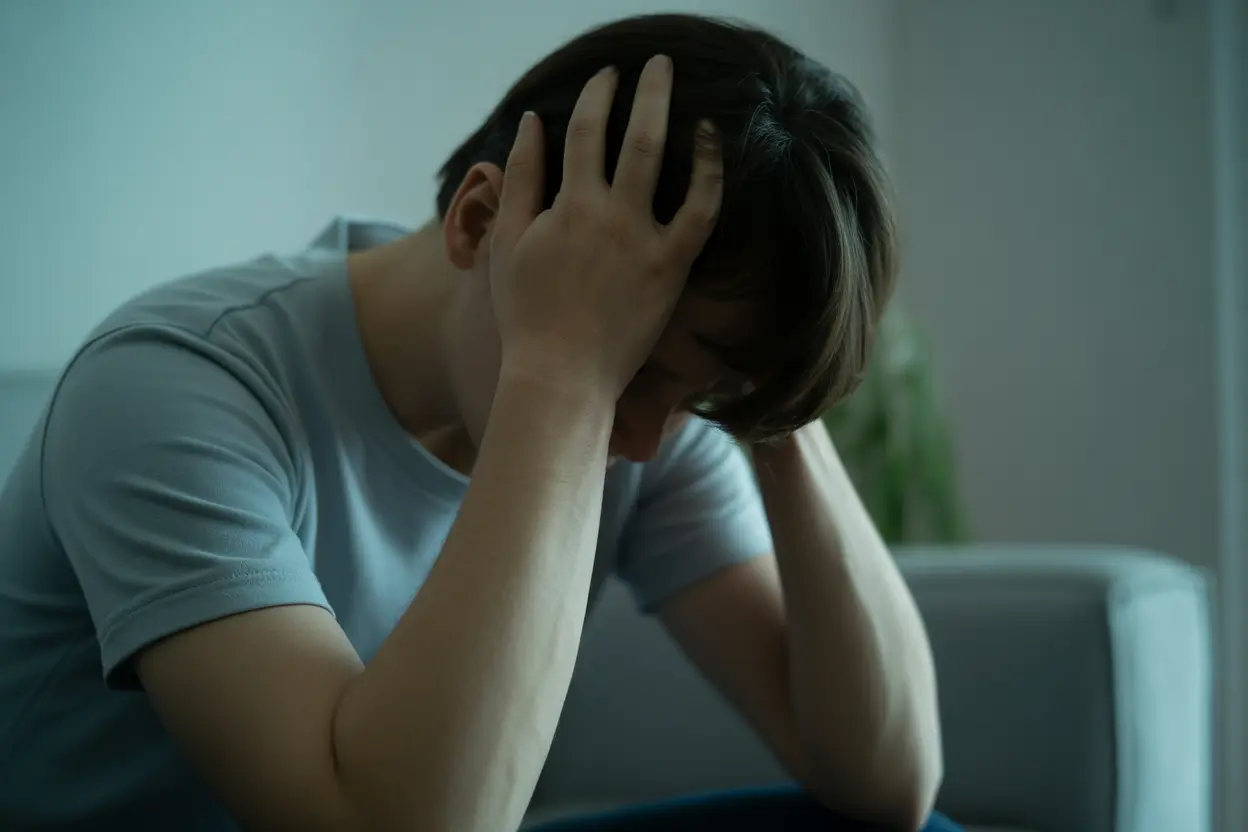
When someone uses mescaline, the effects can be powerful and long-lasting, often for up to 12 hours. The experience is different for everyone, but it usually involves a mix of psychological and physical changes. Understanding these effects helps clarify the risks involved.
Common short-term effects include:
- Psychological Effects: These are the most well-known effects of mescaline. They can include intense visual and auditory hallucinations, a warped sense of time, deep spiritual insights, and feelings of euphoria. Your sense of self might feel different, and colors, sounds, and textures can seem incredibly vibrant.
- Physical Effects: Your body also reacts to the substance. You might experience an increased heart rate, higher blood pressure, and a rise in body temperature. Nausea and vomiting are also common, especially in the beginning[3].
While some experiences can feel positive, there’s always the risk of a "bad trip." This is when the psychological effects become terrifying, filled with paranoia, extreme anxiety, and frightening hallucinations. In rare cases, an overdose can occur, leading to more severe physical symptoms. Because mescaline is one of several psychedelic hallucinogens, its risks are often discussed in that broader context.
What are the long-term side effects of mescaline?
For most people, the effects of mescaline fade, but for some, long-term issues can develop. One of the most noted long-term effects is Hallucinogen Persisting Perception Disorder (HPPD). This condition involves experiencing "flashbacks," where you suddenly re-live parts of the drug experience, like visual distortions, days, weeks, or even years later. These flashbacks can be unsettling and disrupt daily life. Additionally, while rare, there's a risk of developing persistent psychosis, especially in people who may already be predisposed to mental health disorders like schizophrenia[4].
Is Mescaline Addictive?
When people talk about addiction, they often think of physical dependence and intense withdrawal symptoms. Mescaline doesn’t typically fit this mold. It’s not considered physically addictive, and serious physical withdrawal is rare[5]. However, that doesn't mean its use is without risk. A person can develop a strong psychological dependence on it, feeling like they need the substance to cope, explore their mind, or feel happy.
Over time, you can also build a tolerance to mescaline, meaning you need to take more of it to get the same effect. This pattern can lead to a condition known as Hallucinogen Use Disorder. The signs of this disorder focus more on behavior than physical symptoms. You might find yourself spending a lot of time thinking about, getting, or using the substance, or continuing to use it even when it’s causing problems in your relationships, work, or health[6]. Over 8 million people in the United States have tried mescaline, so if you're struggling, you're not alone.
Mescaline Addiction Treatment
If mescaline use has started to negatively impact your life, effective and compassionate treatment is available. Recovery from mescaline addiction focuses on understanding the root causes of the substance abuse through behavioral therapy, as there are no FDA-approved medications for it. Therapies like cognitive behavioral therapy (CBT) help you identify and change harmful thinking patterns and behaviors.
Here in Indiana, there are different types of treatment programs to fit your needs. Some people may benefit from inpatient or residential treatment, where you live at the facility for a period of time to focus entirely on recovery in a supportive environment[7]. Others might find that outpatient rehab, like a partial hospitalization program (PHP) or an intensive outpatient program (IOP), works better with their daily lives. Many programs also treat co-occurring mental health conditions, such as anxiety or depression, which is a key part of lasting recovery. For those concerned about cost, it's helpful to know about resources for Indiana Medicaid SUD treatment coverage, which can make care more accessible[8].
Find Mescaline Addiction Help in Indiana
Navigating the effects of mescaline abuse can feel isolating, but remember that effective, compassionate help is available right here in Indiana. Taking the first step is often the hardest, but it’s a sign of strength. If you’re ready to find support, here’s how you can start:
- Acknowledge you need support. Recognizing that you want to make a change is the most important step.
- Reach out for a confidential talk. A phone call can connect you with someone who understands and can guide you toward the right resources without judgment.
- Explore your options. You can use a directory to find a treatment center in Indiana that feels right for you, or use a tool like the one offered by the Substance Abuse and Mental Health Services Administration to locate nearby providers.
Struggling with substance use is not a reflection of your character, it’s a health challenge that you don’t have to face alone. When you’re ready, help is here. The team at Indiana Rehabs is available 24/7 to listen and help you find a path forward. You can call us anytime at (888) 568-9930 or contact us online to start your recovery journey today.
Frequently Asked Questions About Mescaline Rehab
How is mescaline different from other psychedelics like psilocybin or LSD?
How long does mescaline stay in your system?
What does mescaline rehab look like?
What’s the difference between inpatient and outpatient rehab for mescaline use?
What should I do if a loved one is struggling with mescaline use?
- Agustin, M., Cryan, J. F., & Marques, F. (2021). The epidemiology of mescaline use: Pattern, motivations, and consequences. Frontiers in Psychiatry. pmc.ncbi.nlm.nih.gov
- Drug Enforcement Administration. (2025). 2025 National Drug Threat Assessment. U.S. Department of Justice. dea.gov
- Partnership to End Addiction. (October 26, 2023). Peyote (Mescaline). Partnership to End Addiction. drugfree.org
- Gumpel, T. P., et al. (2024). Reconsidering evidence for psychedelic-induced psychosis. Frontiers in Psychiatry. pmc.ncbi.nlm.nih.gov
- Agustin, M., et al. (2021). The epidemiology of mescaline use: Pattern, motivations, and consequences. Frontiers in Psychiatry. pmc.ncbi.nlm.nih.gov
- Substance Abuse and Mental Health Services Administration. (2023). Key substance use and mental health indicators: Results from the 2021 NSDUH. Substance Abuse and Mental Health Services Administration. samhsa.gov
- U.S. Department of Health and Human Services. (August, 2021). State residential treatment for behavioral health - licensure and medicaid requirements: Indiana. Office of the Assistant Secretary for Planning and Evaluation. aspe.hhs.gov
- Indiana Family and Social Services Administration. (June 16, 2021). Substance Use Disorder (SUD)/Serious Mental Illness (SMI) Treatment. in.gov. in.gov