Muscle Relaxants Rehabs
Showing 4 of 4 Results (filtered)
Featured Rehab Centers


Addiction Rehab Centers - ARC at Fox Hill | Drug & Alcohol Rehab - Mooresville Indiana
Mooresville, Indiana
12168 N Mann Rd, Mooresville, IN 46158
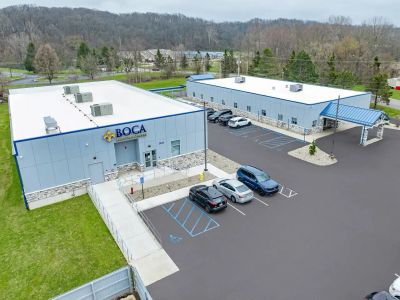

Boca Recovery Center - Indiana Drug and Alcohol Rehab
Huntington, Indiana
3040 W Park Dr, Huntington, IN 46750


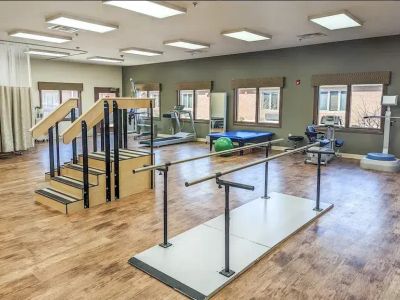
Bethel Pointe Health and Rehabilitation Center
Muncie, Indiana
3400 W Community Dr, Muncie, IN 47304
Get Personalized Rehab Matches in 60 Seconds
Tell us a few details and we’ll show a personalized shortlist of verified Indiana rehabs, making it simple to compare options and choose your next step with confidence.
Pinnacle Treatment Centers - 2209 John R Wooden Drive
Martinsville, Indiana
2209 John R Wooden Drive, 3rd Floor Martinsville, IN 46151
Why Trust Indiana Rehabs
As Hoosiers helping Hoosiers, we understand the unique challenges our communities face. Our team meticulously verifies every Indiana treatment center, ensuring you find trusted, local care that truly understands your journey.
About our listingsLevels of Care
Explore popular treatment options by levels of care, from flexible treatment in Outpatient centers to intensive care in Residential rehabs.
Free · 24/7 · Confidential
Talk to a Treatment Specialist
Call now to get matched with Indiana facilities that accept your insurance.
(888) 568-9930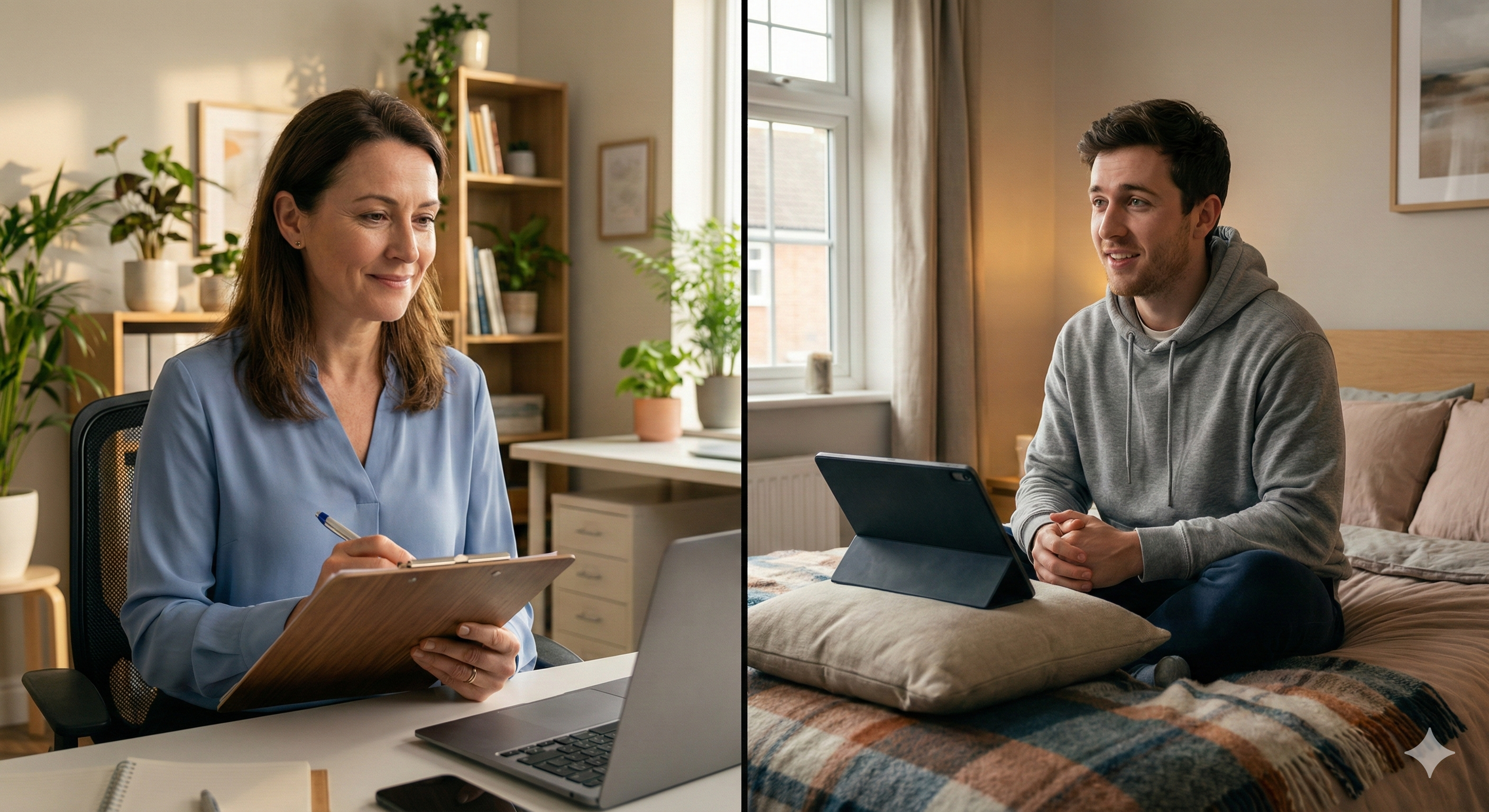
Free
Ins. check
4.9★
Rating
HIPAA
Protected
Can't travel to a facility?
Licensed Indiana therapists via secure video — same-week appointments, evenings & weekends available.
Maybe it started with a prescription for sore muscles—the promise of relief after an injury, just for a little while. But now, you might notice it's harder to get through the day without those pills, and the line between healing and feeling trapped by your medication blurs. If this scenario feels all too familiar, you’re not alone, and it’s not your fault. Recognizing what’s happening is the first, bravest step, and there are compassionate professionals in Indiana who understand and can help you take the next one.

What are muscle relaxers?
When you're dealing with sharp, nagging muscle pain, your doctor might prescribe a skeletal muscle relaxant to help. These medications aren't painkillers in the way that opioids or ibuprofen are. Instead, they work on your central nervous system (your brain and spinal cord) to reduce muscle tension and relieve discomfort from musculoskeletal conditions[1]. They essentially tell your brain to stop sending so many tense signals to your muscles, which allows them to relax.
There are two main categories of these drugs:
- Antispasmodics: These are used to treat muscle spasms, which are sudden, involuntary contractions of a muscle or group of muscles. They're often prescribed for issues like low back pain or neck pain.
- Antispastics: These are prescribed for conditions that cause spasticity, which is a state of continuous muscle stiffness or tightness. This is common in conditions like cerebral palsy or multiple sclerosis.
You might recognize them by brand names like Soma (carisoprodol), Flexeril (cyclobenzaprine), or Robaxin (methocarbamol). Doctors typically prescribe these for short-term relief, not as a long-term solution for chronic pain. The goal is to ease discomfort for a week or two while your body heals. While incredibly helpful for many patients, it's important to understand the risks, including the potential for addiction to muscle relaxers if they are used for longer than intended.
Are muscle relaxers addictive?
Yes, muscle relaxers can be addictive, especially when they're not used exactly as prescribed. This can happen in a couple of ways. First, your body can develop a physical dependence on the medication. This means you start to need it just to feel "normal," and if you try to stop, you experience uncomfortable withdrawal symptoms. Over time, you might also develop a tolerance, meaning you need higher doses to get the same effect you once did.
Then there's the psychological side of addiction. Some muscle relaxers, particularly carisoprodol (Soma), can create a feeling of calm or euphoria[2]. This pleasant feeling can lead a person to use the drug to cope with stress or anxiety, creating a powerful psychological craving. This abuse potential is why Soma is one of the most commonly diverted drugs in the United States, according to the Drug Enforcement Administration[3].
It's important to remember that muscle relaxer addiction often starts unintentionally. Someone gets a legitimate prescription for pain, but as they continue to use it, the lines blur. What started as a way to manage pain can become a habit that feels impossible to break. Recognizing the signs of misuse is a critical step toward getting help for yourself or a loved one. If you're concerned about your use of these medications, it might be helpful to learn more about the broader issue of prescription drug misuse.
Side Effects of Muscle Relaxers
Like any medication, muscle relaxers come with potential side effects. These can range from mild and temporary to severe and long-lasting, especially with misuse.
Common short-term side effects include:
- Drowsiness and fatigue
- Dizziness or lightheadedness
- Dry mouth
- Blurred vision
- Reduced coordination
With long-term misuse, the adverse effects can become more serious. It's not just about the immediate feeling but the cumulative impact on your health.
Long-term effects of misuse can include:
- Potential for liver damage, depending on the specific drug
- Cognitive impairment, such as memory problems or difficulty concentrating
- Increased risk of accidents and falls, especially for older adults
- Worsening of mental health conditions like depression or anxiety
Mixing Muscle Relaxers with Other Substances

One of the greatest dangers associated with muscle relaxers comes from mixing them with other substances. Because they are central nervous system depressants, combining them with other drugs that have the same effect can dramatically increase the risk of serious harm. Think of it like stacking weights—each new substance adds more pressure on your body's ability to function.
The two most dangerous combinations are with alcohol and opioids. Both of these substances also slow down your central nervous system. When you mix them with a muscle relaxant, this effect is amplified. The most life-threatening risk is respiratory depression, which is when your breathing becomes dangerously slow and shallow. In the worst cases, it can stop completely, leading to overdose and death.
This isn't a rare occurrence. Many people who misuse opioids are also prescribed muscle relaxers, which significantly increases the risk of an overdose[2]. It’s absolutely critical to be honest with your doctor about everything you are taking, including alcohol, over-the-counter medications, and any other substances. This transparency can be a life-saving conversation.
Muscle Relaxer Addiction Treatment
If you or someone you care about is struggling with muscle relaxer addiction, please know that effective and compassionate help is available. The journey to recovery is a personal one, but it often follows a path of care designed to support you every step of the way. Muscle relaxant addiction treatment is not about judgment; it's about providing the tools and support needed to heal.
The first step for many is to start with a medical detox. Suddenly stopping a substance your body has become dependent on can lead to uncomfortable and sometimes dangerous withdrawal symptoms like anxiety, insomnia, tremors, and nausea[1]. In a professional detox setting, medical staff can help you manage these symptoms safely and make the process as comfortable as possible.
After detox, the real work of recovery begins through therapy. Treatment for substance abuse focuses on understanding the root causes of addiction and developing healthier coping strategies. Some of the most effective evidence-based approaches include:
- Cognitive Behavioral Therapy (CBT): This therapy helps you identify and change the negative thinking patterns and behaviors that contribute to substance use.
- Individual Counseling: One-on-one sessions provide a safe space to explore personal challenges and triggers.
- Group Therapy: Sharing experiences with others who understand what you're going through can be incredibly powerful and reduce feelings of isolation.
In Indiana, treatment is available at different levels of care to match your specific needs. Some people may need the structured support of an inpatient or residential program, where they live at the facility 24/7. Others may find that outpatient options, like a partial hospitalization program (PHP) or an intensive outpatient program (IOP), offer the flexibility to continue with work or family responsibilities while still receiving robust support. Because polysubstance use is common in Indiana, many programs are equipped to handle co-occurring addictions[4]. The best treatment plan is always one that is personalized to you.
How to Find Help for Muscle Relaxer Addiction in Indiana
Taking that next step can feel overwhelming, but you don't have to figure it all out on your own. There are clear, simple actions you can take right now to start moving toward recovery. The most important thing is to reach out and connect with someone who can guide you.
A great first step is to talk with a trusted doctor or a treatment professional. They can listen to your story without judgment and help you understand what level of care might be right for you. If you're not sure where to start, that's exactly why we're here. Indiana Rehabs is a resource built to help you navigate your options with clarity and confidence. Our directory allows you to find treatment centers across the state that specialize in the kind of care you need.
You can use our filters to narrow your search based on what matters most to you. For example, you can find facilities that offer specific therapies like CBT or that are in your local area. One of the biggest concerns for many people is cost, so we make it easy to find providers that accept your insurance. You can take the guesswork out of it and get a clear picture of what your benefits will cover.
Feeling ready to talk? You can call us right now to speak with a caring professional who can answer your questions and help you understand your options. Your recovery is possible, and there is a whole community of people in Indiana ready to support you. You just have to take the first step. For more information, you can also consult Indiana's official SUD treatment services page to learn about state-supported resources.
Taking the first step is often the hardest part, but you don't have to walk this path alone. Understanding your options for muscle relaxant addiction treatment is a sign of incredible strength. Remember, recovery isn't about perfection; it's about progress, and every small step forward matters. If you're ready to talk to someone who understands, our compassionate team is available 24/7. You can call us at (888) 568-9930 to discuss your situation confidentially. At Indiana Rehabs, we're here to help you find the right path to healing. If you'd prefer to reach out online, please don't hesitate to use our contact form. A better future is waiting for you.
- (2024, May 2). Carisoprodol. StatPearls - NCBI Bookshelf. ncbi.nlm.nih.gov
- (2009). Abuse Potential of Soma®: the GABAA Receptor as a Target. PubMed Central. pmc.ncbi.nlm.nih.gov
- Drug Enforcement Administration. (2023). CARISOPRODOL (Trade Name: Soma®). DEA Diversion Control Division. deadiversion.usdoj.gov
- Indiana University Fairbanks School of Public Health. (n.d.). Substance Misuse in Indiana. fsph.iupui.edu