OTC Medications Rehabs

Showing 5 of 5 Results (filtered)
Featured Rehab Centers

Addiction Rehab Centers - ARC at Fox Hill | Drug & Alcohol Rehab - Mooresville Indiana
Mooresville, Indiana
12168 N Mann Rd, Mooresville, IN 46158
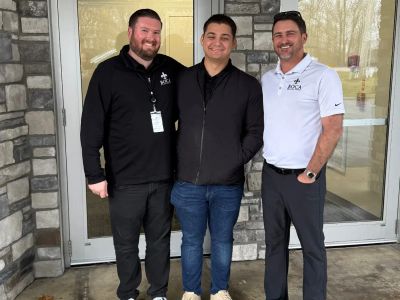
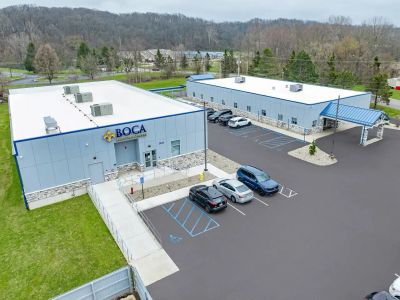

Boca Recovery Center - Indiana Drug and Alcohol Rehab
Huntington, Indiana
3040 W Park Dr, Huntington, IN 46750


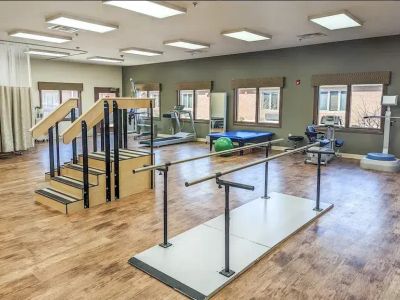
Bethel Pointe Health and Rehabilitation Center
Muncie, Indiana
3400 W Community Dr, Muncie, IN 47304
Get Personalized Rehab Matches in 60 Seconds
Tell us a few details and we’ll show a personalized shortlist of verified Indiana rehabs, making it simple to compare options and choose your next step with confidence.
Indianapolis Counseling Center
Indianapolis, Indiana
724 N Illinois St, Indianapolis, IN 46204
Pinnacle Treatment Centers - 2209 John R Wooden Drive
Martinsville, Indiana
2209 John R Wooden Drive, 3rd Floor Martinsville, IN 46151
Why Trust Indiana Rehabs
As Hoosiers helping Hoosiers, we understand the unique challenges our communities face. Our team meticulously verifies every Indiana treatment center, ensuring you find trusted, local care that truly understands your journey.
About our listingsLevels of Care
Explore popular treatment options by levels of care, from flexible treatment in Outpatient centers to intensive care in Residential rehabs.
Free · 24/7 · Confidential
Talk to a Treatment Specialist
Call now to get matched with Indiana facilities that accept your insurance.
(888) 568-9930
Free
Ins. check
4.9★
Rating
HIPAA
Protected
Can't travel to a facility?
Licensed Indiana therapists via secure video — same-week appointments, evenings & weekends available.
You grab a bottle of over-the-counter medicine for a headache or restless night, never imagining that relief could quietly shift into something you can’t easily let go of. It can feel bewildering, how did something so ordinary become so hard to manage? You’re not alone, and this path isn’t the end; recovery is real, and there are caring people and accessible resources in Indiana ready to help you find your way back.
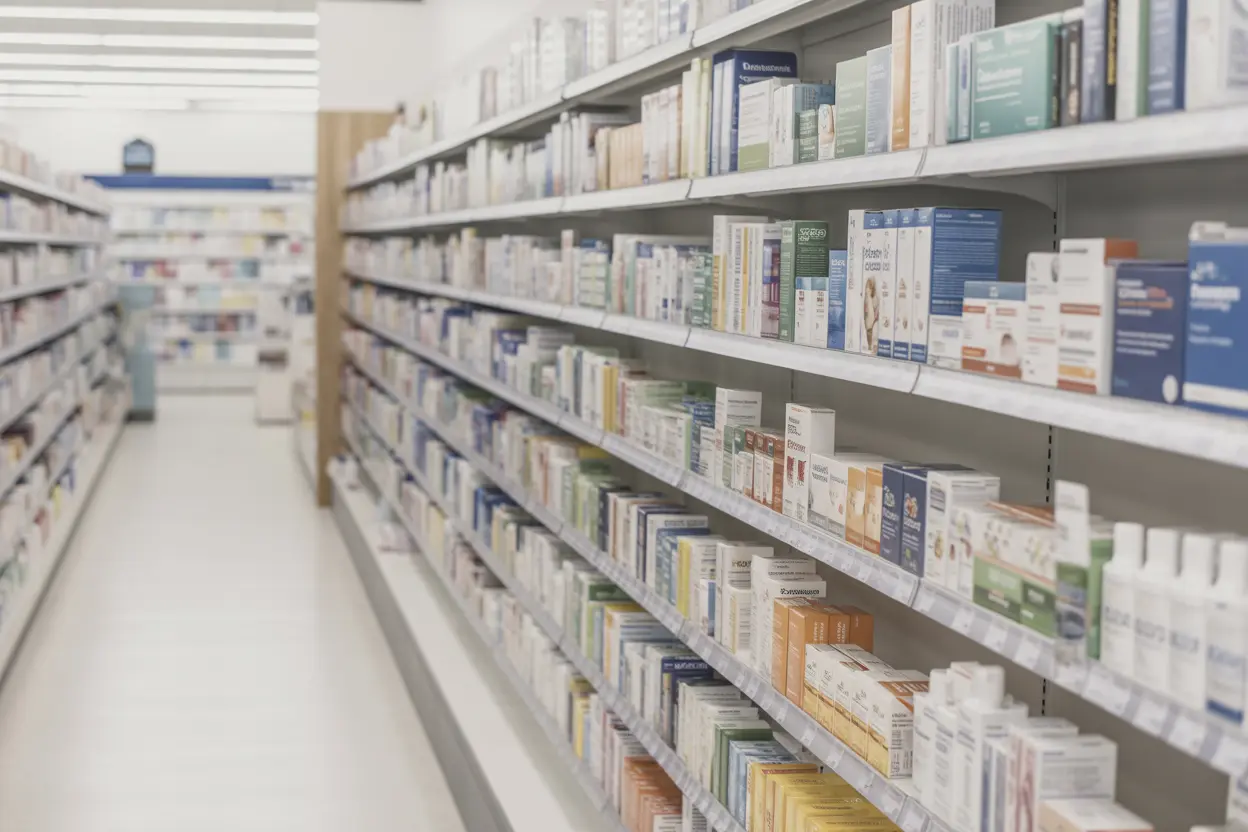
What Are OTC Drugs?
Over-the-counter (OTC) drugs are medications you can buy directly from a store shelf without a prescription from a doctor. You can find them in almost any pharmacy, supermarket, or convenience store, making them incredibly accessible for treating common health issues like colds, aches, and allergies. The U.S. Food and Drug Administration (FDA) considers these products safe and effective for public use, as long as people follow the directions on the label.
However, it’s easy to fall into the trap of thinking that because a drug is easy to get, it’s completely harmless. This is a common and dangerous misunderstanding. Unlike prescription medications, which are monitored by a healthcare provider, OTC products are used without any medical supervision. This accessibility can sometimes lead to misuse, where people use them in ways other than intended, which can have serious consequences for their health and well-being[1].
Over-the-Counter Drugs That Are Commonly Abused
While most people use OTC medications responsibly, some contain active ingredients that can produce psychoactive effects when taken in large doses. This potential for abuse is what can lead to dependence and addiction. It’s important to understand which common household medicines carry these risks.
Cough and Cold Medications
Many cough and cold remedies contain dextromethorphan (DXM), a cough suppressant that can cause feelings of euphoria and dissociation when taken in high doses. Some people misuse it to experience a "high," but doing so can lead to hallucinations, dizziness, and dangerous changes in heart rate and blood pressure. In fact, about 4% of 12th graders report having abused some form of cough medicine[2]. Decongestants with pseudoephedrine can also be misused for their stimulant effects.
Motion Sickness Medications
Medicines for motion sickness, like Dramamine or Benadryl, often contain dimenhydrinate or diphenhydramine. These antihistamines can cause drowsiness at the recommended dose, but in large amounts, they can lead to hallucinations, euphoria, and delirium. The risks are severe and can include confusion, blurred vision, seizures, and even coma.
OTC Pain Relievers
Pain relievers like ibuprofen (Advil) and acetaminophen (Tylenol) are not typically abused for a high. However, chronic overuse can lead to a different kind of problem: physical dependence and serious health issues. Taking too much acetaminophen is a leading cause of acute liver damage, while excessive use of ibuprofen can result in kidney damage and stomach bleeding.
Laxatives or Diet Pills
Some people misuse laxatives or diet pills in an attempt to control their weight. This is incredibly dangerous and can cause severe dehydration, electrolyte imbalances, and long-term damage to the digestive system. It can also lead to serious heart problems. The pressure to achieve a certain body image contributes to this misuse, creating a harmful cycle that puts physical and mental health at risk[3].
Over-The-Counter Drug Abuse
OTC drug abuse happens when someone uses a medication differently than directed on the label, taking more than the recommended dose, using it for a non-medical reason, or combining it with other substances. What might start as an attempt to manage a symptom can spiral into a serious addiction that affects every part of life. Recognizing the signs is the first step toward getting help.
Common signs of OTC drug abuse can include:
- Running out of medication much faster than expected.
- Visiting multiple stores to buy the same type of product.
- Hiding empty boxes or bottles.
- Changes in mood, sleep patterns, or energy levels.
- Withdrawing from friends, family, and activities.
- Continuing to use the drug despite negative health effects.
The long-term health risks are significant, ranging from organ damage and cognitive impairment to an increased risk of overdose, especially when OTC drugs are mixed with alcohol or other substances[4]. If you see these signs in yourself or someone you care about, it might be time to consider seeking professional treatment. If you're unsure, taking a confidential self-assessment can help clarify your next steps.
OTC Drug Addiction Treatment
Overcoming an addiction to OTC medications isn't something you have to do alone. Professional treatment provides the support, tools, and medical oversight needed to manage withdrawal symptoms and build a foundation for lasting recovery. Because stopping certain substances can cause severe withdrawal symptoms, medical detox is often the first step. This process helps you safely clear the drug from your body while medical staff manage any discomfort or complications.
After detox, a comprehensive rehab program can help you address the root causes of addiction. Treatment options are tailored to your needs and may include:
- Inpatient or residential programs: You live at the facility, receiving 24/7 care and support.
- Outpatient programs: You live at home while attending therapy sessions at a facility during the day or evening. This is a good option for those with strong support systems at home.
- Therapy and counseling: Approaches like cognitive behavioral therapy (CBT) help you identify and change negative thought patterns and behaviors related to drug abuse.
These programs provide a structured environment where you can focus entirely on your health and recovery journey[5]. In Indiana, facilities are available to guide you through every stage of the process[6].
Find a Rehab Center That Supports Medication Management
Taking the step to find help is a brave one, and there are many resources in Indiana ready to support you. You can use our directory to find rehab facilities across the state that specialize in substance abuse treatment. It’s a good idea to call a few centers and ask about their experience with OTC medication addiction. You can also find information through state resources like Indiana's Division of Mental Health and Addiction. Don't hesitate to ask questions about their programs, what types of insurance they accept, and what a typical day in treatment looks like. The right fit is out there, and finding it is a key part of your recovery.
Get The Resources To Beat Addiction
Remember, recognizing that an over-the-counter medicine has become a problem is a huge step forward. OTC medication addiction is a serious health condition, but it is treatable, and recovery is possible. With the right support and a commitment to change, you can regain control of your health and your life. Help is available right here in Indiana, filled with people who understand and are ready to walk this path with you.
If you’re ready to start your journey, you don’t have to do it alone. Call us today at (888) 568-9930 to speak with a compassionate specialist who can guide you. You can also explore treatment options at Indiana Rehabs or contact us online to get started. Taking this first step is the beginning of a brighter, healthier future.
Frequently Asked Questions About OTC Medication Addiction
Are OTC medications addictive?
How can I know if I have an addiction to OTC drugs?
Is it safe to stop taking OTC medications on my own?
What should I do if I think a loved one is abusing OTC meds?
Can I get professional help for OTC addiction in Indiana?
- Substance Abuse and Mental Health Services Administration. (2023). Results from the 2021 National Survey on Drug Use and Health. U.S. Department of Health and Human Services. samhsa.gov
- National Institute on Drug Abuse. (2022). Monitoring the Future Survey: Trends in prevalence of various drugs. National Institute on Drug Abuse. nida.nih.gov
- Ocaña-García, B. et al. (05-21-2021). Consumption of over-the-counter drugs: Prevalence and type of drugs. International Journal of Environmental Research and Public Health. ncbi.nlm.nih.gov
- Substance Abuse and Mental Health Services Administration. About substance use. Substance Abuse and Mental Health Services Administration. samhsa.gov
- Substance Abuse and Mental Health Services Administration. Medications for substance use disorders. Substance Abuse and Mental Health Services Administration. samhsa.gov
- U.S. Department of Health and Human Services, Office of the Assistant Secretary for Planning and Evaluation. (August, 2021). State residential treatment for behavioral health: Indiana. U.S. Department of Health and Human Services. aspe.hhs.gov