Oxycodone Rehabs

Showing 15 of 15 Results (filtered)
Featured Rehab Centers

Addiction Rehab Centers - ARC at Fox Hill | Drug & Alcohol Rehab - Mooresville Indiana
Mooresville, Indiana
12168 N Mann Rd, Mooresville, IN 46158
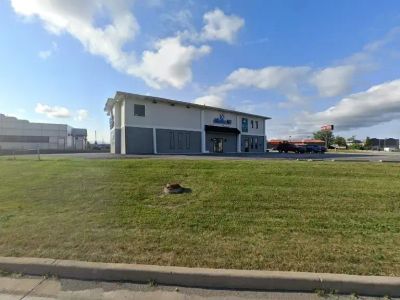
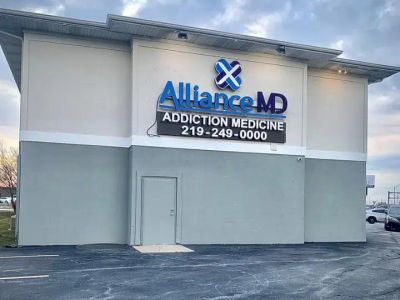
Alliance MD - Addiction Treatment Center
Merrillville, Indiana
8102 Georgia St, Merrillville, IN 46410

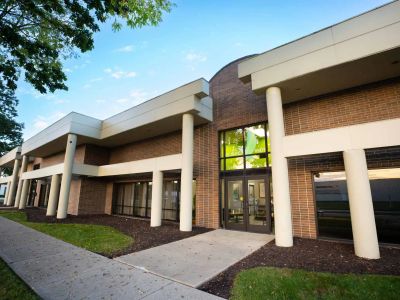
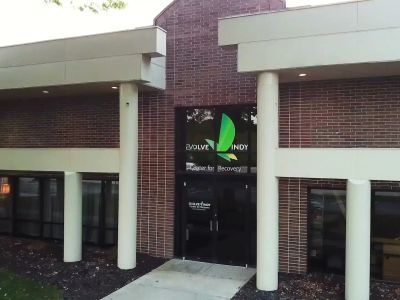
Evolve Indy
Indianapolis, Indiana
8770 Guion Rd, Indianapolis, IN, 46268
Get Personalized Rehab Matches in 60 Seconds
Tell us a few details and we’ll show a personalized shortlist of verified Indiana rehabs, making it simple to compare options and choose your next step with confidence.
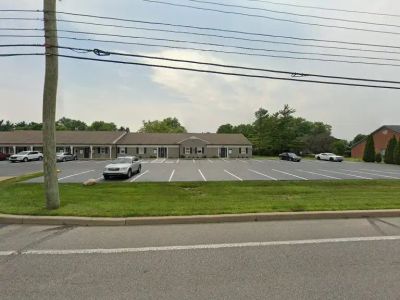
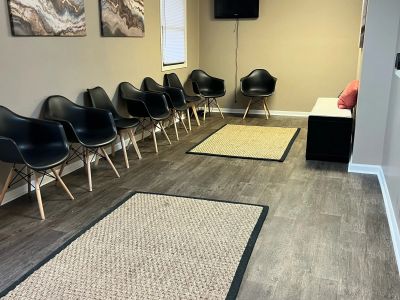
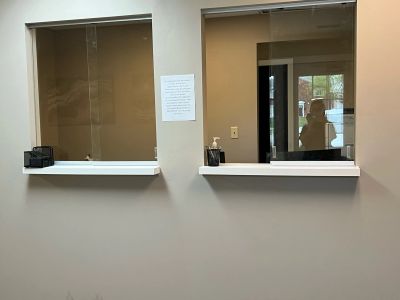
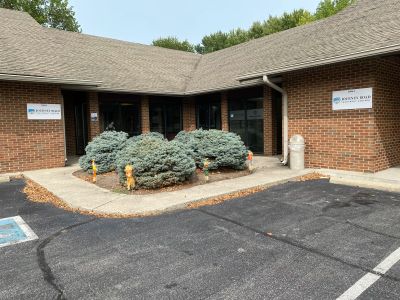
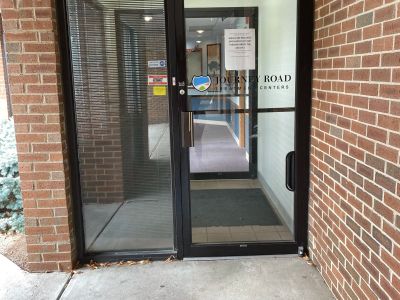
Journey Road Treatment Center - South
Indianapolis, Indiana
8106 Madison Ave, Indianapolis, IN 46227
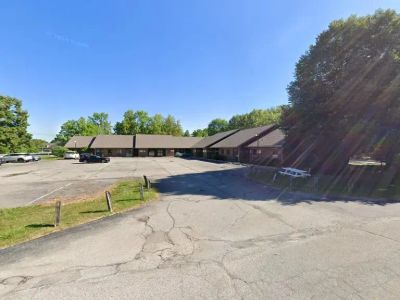
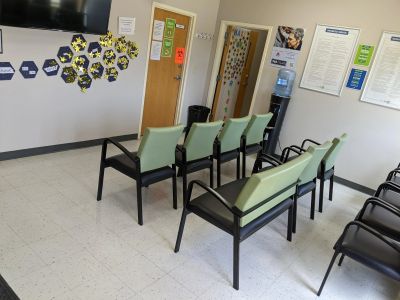
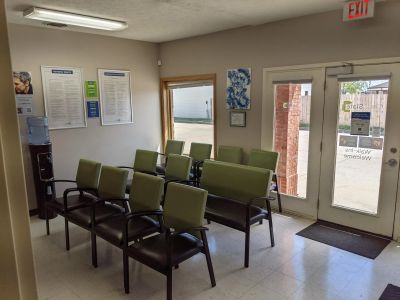
Journey Road Treatment Center - East
Indianapolis, Indiana
1201 N Post Rd Ste 4, Indianapolis, IN 46219

CleanSlate Outpatient Addiction Medicine
Lafayette, Indiana
30 Professional Ct #2A, Lafayette, IN 47905



Recovery Centers of America at Indianapolis
Indianapolis, Indiana
8530 Township Line Rd, Indianapolis, IN 46260


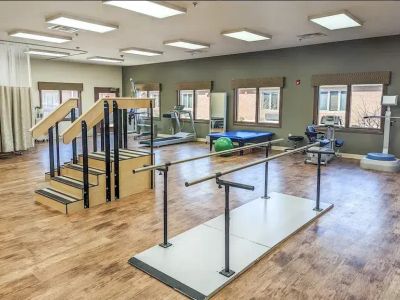
Bethel Pointe Health and Rehabilitation Center
Muncie, Indiana
3400 W Community Dr, Muncie, IN 47304
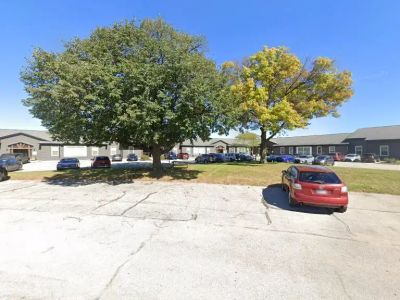
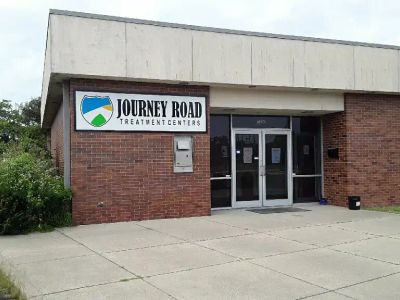

Journey Road Treatment Centers - West
Indianapolis, Indiana
5610 Crawfordsville Rd suite 15, Indianapolis, IN 46224
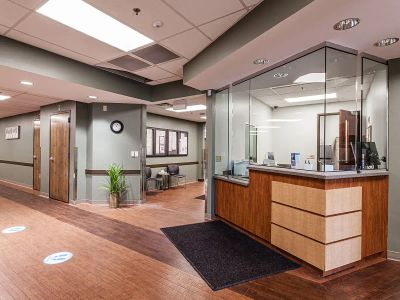
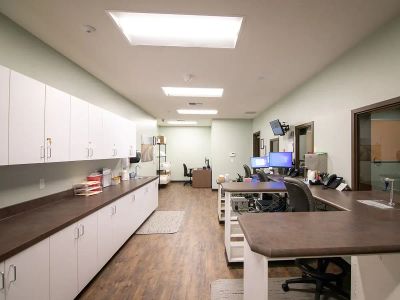
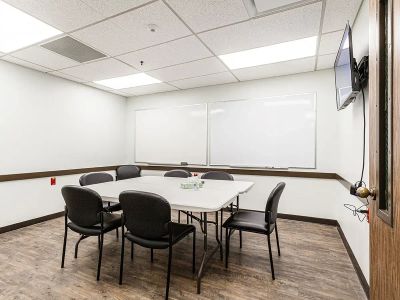
Comprehensive Treatment Centers - Richmond
Richmond, Indiana
4265 South A street, Richmond, IN, 47374
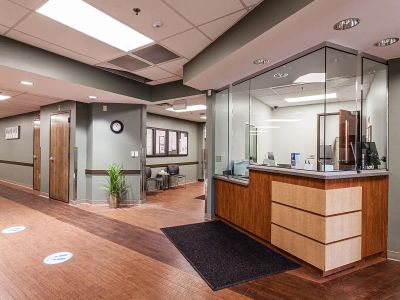
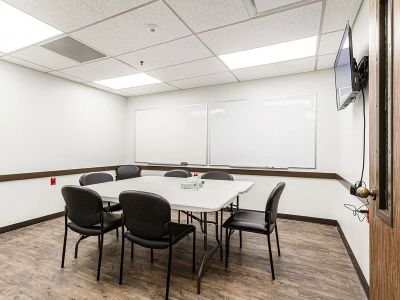
Comprehensive Treatment Centers - East Indiana
Lawrenceburg, Indiana
816 Rudolph Way Lawrenceburg, IN 47025
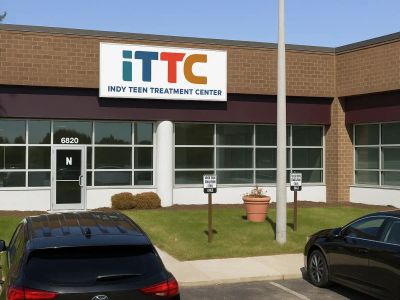
Indy Teen Treatment Center: Addiction and Mental Health Services
Indianapolis, Indiana
6620 Parkdale Pl ste n, Indianapolis, IN 46254
Comprehensive Treatment Centers - Seymour
Seymour, Indiana
357 Tanger Blvd, Suite 215 Seymour, IN 47272
Comprehensive Treatment Centers - Southern Indiana
Charlestown, Indiana
7509 Charlestown Pike Charlestown, IN 47111
Comprehensive Treatment Centers - Muncie
Muncie, Indiana
3640 N Briarwood Ln, Suite 1 Muncie, IN 47304
Why Trust Indiana Rehabs
As Hoosiers helping Hoosiers, we understand the unique challenges our communities face. Our team meticulously verifies every Indiana treatment center, ensuring you find trusted, local care that truly understands your journey.
About our listingsLevels of Care
Explore popular treatment options by levels of care, from flexible treatment in Outpatient centers to intensive care in Residential rehabs.
Free · 24/7 · Confidential
Talk to a Treatment Specialist
Call now to get matched with Indiana facilities that accept your insurance.
(888) 568-9930
Free
Ins. check
4.9★
Rating
HIPAA
Protected
Can't travel to a facility?
Licensed Indiana therapists via secure video — same-week appointments, evenings & weekends available.
It often starts so quietly, a prescription meant to soothe pain, only for the line between relief and dependence to blur before you even realize it. If you’re feeling lost or trapped by how quickly things changed, please know you’re not alone and there’s no shame in your struggle. There are real, practical ways to step forward, with support close at hand here in Indiana. Recovery is possible, and with the right help, you can find your way back to yourself.
What is Oxycodone?
Oxycodone is a powerful prescription medication that belongs to a class of drugs known as opioids. Doctors prescribe it to manage severe pain that doesn't respond to other treatments[1]. You might recognize it by brand names like OxyContin, Percocet, or Roxicodone. While it’s incredibly effective for pain relief, its interaction with the brain's reward system is what makes it so high-risk. Over time, your brain can adapt to its presence, leading to tolerance where you need more to get the same effect. This can quickly shift into physical dependence, where your body feels like it can't function normally without the drug, sometimes paving the way for addiction even when you’re just trying to follow your doctor’s orders.
Do I need oxycodone rehab?
Asking yourself this question is a brave and important first step. It can be hard to see the line between needing a medication and being dependent on it. If you're wondering whether your use of oxycodone has become a concern, take a moment to reflect on these common signs. This isn't about judgment; it's about honestly checking in with yourself.

Recognizing some of these signs of oxycodone addiction can be an indicator that it might be time to seek support. These patterns often fit the clinical criteria for an opioid use disorder[2].
- Behavioral Signs: Withdrawing from friends and family, losing interest in hobbies you once loved, "doctor shopping" to get multiple prescriptions, or facing financial trouble due to the cost of obtaining the drug.
- Physical Signs: Experiencing drowsiness or confusion, changes in your sleep patterns, constipation, or noticing your pupils are smaller than usual.
- Psychological Signs: Feeling irritable or having mood swings, experiencing anxiety when you can't take the medication, and feeling like you can't stop using it, even if you want to.
Oxycodone Detox & Withdrawal
When your body becomes dependent on oxycodone, it reacts strongly when the drug is suddenly gone. This reaction is known as withdrawal, and the symptoms can be incredibly difficult to manage on your own. Many people experience intense flu-like symptoms, deep muscle and bone pain, anxiety, and powerful cravings. Trying to quit "cold turkey" isn't just uncomfortable; it can be dangerous. Your tolerance for the drug drops significantly during withdrawal, which means that if a relapse occurs, the dose you used to take could now be enough to cause a fatal overdose.
This is why professional medical supervision is so important. A medical detox program provides a safe, supportive environment where healthcare professionals can help manage your withdrawal symptoms around the clock. They ensure you are as comfortable as possible while keeping you safe from medical complications, setting a stable foundation for the next phase of your recovery.
Oxycodone Withdrawal Timeline
While everyone's experience is unique, the oxycodone withdrawal timeline generally follows a predictable pattern. Initial symptoms, like muscle aches and anxiety, often begin within 12 to 24 hours after the last dose. The first few days, typically days one through three, are usually the most intense, with peak symptoms like nausea, insomnia, and sweating. After about a week, these acute symptoms usually start to subside. However, some psychological symptoms, such as mood swings and cravings, can linger for weeks or months in what is known as post-acute withdrawal syndrome (PAWS).
Oxycodone Withdrawal Medications
Medication-assisted treatment (MAT) is a key part of safely managing oxycodone withdrawal. It involves using specific medications to ease withdrawal symptoms and reduce cravings, which gives you the space to focus on your recovery. Medications like buprenorphine (often known by the brand name Suboxone) are commonly used because they can significantly lessen the discomfort of detox[3]. This approach helps stabilize your body so you can begin the deeper work of healing from addiction.
Oxycodone Addiction Treatment
Getting through detox is a huge accomplishment, but it's only the first step. True recovery from oxycodone addiction involves addressing the underlying thoughts, feelings, and behaviors that led to substance abuse in the first place. This is where addiction treatment comes in. There’s no one-size-fits-all solution, so the best programs create an individualized treatment plan tailored to your specific needs, history, and goals for the future. Understanding your options can help you find the right level of care to support your journey toward lasting sobriety.
Inpatient Treatment
Inpatient treatment, also known as residential treatment, is the most intensive level of care. In these programs, you live at the treatment facility, which provides a highly structured and supportive environment free from outside triggers and distractions[4]. This setting offers 24/7 medical and emotional support, which is especially helpful for people with severe oxycodone addiction or those also struggling with co-occurring mental health conditions like depression or anxiety. The focus is on intensive therapy, counseling, and learning healthy coping skills to build a strong foundation for recovery.
Outpatient Treatment
Outpatient treatment offers more flexibility, allowing you to live at home and continue with work, school, or family responsibilities while attending scheduled therapy sessions at a facility. These programs vary in intensity. For example, a partial hospitalization program (PHP) may require you to be at the center for most of the day, several days a week, while an intensive outpatient program (IOP) involves fewer hours. Outpatient care is a great option for those with a strong support system at home and is often used as a step-down level of care after completing an inpatient treatment program.
Continued Care Options for Oxycodone Addiction
Recovery doesn't end when you leave a treatment program. It's an ongoing journey that requires continued support to maintain long-term sobriety. Aftercare is a critical part of any good treatment plan, as it helps you navigate the challenges of daily life without returning to substance use. Think of it as a bridge back to your community, equipped with the tools and support system you need to thrive. These continued care options are essential for relapse prevention and building a fulfilling life in recovery[5]. Common options include sober living homes, which offer a supportive, substance-free environment, and 12-step programs like Narcotics Anonymous (NA). Many facilities also have alumni programs to help you stay connected, along with ongoing group or individual therapy.
Finding an Oxycodone Rehab in Indiana
Taking the step to find help can feel overwhelming, but there are clear, simple actions you can take right now. A great starting point is to talk with your doctor or a mental health professional who can provide guidance. It's also important to understand what your insurance covers. You can call the number on the back of your insurance card to ask about your benefits for substance abuse treatment[6]. For residents seeking state-certified options, the Indiana Opioid Treatment Program network is a valuable resource. You can explore the different types of rehab centers in our directory to compare programs. When you’re ready, call our helpline to confidentially discuss your options and find a facility that’s right for you.
Take the First Step Toward Recovery
If there’s one thing to take away from this, it’s that oxycodone addiction is a treatable condition, and a full, meaningful life in recovery is absolutely possible. Reaching out for help isn’t a sign of weakness; it’s an act of incredible strength and courage. You don't have to walk this path alone. The journey to sobriety begins with a single, brave step, and there are people across Indiana who are ready to walk alongside you, offering the support and care you deserve.
Feeling hopeful is the first step toward a new beginning. When you're ready to talk, our compassionate team is here to listen without judgment and help you explore your options. Call us at (888) 568-9930 or visit our contact page to get in touch. At Indiana Rehabs, we believe in your strength to heal, and we're here to help you find your way.
Frequently Asked Questions About Oxycodone Rehab in Indiana
How much does oxycodone rehab cost?
How long does oxycodone rehab last?
What happens in oxycodone rehab?
What kind of therapy is used for oxycodone addiction?
Can I use my insurance for oxycodone rehab in Indiana?
What should I bring to inpatient rehab?
- Dowell, D., Ragan, K. R., Jones, C. M., et al. (11-04-2022). CDC Clinical Practice Guideline for Prescribing Opioids for Pain. Centers for Disease Control and Prevention. cdc.gov
- Manhapra, A. & Kyle, C. A. (01-17-2024). Opioid Use Disorder: Evaluation and Management. StatPearls. ncbi.nlm.nih.gov
- (2025). Medications for Opioid Use Disorder. National Institute on Drug Abuse. nida.gov
- (August, 2021). Indiana State Residential Treatment for Behavioral Health Conditions. U.S. Department of Health & Human Services. aspe.hhs.gov
- (November, 2024). Indiana Drug & Alcohol Use Recovery: A Progress Report. State of Indiana Commission to Combat Substance Use Disorder. in.gov
- Indiana Medicaid. (06-16-2021). Substance Use Disorder (SUD)/Serious Mental Illness (SMI) Treatment. Indiana Family and Social Services Administration. in.gov