PCP Rehabs

Showing 3 of 3 Results (filtered)
Featured Rehab Centers

Addiction Rehab Centers - ARC at Fox Hill | Drug & Alcohol Rehab - Mooresville Indiana
Mooresville, Indiana
12168 N Mann Rd, Mooresville, IN 46158
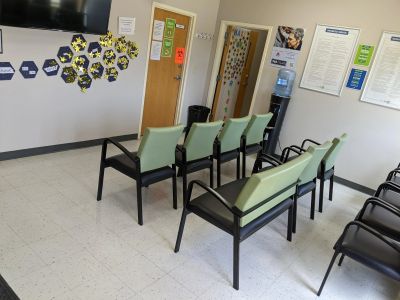
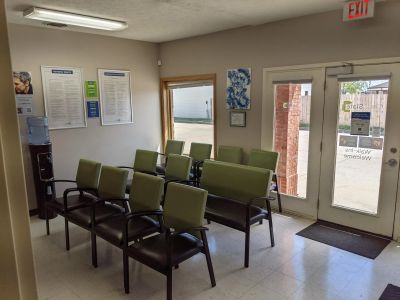
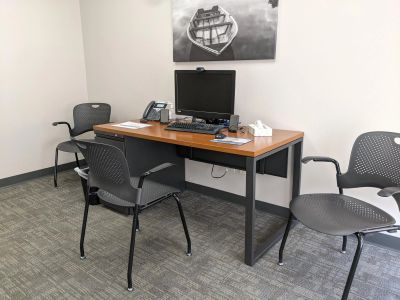
CleanSlate Outpatient Addiction Medicine
Lafayette, Indiana
30 Professional Ct #2A, Lafayette, IN 47905


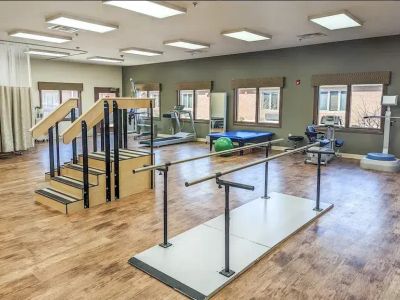
Bethel Pointe Health and Rehabilitation Center
Muncie, Indiana
3400 W Community Dr, Muncie, IN 47304
Get Personalized Rehab Matches in 60 Seconds
Tell us a few details and we’ll show a personalized shortlist of verified Indiana rehabs, making it simple to compare options and choose your next step with confidence.
Why Trust Indiana Rehabs
As Hoosiers helping Hoosiers, we understand the unique challenges our communities face. Our team meticulously verifies every Indiana treatment center, ensuring you find trusted, local care that truly understands your journey.
About our listingsLevels of Care
Explore popular treatment options by levels of care, from flexible treatment in Outpatient centers to intensive care in Residential rehabs.
Free · 24/7 · Confidential
Talk to a Treatment Specialist
Call now to get matched with Indiana facilities that accept your insurance.
(888) 568-9930
Free
Ins. check
4.9★
Rating
HIPAA
Protected
Can't travel to a facility?
Licensed Indiana therapists via secure video — same-week appointments, evenings & weekends available.
Have you ever felt completely disconnected from your own body, where reality blurs and even simple moments seem impossible to trust? That unsettling loss of control is something no one should endure alone. Finding your way back starts with understanding what you’re facing, PCP’s effects can be confusing and frightening, but you don’t have to navigate it without support. Trusted, compassionate care is within reach in Indiana, ready to help you reclaim clarity and a steadier path forward.
What is PCP/Angel Dust?
Phencyclidine, better known as PCP or Angel Dust, is a powerful dissociative drug. This means it distorts perceptions of sight and sound and produces feelings of detachment, from the environment and even from oneself[1]. It was first developed in the 1950s as a surgical anesthetic, but its use on humans was stopped due to severe side effects like agitation and hallucinations. Today, PCP is an illicit drug sold in various forms, including a white crystalline powder, liquid, or tablet. It often goes by street names like "Hog" or "Sherm." One of the most common ways it's used is by smoking it after it’s been sprinkled on substances like marijuana or tobacco. Understanding what PCP is can be the first step toward seeking help.
Signs and Symptoms of PCP/Angel Dust Addiction
Recognizing the signs of PCP use can be difficult because its effects are so unpredictable. A person’s behavior can shift dramatically from one moment to the next. If you're worried that you or someone you care about might be struggling with a substance use disorder, knowing the symptoms can help you understand when it’s time to seek support. The signs are often grouped into psychological, physical, and behavioral categories.

Here are some of the common effects of PCP use to watch for[1]:
- Psychological Symptoms: These affect a person's thoughts and feelings. They often include powerful hallucinations, delusions of superhuman strength, paranoia, anxiety, and a profound sense of being disconnected from reality.
- Physical Symptoms: The drug takes a noticeable toll on the body. You might see a blank stare, rapid and involuntary eye movements, slurred speech, or a lack of coordination. Numbness in the hands and feet is also common.
- Behavioral Symptoms: Changes in behavior are often the most visible signs. This can range from social withdrawal and neglecting responsibilities to erratic and sometimes violent outbursts. A person might also engage in high-risk behaviors without thinking about the consequences.
Short and Long-Term Effects of Untreated Angel Dust Addiction
When PCP use continues without treatment, the risks to a person's health and well-being multiply. In the short term, users are vulnerable to accidents and injuries due to the drug’s anesthetic effects and the distorted sense of reality it creates. The long-term effects of untreated addiction can cause lasting damage to the brain and body. Many people who use PCP for a long time experience persistent speech problems, significant memory loss, severe depression, and chronic anxiety[1]. In some cases, it can trigger a long-lasting psychosis that resembles schizophrenia.
One of the greatest dangers is overdose. An overdose can lead to seizures, coma, respiratory failure, and even death. The risk is real and has become more prominent over time. To give you an idea of the growing concern, emergency department visits related to PCP increased by more than 400% in just a few years. This statistic underscores why getting professional health care for PCP addiction is so critical.
The Process of Treating PCP Addiction
Starting the journey to recovery from PCP addiction can feel overwhelming, but you don’t have to figure it out alone. The treatment process is structured to provide support every step of the way, and it’s always tailored to your unique needs. Lasting recovery begins with a comprehensive professional assessment. This first step helps a care team understand the extent of the substance use disorder, identify any co-occurring mental health conditions, and determine the most appropriate level of care to start your healing process[2]. From there, treatment typically moves through several phases designed to build a strong foundation for sobriety.

Withdrawal Management
The first stage of treatment is often withdrawal management, commonly known as detox. Stopping PCP use can lead to unpredictable and psychologically taxing withdrawal symptoms. Intense cravings, confusion, agitation, and severe depression are common, making it incredibly difficult to manage on your own. A medically supervised detox program provides a safe and comfortable environment where medical professionals can help manage these symptoms and ensure your safety.
Residential/Inpatient Treatment
For those who need intensive support, residential or inpatient treatment offers a structured, 24/7 care environment. This level of care is often recommended for individuals with a severe addiction, those also struggling with mental health disorders, or anyone whose home environment isn't stable or supportive of recovery[3]. In an inpatient facility, you can focus entirely on your recovery without the distractions and triggers of daily life. The program includes a combination of therapy, counseling, and support.
Outpatient Treatment
Outpatient treatment programs offer more flexibility, allowing you to live at home while attending therapy sessions at a treatment facility. This option includes partial hospitalization programs (PHP) and intensive outpatient programs (IOP), which vary in time commitment. Outpatient care is a great fit for people with a strong support system at home who need to continue with work, school, or family responsibilities while in recovery.
Sober Living
After completing a primary treatment program, transitioning back to everyday life can be challenging. Sober living homes serve as a form of aftercare, offering a supportive, substance-free environment to bridge that gap. These residences provide accountability and peer support, helping you practice the skills learned in rehab while rebuilding your life in a safe and structured setting. It’s a crucial step for maintaining long-term sobriety and continuing the recovery journey.
Will Insurance Cover Rehab?
Yes, in most cases, insurance will cover rehab for a substance use disorder. Federal laws like the Mental Health Parity and Addiction Equity Act (MHPAEA) require most health insurance plans to provide coverage for mental health and substance use disorder treatment that is comparable to coverage for medical and surgical care[4]. In Indiana, this means that state programs like Medicaid also cover these essential health services[2]. However, the specifics of your coverage can vary, so it's always a good idea to contact your insurance provider or speak with the admissions team at a treatment facility to confirm your benefits.
The cost of PCP rehab depends on the facility, location, and level of care you need. If you don't have insurance or are worried about out-of-pocket expenses, don't lose hope. Many rehab centers offer other payment options, such as financing plans or sliding scale fees based on your income. There are also state-funded resources available, and you can learn more by checking out SAMHSA's guide to Indiana Medicaid resources.
Choosing a PCP Rehab Center
Finding the right PCP rehab center is a personal decision, but you don't have to make it blindly. Taking the time to compare your options will help you find a program that aligns with your needs and gives you the best chance at a successful recovery. As you explore different types of treatment programs in Indiana, keep these factors in mind:
- Location: Do you want a facility close to home and your support network, or would you benefit from being in a new environment away from potential triggers?
- Levels of Care: Does the center offer a full continuum of care, from detox and inpatient programs to outpatient and aftercare support? A facility that provides multiple levels of care can ensure a seamless transition as you progress in your recovery.
- Licensing and Accreditation: Look for rehab centers that are licensed by the state of Indiana and accredited by reputable organizations like The Joint Commission or CARF[3]. These credentials indicate that the facility meets high standards of quality and safety.
- Staff Credentials and Experience: Inquire about the qualifications of the clinical staff. Do they have experience treating addiction to hallucinogens and other dissociative drugs? A knowledgeable team is crucial for addressing the unique challenges of PCP addiction.
- Treatment Approach: Ask about the therapies they use. Effective programs rely on evidence-based approaches like cognitive-behavioral therapy (CBT), dialectical behavior therapy (DBT), and motivational interviewing.
You Don't Have to Fight Alone
Navigating the effects of PCP addiction is a heavy burden, but it’s not one you have to carry by yourself. The path to recovery is real, and it starts with the brave decision to ask for help. Remember, this is a recognized health condition, and compassionate, professional treatment is available right here in Indiana to guide you toward a healthier, more stable life. You have the strength to reclaim your future from substance use, and the right support system can make all the difference.
Taking that first step is often the hardest part, but it opens the door to healing. Whether you're ready to explore treatment options for yourself or a family member, help is just a phone call away. You can begin the process today by browsing local rehab facilities or making a confidential call. Your journey back to clarity and control can start now.
If you’re ready to take the next step or just want to talk to someone who understands, call us at (888) 568-9930. Our team at Indiana Rehabs is here to help you find the support you deserve. You can also contact us online to start your journey toward recovery.
Frequently Asked Questions About PCP Rehab in Indiana
How long does rehab for PCP addiction last?
What happens after PCP rehab?
Can PCP addiction be cured?
What is the first step to getting help for PCP addiction in Indiana?
What types of therapy are used to treat PCP addiction?
- Indiana Family and Social Services Administration, Division of Mental Health and Addiction. (2024). Drug fact sheet: Substance use in Indiana, SFY 2024. State of Indiana. in.gov
- Indiana Medicaid. (06-16-2021). Substance Use Disorder (SUD)/Serious Mental Illness (SMI) treatment. State of Indiana. in.gov
- U.S. Department of Health & Human Services. (August, 2021). Indiana state residential treatment for behavioral health conditions. ASPE. aspe.hhs.gov
- Medicaid.gov. (10-19-2023). Indiana Healthy Indiana Plan SUD summative evaluation report. Centers for Medicare & Medicaid Services. medicaid.gov