
Pornography Addiction Rehabs

Showing 4 of 4 Results (filtered)
Featured Rehab Centers

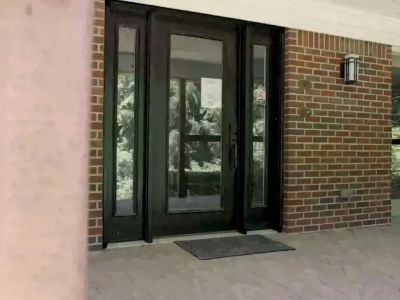
Addiction Rehab Centers - ARC at Fox Hill | Drug & Alcohol Rehab - Mooresville Indiana
Mooresville, Indiana
12168 N Mann Rd, Mooresville, IN 46158


New Life Deliverance Center
South Bend, Indiana
2525 South Michigan Street, South Bend, IN 46614


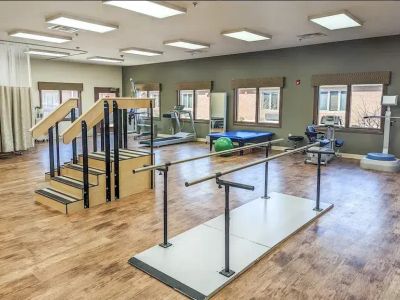
Bethel Pointe Health and Rehabilitation Center
Muncie, Indiana
3400 W Community Dr, Muncie, IN 47304
Get Personalized Rehab Matches in 60 Seconds
Tell us a few details and we’ll show a personalized shortlist of verified Indiana rehabs, making it simple to compare options and choose your next step with confidence.
Pinnacle Treatment Centers - 2209 John R Wooden Drive
Martinsville, Indiana
2209 John R Wooden Drive, 3rd Floor Martinsville, IN 46151
Why Trust Indiana Rehabs
As Hoosiers helping Hoosiers, we understand the unique challenges our communities face. Our team meticulously verifies every Indiana treatment center, ensuring you find trusted, local care that truly understands your journey.
About our listingsLevels of Care
Explore popular treatment options by levels of care, from flexible treatment in Outpatient centers to intensive care in Residential rehabs.
Free · 24/7 · Confidential
Talk to a Treatment Specialist
Call now to get matched with Indiana facilities that accept your insurance.
(888) 568-9930
Free
Ins. check
4.9★
Rating
HIPAA
Protected
Can't travel to a facility?
Licensed Indiana therapists via secure video — same-week appointments, evenings & weekends available.
Do you feel like your relationship with pornography is something you have to hide, carrying around a quiet weight of secrecy and shame? If that question hits close to home, you’re far from alone, and you don’t have to keep struggling in silence. Real change starts with understanding what you’re experiencing, not judging it. There’s a path forward with proven steps and real support, and reaching for help in Indiana is more possible than you might think.

What is Porn Addiction?
Pornography addiction is a type of behavioral addiction. This means it’s not about a substance, but about a compulsive need to engage in an activity, in this case, viewing pornographic material. The key word here is “compulsive.” It’s when you find yourself watching pornography again and again, even when it causes negative consequences in your life, your health, or your relationships. That feeling of being out of control is a core part of what defines this struggle[1].
If you're asking yourself, "Can I really be addicted to porn?" the answer lies in how the behavior affects you. While it isn't listed in the Diagnostic and Statistical Manual of Mental Disorders (DSM-5), many mental health professionals recognize compulsive pornography use as a serious condition that requires treatment. It's considered a process addiction, similar to gambling or internet addiction. The shame and secrecy surrounding the topic often make it hard to talk about, but it’s more common than people realize. Estimates suggest that between 3.2% and 16.6% of people experience problematic pornography use.
Signs of Porn Addiction
It’s important to remember that addiction isn’t defined by how often you view pornography, but by the patterns of behavior that form around it. Are you trying to cut back but can’t? Research shows that many people struggle with this; one study found that 40.3% of men and 22.8% of women have made unsuccessful efforts to control or reduce their use[2]. Recognizing these symptoms in your own life is the first step toward change. Some common signs include:
- Feeling unable to stop or control your use, even when you want to.
- Spending more and more time watching pornography to get the same effect.
- Losing interest in hobbies or activities you once enjoyed.
- Continuing to watch porn despite negative consequences in your relationships or at work.
- Feeling irritable, anxious, or depressed when you try to stop.
- Hiding your use from your partner, family, or friends.
- Using pornography to cope with stress, loneliness, or other difficult emotions.
Increased porn consumption
One of the classic signs of any addiction is tolerance, and it’s no different here. This is when you find yourself needing more frequent or more extreme types of pornography to achieve the same level of arousal or escape you used to. What might have started as a casual habit can escalate, leading to intense cravings and a feeling that you’re constantly chasing something more. This increasing consumption often becomes a cycle that feels difficult to break.
Neglecting responsibilities
When the time you spend viewing pornography starts to interfere with your daily life, it’s a clear red flag. This can look like being late for work, missing family events, or putting off important tasks. It's a startling fact that a significant amount of internet pornography traffic occurs during the 9-to-5 workday, which shows just how much this behavior can impact professional responsibilities. When your commitments at work, school, or home take a backseat to pornography, it’s a sign that your use has become a problem.
Secrecy and isolation
The shame that often accompanies compulsive pornography use can lead to a life of secrecy. You might find yourself hiding your viewing habits, deleting your browser history, or lying about how you spend your time. This secrecy can create distance in your most important relationships, causing you to withdraw from friends, family, and social activities. Over time, this isolation can worsen feelings of loneliness and shame, creating a feedback loop that drives you back to pornography for comfort.
Causes of Porn Addiction
There's no single cause for pornography addiction. Instead, it’s usually a mix of psychological, biological, and social factors that create a perfect storm. Think of it less like a switch that gets flipped and more like a path that someone gradually walks down. Understanding the risk factors isn't about placing blame; it's about seeing the full picture so you can find the right way forward. For many, co-occurring mental health conditions play a major role. Among those struggling with compulsive porn use, about 40% also have a mood disorder and 38% have an anxiety disorder[2].
Psychological factors
Often, compulsive pornography use begins as a way to cope with difficult feelings. Underlying issues like depression, anxiety, chronic stress, or low self-esteem can make pornography seem like an easy escape. For individuals with a history of trauma, it can also become a way to self-soothe or numb emotional pain. When life feels overwhelming, the temporary relief offered by pornography can be powerful, but it doesn't solve the root problems and often makes these mental health issues worse in the long run.
Accessibility and availability
The modern world has made pornography more accessible than ever before. With high-speed internet on smartphones and computers, it's available 24/7 with complete anonymity. This constant access makes it easier to develop a compulsive habit and much easier to hide it. Unlike other addictions that require you to go somewhere or buy something, pornography is always just a few clicks away. This unique combination of accessibility and privacy can make it especially challenging to manage consumption and break the cycle of addiction.
Complications of Long-Term Pornography Use
Over time, what starts as a seemingly harmless habit can lead to serious negative consequences that touch every part of your life. The effects aren't just about the time spent watching; they can deeply impact your mental health, relationships, and even your sexual function. Many people report that long-term use leaves them feeling more isolated and disconnected than before they started[2].
In relationships, compulsive pornography use can erode trust and intimacy. Partners may feel betrayed or inadequate, leading to conflict and emotional distance. It can also create unrealistic sexual expectations that real-life encounters can't meet. Mentally, the constant cycle of use and secrecy often fuels feelings of shame, depression, and anxiety. It can become a source of intense guilt that lowers self-worth. Finally, some individuals experience sexual dysfunction, where the brain becomes so accustomed to the intense stimulation of pornography that it becomes difficult to become aroused with a real-life partner. Recognizing these effects is a critical step in understanding the need for change.

Treatment For Porn Addiction
If you recognize yourself in the signs and symptoms described, please know there is so much hope for recovery. Effective, evidence-based porn addiction treatment is available, and you don’t have to figure this out on your own. Unlike some other addictions, treatment for compulsive pornography use is almost always done on an outpatient basis, which means you can get help while still managing your daily life. The goal of treatment isn't to create more shame, but to provide you with the tools, support, and understanding to build a healthier life. The primary approach involves different forms of therapy designed to address the root causes of the behavior[3].
Psychotherapy
Psychotherapy, or "talk therapy," is the foundation of treatment for pornography addiction. It provides a safe, confidential space to explore the underlying reasons for your behavior with a trained professional. The most common and effective approach is cognitive behavioral therapy (CBT). CBT helps you identify the triggers and thought patterns that lead to compulsive use, challenge distorted beliefs, and develop healthier coping strategies for dealing with stress and difficult emotions[1]. Other therapies like motivational interviewing can also help you build and maintain your commitment to change.
Support Groups
You are not alone in this struggle, and connecting with others who understand can be incredibly healing. Support groups offer a sense of community and accountability that reduces the shame and isolation so common with pornography addiction. Programs like Sex Addicts Anonymous (SAA) are based on a 12-step model and provide a structured path to recovery alongside peers who share similar experiences. These groups allow you to share your story without judgment and learn from others who are further along in their recovery journey.
Medication-Assisted Treatment
It’s important to know that there are no FDA-approved medications specifically for porn addiction. However, medication can still play a valuable supporting role in treatment. Often, medications are used to treat co-occurring conditions like depression and anxiety, which can be major drivers of compulsive behavior. Antidepressants (like SSRIs) can help stabilize your mood and reduce the urge to use pornography as a coping mechanism. In some cases, medications like naltrexone may be used "off-label" to help reduce cravings and the rewarding effects of viewing pornography.
Find Treatment For Porn Addiction
Taking the step to find treatment is a powerful act of self-care. Here in Indiana, there are resources available to help you start your recovery journey. The key is finding a therapist or counselor who has experience with behavioral addictions and impulse-control disorders. When you search for help, don't be afraid to ask questions. You can ask a potential therapist about their experience with compulsive pornography use and what their treatment approach looks like. Finding someone you feel comfortable with is essential for successful therapy.
Your privacy is protected throughout this process. All licensed mental health facilities in Indiana are held to strict confidentiality standards[4]. You can use our directory to find a provider near you and filter by specialty and insurance. Many providers offer services covered by Indiana Medicaid and private insurance plans[5]. You can also visit the state's official portal to find treatment in Indiana and explore licensed behavioral health services.
You’ve already taken a courageous first step by seeking out this information. Reaching out for help is a sign of strength, not weakness. You don’t have to carry this burden alone any longer. There are compassionate professionals across Indiana ready to support you in regaining control and building a life free from the weight of secrecy and shame. If you're ready to talk, our team is here to help you understand your options. Just call us at (888) 568-9930. At Indiana Rehabs, we can connect you with the right support. Please reach out to us today to start your journey toward healing.
Frequently Asked Questions About Porn Addiction Treatment in Indiana
What's the difference between a habit and an addiction?
How do I talk to my partner about my porn addiction?
Is inpatient treatment necessary for porn addiction?
Can porn addiction be cured?
Will I have to stop watching porn forever?
How much does treatment for porn addiction cost in Indiana?
- Wegmann, E., et al. (2024). Reducing problematic pornography use with imaginal retraining. Journal of Behavioral Addictions. pmc.ncbi.nlm.nih.gov
- Bőthe, B., et al. (2021). Associations between online pornography consumption and mental and sexual health: A scoping review. Sexuality & Culture. pmc.ncbi.nlm.nih.gov
- Utah State University. (2016). USU research yields dramatic results in treatment for pornography addiction. Utah State University. usu.edu
- U.S. Department of Health and Human Services. (August, 2021). State residential treatment for behavioral health conditions: Indiana. U.S. Department of Health and Human Services. aspe.hhs.gov
- Substance Abuse and Mental Health Services Administration. (2023). Help for mental health, drugs, alcohol – IN Medicaid, CHIP. SAMHSA. samhsa.gov