
Pregabalin Rehabs

Showing 3 of 3 Results (filtered)
Featured Rehab Centers

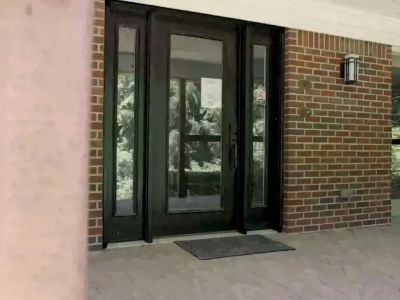
Addiction Rehab Centers - ARC at Fox Hill | Drug & Alcohol Rehab - Mooresville Indiana
Mooresville, Indiana
12168 N Mann Rd, Mooresville, IN 46158

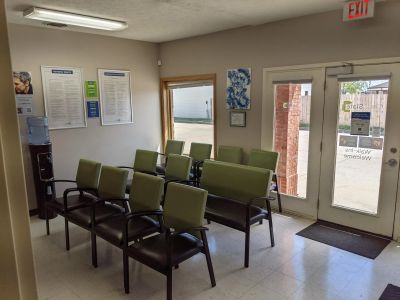

CleanSlate Outpatient Addiction Medicine
Lafayette, Indiana
30 Professional Ct #2A, Lafayette, IN 47905



Bethel Pointe Health and Rehabilitation Center
Muncie, Indiana
3400 W Community Dr, Muncie, IN 47304
Get Personalized Rehab Matches in 60 Seconds
Tell us a few details and we’ll show a personalized shortlist of verified Indiana rehabs, making it simple to compare options and choose your next step with confidence.
Why Trust Indiana Rehabs
As Hoosiers helping Hoosiers, we understand the unique challenges our communities face. Our team meticulously verifies every Indiana treatment center, ensuring you find trusted, local care that truly understands your journey.
About our listingsLevels of Care
Explore popular treatment options by levels of care, from flexible treatment in Outpatient centers to intensive care in Residential rehabs.
Free · 24/7 · Confidential
Talk to a Treatment Specialist
Call now to get matched with Indiana facilities that accept your insurance.
(888) 568-9930
Free
Ins. check
4.9★
Rating
HIPAA
Protected
Can't travel to a facility?
Licensed Indiana therapists via secure video — same-week appointments, evenings & weekends available.
It starts so simply, a prescription for nerve pain or anxiety, maybe just something to help you get through the day. But over time, what was meant to bring relief can quietly become something you feel you can't live without, leaving you confused, frustrated, and more alone than ever. If this sounds familiar, I want you to know your experience is valid and you’re far from the only one facing this struggle. There are practical, caring ways to reclaim control, and hope for recovery is truly within reach right here in Indiana.
What is Pregabalin (Lyrica)?
Pregabalin is a prescription medication, most commonly known by the brand name Lyrica. Doctors prescribe it for several reasons, including managing nerve pain from conditions like shingles or diabetes, controlling certain types of seizures, and treating fibromyalgia and generalized anxiety disorder[1]. It works by calming overactive nerve signals in the brain and central nervous system, which helps to reduce pain and control seizures.
While it’s a legitimate and helpful medication for many, pregabalin also carries a risk for misuse and dependence. Because it can create feelings of euphoria or relaxation, some people may start using it in ways not directed by their doctor. Understanding this risk is the first step in recognizing when use crosses the line into a problem. Learning about pregabalin addiction can help you see the signs, and it's also useful to understand the broader context of issues with prescription drugs.
Signs and symptoms of pregabalin addiction
It’s a common misconception that addiction only happens with illegal drugs. The truth is, a dependence on pregabalin can develop even when you start taking it exactly as prescribed. Over time, your body can build a tolerance, meaning you need more of the medication to get the same effect. This can be the beginning of a slippery slope toward addiction, where seeking and using the drug becomes a central focus of your life. Recognizing the signs is key, and they often fall into physical, psychological, and behavioral categories.

Physical signs of an addiction to pregabalin include:
- Feeling dizzy, drowsy, or uncoordinated
- Experiencing blurred vision
- Noticing sudden changes in weight or appetite
- Building a tolerance, where the original dose no longer works
- Having withdrawal symptoms if you try to cut back or stop[2]
Psychological symptoms of pregabalin addiction may include:
- Frequent confusion or memory problems
- Intense mood swings, from euphoria to depression
- Increased anxiety, especially when the medication wears off
- Spending a lot of time thinking about getting and using pregabalin
- Feeling unable to cope without the drug
Behavioural signs that could indicate pregabalin addiction are:
- "Doctor shopping," or visiting multiple doctors to get more prescriptions
- Exaggerating symptoms to justify needing more of the medication
- Withdrawing from friends, family, and activities you once enjoyed
- Neglecting work, school, or home responsibilities
- Lying about or hiding your pregabalin use from others[3]
Effects of Pregabalin Addiction
Living with a pregabalin addiction can feel like being caught in a cycle you can’t escape, and the long-term effects can be serious. It’s not just about the immediate feelings of drowsiness or confusion. Over time, misuse can take a heavy toll on your physical and mental health, your relationships, and your overall stability.
One of the greatest dangers is combining pregabalin with other substances. Because it’s a central nervous system depressant, mixing it with alcohol or opioids dramatically increases the risk of respiratory failure, where your breathing slows down to a dangerous level, potentially leading to an overdose and death[4]. Law enforcement data shows that pregabalin is often found alongside other drugs, highlighting how common this risky behavior is[5]. Beyond the physical risks, the strain of addiction can lead to job loss, financial trouble, and broken trust with the people who care about you most.
Pregabalin Withdrawal
If you’ve been using pregabalin for a while, your body has likely adapted to its presence. When you suddenly stop or cut back, it can trigger a range of uncomfortable and sometimes dangerous withdrawal symptoms. This happens because your brain and nervous system have to readjust to functioning without the drug.
A question we hear often is, "Should I attempt pregabalin detox at home?" The answer is a clear and firm no. Quitting on your own can be risky. Withdrawal can sometimes lead to severe symptoms, including seizures, which require immediate medical attention[4]. Undergoing a medically supervised detox ensures you have a team of professionals ready to manage your symptoms and keep you safe. Common withdrawal symptoms include headaches, nausea, insomnia, agitation, and intense anxiety.

Initial 24-48 hours
In the first day or two after your last dose, you’ll likely start to feel the initial effects of withdrawal. This period is often marked by growing anxiety, agitation, and physical discomfort. You might experience sweating, headaches, and a general feeling of being unwell, similar to a bad case of the flu.
Week 2 and beyond
As you move into the second week, many of the acute physical symptoms may begin to fade. However, the psychological challenges can stick around. It’s common to struggle with lingering anxiety, depression, and powerful cravings for the drug. This is a critical time when ongoing support is essential to help you build coping skills and prevent a relapse.
Pregabalin Addiction Treatment
Making the decision to seek treatment is a huge step, and it’s important to know that a real path to recovery is available. Rehab for Lyrica addiction isn’t about punishment; it’s about healing the whole person. The journey typically begins with a safe, medically supervised detox to manage withdrawal symptoms comfortably.
After detox, you’ll move into the core of your treatment, which focuses on therapy to understand the root causes of your addiction. Through evidence-based approaches like cognitive behavioral therapy (CBT), you can learn to identify triggers, change unhealthy thought patterns, and develop new coping strategies[6]. Treatment is offered at different levels of care to match your needs, from inpatient rehab that provides 24/7 support to flexible outpatient programs that allow you to live at home[7]. You can use our directory to filter for licensed Indiana rehabs that offer these levels of care and specialize in prescription drug addiction. For a nationwide search, the SAMHSA National Treatment Locator is another excellent resource.
How to encourage a loved one to get pregabalin addiction treatment
Watching someone you care about struggle with addiction is heartbreaking. It’s natural to want to help, but it can be hard to know where to start. The key is to approach the conversation with compassion, not judgment. Choose a time when you’re both calm and can speak privately. Use "I" statements to express your concerns, such as, "I’m worried about you because I've noticed..." This feels less like an attack and more like a genuine expression of care.
Offer your support in concrete ways. You could say, "I've been looking into some treatment options, and I'd be happy to sit with you while we make some calls." Helping with simple logistics can make the idea of rehab feel less overwhelming. It's also vital to set healthy boundaries to protect your own well-being and to seek support for yourself. Consider looking into resources for family support, which can provide guidance and a sense of community.
Get Help For Pregabalin Addiction
If you’re reading this, you’ve already taken a courageous first step: acknowledging that there’s a problem. Please know that overcoming pregabalin addiction is absolutely possible, and you don’t have to do it alone. The journey to recovery is built on support, and asking for help is a true sign of strength.
Here in Indiana, there are many treatment options designed to meet you where you are. Whether you need the structure of an inpatient program or the flexibility of outpatient care, there is a path forward. The most important thing is to take that next step. You can find addiction treatment in Indiana through state resources like the Division of Mental Health and Addiction or by reaching out directly to a treatment provider.
You deserve a life free from the grip of addiction. The compassionate, evidence-based care available right here in Indiana can help you find lasting recovery and build a healthier future. If you're ready to take the next step, or even just to talk about your options, we're here to help. You can call us at (888) 568-9930 for a confidential conversation. At Indiana Rehabs, we connect you with the resources you need to heal. Please don't wait, contact us today and let us help you find your way back to hope.
Frequently Asked Questions About Pregabalin Addiction Treatment in Indiana
Can I stop taking pregabalin on my own?
How long is rehab for pregabalin addiction?
How much does pregabalin rehab in Indiana cost?
What kind of therapy is used for pregabalin addiction?
How is pregabalin addiction different from other prescription drug addictions?
What are the first steps to getting help for pregabalin addiction in Indiana?
- Bhandari, B., Sapra, M., & Singh, V. (2021). A case of pregabalin addiction. Cureus. pmc.ncbi.nlm.nih.gov
- Al-Mohrej, A. I. et al. (2025). A case report of pregabalin misuse leading to drug dependence. Cureus. pmc.ncbi.nlm.nih.gov
- Chiappini, S. et al. (2019). Pregabalin: A range of misuse-related unanswered questions. Brain Sciences. pmc.ncbi.nlm.nih.gov
- Evoy, K. E. et al. (2025). Patterns, Risks, and Clinical Challenges of Pregabalin Misuse in the U.S. Journal of Clinical Psychopharmacology. pmc.ncbi.nlm.nih.gov
- National Forensic Laboratory Information System. (2021). Gabapentin and Pregabalin Reported in NFLIS, 2011–2020. Drug Enforcement Administration Diversion Control Division. nflis.deadiversion.usdoj.gov
- Substance Abuse and Mental Health Services Administration. (2025). Medications for Substance Use Disorders. SAMHSA. samhsa.gov
- (2020). ASAM national practice guideline for the treatment of opioid use disorder. American Society of Addiction Medicine. asam.org