Psychedelics Rehabs

Showing 5 of 5 Results (filtered)
Featured Rehab Centers



Addiction Rehab Centers - ARC at Fox Hill | Drug & Alcohol Rehab - Mooresville Indiana
Mooresville, Indiana
12168 N Mann Rd, Mooresville, IN 46158

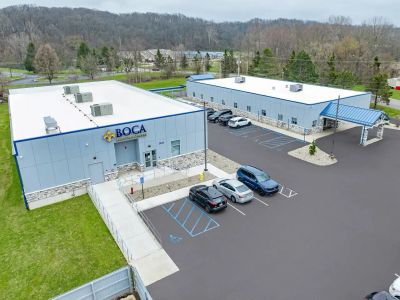

Boca Recovery Center - Indiana Drug and Alcohol Rehab
Huntington, Indiana
3040 W Park Dr, Huntington, IN 46750


CleanSlate Outpatient Addiction Medicine
Lafayette, Indiana
30 Professional Ct #2A, Lafayette, IN 47905
Get Personalized Rehab Matches in 60 Seconds
Tell us a few details and we’ll show a personalized shortlist of verified Indiana rehabs, making it simple to compare options and choose your next step with confidence.



Bethel Pointe Health and Rehabilitation Center
Muncie, Indiana
3400 W Community Dr, Muncie, IN 47304
Pinnacle Treatment Centers - 2209 John R Wooden Drive
Martinsville, Indiana
2209 John R Wooden Drive, 3rd Floor Martinsville, IN 46151
Why Trust Indiana Rehabs
As Hoosiers helping Hoosiers, we understand the unique challenges our communities face. Our team meticulously verifies every Indiana treatment center, ensuring you find trusted, local care that truly understands your journey.
About our listingsLevels of Care
Explore popular treatment options by levels of care, from flexible treatment in Outpatient centers to intensive care in Residential rehabs.
Free · 24/7 · Confidential
Talk to a Treatment Specialist
Call now to get matched with Indiana facilities that accept your insurance.
(888) 568-9930
Free
Ins. check
4.9★
Rating
HIPAA
Protected
Can't travel to a facility?
Licensed Indiana therapists via secure video — same-week appointments, evenings & weekends available.
Everywhere you turn, it seems like psychedelics are caught between old-school warnings and new breakthroughs, stories swinging from cautionary tales to talk of hope and healing. In the middle of all this noise, it’s tough to know when using these substances crosses the line, and even tougher to figure out where to turn for support you can trust. If you’re searching for answers or real help here in Indiana, you deserve a clear path forward, one grounded in evidence, honesty, and genuine care.
What Are Psychedelics?
When people talk about psychedelics, they're referring to a unique class of psychoactive substances known for altering perception, mood, and many cognitive processes. These aren't like other drugs; their primary effect is to trigger non-ordinary states of consciousness, which can feel like dreaming while you're awake. These powerful experiences are why they are sometimes called hallucinogens.
These psychedelic drugs come from various sources. Some are found in nature, like psilocybin from certain mushrooms or mescaline from the peyote cactus. Others are synthesized in a lab, such as LSD. Each substance has a different origin and chemical makeup, but they share the ability to produce profound shifts in consciousness. Below is a quick look at some of the most common types.
| Psychedelic | Origin | Classification |
|---|---|---|
| Psilocybin | Origin: Natural (Mushrooms) | Classification: Classic Psychedelic |
| LSD (Lysergic Acid Diethylamide) | Origin: Synthetic | Classification: Classic Psychedelic |
| MDMA (Ecstasy/Molly) | Origin: Synthetic | Classification: Empathogen-Entactogen |
| Ketamine | Origin: Synthetic | Classification: Dissociative Anesthetic |
| Mescaline (Peyote) | Origin: Natural (Cactus) | Classification: Classic Psychedelic |
The Effects of Psychedelics
Psychedelics primarily interact with the serotonin receptors in the brain, particularly the 5-HT2A receptor. Think of serotonin as one of the brain’s main regulators for mood, perception, and cognition. By stimulating these receptors, psychedelics can temporarily reshape your reality, leading to significant changes in how you see, think, and feel[1]. This interaction can also quiet the part of the brain responsible for our sense of self, which may contribute to feelings of interconnectedness.
The experience, often called a "trip," is highly personal and can be influenced by your mindset and environment. The potential short-term effects can include:
- Enhanced sensory perception (brighter colors, more intense sounds)
- Deep emotional release and introspection
- A distorted sense of time
- Spiritual or mystical experiences
- A feeling of connection to others or the universe
However, the experience isn't always positive. There are definite risks involved, and a "bad trip" can be intensely frightening. Potential negative effects include:
- Anxiety, fear, and paranoia
- Overwhelming and distressing hallucinations
- Confusion and disorientation
- Increased heart rate and blood pressure
- In rare cases, Hallucinogen Persisting Perception Disorder (HPPD), where visual disturbances continue long after use.
Are Psychedelics Addictive?
It’s one of the most common questions, and the answer isn't a simple yes or no. When we think of addiction, we often picture physical dependence, complete with intense cravings and severe withdrawal symptoms, like with opioids or alcohol. Classic psychedelics such as LSD and psilocybin don’t typically cause this kind of physical addiction. You won't experience dangerous physical withdrawal symptoms if you stop using them.
However, it is possible to develop a psychological dependence, where you feel a compulsive need to use the substance to cope with life or achieve a certain mental state. The brain can also build a rapid, short-term tolerance to psychedelics, meaning you’d need more to get the same effect if used frequently. But this tolerance usually resets after a few days of not using. While a diagnosable hallucinogen use disorder is possible, it's far less common than with many other substances[2].
How Do I Know If I Need Rehab For Psychedelics?

Needing help for psychedelic use isn't about fitting a stereotype. It's about recognizing when your use is causing harm to your life, your relationships, or your mental health. Because classic psychedelics don't create physical dependency, the signs of a problem are often behavioral and psychological. In Indiana, treatment admissions are overwhelmingly driven by substances like alcohol and opioids, not psychedelics, so it can be hard to know when to raise your hand for help[3]. You don't have to hit "rock bottom" to deserve support.
Here are some signs that it might be time to consider rehab:
- You continue using psychedelics despite negative consequences in your work, school, or personal life.
- You've started to withdraw from friends, family, or activities you once enjoyed.
- You spend a significant amount of time thinking about, obtaining, or recovering from psychedelic use.
- You use psychedelics as your primary way to cope with stress, anxiety, or other difficult emotions.
- You find yourself in risky situations while under the influence.
- You’ve tried to cut back or stop on your own but haven’t been able to.
- Your use is worsening an existing mental health condition, which might call for dual diagnosis treatment.
How Does Psychedelic Therapy Work?

Psychedelic therapy, or psychedelic-assisted psychotherapy, is a structured and professionally guided treatment model, it’s worlds away from recreational use. This isn't about simply taking a substance; it's a comprehensive therapeutic process designed to help people work through deep-seated mental health conditions like severe depression and PTSD[4]. The goal is to use the substance as a catalyst to make traditional talk therapy more effective.
The process is typically broken down into three essential phases:
- Preparation: Before any substance is administered, you'll have several sessions with a trained therapist. This is where you build trust, set intentions for your experience, and discuss what to expect. It’s about creating a safe container for the work ahead.
- The Guided Session: The psychedelic experience happens in a controlled, comfortable clinical setting with one or two therapists present the entire time. They don't direct the experience but are there to provide support, ensure your safety, and help you navigate any difficult emotions that come up.
- Integration: This is arguably the most important part. In the days and weeks after the session, you'll meet with your therapist to process the experience. You’ll work to make sense of your insights, memories, and emotions and translate them into lasting changes in your daily life.
Research has shown this model holds real promise. For example, clinical trials studying MDMA-assisted therapy for PTSD have found that a majority of participants no longer met the criteria for the disorder after treatment[5].
Main Types of Psychedelic Therapy
While the field is still evolving, a few substances are at the forefront of clinical research and application. Psilocybin-assisted therapy is primarily being studied for its potential to treat major depression and the anxiety that can accompany a terminal illness. MDMA-assisted therapy is focused almost exclusively on treating post-traumatic stress disorder (PTSD). The one exception that is already legal and available is ketamine therapy, which is used to help people with treatment-resistant depression find relief.
Conditions Treated with Psychedelic Therapy
The potential applications for psychedelic therapy are expanding as research continues at institutions like Johns Hopkins and NYU. While many of these treatments are still investigational, they are being seriously studied for a range of mental health conditions, including:
- Post-Traumatic Stress Disorder (PTSD)
- Major Depressive Disorder (MDD)
- Anxiety disorders, including end-of-life anxiety
- Substance use disorders, such as alcohol and tobacco dependence
- Obsessive-Compulsive Disorder (OCD)
Is Psychedelic Therapy Legal?
This is a critical point of confusion for many. At the federal level, most psychedelics, including psilocybin, LSD, and MDMA, are classified as Schedule I controlled substances. This means the U.S. government considers them to have a high potential for abuse and no accepted medical use. As a result, possessing or distributing them is illegal outside of tightly controlled, DEA- and FDA-approved research settings.
In Indiana, state law aligns with these federal regulations, and there are no specific provisions that permit the use of psychedelic therapy outside of clinical trials[6]. The one major exception is ketamine. Because it is an FDA-approved anesthetic, it can be prescribed "off-label" by doctors to treat conditions like depression, and ketamine clinics operate legally across the country, including here in Indiana.
You may have heard about changes in other states, like Oregon and Colorado, which have moved to decriminalize or create regulated access to psilocybin. These state-level initiatives are changing the national conversation, but they do not change the law here at home.
Find Psychedelic Rehab in Indiana
So, where does that leave you if you need help in Indiana? While you won't find many facilities that advertise specifically as a "psychedelic rehab," that doesn't mean the right support isn't available. Many of the best addiction treatment centers in the state are fully equipped to help with the psychological challenges tied to psychedelic use.
The key is to look for a program that specializes in co-occurring disorders or dual diagnosis. This means they understand that substance use is often intertwined with mental health conditions like anxiety or depression. A quality treatment center will offer a foundation of evidence-based therapies like cognitive behavioral therapy (CBT) to help you develop healthier coping strategies. You can use directories like SAMHSA's Treatment Locator to find licensed providers near you or browse the listings right here on this page.
Levels of Care for Psychedelic Rehab
When you start exploring options, you'll encounter different levels of care designed to meet people where they are in their recovery journey. These generally include inpatient programs for 24/7 support, partial hospitalization programs (PHP) for structured, all-day treatment while living at home, intensive outpatient programs (IOP) for a few hours of therapy several days a week, and standard outpatient care for ongoing weekly support.
Your Next Step Towards Recovery
Sorting through the noise around psychedelics and understanding when use becomes a problem is a huge first step. It takes courage to question if your habits are truly serving your health and well-being. Remember, reaching out for help isn't a sign of weakness, it's a sign of strength and self-awareness.
If you're in Indiana, you have resources available to guide you. You can take a practical step right now to learn about payment options and check your Indiana Medicaid eligibility to see what behavioral health services are covered. The most important thing is to not do this alone. Confidential support is just a phone call away.
Making sense of your relationship with psychedelics is a personal journey, but you don’t have to navigate it alone. Whether you’re processing a difficult experience or feel that your use has become a crutch, the right support can help you find clarity and build a healthier future. At Indiana Rehabs, we connect Hoosiers with compassionate, evidence-based care every day. If you’re ready to talk, our team is here to listen without judgment and help you find the right path forward. Please don’t hesitate to call us at (888) 568-9930 or contact us to explore your options.
Frequently Asked Questions About Psychedelic Rehab in Indiana
What is psychedelic rehab?
How do I pay for psychedelic rehab in Indiana?
What should I look for in a psychedelic rehab program?
How long is psychedelic rehab?
What therapy is used in psychedelic rehab?
- (2025). Psychedelic-assisted therapy: An overview for the internist. Cleveland Clinic Journal of Medicine. ccjm.org
- Substance Abuse and Mental Health Services Administration. (2022). National Survey on Drug Use and Health (NSDUH). U.S. Department of Health & Human Services. samhsa.gov
- Indiana Division of Mental Health and Addiction. (2024). Drug Fact Sheet: Substance Use in Indiana, SFY 2024. Indiana Family and Social Services Administration. in.gov
- American Psychological Association. (January, 2025). Psychedelic treatment and mental health: Navigating a longer trip. APA Monitor on Psychology. apa.org
- U.S. Department of Veterans Affairs. (2024). Psychedelic-Assisted Therapy for PTSD. National Center for PTSD. ptsd.va.gov
- Indiana Family and Social Services Administration. (2020). DMHA: Certification and Licensure Rules and Indiana Code. in.gov. in.gov