Sex Addiction Rehabs

Showing 12 of 12 Results (filtered)
Featured Rehab Centers

1525 West Harrison street, Plymouth, IN 46563

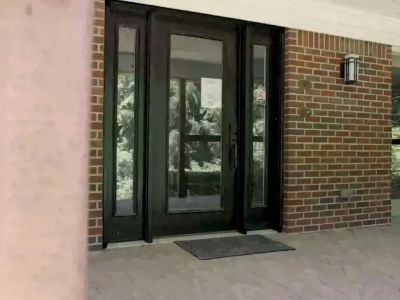
Addiction Rehab Centers - ARC at Fox Hill | Drug & Alcohol Rehab - Mooresville Indiana
Mooresville, Indiana
12168 N Mann Rd, Mooresville, IN 46158



Bethel Pointe Health and Rehabilitation Center
Muncie, Indiana
3400 W Community Dr, Muncie, IN 47304
Get Personalized Rehab Matches in 60 Seconds
Tell us a few details and we’ll show a personalized shortlist of verified Indiana rehabs, making it simple to compare options and choose your next step with confidence.

Southwestern Behavioral Healthcare - Dennis N. Moran Center
Evansville, Indiana
60 South stockwell Road, Evansville, IN, 47714



Bowen Center - Plymouth
Plymouth, Indiana
990 Illinois street, Plymouth, IN 46563

Bowen Center - Albion
Albion, Indiana
101 East Park Street, Albion, IN 46701

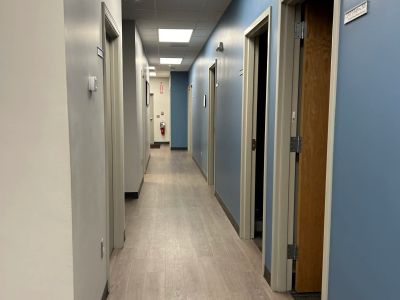
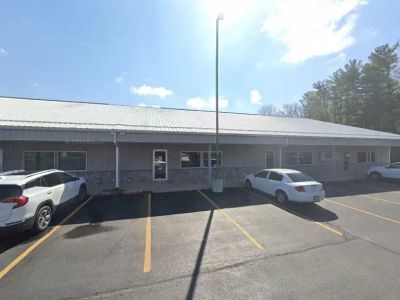
Bowen Center - Auburn
Auburn, Indiana
923 Cardinal Court, Auburn, IN, 46706
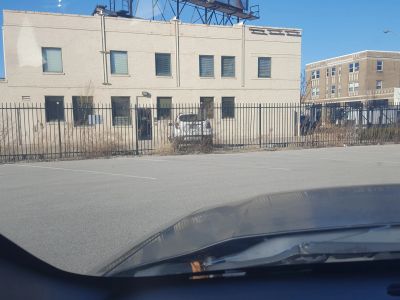

Indianapolis Counseling Center
Indianapolis, Indiana
724 N Illinois St, Indianapolis, IN 46204

Bowen Center - Cummins Mental Health Center
Avon, Indiana
6655 E US Hwy 36, Avon, IN 46123
Southwestern Behavioral Healthcare - Neurodevelopmental Center of Southwestern Indiana
Evansville, Indiana
19 E. Chandler Ave. Evansville, IN 47713
Pinnacle Treatment Centers - 2209 John R Wooden Drive
Martinsville, Indiana
2209 John R Wooden Drive, 3rd Floor Martinsville, IN 46151
Bowen Center - Fort Wayne
Fort Wayne, Indiana
Rudisill Plaza 201 Rudisill Blvd Fort Wayne, IN 46806
Why Trust Indiana Rehabs
As Hoosiers helping Hoosiers, we understand the unique challenges our communities face. Our team meticulously verifies every Indiana treatment center, ensuring you find trusted, local care that truly understands your journey.
About our listingsLevels of Care
Explore popular treatment options by levels of care, from flexible treatment in Outpatient centers to intensive care in Residential rehabs.
Free · 24/7 · Confidential
Talk to a Treatment Specialist
Call now to get matched with Indiana facilities that accept your insurance.
(888) 568-9930
Free
Ins. check
4.9★
Rating
HIPAA
Protected
Can't travel to a facility?
Licensed Indiana therapists via secure video — same-week appointments, evenings & weekends available.
You know that sinking feeling after you've done something you promised yourself you wouldn’t, again. The heavy mix of shame and confusion can make you feel like you’re stuck on an endless loop, and it’s easy to think you’re facing it all alone. But even the deepest struggles don’t have to isolate you forever. Understanding what’s happening, and knowing that real, confidential help is within reach here in Indiana, could be the first step out of the shadows.
What is sexual addiction?
When you hear the term “sexual addiction,” it’s easy to picture something that’s not quite right. In reality, it’s a condition that can feel deeply confusing and isolating for the person experiencing it. Also known as hypersexuality or compulsive sexual behavior, this condition isn’t about having a strong libido or enjoying sex. Instead, it’s defined by an inability to control powerful sexual urges or behaviors, which leads to significant distress and negative consequences in your life.
So, is it officially considered a mental health disorder? The conversation among experts is still evolving. While it's not listed in the most recent Diagnostic and Statistical Manual of Mental Disorders (DSM-5), the World Health Organization’s ICD-11 does include "compulsive sexual behavior disorder." This condition is widely understood as a behavioral addiction. Think of it like a gambling or substance use disorder, where the core issue is a loss of control over your actions, despite knowing they’re causing harm.
It’s important to know you’re not alone in this struggle. Studies show that hypersexuality affects an estimated 3% to 10% of the U.S. population[1]. For many, these behaviors become a way to cope with other painful feelings, like anxiety or loneliness. Recognizing these patterns is the first step toward finding a healthier way forward. Understanding the nuances of sex addiction can provide clarity and a path toward healing.
What are the signs and symptoms of sexual addiction or hypersexuality?
It can be hard to tell the difference between a healthy sex drive and behaviors that signal a deeper problem. The key is to look at the impact these actions are having on your life. If you’re worried, see if any of these common signs and symptoms feel familiar:
- You're often preoccupied with sexual thoughts or fantasies, to the point where it disrupts your daily life.
- You spend a great deal of time seeking out or engaging in sexual activities.
- You’ve tried to stop or reduce these behaviors but haven’t been able to, even when you really wanted to.
- You find yourself neglecting important responsibilities at home, work, or school because of your sexual activities.
- You continue with these behaviors despite the harm they cause to your relationships, finances, career, or health.
- You use sexual behavior as an escape from feelings like stress, anxiety, depression, or loneliness.
Beyond the actions themselves, the emotional toll can be heavy. Many people experience intense feelings of guilt and shame after acting on their urges. This cycle of compulsive behavior followed by remorse can create a powerful sense of hopelessness and erode your self-esteem, making it feel impossible to break free from the pattern without help.
What are the complications of having a sexual addition or hypersexuality?
When compulsive sexual behaviors go unaddressed, the consequences can ripple through every area of your life. It’s more than just a personal struggle; it can lead to serious and lasting complications. Damaged relationships are often one of the first casualties, as trust is broken with partners and family members. The financial strain can also be immense, from spending on pornography and sex workers to job loss due to poor performance or distraction. In some cases, there are legal troubles or health risks, like contracting a sexually transmitted infection (STI).
It’s also crucial to recognize that hypersexuality rarely exists in a vacuum. It often walks hand-in-hand with other mental health conditions. In fact, research shows that many individuals also struggle with mood disorders like depression or anxiety. These conditions can fuel the compulsive behaviors, creating a cycle that’s hard to break. Furthermore, some people may turn to drugs or alcohol to amplify their sexual experiences or numb the feelings of guilt and shame that follow, leading to a co-occurring substance use disorder[2].
How is sexual addiction, hypersexuality, treated?
If you’re reading this, you’ve already taken a brave and important step. Acknowledging the problem is the start of the journey toward healing, and the good news is that effective, evidence-based treatments are available. Recovery is not just possible; it’s something you can achieve with the right support. There isn’t a one-size-fits-all solution, so treatment plans are carefully tailored to your unique situation. Typically, a comprehensive approach works best, combining different strategies to help you regain control and build a healthier life. These treatment options often include psychotherapy, medications to manage related symptoms, and the invaluable community found in support groups.

Psychotherapy
Talk therapy, or psychotherapy, is the cornerstone of treating sexual addiction. It provides a safe, confidential space to explore the roots of your behaviors with a trained professional. One of the most effective methods is cognitive behavioral therapy (CBT). A therapist using CBT helps you identify the triggers, thoughts, and feelings that lead to compulsive behaviors and then teaches you practical skills to change those patterns[3]. Other approaches can also be incredibly helpful. psychodynamic therapy might be used to uncover and heal from past trauma that could be driving your actions. Because this condition deeply affects loved ones, family or couples counseling is often recommended to rebuild trust and repair relationships.
Medications
While there are no medications specifically approved by the FDA to treat sexual addiction, some are used "off-label" to help manage the symptoms and any co-occurring conditions. For example, antidepressants, particularly selective serotonin reuptake inhibitors (SSRIs), can help reduce compulsive thoughts and sexual urges. They are also effective at treating the depression and anxiety that often accompany this condition. Other medications, like naltrexone, which is typically used for alcohol and opioid use disorders, may help reduce cravings. For individuals whose hypersexuality is linked to a condition like bipolar disorder, mood stabilizers might be prescribed to help regulate impulsive behaviors[4].
Support Groups
You don’t have to walk this path alone. Peer support groups offer a powerful sense of community and understanding that can be a vital part of recovery. Programs like Sex Addicts Anonymous (SAA) are based on the 12-step model and provide a non-judgmental environment where you can share your experiences with others who truly get it[5]. These groups offer accountability, encouragement, and practical strategies for navigating the challenges of recovery. For many, participating in a 12-step program becomes a long-term source of strength and connection, helping to prevent relapse and sustain a healthier, more fulfilling life.
Making a diagnosis
Figuring out if you have a sexual addiction isn't something you should have to do on your own. A formal diagnosis can only be made by a qualified healthcare professional, such as a psychiatrist, psychologist, or licensed therapist[6]. Taking that step to schedule an appointment is an act of courage and the most reliable way to get clarity and find the right path forward.
The diagnostic process is a conversation, not an interrogation. It typically involves a thorough discussion about your sexual history, thoughts, and behaviors. Your provider will ask about the impact these things are having on your life, relationships, and overall well-being. It might feel uncomfortable to be so open, but honesty is key to getting an accurate diagnosis and an effective treatment plan. Remember, these professionals are bound by strict confidentiality rules; their goal is to help you, not to judge you.
If you're asking yourself, "How do I know if I have a sexual addiction?" take a moment to reflect on the signs and symptoms mentioned earlier. If they resonate with you, it doesn't automatically mean you have the condition, but it is a strong signal that it’s time to talk to a professional. A comprehensive assessment can give you the answers you need to start healing.

Finding Sex Addiction Treatment in Indiana
Knowing you need help is one thing; finding it is another. Here in Indiana, you have resources available to guide you toward the right care. At Indiana Rehabs, we’ve created a confidential directory to help you and other Hoosiers navigate your options for sex addiction treatment. Our goal is to make the process of finding support as simple and stress-free as possible.
You can use our tools to filter treatment centers based on what matters most to you. Whether you’re looking for outpatient counseling that fits your work schedule, a more intensive inpatient program, or a provider who specializes in specific therapies like CBT, you can narrow your search to find the right fit. We believe that everyone deserves access to care, and our directory is designed to connect you with qualified, compassionate professionals across the state.
Your privacy is our priority. You can browse your options with the confidence that your search is secure. When you're ready, you can explore the various treatment facilities in Indiana to take the next step. For more official information and resources, you can also visit Indiana's Division of Mental Health and Addiction.
Your Path to Recovery
The journey to recovery from sexual addiction is a marathon, not a sprint. While there is no instant cure, long-term healing and a healthier, more balanced life are absolutely achievable. With the right support system and a commitment to change, you can move beyond the cycle of shame and compulsion that has held you back.
It all starts with a few fundamental steps: recognizing the signs in your own life, seeking a professional diagnosis to understand what you're dealing with, and exploring the treatment options available to you, from therapy to support groups. Each step you take is a move toward regaining control and building a life you can be proud of.
Remember, reaching out for help is a sign of strength, not weakness. It’s an investment in your well-being and your future. You have the power to change your story, and you don’t have to do it alone. The path to recovery is waiting for you to take that first brave step.
Taking back control of your life is possible, and it often starts with a simple conversation. Understanding your behaviors, seeking professional guidance, and connecting with others who understand can make all the difference. If you’re ready to explore your options for treatment here in Indiana, our team at Indiana Rehabs is here to help. You can call us at (888) 568-9930 for a confidential discussion or use our online resources to find the support you need. Please don't hesitate to contact us today to start your journey toward a healthier life.
Frequently Asked Questions About Sex Addiction Treatment in Indiana
Is treatment for sex addiction confidential?
Can sex addiction be cured?
Will I have to take medication for sex addiction?
What’s the difference between inpatient and outpatient treatment?
How can I help a loved one who may have a sex addiction?
- Dickenson, J. A., Reid, R. C., & Fong, T. W. (2018). Prevalence of Distress Associated With Difficulty Controlling Sexual Urges, Feelings, and Behaviors in the US. JAMA Network Open. jamanetwork.com
- (2024). 2024 State Epidemiological Profile. Indiana Family and Social Services Administration. in.gov
- (n.d.). CSAT Certification. International Institute for Trauma and Addiction Professionals (IITAP). iitap.com
- Indiana Health Coverage Programs. (2022). Behavioral Health Services. Indiana Family and Social Services Administration. in.gov
- (n.d.). Sex Addicts Anonymous. Sex Addicts Anonymous. saa-recovery.org
- (n.d.). Division of Mental Health and Addiction. Indiana Family and Social Services Administration. in.gov