Anabolic Steroids Rehabs

Showing 3 of 3 Results (filtered)
Featured Rehab Centers


Addiction Rehab Centers - ARC at Fox Hill | Drug & Alcohol Rehab - Mooresville Indiana
Mooresville, Indiana
12168 N Mann Rd, Mooresville, IN 46158


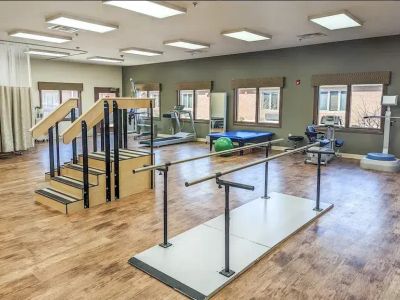
Bethel Pointe Health and Rehabilitation Center
Muncie, Indiana
3400 W Community Dr, Muncie, IN 47304
Pinnacle Treatment Centers - 2209 John R Wooden Drive
Martinsville, Indiana
2209 John R Wooden Drive, 3rd Floor Martinsville, IN 46151
Get Personalized Rehab Matches in 60 Seconds
Tell us a few details and we’ll show a personalized shortlist of verified Indiana rehabs, making it simple to compare options and choose your next step with confidence.
Why Trust Indiana Rehabs
As Hoosiers helping Hoosiers, we understand the unique challenges our communities face. Our team meticulously verifies every Indiana treatment center, ensuring you find trusted, local care that truly understands your journey.
About our listingsLevels of Care
Explore popular treatment options by levels of care, from flexible treatment in Outpatient centers to intensive care in Residential rehabs.
Free · 24/7 · Confidential
Talk to a Treatment Specialist
Call now to get matched with Indiana facilities that accept your insurance.
(888) 568-9930
Free
Ins. check
4.9★
Rating
HIPAA
Protected
Can't travel to a facility?
Licensed Indiana therapists via secure video — same-week appointments, evenings & weekends available.
Maybe you’ve felt the pressure, to be stronger, look better, reach some ideal that always seems just out of reach. Sometimes that drive pushes us to make choices we never imagined, blurring the line between determination and danger. Have you ever felt like you had to choose between your health and your goals? The truth is, seeing the signs of steroid dependence is an act of courage, and there are caring, effective ways to reclaim your well-being and start fresh.
What Are Steroids?
When people talk about steroids in the context of muscle growth and performance, they’re usually referring to anabolic-androgenic steroids (AAS). Think of these as synthetic, or lab-made, versions of testosterone, the primary male sex hormone. Their job is to promote muscle growth (the "anabolic" part) and develop male sex characteristics (the "androgenic" part).
It’s important not to confuse these with corticosteroids, which are another type of steroid medication doctors prescribe to fight inflammation from conditions like asthma or arthritis. While both are called steroids, they work very differently in the body.
Anabolic-androgenic steroids do have legitimate medical uses. Doctors might prescribe them to help patients regain muscle mass after an illness or to treat certain hormone deficiencies. However, they are often misused at much higher doses by those looking to boost athletic performance, increase muscle size, or change their physical appearance. This kind of steroid misuse can be risky and lead to dependence. People who misuse AAS may take them in different forms, including pills, injections into the muscle, or even gels and creams applied to the skin.
Signs and Symptoms of Steroid Addiction
Recognizing steroid addiction can be tough, both in yourself and in someone you care about. The signs aren't always obvious and can easily be mistaken for stress or just intense dedication to fitness. Steroid addiction shows up in physical, behavioral, and psychological ways. It’s more common than many think, with research suggesting that about 32% of people who misuse anabolic steroids develop a dependence.
Understanding these signs is the first step toward getting help. They are signals from the body and mind that something is out of balance.
Physical Changes
When someone is misusing steroids, their body often shows clear signs. While some changes, like rapid muscle gain, might be the desired effect, many others are unwanted and can be harmful. These physical effects can vary between men and women.
- Severe Acne: Often appearing on the face, back, and chest due to hormonal shifts.
- Rapid Muscle Growth: Unusually fast gains in muscle mass that seem disproportionate to workouts.
- Fluid Retention: A puffy or bloated appearance, especially in the face and body.
- Injection Site Issues: For those who inject steroids, there may be swelling, pain, or infections at injection sites.
- In Men: Development of breasts (gynecomastia), shrinking testicles, and male-pattern baldness.
- In Women: Growth of facial hair, a deepened voice, and changes in the menstrual cycle.
Behavioral Changes
Steroid misuse doesn't just change the body; it can dramatically alter how a person acts and interacts with others. These shifts can strain relationships and create isolation.
- Increased Aggression and Irritability: Sometimes called "roid rage," this involves sudden bursts of anger or extreme moodiness over small things.
- Obsession with Appearance and Working Out: Life starts to revolve around the gym, diet, and obtaining and using steroids. * Financial Strain: Spending a lot of money on performance-enhancing drugs, sometimes leading to debt. * Secretive Behavior: Hiding steroid use from family and friends, and lying about habits. * Social Withdrawal: Pulling away from friends and activities that aren’t related to working out or using steroids.
Psychological Effects
The impact of steroids on mental health can be severe. The same hormonal changes that affect the body also disrupt brain chemistry, leading to a range of psychological symptoms.
- Mood Swings: Experiencing extreme highs and lows, from feeling euphoric to deeply depressed.
- Paranoia and Delusions: Feeling suspicious of others without reason or believing things that aren't true.
- Impaired Judgment: Making reckless decisions and taking risks that are out of character.
- Feelings of Invincibility: A false sense of being untouchable or superior, which can lead to dangerous behavior.
- Depression and Anxiety: These can become particularly intense when someone tries to stop using steroids, as the body goes into withdrawal.
What Causes Steroid Addiction?
No one starts using steroids with the goal of developing an addiction. It’s a complex issue that usually grows from a mix of personal feelings, social pressures, and mental health challenges. Understanding these root causes is key to healing because it’s not just about stopping the substance; it’s about addressing the "why" behind the use.
Personal History
A person's inner world plays a huge role in the path to steroid misuse. Many times, the drive to change one's body comes from a place of deep dissatisfaction or insecurity. One of the most common factors is body dysmorphic disorder, particularly a form called muscle dysmorphia. This is a condition where someone becomes obsessed with the idea that they aren't muscular enough, no matter how much they work out or how big they get. They see a flawed and small physique in the mirror, even when others see a strong, muscular build. This distorted perception can create a powerful drive to use anabolic-androgenic steroids to achieve an impossible ideal. Low self-esteem and a history of trauma or abuse can also be significant risk factors, as steroids may be used as a way to feel more powerful, confident, or in control.
Environmental Factors
Sometimes the pressure comes from the outside world. In competitive sports, from high school teams to professional leagues, there can be an intense pressure to be bigger, faster, and stronger. This environment can normalize steroid use as a shortcut to success. The same is true in bodybuilding and even in certain professions where physical strength is highly valued. Beyond organized sports, gym culture and social media can fuel unrealistic body standards. Constantly seeing images of perfectly sculpted bodies can make a person feel inadequate and create a belief that they need performance-enhancing drugs to measure up.
Co-Occurring Disorders
Steroid addiction often doesn't happen in a vacuum. It frequently exists alongside other substance use disorders or mental health conditions. Someone might use alcohol or opioids to cope with the anxiety or irritability caused by steroids. It's also common for steroid misuse to co-occur with conditions like depression and anxiety. For some, steroid use might even begin as a way to self-medicate. They might feel that the boost in energy and confidence from steroids helps lift them out of a depressive state, without realizing they are trading one problem for another. When two conditions exist at once, it’s known as a co-occurring disorder or dual diagnosis, and treating both simultaneously is essential for lasting recovery. Finding a dual diagnosis program can provide the integrated care needed to heal fully.
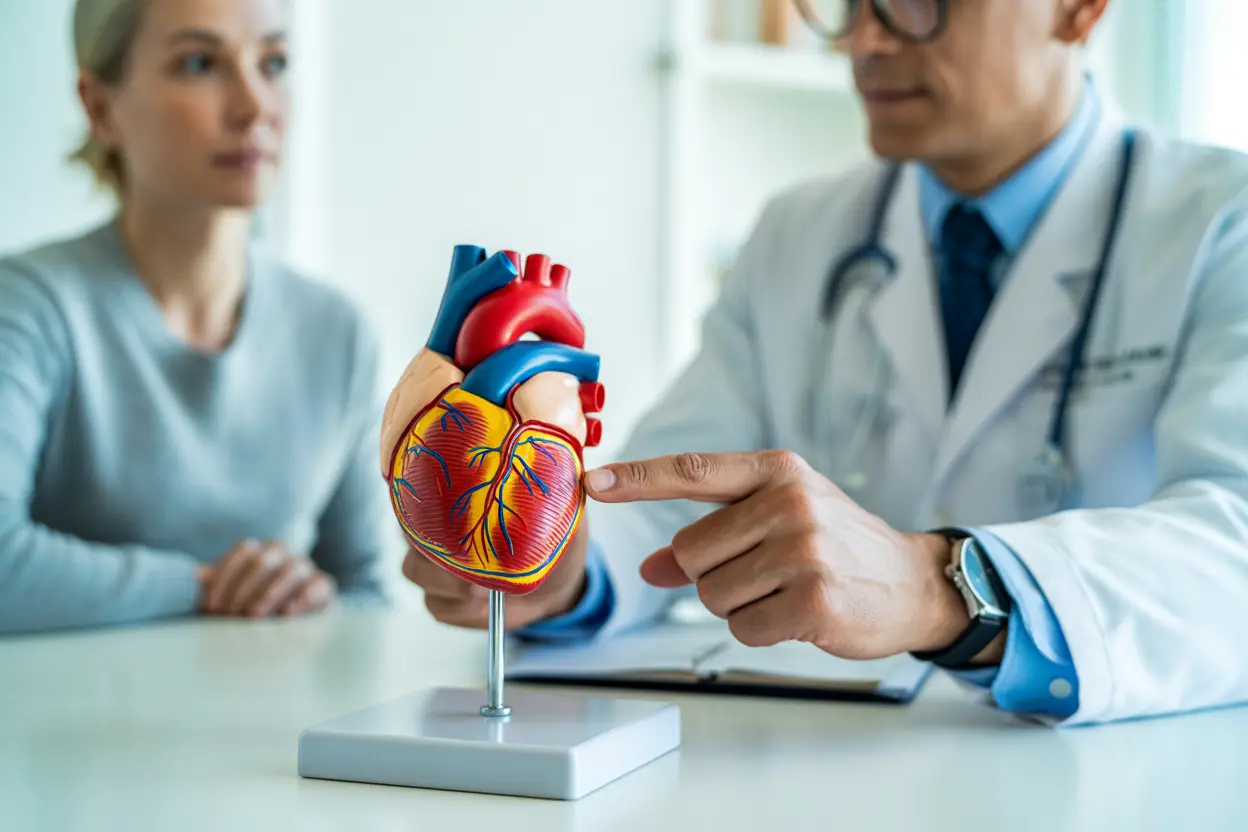
Short- and Long-Term Effects of Steroid Addiction
The desire for a stronger physique can unfortunately come at a high cost. While the short-term effects of steroid misuse might seem manageable, the long-term consequences can cause serious, and sometimes irreversible, damage to your health. These drugs disrupt the body's natural balance, putting immense strain on its most vital systems.
Cardiovascular System
The heart and blood vessels are particularly vulnerable to the effects of long-term steroid use. The strain on the cardiovascular system can lead to life-threatening conditions. In fact, studies show that approximately 71% of steroid users develop an impaired ability for the heart to pump blood efficiently.
- High Blood Pressure: Steroids can cause a significant increase in blood pressure, raising the risk of heart attack and stroke.
- Blood Clots: They can make the blood thicker and more prone to clotting, which can block blood flow to the heart or brain.
- Heart Attacks and Strokes: Even in younger individuals, steroid use is linked to a higher incidence of heart attacks and strokes.
- Enlarged Heart: The heart is a muscle, and just like other muscles, it can grow larger with steroid use, but this makes it less efficient and weaker over time.
Hormonal System
Anabolic steroids are synthetic hormones, and flooding the body with them throws its natural hormone production completely out of whack. This disruption can lead to a wide range of problems, many of which can affect fertility and sexual function.
- Hormonal Imbalance: The body may drastically reduce or even stop its own production of testosterone to compensate for the synthetic versions being introduced.
- Infertility: In men, this leads to shrunken testicles and a very low sperm count, which can cause infertility.
- Menstrual Cycle Changes: In women, steroid use can cause irregular periods or stop them altogether, also impacting fertility.
- Hypogonadism: When a person stops using steroids, their body may struggle to restart its own testosterone production, leading to a condition called hypogonadism with symptoms like fatigue, depression, and low sex drive.
Treatment For Steroid Addiction
If you’re struggling with steroid dependence, please know that you are not alone and recovery is absolutely possible. Overcoming steroid addiction isn’t just about willpower; it’s a process that requires professional medical supervision and compassionate psychological support. The goal of treatment is to help you safely stop using steroids, manage withdrawal symptoms, and address the underlying reasons that led to misuse in the first place.
A common question is, "What medications are used in steroid addiction treatment?" Unlike some other substance use disorders, there isn't one specific medication to "cure" steroid addiction. Instead, treatment focuses on managing the symptoms of withdrawal. This might include medications to help with depression or mood swings, as well as therapies to address hormonal imbalances and help your body restore its natural testosterone production. The journey to recovery typically begins with detoxification.
Medical Detox
The first and most critical step in treatment is medical detox. This is where you stop using steroids under the care of medical professionals who can keep you safe and as comfortable as possible. Quitting steroids "cold turkey" on your own can be dangerous because the withdrawal symptoms can be severe. Steroid withdrawal often brings on intense depression, extreme fatigue, anxiety, and even suicidal thoughts. Having a medical team to monitor your physical and mental health during this phase is crucial. They can provide medications and support to ease these symptoms. In some cases, hormonal therapy may be used to help your body gently return to its natural rhythm.
Inpatient Rehab And Detox
After detox, the real work of recovery begins. For many, inpatient or residential treatment offers the best environment for healing. In an inpatient program, you live at the treatment facility, giving you a structured and supportive space away from the triggers and pressures of daily life. This allows you to focus completely on your health. During your stay, you'll participate in various forms of therapy designed to help you understand your addiction and build new, healthy coping skills. cognitive behavioral therapy (CBT) is often used to address the root causes of steroid misuse, such as body dysmorphia or low self-esteem. You’ll also likely take part in individual counseling for one-on-one support and group counseling, where you can connect with others who understand what you're going through.
Ongoing Treatment And Strategies To Prevent Relapse
Getting through detox and rehab is a massive achievement, but the journey doesn’t end there. Recovery is an ongoing process, and having a solid plan for aftercare is essential for staying on track and preventing relapse. The skills and insights you gain in treatment are your foundation, and ongoing strategies help you build a healthy, fulfilling life on top of it.
Continued therapy, whether it's one-on-one counseling or group sessions, can provide a space to navigate challenges and celebrate victories. Support groups, like 12-step programs, offer a community of peers who share their experiences and provide mutual encouragement. Building a healthy lifestyle is also key. This means finding a positive relationship with exercise that focuses on health rather than appearance, nourishing your body with good food, and finding hobbies and interests that bring you joy outside of the gym.
If you're worried about a loved one, you might be wondering, "How do I approach someone who is addicted to steroids?" It’s a delicate conversation that should come from a place of love and concern, not judgment. Try using "I" statements to express how their behavior is affecting you, like "I'm worried about you because I've noticed..." instead of "You are using too much." Do some research on treatment options beforehand so you can offer concrete solutions. Most importantly, offer your unwavering support to help them take that first step. Let them know you’ll be there for them, whether it’s making a phone call or going to an appointment with them.
Get Help For Your Addiction
If you’re reading this, you’ve already taken a courageous step by seeking information. The next step is turning that knowledge into action. No matter how long you've been struggling or how hopeless things might feel, effective steroid addiction treatment is available right here in Indiana. You don’t have to figure this out on your own.
Our team is here to help you navigate your options. We can help you find different types of substance abuse treatment, from medical detox for steroid withdrawal to comprehensive inpatient programs. We understand that figuring out the logistics can be overwhelming, which is why we can assist with verifying your insurance coverage and finding an addiction center that fits your unique needs. All it takes is one confidential phone call to start the process. Recovery is within reach, and we're here to help you find it.
Taking the First Step Toward Recovery
The path to steroid addiction is often paved with good intentions, the drive to be better, stronger, and more confident. But when that drive leads to dependence, it can feel like you’ve lost control. It’s important to remember that steroid addiction is a serious medical condition with significant risks, but it is also treatable. True recovery isn’t just about stopping steroid use; it’s about healing the whole person by addressing both the physical dependence and the psychological reasons that fueled it.
Taking that first step is the hardest part, but it’s also the most powerful. It’s a choice to reclaim your health, your relationships, and your future. If you are ready to start healing, our compassionate team at Indiana Rehabs is here to guide you. You can start by confidentially calling us at (888) 568-9930 or by taking a moment to verify your insurance through our online form. Reaching out is an act of strength, and a brighter, healthier future is waiting for you.