Vicodin Rehabs

Showing 6 of 6 Results (filtered)
Featured Rehab Centers

Addiction Rehab Centers - ARC at Fox Hill | Drug & Alcohol Rehab - Mooresville Indiana
Mooresville, Indiana
12168 N Mann Rd, Mooresville, IN 46158
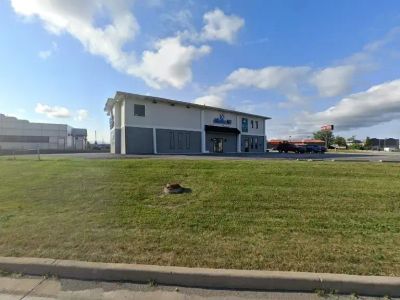
Alliance MD - Addiction Treatment Center
Merrillville, Indiana
8102 Georgia St, Merrillville, IN 46410



Restored Life Continuum of Care
Kokomo, Indiana
302 S Reed Rd, Kokomo, IN 46901
Get Personalized Rehab Matches in 60 Seconds
Tell us a few details and we’ll show a personalized shortlist of verified Indiana rehabs, making it simple to compare options and choose your next step with confidence.


CleanSlate Outpatient Addiction Medicine
Lafayette, Indiana
30 Professional Ct #2A, Lafayette, IN 47905


Bethel Pointe Health and Rehabilitation Center
Muncie, Indiana
3400 W Community Dr, Muncie, IN 47304
Comprehensive Treatment Centers - Southern Indiana
Charlestown, Indiana
7509 Charlestown Pike Charlestown, IN 47111
Why Trust Indiana Rehabs
As Hoosiers helping Hoosiers, we understand the unique challenges our communities face. Our team meticulously verifies every Indiana treatment center, ensuring you find trusted, local care that truly understands your journey.
About our listingsLevels of Care
Explore popular treatment options by levels of care, from flexible treatment in Outpatient centers to intensive care in Residential rehabs.
Free · 24/7 · Confidential
Talk to a Treatment Specialist
Call now to get matched with Indiana facilities that accept your insurance.
(888) 568-9930
Free
Ins. check
4.9★
Rating
HIPAA
Protected
Can't travel to a facility?
Licensed Indiana therapists via secure video — same-week appointments, evenings & weekends available.
There’s a quiet kind of struggle that comes from leaning on Vicodin just to get through each day, always balancing the hope for pain relief against the growing fear of what dependency might be taking from you. You might feel caught, pulled between needing to function and worrying the medicine has begun to shape your life in ways you never expected. If this feels familiar, know that you’re not alone, and there is a way forward. Finding hope starts with understanding what’s happening beneath the surface and reaching out for compassionate care right here in Indiana.
What Is Vicodin?
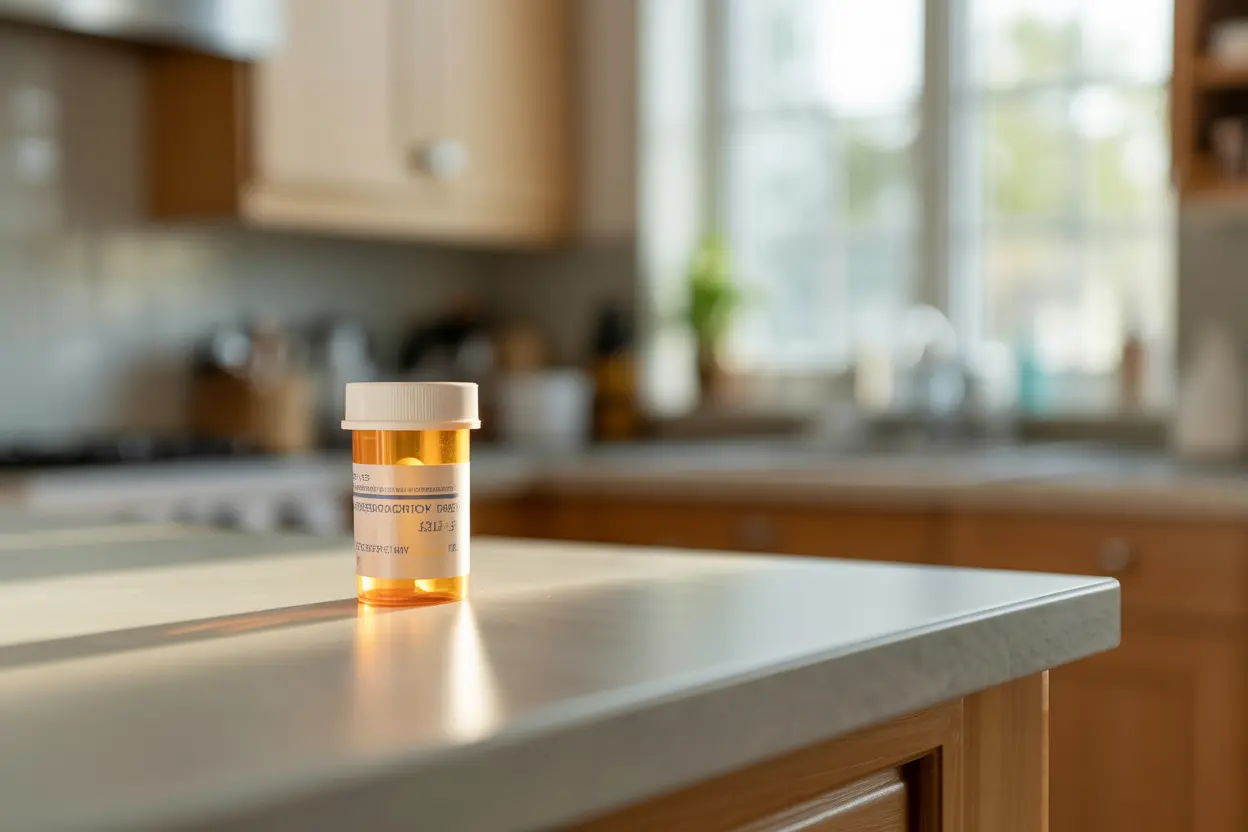
Vicodin is a brand name for a prescription painkiller that combines two active ingredients: hydrocodone and acetaminophen. Hydrocodone is an opioid that changes how your brain and nervous system respond to pain, while acetaminophen (the active ingredient in Tylenol) is a less potent pain reliever that also reduces fever[1]. Doctors typically prescribe this drug to manage moderate to severe pain following an injury, surgery, or dental procedure.
Because it contains an opioid, Vicodin has a high potential for physical dependence and addiction. Over time, your body can build a tolerance, meaning you need to take more of the drug to get the same pain-relieving effect. This can quickly create a cycle of misuse that feels impossible to break. Understanding the risks associated with opioids like Vicodin is the first step toward regaining control.
Vicodin Side Effects
When you take Vicodin as prescribed, you might still experience some common side effects. It’s important to distinguish these from the signs of addiction. These effects can include:
- Drowsiness or feeling unusually tired
- Dizziness or lightheadedness
- Nausea and vomiting
- Constipation
While these side effects are generally expected, more severe symptoms or behavioral changes could point to a larger problem.
Signs And Symptoms Of Vicodin Addiction
When Vicodin use turns into an addiction, the signs often become more noticeable to the person using it and those around them. These symptoms are more than just physical effects; they reflect a shift in priorities and behaviors centered around the drug[1]. Recognizing the patterns of prescription drug abuse can help you see the need for change.
Behavioral Signs:
- "Doctor shopping," or visiting multiple doctors to get more prescriptions
- Hiding the amount of Vicodin being used
- Neglecting work, school, or family responsibilities
- Borrowing or stealing money to pay for the drug
- Withdrawing from friends and social activities
Physical Signs:
- Constricted or "pinpoint" pupils
- Slurred speech
- Constant drowsiness or seeming sedated
- Poor coordination and balance
Psychological Signs:
- Sudden and unexplained mood swings
- Increased irritability or anxiety
- An inability to stop using Vicodin despite negative consequences
- Feeling defensive when asked about drug use
Vicodin Withdrawal Symptoms
If you've been taking Vicodin for a while, your body gets used to its presence. When you suddenly stop or cut back, you’ll likely experience withdrawal. This happens because your body is trying to function without a substance it has become dependent on to feel normal. The symptoms can be incredibly uncomfortable and feel a lot like a severe case of the flu.
Early withdrawal symptoms often include muscle aches, anxiety, a runny nose, sweating, and insomnia[1]. As withdrawal progresses, you may experience more intense symptoms, such as abdominal cramping, diarrhea, nausea, and vomiting. These symptoms make it extremely difficult to quit without support, which is why a medically supervised detox is so important for both safety and success.
Vicodin Withdrawal Timeline
While everyone’s experience is different, the Vicodin withdrawal timeline generally follows a predictable pattern. Symptoms usually begin within 6 to 12 hours after the last dose. During days one and two, you might feel increasing muscle aches and anxiety, similar to the flu. By days three to five, these symptoms typically peak in intensity, bringing on more severe issues like cramping, nausea, and vomiting. After the first week, the most intense physical symptoms start to fade. However, psychological symptoms like anxiety, depression, and cravings can linger for weeks or even months. This extended phase is sometimes called Post-Acute Withdrawal Syndrome (PAWS), and it’s a critical time to have ongoing support in place.
Can You Overdose On Vicodin?
Yes, you can absolutely overdose on Vicodin, and it can be fatal. The risk comes from both of its ingredients. The hydrocodone, an opioid, can cause respiratory depression, which is when your breathing slows down to a dangerously low rate[1]. In an overdose, breathing can stop completely. The acetaminophen poses another serious threat: taking too much can cause severe, irreversible liver damage or failure.

Signs of a Vicodin overdose are a medical emergency. If you see someone with slow or shallow breathing, blue lips or fingernails, a limp body, or who is unresponsive, call 911 immediately. Opioid overdoses have tragically claimed thousands of lives, but immediate medical help can save a life[2].
Vicodin Detox And Withdrawal
Trying to quit Vicodin "cold turkey" on your own is not just difficult, it can be risky. The withdrawal symptoms can cause severe discomfort and complications like dehydration from vomiting and diarrhea. More importantly, the intense cravings and physical misery create a very high risk of relapse. Many people return to using the drug simply to make the symptoms stop, often taking their previous dose, which can lead to an overdose because their tolerance has lowered.
The safest and most comfortable way to manage withdrawal is through medical detox. In a professional setting, you receive 24/7 care and supervision to ensure your safety. Medical staff can provide medications to ease symptoms, monitor your health, and offer the emotional support you need to get through this challenging first step. It’s a stable, supportive environment designed to prepare you for the next stage of treatment.
What is a Vicodin detox?
A Vicodin detox is the process of safely clearing the drug from your body while under the care of medical professionals. The primary goal is to manage withdrawal symptoms to keep you as comfortable and safe as possible[3]. This process is about more than just ending physical dependence; it's about stabilization. Medical supervision helps prevent serious complications and reduces the intense discomfort that often leads to relapse. By managing the physical side of withdrawal, detox prepares you emotionally and mentally to begin the deeper work of addiction treatment and recovery.
Treatment For Vicodin Addiction
Detox is a crucial first step, but it doesn't address the underlying reasons for addiction. For lasting recovery, comprehensive treatment in a rehab program is essential. Substance use disorder relapse rates are around 40 to 60%, which is similar to relapse rates for other chronic conditions like hypertension. This shows that treatment can be highly effective when you have the right support.
In Indiana, you have several levels of care to choose from, depending on your needs:
- Inpatient/Residential Treatment: You live at the facility, providing an immersive, 24/7 supportive environment free from outside triggers.
- Partial Hospitalization Programs (PHP): A highly structured option where you attend treatment during the day but return home or to sober living in the evenings.
- Intensive Outpatient Programs (IOP): A more flexible choice that involves several hours of therapy per week, allowing you to maintain work or family commitments.
All of these programs focus on core components like individual therapy, group counseling, and family therapy to build a strong foundation for recovery.
Medically-Assisted Treatment
Medication-assisted treatment (MAT) is an evidence-based approach that combines medications with counseling and behavioral therapies to treat opioid use disorder. It's not about replacing one drug with another; it's about using medications to stabilize the brain, reduce cravings, and block the effects of opioids[4]. This allows you to focus on your recovery without the constant distraction of withdrawal symptoms and cravings, which significantly lowers the risk of relapse.
Common medications used in MAT include:
- buprenorphine (Suboxone): Eases withdrawal symptoms and reduces cravings.
- naltrexone (Vivitrol): Blocks the euphoric effects of opioids.
- Methadone: Reduces cravings and withdrawal symptoms (typically used in specialized clinics).
Therapy Approaches
Therapy is where you do the work to understand the root causes of addiction and develop healthy coping skills for the future. In Indiana, treatment providers are required to use evidence-based models to ensure you receive the highest quality of care[5]. One of the most effective behavioral therapies is cognitive behavioral therapy (CBT), which helps you identify and change the negative thought patterns and behaviors that lead to substance use. Another key part of treatment is group therapy. Sharing your experiences with peers who understand what you’re going through helps reduce shame and isolation while building a strong support network for long-term recovery.
Finding Vicodin Rehab in Indiana
Taking that first step toward recovery can feel overwhelming, but you don’t have to figure it all out on your own. Here in Indiana, there are compassionate and effective treatment programs ready to help. When looking for a Vicodin rehab facility, search for one that is accredited and uses evidence-based practices like MAT and CBT. It’s also important to consider practical matters like location and what your insurance will cover. Many Hoosiers can find help through resources like the state's Opioid Treatment Program.
Navigating payment options can seem complicated, but help is available. Our team can help you understand your benefits and find a treatment center that fits your needs. You can verify your insurance with us confidentially online or call us now to speak with a caring admissions navigator. You deserve to find a path to healing, and it starts with reaching out for help right here at home.
It takes incredible strength to confront a dependence on Vicodin, and even more to ask for help. But remember, this is a medical condition, not a moral failing. With the right treatment and support, you can manage your recovery and build a healthier, more fulfilling life. The journey forward might seem long, but it starts with a single step. When you’re ready, our team at Indiana Rehabs is here to listen without judgment and guide you toward the care you deserve. Please don’t wait another day. Give us a call at (888) 568-9930 or contact us to start your recovery journey today.
Frequently Asked Questions About Vicodin Rehab in Indiana
How long does Vicodin stay in your system?
Can I take Vicodin with other medications?
How do I know if I need rehab for Vicodin use?
Is Vicodin addiction a medical condition?
What is the difference between Vicodin and Percocet?
- U.S. National Library of Medicine. (06-15-2025). Hydrocodone Combination Products. MedlinePlus. medlineplus.gov
- Centers for Disease Control and Prevention. (09-09-2025). Provisional Drug Overdose Data. National Center for Health Statistics. cdc.gov
- Substance Abuse and Mental Health Services Administration. (02-05-2025). Substance Use Disorders - Statutes, Regulations, and Guidelines. SAMHSA. samhsa.gov
- Indiana Family and Social Services Administration. (07-14-2020). Opioid Treatment Program. FSSA. in.gov
- National Association of State Alcohol and Drug Abuse Directors. (2024). Indiana SOR Initiatives. NASADAD. nasadad.org