Xanax Rehabs

Showing 8 of 8 Results (filtered)
Featured Rehab Centers


1411 W County Line Rd, Suite 1411A, Greenwood, IN 46142


Addiction Rehab Centers - ARC at Fox Hill | Drug & Alcohol Rehab - Mooresville Indiana
Mooresville, Indiana
12168 N Mann Rd, Mooresville, IN 46158
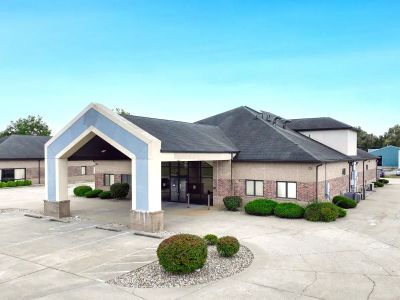

Indiana Center For Recovery- Alcohol & Drug Rehab Terre Haute
Terre Haute, Indiana
135 E Hospital Ln, Terre Haute, IN 47802
Get Personalized Rehab Matches in 60 Seconds
Tell us a few details and we’ll show a personalized shortlist of verified Indiana rehabs, making it simple to compare options and choose your next step with confidence.



Evolve Indy
Indianapolis, Indiana
8770 Guion Rd, Indianapolis, IN, 46268



Restored Life Continuum of Care
Kokomo, Indiana
302 S Reed Rd, Kokomo, IN 46901

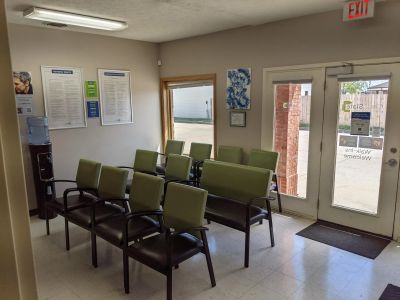

CleanSlate Outpatient Addiction Medicine
Lafayette, Indiana
30 Professional Ct #2A, Lafayette, IN 47905



Recovery Centers of America at Indianapolis
Indianapolis, Indiana
8530 Township Line Rd, Indianapolis, IN 46260


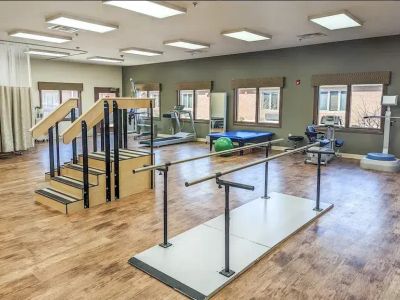
Bethel Pointe Health and Rehabilitation Center
Muncie, Indiana
3400 W Community Dr, Muncie, IN 47304
Why Trust Indiana Rehabs
As Hoosiers helping Hoosiers, we understand the unique challenges our communities face. Our team meticulously verifies every Indiana treatment center, ensuring you find trusted, local care that truly understands your journey.
About our listingsLevels of Care
Explore popular treatment options by levels of care, from flexible treatment in Outpatient centers to intensive care in Residential rehabs.
Free · 24/7 · Confidential
Talk to a Treatment Specialist
Call now to get matched with Indiana facilities that accept your insurance.
(888) 568-9930
Free
Ins. check
4.9★
Rating
HIPAA
Protected
Can't travel to a facility?
Licensed Indiana therapists via secure video — same-week appointments, evenings & weekends available.
Maybe you started taking Xanax just to get through sleepless nights or calm racing thoughts, following your doctor’s orders, only to realize one day that letting go feels impossible. That sense of being trapped, scared of the symptoms, unsure how to move forward, worried you’ll never feel like yourself again, is more common than you might think. But recovery isn’t out of reach; here in Indiana, there are compassionate, practical treatment paths that can help you find your way back to steadier ground.
What Is Xanax?
Xanax is the well-known brand name for a medication called alprazolam. It belongs to a class of drugs called benzodiazepines, which are commonly prescribed by doctors to treat anxiety and panic disorders. Think of your central nervous system as a busy highway. When you’re feeling anxious, the traffic is fast, loud, and overwhelming. Xanax works by boosting the effects of a natural chemical in your brain called GABA (gamma-aminobutyric acid)[1]. GABA acts like a traffic controller, slowing everything down and creating a sense of calm.
This calming effect is why the medication is so effective for short-term relief from intense anxiety or panic. However, the brain can quickly get used to the higher levels of GABA produced with Xanax. Over time, it may struggle to create that calm feeling on its own, which is how dependence can begin, even when you're just following a prescription.
Signs and Symptoms of Xanax Addiction
It’s a common misconception that addiction only happens when a medication is misused. The reality is that dependence on Xanax can develop even when you take it exactly as prescribed. Your body and brain simply adapt to its presence. Over time, you might notice you need more of the medication to get the same effect, this is called tolerance. Recognizing the signs of dependence is the first step toward getting help. Many people ask themselves, "Am I addicted to Xanax?" and looking at the symptoms honestly can provide clarity. It's important to remember these signs aren't a reflection of character but are medical symptoms of a treatable condition.

Physical Signs
Because Xanax is a central nervous system depressant, it slows down certain bodily functions. This can lead to noticeable physical symptoms, including:
- Constant drowsiness or fatigue
- Slurred speech
- Poor coordination or feeling unsteady
- Memory problems or forgetfulness
- Headaches or blurred vision
These signs can make daily activities difficult and are often the most visible indicators of physical dependence[1].
Psychological Signs
The changes in brain chemistry can also lead to significant psychological and emotional shifts. These are often just as challenging as the physical symptoms. You might experience:
- Intense cravings for Xanax
- Increased anxiety or irritability, especially between doses
- Sudden mood swings
- Difficulty concentrating on tasks
- Loss of interest in hobbies or activities you once enjoyed
- A feeling of depression or hopelessness
Xanax Withdrawal
When your body becomes dependent on Xanax, it struggles to function normally without it. If you suddenly stop taking it or significantly lower your dose, you’ll likely experience withdrawal. This happens because your brain, used to the calming effects of the medication, goes into a state of over-activity. Stopping "cold turkey" isn't just uncomfortable, it can be dangerous. The rebound effects can be severe, and in some cases, can lead to life-threatening complications like seizures[2]. That’s why professional medical supervision during Xanax detox is so important.
Common withdrawal symptoms include intense anxiety, insomnia, sweating, tremors, and muscle pain. A medically supervised withdrawal ensures your safety and helps manage these symptoms, making the process as comfortable as possible.
Xanax Addiction Treatment Options
Choosing to seek help for Xanax addiction is a courageous first step, and thankfully, there are many effective treatment options available. The right path for you will depend on a few factors, such as the severity of the dependence, your home environment, and whether you're also dealing with other mental health conditions. A proper assessment from a treatment professional can help determine the best level of care for your unique situation.

Withdrawal Management
The first and most critical phase of treatment is almost always withdrawal management, commonly known as medical detox. This process is designed to help you safely clear the drug from your system while managing the uncomfortable and potentially dangerous symptoms of withdrawal[2]. Under medical supervision, healthcare professionals may create a gradual tapering schedule to slowly reduce your dose, which helps minimize withdrawal symptoms. They can also provide medications to keep you comfortable and prevent serious complications.
Inpatient or Residential Care
For those with a severe dependence on Xanax or those who also have a co-occurring mental health disorder, inpatient or residential care offers the highest level of support. In this setting, you live at the treatment center and receive 24/7 medical and therapeutic care. This structured environment removes you from daily triggers and stressors, allowing you to focus completely on your recovery. It provides a safe, stable foundation to begin healing.
Outpatient Care
Outpatient care offers more flexibility, allowing you to live at home and continue with work or family responsibilities while attending treatment. There are different levels of outpatient programs, such as partial hospitalization programs (PHP) and intensive outpatient programs (IOP), which vary in the number of hours you spend in therapy each week. Outpatient treatment is a great option for those with a strong support system at home or as a step-down level of care after completing an inpatient program.
Therapy and Support Groups
Therapy is the core of any effective addiction treatment program. It helps you understand the root causes of your addiction and develop healthier coping strategies. cognitive behavioral therapy (CBT) is a common and effective approach that teaches you how to identify and change the negative thought patterns and behaviors linked to your Xanax use[3]. Support groups like 12-step programs or other peer-led groups also play a vital role by providing a community of people who understand what you’re going through and can offer accountability and encouragement.
How to Find Xanax Rehab Centers Near Me
Once you’re ready to take the next step, finding the right Xanax rehab in Indiana might feel overwhelming, but it doesn’t have to be. Start by looking for facilities that are licensed and certified by the state, as this ensures they meet specific standards of care[4]. You can find a list of certified providers through Indiana's Division of Mental Health and Addiction.
Consider what level of care seems right for you, inpatient, outpatient, or medical detox. Many treatment centers offer multiple levels of care, which can make transitioning between programs seamless. A common question is, "Does insurance cover Xanax rehab?" The answer is often yes. Most insurance plans, including Medicaid, provide coverage for addiction treatment, though the specifics can vary[5]. The best way to know for sure is to call the admissions team at a rehab center. They can help you verify your benefits and explain what your plan covers.
Find Xanax Treatment And Rehab Today
Living with Xanax addiction can feel isolating, but it’s a journey you don’t have to walk alone. This condition is serious, but with the right support and a personalized treatment plan, lasting recovery is entirely possible. In Indiana, there are compassionate and professional rehab programs ready to help you safely manage withdrawal, address the underlying reasons for your dependence, and build a healthier, more fulfilling future.
Taking that first step is often the hardest part, but it’s a sign of incredible strength. Reaching out for help is the start of finding your way back to yourself. If you’re unsure where to begin, SAMHSA's National Helpline is a free, confidential resource available 24/7 to provide information and treatment referrals.
Breaking free from Xanax dependence is a process, but it’s one that leads to renewed hope and stability. The right treatment program in Indiana can provide the tools and support needed to heal. If you're ready to explore your options, our team at Indiana Rehabs is here to help. You can call us at (888) 568-9930 or visit our contact page to connect with someone who can guide you toward the right path for your recovery. You deserve to feel steady on your own two feet again, and we’re here to support you every step of the way.
Frequently Asked Questions About Xanax Rehab in Indiana
How long does Xanax withdrawal last?
What are the long-term effects of Xanax use?
How do I know if I need inpatient or outpatient Xanax rehab?
What is the difference between Xanax and other benzodiazepines?
What is a Xanax taper?
- George, T. & Tripp, J. (04-24-2023). Alprazolam. StatPearls. ncbi.nlm.nih.gov
- (01-30-2025). The ASAM clinical practice guideline on benzodiazepine tapering. American Society of Addiction Medicine. acmt.net
- George, T. & Tripp, J. (04-24-2023). Alprazolam. StatPearls. ncbi.nlm.h.gov
- Indiana Division of Mental Health and Addiction. (07-14-2020). Certification and licensure rules and Indiana code. Indiana Family and Social Services Administration. in.gov
- Indiana Health Coverage Programs. (08-31-2023). IHCP bulletin BT2023108. Indiana Family and Social Services Administration. in.gov