Rehabs with Arcade Games

Showing 9 of 9 Results (filtered)
Featured Rehab Centers


1411 W County Line Rd, Suite 1411A, Greenwood, IN 46142

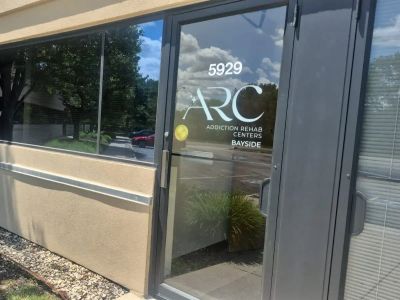

Addiction Rehab Centers - ARC At Bayside | Indianapolis Drug & Alcohol Rehab
Indianapolis, Indiana
5929 Lakeside Blvd, Indianapolis, IN 46278
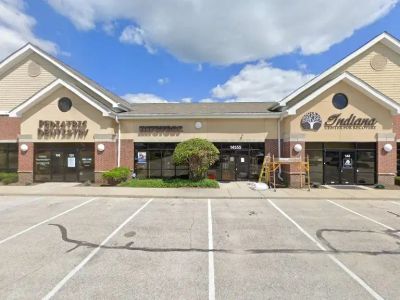

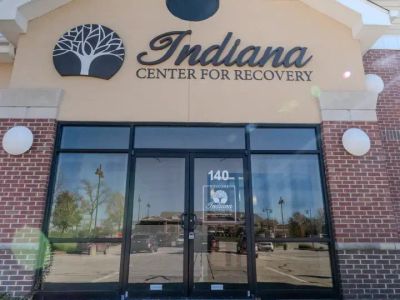
Indiana Center For Recovery - Alcohol & Drug Rehab Center Carmel
Carmel, Indiana
14555 Hazel Dell Pkwy #140, Carmel, IN 46033
Get Personalized Rehab Matches in 60 Seconds
Tell us a few details and we’ll show a personalized shortlist of verified Indiana rehabs, making it simple to compare options and choose your next step with confidence.
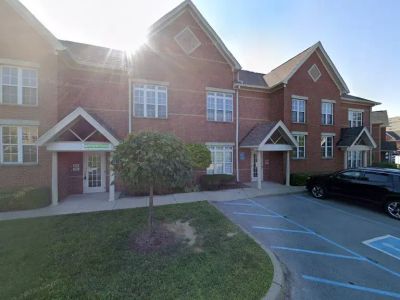


Indiana Center for Recovery - Alcohol & Drug Rehab Center Jeffersonville
Jeffersonville, Indiana
601 N Shore Dr Suite 102-103, Jeffersonville, IN 47130
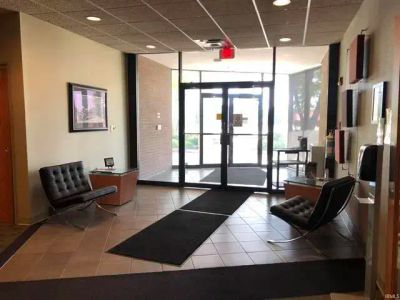

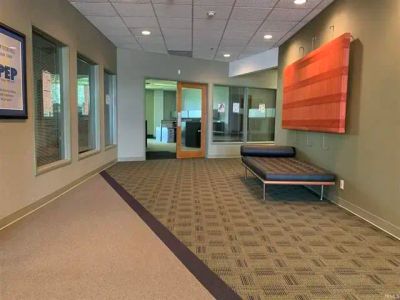
Restored Life Continuum of Care
Kokomo, Indiana
302 S Reed Rd, Kokomo, IN 46901

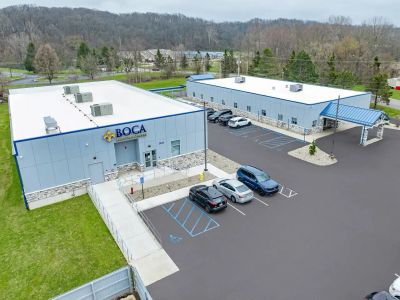

Boca Recovery Center - Indiana Drug and Alcohol Rehab
Huntington, Indiana
3040 W Park Dr, Huntington, IN 46750
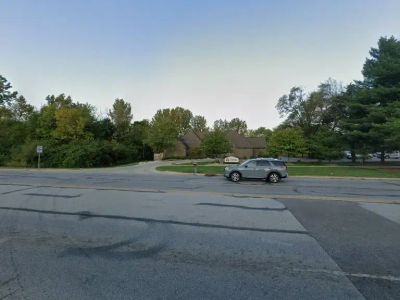
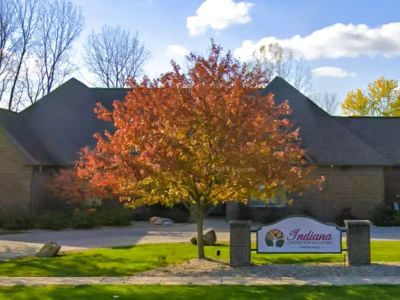

Indiana Center for Recovery - Alcohol & Drug Rehab Center Indianapolis
Indianapolis, Indiana
5510 S Emerson Ave, Indianapolis, IN 46237



Addiction Rehab Centers - ARC
Indianapolis, Indiana
7322 Noel Road, Indianapolis, IN, 46278
Pinnacle Treatment Centers - 581 E. Main Street
Hagerstown, Indiana
581 E. Main Street Hagerstown, IN 47346
Why Trust Indiana Rehabs
As Hoosiers helping Hoosiers, we understand the unique challenges our communities face. Our team meticulously verifies every Indiana treatment center, ensuring you find trusted, local care that truly understands your journey.
About our listingsLevels of Care
Explore popular treatment options by levels of care, from flexible treatment in Outpatient centers to intensive care in Residential rehabs.
Free · 24/7 · Confidential
Talk to a Treatment Specialist
Call now to get matched with Indiana facilities that accept your insurance.
(888) 568-9930
Free
Ins. check
4.9★
Rating
HIPAA
Protected
Can't travel to a facility?
Licensed Indiana therapists via secure video — same-week appointments, evenings & weekends available.
Picture yourself in a rehab center, the familiar glow and sound of arcade games offering a moment of spirited challenge, maybe even a little slice of normalcy amid a hard season. There’s comfort in the laughter and friendly competition, a reminder that joy and play aren’t out of reach even while you’re working on deep, personal change. But it’s worth asking how these small escapes fit into your recovery, and where the line is between helpful fun and unhealthy habits. In Indiana, some rehabs are blending recreation and healing, and understanding that balance can help you choose the space that truly supports your next steps.
What is video game addiction?
When gaming stops feeling like a choice and starts feeling like a need, it may be moving into the territory of a behavioral addiction. Often called internet gaming disorder, this condition isn’t just about loving video games or playing them often. It’s about losing control over your gaming habits to the point where it negatively affects your health, relationships, and responsibilities. Think of it less as a hobby and more as a compulsive pattern that’s hard to break, even when you want to. While it can feel isolating, it’s a recognized health condition that affects many people. Researchers estimate that this type of addiction impacts between 1.7% and 10% of the U.S. population. Understanding what video game addiction is, a true health condition, is the first step toward finding balance and support.
What are the signs and symptoms of video game addiction?
Recognizing the signs of internet gaming disorder can be tricky, as many of the symptoms can be subtle at first. It’s not just about the hours spent playing, but about how gaming impacts a person’s life and well-being. If you’re concerned about yourself or someone you care about, here are some common signs to look for:
- Preoccupation with gaming, constantly thinking about past or future sessions.
- Feeling irritable, anxious, or sad when unable to play.
- Needing to spend more and more time gaming to feel satisfied.
- Being unable to cut back or stop, even after trying.
- Losing interest in hobbies and activities you once enjoyed.
- Continuing to game despite clear negative consequences at work, school, or home.
- Lying to friends or family about how much time you spend gaming.
- Using gaming as a way to escape from or numb difficult feelings.
- Neglecting personal hygiene, sleep, or nutrition.
How is video game addiction treated?

Treating video game addiction involves more than just putting down the controller. The most effective approaches focus on therapy that helps you understand the root causes of the behavior. Psychotherapy is the primary treatment, with Cognitive-Behavioral Therapy (CBT) being one of the most common methods. CBT helps you identify and challenge the thought patterns that lead to compulsive gaming, teaching you healthier ways to cope with stress, boredom, or emotional pain[1]. It’s a practical, hands-on approach to changing your relationship with technology.
A supportive environment is also key. Many people with gaming disorders also struggle with anxiety or depression, so addressing co-occurring conditions is a critical part of treatment[2]. While some centers specialize in this area, many substance use treatment facilities provide the structured care needed for recovery from behavioral addictions. In these settings, amenities like arcade games can offer a healthy outlet for recreation and social connection, showing that it’s possible to enjoy activities in a balanced way. Finding rehabs with arcade games in Indiana can be part of a comprehensive plan that combines evidence-based therapy with positive, sober fun.
What Are The Potential Risks of Gaming Addiction?
When left unaddressed, compulsive gaming can lead to serious negative consequences that ripple through every area of a person's life. The risks often extend far beyond the screen. Socially, it can lead to isolation and damaged relationships with family and friends. Academically and professionally, it can cause grades to drop or lead to poor work performance. Financially, the cost of games, in-game purchases, and hardware can create significant debt. Perhaps most importantly, there are major health risks. This includes physical issues like fatigue and wrist strain, as well as mental health challenges like increased anxiety and depression, which often go hand-in-hand with behavioral addictions.
How Can I Find Support?
Taking the first step toward getting help is the most important one. If you recognize the signs of video game addiction in yourself or a loved one, reaching out to a healthcare provider, therapist, or psychologist is a great place to start. They can offer a professional assessment and guide you toward the right treatment. While amenities like arcade games can be a positive part of a recovery environment, the foundation of lasting change is strong, evidence-based clinical care[3]. You can also use online tools like the FindTreatment.gov locator to find qualified providers near you. Remember, you don't have to navigate this alone.
Finding the right path forward means choosing a space that supports both your healing and your humanity. It’s about building a life where you are in control, and where joy comes from connection and balance, not just a high score. If you’re ready to explore treatment options in Indiana, our team is here to help. You can call us at (888) 568-9930 for a confidential conversation or browse our resources at Indiana Rehabs. Please don't hesitate to contact us today to find the support you deserve.
Frequently Asked Questions About Gaming Addiction Treatment in Indiana
Are arcade games in rehab a bad idea for someone with a gaming addiction?
What's the difference between a gaming hobby and a gaming addiction?
Is video game addiction a real medical condition?
Can I get treated for video game addiction at a regular substance use rehab?
How does therapy help treat video game addiction?
What can I do if I’m worried about a loved one’s gaming habits?
- (2023-03-01). Evidence-based treatment for substance use disorders. U.S. National Library of Medicine. pmc.ncbi.nlm.nih.gov
- Substance Abuse and Mental Health Services Administration. (2020). National Survey of Substance Abuse Treatment Services (N-SSATS). U.S. Department of Health and Human Services. samhsa.gov
- U.S. Department of Health and Human Services. (August, 2021). State residential treatment for behavioral health: Indiana. ASPE. aspe.hhs.gov