
BBQ/Picnic Area Amenities in Indiana



Showing 8 of 8 Results (filtered)
Featured Rehab Centers
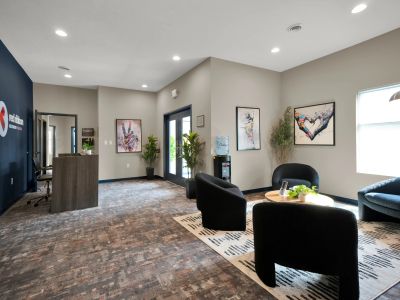
1411 W County Line Rd, Suite 1411A, Greenwood, IN 46142
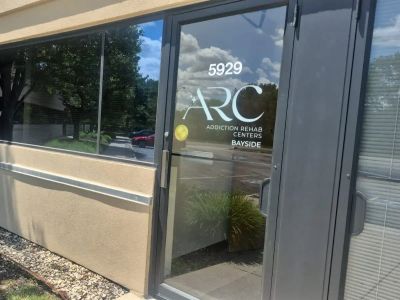
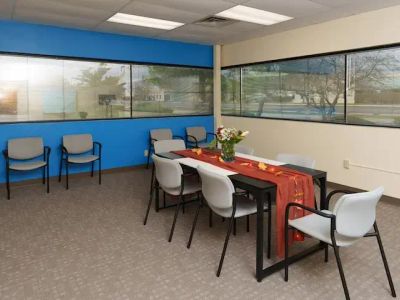
Addiction Rehab Centers - ARC At Bayside | Indianapolis Drug & Alcohol Rehab
Indianapolis, Indiana
5929 Lakeside Blvd, Indianapolis, IN 46278
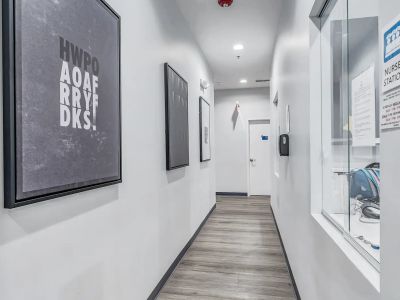
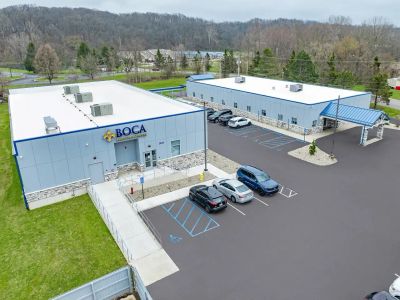
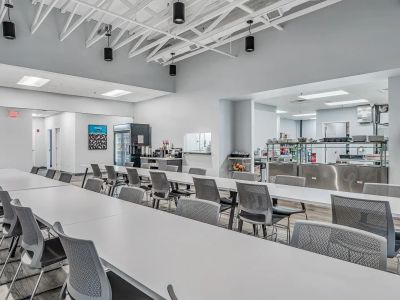
Boca Recovery Center - Fort Wayne, Indiana
Fort Wayne, Indiana
111 W Berry St #211, Fort Wayne, IN 46802
Get Personalized Rehab Matches in 60 Seconds
Tell us a few details and we’ll show a personalized shortlist of verified Indiana rehabs, making it simple to compare options and choose your next step with confidence.
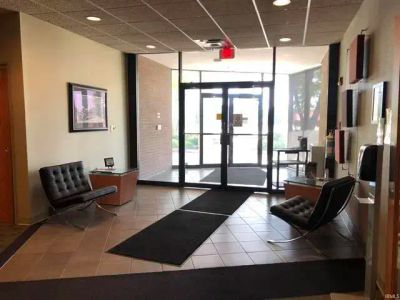
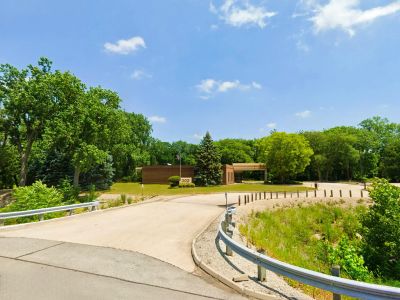
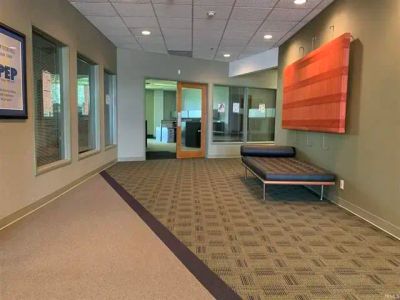
Restored Life Continuum of Care
Kokomo, Indiana
302 S Reed Rd, Kokomo, IN 46901
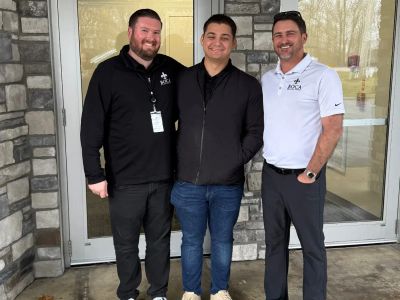
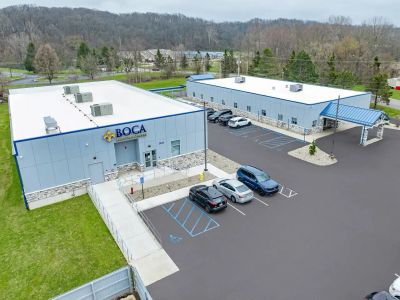

Boca Recovery Center - Indiana Drug and Alcohol Rehab
Huntington, Indiana
3040 W Park Dr, Huntington, IN 46750
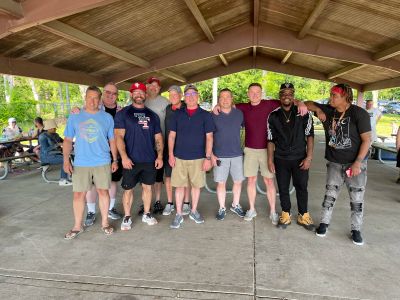
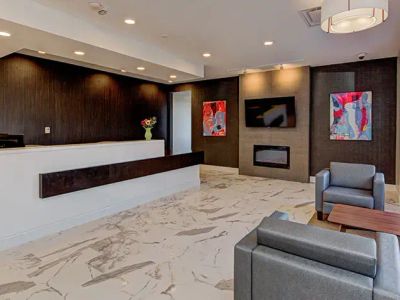
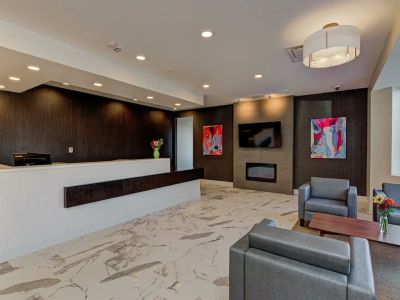
Addiction Rehab Centers - ARC
Indianapolis, Indiana
7322 Noel Road, Indianapolis, IN, 46278
Pinnacle Treatment Centers - 2209 John R Wooden Drive
Martinsville, Indiana
2209 John R Wooden Drive, 3rd Floor Martinsville, IN 46151
Pinnacle Treatment Centers - 581 E. Main Street
Hagerstown, Indiana
581 E. Main Street Hagerstown, IN 47346
Why Trust Indiana Rehabs
As Hoosiers helping Hoosiers, we understand the unique challenges our communities face. Our team meticulously verifies every Indiana treatment center, ensuring you find trusted, local care that truly understands your journey.
About our listingsLevels of Care
Explore popular treatment options by levels of care, from flexible treatment in Outpatient centers to intensive care in Residential rehabs.
Free · 24/7 · Confidential
Talk to a Treatment Specialist
Call now to get matched with Indiana facilities that accept your insurance.
(888) 568-9930
Free
Ins. check
4.9★
Rating
HIPAA
Protected
Can't travel to a facility?
Licensed Indiana therapists via secure video — same-week appointments, evenings & weekends available.
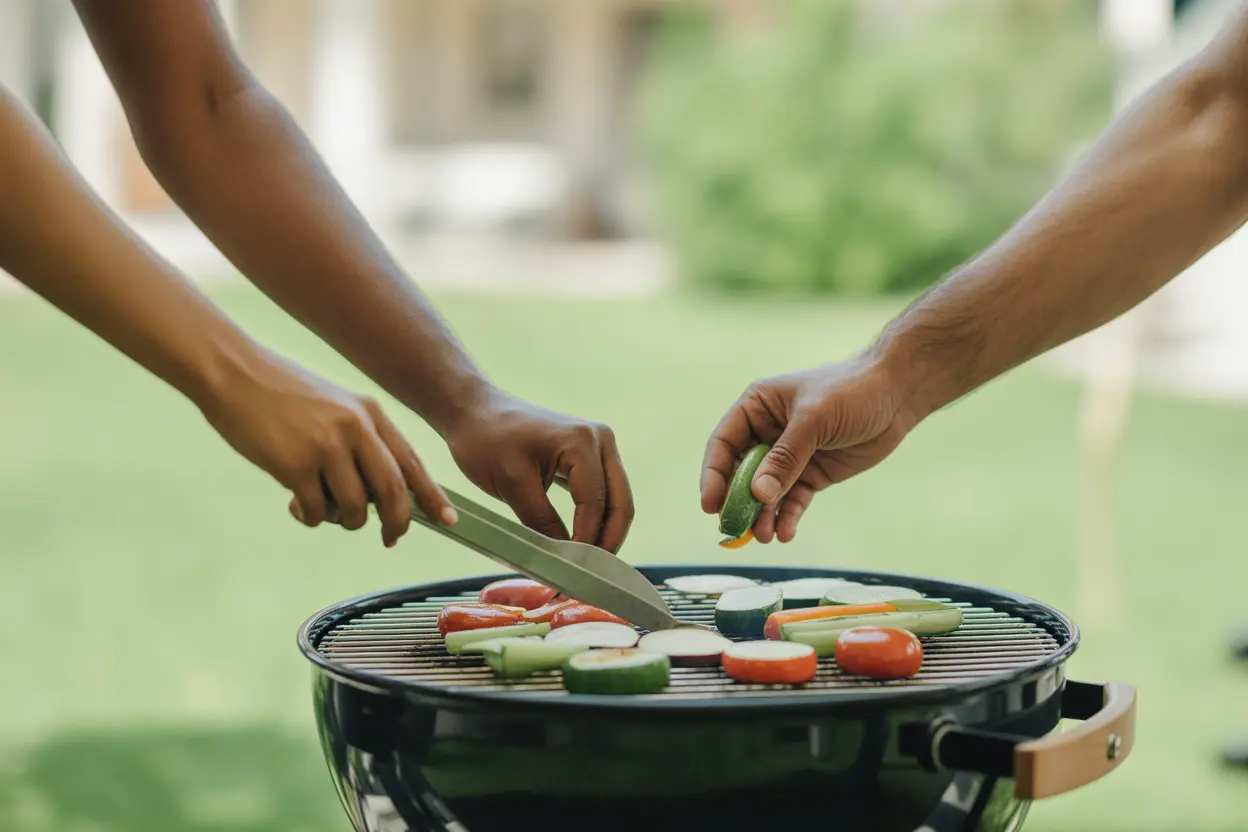
Imagine the smoky aroma of barbecue drifting through the air, laughter and easy conversation weaving between sunbeams as you sit down at a picnic table with others who understand what it's like to start over. That feeling of belonging, the comfort of a shared meal under open sky, stands in sharp contrast to the loneliness that so often shadows addiction. When recovery is nurtured in spaces that spark connection and warmth, like a welcoming outdoor picnic area, a path toward healing can feel less lonely and a little more possible.
Why Outdoor Amenities Matter in Recovery
True rehabilitation is about more than clinical care; it’s about relearning how to connect with people in a healthy, sober environment. A simple outdoor space with grills and picnic tables can become a powerful setting for healing. It offers a relaxed atmosphere where you can build genuine friendships with peers, share stories, and support one another away from formal therapy sessions. These casual gatherings help rebuild the social confidence that addiction often erodes, making space for new, positive memories.
For many, this is also a chance to reconnect with visiting families in a comfortable setting. The benefits are clear:
- Reduces Stress: Spending time outdoors in a calm setting can lower anxiety and promote a sense of well-being, which is vital during the early stages of recovery[1].
- Builds Community: Sharing food and conversation helps foster a strong sense of community and peer support among residents[2].
- Practices Social Skills: These gatherings provide a safe, supervised space to practice communication and enjoy social events without the presence of substances. You can learn more about the role of family in the rehabilitation process and how these spaces facilitate connection.
Finding a Rehab with BBQ & Picnic Areas in Indiana
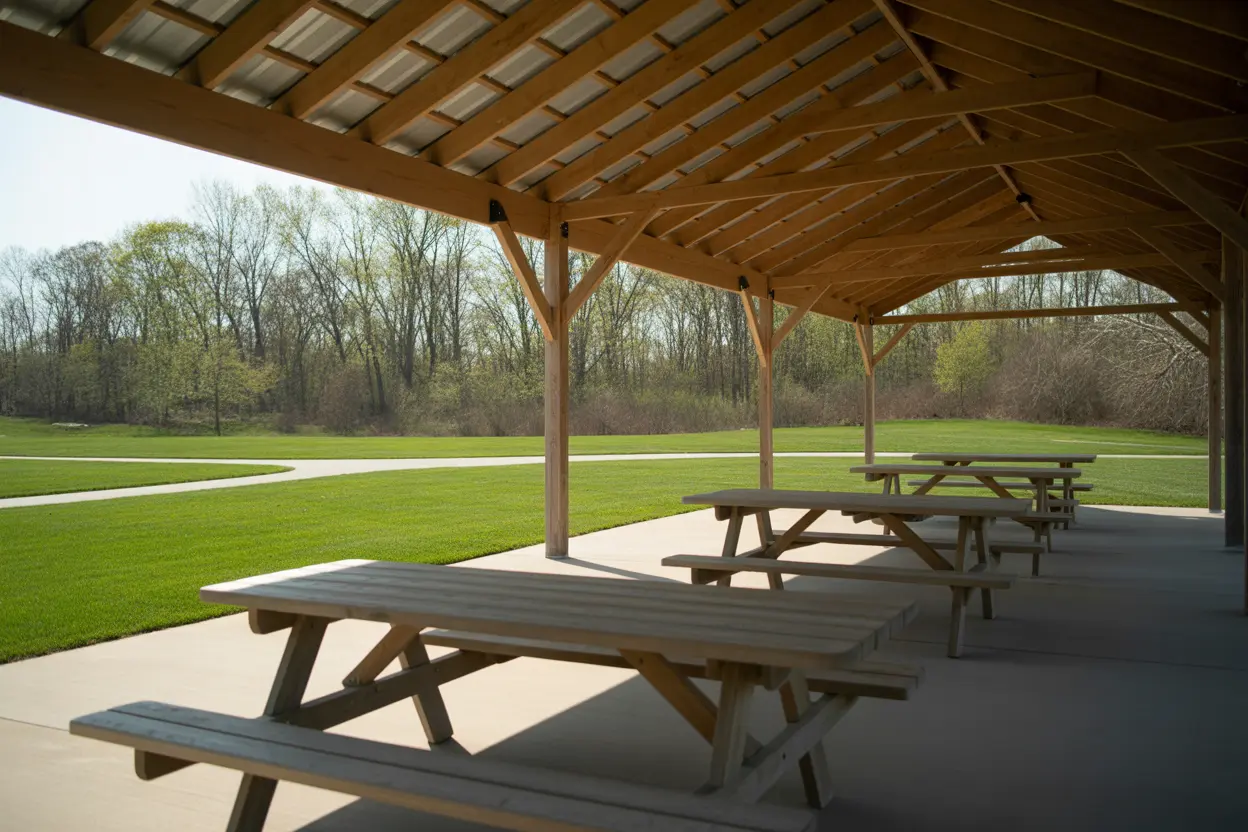
This page is designed to help you find rehabilitation centers in Indiana that offer BBQ and picnic areas. These outdoor spaces can vary widely, from a few picnic tables in a quiet park-like setting to full outdoor kitchens used for community events. It’s good to remember that access to these amenities is often structured. Their use might be scheduled for certain times, reserved for group activities, or designated for days when families come to visit. This ensures that the environment remains safe, supportive, and focused on recovery for everyone[3]. If you have questions about specific amenities, the admissions process is a great time to ask. You can also use official resources like SAMHSA's National Treatment Facility Locator to search for licensed centers[4]. Browse the listings below to find a facility with the right environment to support your journey.
Finding a treatment setting where you feel comfortable is a crucial first step. The right space can make all the difference in building a strong foundation for a lasting recovery. If you’re ready to take that step or just want to talk to someone who understands, we’re here to help. You can explore the different rehab facilities in Indiana on our site or call us at (888) 568-9930. At Indiana Rehabs, we believe in connecting you with the care you deserve. Please don't hesitate to contact us for guidance and support.
Frequently Asked Questions About Rehab Amenities in Indiana
Do all rehab centers in Indiana have outdoor spaces?
Are family members allowed to join in during outdoor activities at rehab?
What are the rules for using a BBQ or picnic area at a rehab facility?
Can I leave rehab to go to a park?
What other amenities should I look for in a rehab center?
- Indiana Department of Natural Resources. (2019). Statewide comprehensive outdoor recreation plan 2021-2025. Indiana Department of Natural Resources. in.gov
- (2020). 2020 National survey of substance abuse treatment services (N-SSATS): Final report. Substance Abuse and Mental Health Services Administration. samhsa.gov
- (11-08-2014). 440 IAC 9-2-8 - Residential services for adults with addictions. Indiana Administrative Code. law.cornell.edu
- (August, 2021). State residential treatment for behavioral health: Indiana. U.S. Department of Health and Human Services, Office of the Assistant Secretary for Planning and Evaluation. aspe.hhs.gov