
Rehabs with Blackout Curtains

Showing 6 of 6 Results (filtered)
Featured Rehab Centers
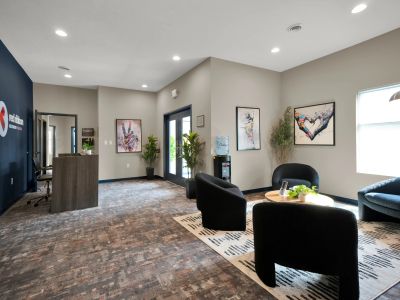
1411 W County Line Rd, Suite 1411A, Greenwood, IN 46142

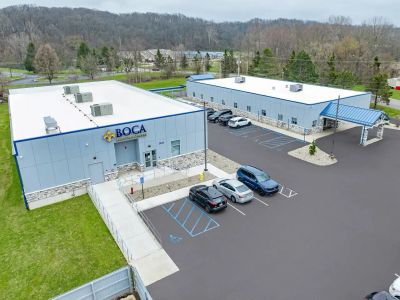

Boca Recovery Center - Indiana Drug and Alcohol Rehab
Huntington, Indiana
3040 W Park Dr, Huntington, IN 46750

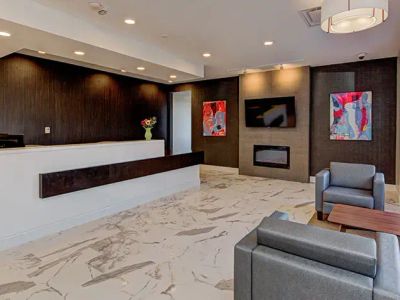

Addiction Rehab Centers - ARC
Indianapolis, Indiana
7322 Noel Road, Indianapolis, IN, 46278
Get Personalized Rehab Matches in 60 Seconds
Tell us a few details and we’ll show a personalized shortlist of verified Indiana rehabs, making it simple to compare options and choose your next step with confidence.
Pinnacle Treatment Centers - 2209 John R Wooden Drive
Martinsville, Indiana
2209 John R Wooden Drive, 3rd Floor Martinsville, IN 46151
Pinnacle Treatment Centers - 581 E. Main Street
Hagerstown, Indiana
581 E. Main Street Hagerstown, IN 47346
Pinnacle Treatment Centers - 8955 Broadway
Merrillville, Indiana
8955 Broadway Merrillville, IN 46410
Why Trust Indiana Rehabs
As Hoosiers helping Hoosiers, we understand the unique challenges our communities face. Our team meticulously verifies every Indiana treatment center, ensuring you find trusted, local care that truly understands your journey.
About our listingsLevels of Care
Explore popular treatment options by levels of care, from flexible treatment in Outpatient centers to intensive care in Residential rehabs.
Free · 24/7 · Confidential
Talk to a Treatment Specialist
Call now to get matched with Indiana facilities that accept your insurance.
(888) 568-9930
Free
Ins. check
4.9★
Rating
HIPAA
Protected
Can't travel to a facility?
Licensed Indiana therapists via secure video — same-week appointments, evenings & weekends available.
You’ve made the brave choice to start recovery, but now a new challenge emerges when the world finally quiets down: why does sleep feel so impossible when you need it most? Lying awake, staring at shadows on the ceiling, you might feel every ache of exhaustion in your body and mind, yet real rest slips further away. What many don’t realize is that even something as simple as a room’s light, filtered softly by blackout curtains, can make all the difference for your brain’s healing. There are Indiana rehabs that understand how the right environment supports deep, restorative sleep, giving you the peace you deserve on your recovery journey.

Why is sleep important?
Think of sleep as your body’s and mind’s dedicated repair crew. While you rest, your brain gets to work organizing thoughts, repairing cellular damage, and strengthening your resilience for the day ahead. During addiction recovery, this process isn't just helpful, it's absolutely essential. Addiction can throw your natural sleep cycles completely out of whack, often leading to persistent insomnia that makes healing feel even harder. Many people find that just as they commit to treatment, their ability to get a full night's rest disappears.
This struggle is incredibly common. In fact, studies show that a high percentage of individuals in recovery from alcohol misuse experience significant sleep disturbances. This lack of quality sleep can do more than just make you feel tired; it can affect your mood, your ability to focus in therapy, and your overall mental health. When you're exhausted, managing cravings and emotional triggers becomes a much steeper climb. That’s why addressing sleep isn’t a luxury in treatment; it’s a core part of building a strong foundation for sobriety. Good sleep helps regulate emotions, improves cognitive function, and ultimately lowers the risk of relapse, making it a clinical necessity for lasting recovery.[1]
The connection between sleep and addiction recovery
Understanding that sleep is vital is the first step. The next is creating an environment that actually encourages it, especially when your body is working hard to heal during withdrawal. This is where a thoughtful treatment facility can make a world of difference. Simple amenities that promote comfort and rest become powerful tools for your addiction recovery journey. One of the most effective tools is something you might overlook: blackout curtains.
Blackout curtains are exactly what they sound like, thick, heavy drapes designed to block nearly all outside light from entering a room. Their function is simple but profound. By creating true darkness, they signal to your brain that it’s time to produce melatonin, the hormone that regulates your sleep-wake cycle. For someone in recovery, whose natural rhythms are often disrupted, this is a huge benefit. These curtains help reset your internal clock, minimize distractions from streetlights or early morning sun, and create a secure, controlled space where your only job is to rest and heal. In a residential treatment program, managing withdrawal symptoms like insomnia is a key part of evidence-based care, and a dark, quiet room is a foundational piece of that support.[2]
How Does Alcohol Affect Sleep?
Many people think of alcohol as a sleep aid because it can make you feel drowsy. While it might help you fall asleep faster, the quality of that sleep is severely compromised. Alcohol disrupts your natural sleep architecture, especially during the second half of the night. It suppresses REM sleep, which is crucial for memory consolidation and emotional processing. This is why you might wake up after a few hours feeling restless and unrefreshed. For someone who has been drinking heavily, this disruption is magnified, leading directly to the frustrating cycle of alcohol withdrawal insomnia.
Managing Insomnia During Alcohol Withdrawal
Coping with insomnia during alcohol withdrawal requires a gentle, supportive approach. While medication may be an option in some cases, creating the right environment is a powerful, non-pharmacological strategy that puts you in control. Here are a few ways to manage sleeplessness:
- Establish a Routine: Go to bed and wake up around the same time every day to help reset your body’s internal clock.
- Control Your Environment: This is where amenities like rehabs with blackout curtains become so important. A completely dark room can significantly improve your ability to fall and stay asleep.
- Limit Screen Time: The blue light from phones and tablets can interfere with melatonin production. Try to put screens away at least an hour before bed.
- Practice Relaxation: Gentle stretching, deep breathing, or meditation can help calm your mind and prepare your body for rest.

Find Indiana Rehabs Offering Blackout Curtains
Finding a treatment center in Indiana that prioritizes your comfort and rest is a key step in setting yourself up for success. While therapy and medical care are the cornerstones of addiction treatment, an environment that supports deep, restorative sleep can make your recovery journey smoother and more sustainable. Many programs recognize this and offer amenities specifically designed to improve sleep quality, such as blackout curtains.
This directory is designed to help you find and compare different facilities across the state. As you browse, you can look for rehabs that mention creating a restful environment or list specific amenities like light-blocking shades. Please remember to always confirm the availability of any amenity directly with the treatment center's admissions team before making a final decision. You can start exploring different addiction treatment facilities in Indiana to find one that fits your needs. For an official, state-level search, the Indiana DMHA treatment finder is another valuable resource for locating licensed programs.
How should I compare programs and rehabs in Baltimore?
While the question mentions Baltimore, the principles for choosing the right program are universal and apply directly to your search in Indiana. Looking beyond a single amenity to the overall quality and approach of a facility will ensure you find the best fit. Here is a practical checklist to help you compare your options:
- Licensure and Accreditation: Ensure the facility is licensed by the state of Indiana and accredited by a recognized body like The Joint Commission or CARF. This guarantees they meet high standards of care and safety.[3]
- Staff Credentials: Look for programs with licensed and experienced medical staff, therapists, and counselors. Qualified professionals are the heart of effective treatment.
- Types of Therapy Offered: A quality rehab will offer a range of evidence-based therapies, such as cognitive behavioral therapy (CBT) or dialectical behavior therapy (DBT). Ask about the different types of care and therapies available.
- Staff-to-Patient Ratio: A lower ratio often means more individualized attention and support throughout your treatment.
- Aftercare Planning: Recovery doesn’t end when you leave the facility. A strong program will have a robust aftercare plan to support your long-term sobriety.
A common question is, "How can I pay for my program or rehab?" The cost of treatment can feel overwhelming, but help is available. Many private insurance plans cover a significant portion of rehab costs, and state-funded programs like Indiana's Medicaid can also provide coverage for substance use disorder treatment.[4] Don't let financial worries stop you from seeking help, always ask the admissions team about insurance and payment options.
Taking the Next Steps Toward Recovery
Your recovery journey is deeply personal, and finding a treatment facility that feels right is a crucial part of the process. Remember, restorative sleep isn't just a small comfort, it's a cornerstone of healing your mind and body. The environment you choose can significantly impact your ability to rest, and looking for practical features like blackout curtains shows that a center cares about your well-being on every level. As a supportive resource for Hoosiers, we are here to help you navigate your options with clarity and confidence.
Taking that first step is the most important one. When you’re ready, you can verify your insurance or call our compassionate team for guidance. A peaceful start to sobriety is possible, and finding the right support makes all the difference. The team at Indiana Rehabs is here to help you find the support you need. Don't hesitate to call us at (888) 568-9930 or contact us online for confidential assistance. You've already made the brave decision to seek help; let us help you with the next step.
Frequently Asked Questions About Sleep and Addiction Treatment in Indiana
Why is my insomnia worse after quitting alcohol?
What other amenities help improve sleep in rehab?
Are private rooms available in Indiana rehabs?
Can I use sleep medication during detox?
How long does alcohol withdrawal last?
What's the difference between detox and residential treatment?
- Substance Abuse and Mental Health Services Administration. (2024). FY 2025 Congressional Justification. Substance Abuse and Mental Health Services Administration. samhsa.gov
- Wayne State University. (2025). Evidence based treatment for justice-involved populations in Allen County. Center for Behavioral Health and Justice. behaviorhealthjustice.wayne.edu
- U.S. Department of Health and Human Services. (2021). State residential treatment for behavioral health: Indiana. Office of the Assistant Secretary for Planning and Evaluation. aspe.hhs.gov
- Centers for Medicare & Medicaid Services. (10-19-2023). Healthy Indiana Plan (HIP) Substance Use Disorder (SUD) summative evaluation report. U.S. Department of Health & Human Services. medicaid.gov