Rehabs with Cold Plunge

Showing 5 of 5 Results (filtered)
Featured Rehab Centers

1411 W County Line Rd, Suite 1411A, Greenwood, IN 46142

Crossroads Healing Center - Addiction & Mental Health Treatment in Indiana
Connersville, Indiana
450 Erie Ave, Connersville, IN 47331
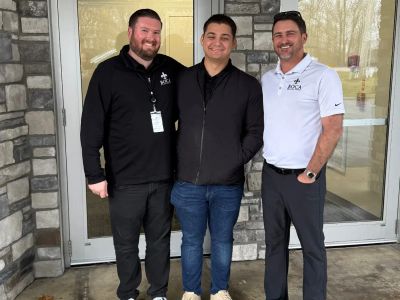
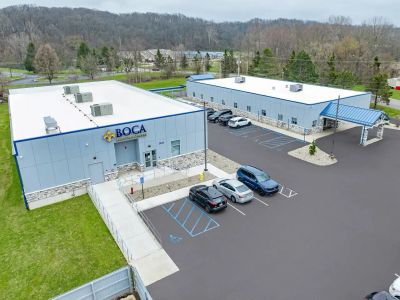
Boca Recovery Center - Indiana Drug and Alcohol Rehab
Huntington, Indiana
3040 W Park Dr, Huntington, IN 46750
Get Personalized Rehab Matches in 60 Seconds
Tell us a few details and we’ll show a personalized shortlist of verified Indiana rehabs, making it simple to compare options and choose your next step with confidence.



Addiction Rehab Centers - ARC
Indianapolis, Indiana
7322 Noel Road, Indianapolis, IN, 46278
Pinnacle Treatment Centers - 581 E. Main Street
Hagerstown, Indiana
581 E. Main Street Hagerstown, IN 47346
Why Trust Indiana Rehabs
As Hoosiers helping Hoosiers, we understand the unique challenges our communities face. Our team meticulously verifies every Indiana treatment center, ensuring you find trusted, local care that truly understands your journey.
About our listingsLevels of Care
Explore popular treatment options by levels of care, from flexible treatment in Outpatient centers to intensive care in Residential rehabs.
Free · 24/7 · Confidential
Talk to a Treatment Specialist
Call now to get matched with Indiana facilities that accept your insurance.
(888) 568-9930
Free
Ins. check
4.9★
Rating
HIPAA
Protected
Can't travel to a facility?
Licensed Indiana therapists via secure video — same-week appointments, evenings & weekends available.
What if one of the most powerful tools on your recovery path wasn’t a heart-to-heart conversation, but a jolt of cold water sweeping over your skin? Cold plunge therapy might sound intense, but for many, it’s become a refreshing way to reset both body and mind while building the resilience needed to heal. When paired with trusted, medically-guided treatment, this experience can be a meaningful addition to your journey toward lasting well-being, helping you reclaim energy and clarity with every breath.
Understanding Sauna and Cold Plunge Therapy in Drug Rehab
At its core, cold plunge therapy is simple: it involves immersing your body in cold water, usually between 50-59°F, for a short period. Think of it as a brief, intentional dip that awakens your senses. While it’s often paired with a sauna to create a hot-cold contrast, a cold plunge is a powerful wellness tool on its own. In addiction recovery, this isn't just about a quick chill; it's a form of holistic treatment designed to strengthen the connection between your mind and body.[1] It’s considered an experiential therapy, meaning it helps you practice mindfulness and resilience in a very real, physical way. This therapy serves as a supportive amenity, complementing the core clinical work you do during treatment and helping you build a foundation for lasting wellness.
Benefits of Sauna and Cold Plunge Therapy for Addiction Treatment
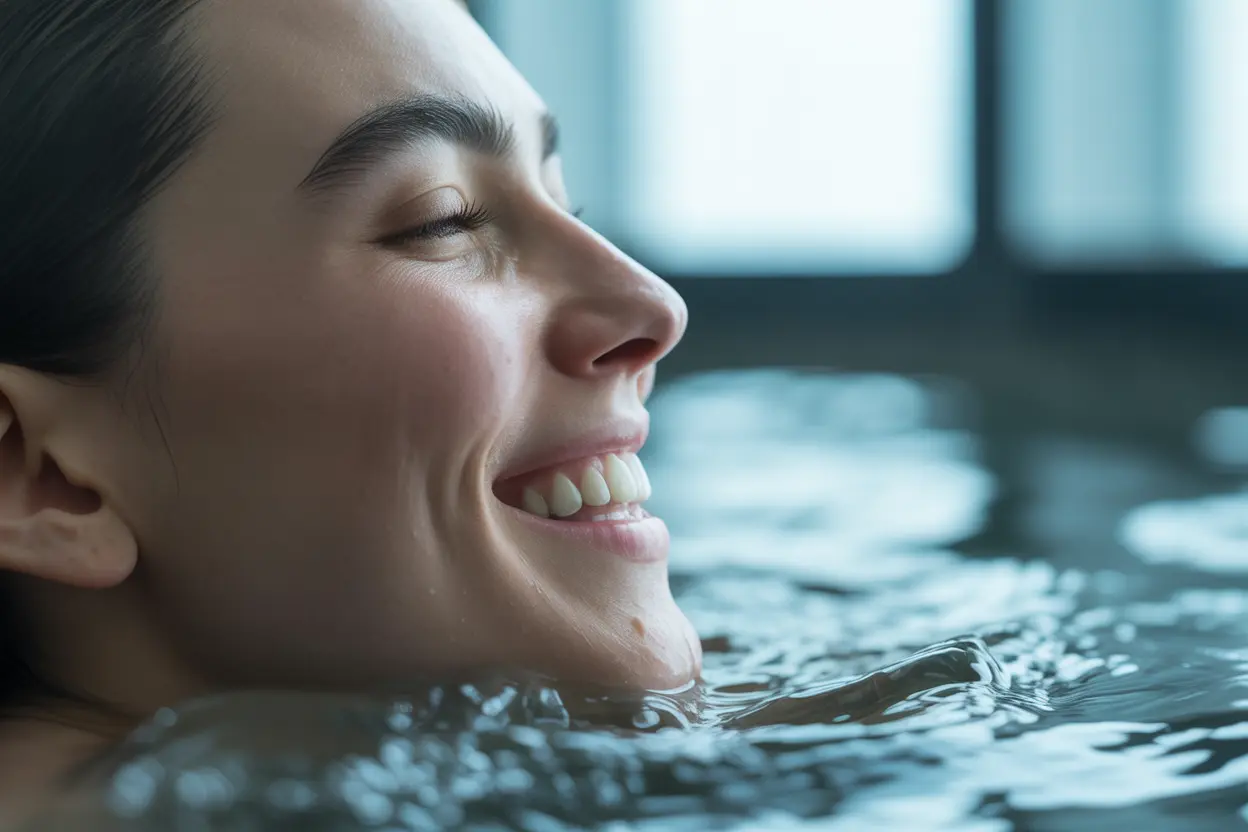
When your body is healing from substance abuse, it needs support on every level. Cold plunge therapy offers a range of physical and mental health benefits that can make a real difference in your recovery. It’s a way to help your body regulate itself while teaching your mind how to handle discomfort and emerge stronger. The jolt of cold water can trigger a release of endorphins, naturally boosting your mood and providing a sense of accomplishment that builds over time.[1] Many patients find this practice helps manage stress and anxiety, making it easier to focus on their recovery goals. This therapy is especially helpful for anyone looking to build resilience and improve their mood under safe, medical guidance.
Physical Benefits
The physical health benefits of cold plunge therapy are particularly important during addiction recovery, as your body works to heal and restore balance. Here’s how it can help:
- Reduced inflammation: When you enter cold water, your blood vessels constrict, which can help reduce swelling and inflammation throughout your body. This is a welcome relief when your body is recovering from the physical stress of substance abuse.
- Improved circulation: The cold prompts your circulatory system to work harder to maintain your core temperature, flushing metabolic waste from your muscles and improving overall blood flow.
- Boosted immune system: Some studies suggest that regular exposure to cold water may stimulate the production of white blood cells, which are essential for fighting off illness and keeping you healthy.
- Increased metabolism: Your body has to work to stay warm in the cold water, which can temporarily increase your metabolic rate, helping you feel more energized.
Mental Health Benefits
Beyond the physical effects, cold plunge therapy provides powerful mental health benefits that directly support the challenges of recovery:
- Enhanced mood: The shock of the cold water can trigger the release of endorphins, the body's natural mood elevators, offering a feeling of calm and well-being after each session.
- Builds mental resilience: Intentionally facing the discomfort of the cold and breathing through it teaches you how to tolerate distress. This skill is invaluable for managing cravings and navigating triggers in your sobriety journey.
- Reduces stress and anxiety: Cold exposure can help regulate your nervous system, decreasing stress hormones over time and promoting a sense of calm. Many find it improves their ability to handle daily stressors.
- Improves focus and mental clarity: The intense, present-moment focus required during a cold plunge can quiet racing thoughts and leave you feeling clear-headed and refreshed. This practice is a cornerstone of many holistic treatment programs.
The Role of Sauna and Cold Plunge Therapy in Comprehensive Treatment Plans
It’s important to remember that cold plunge therapy is not a magic cure for addiction. Instead, it’s a powerful complementary tool that works best when integrated into comprehensive treatment plans. Think of it as a practical, hands-on way to apply the skills you learn in other therapies. For example, the focus and deep breathing you practice during a cold plunge are the same mindfulness techniques discussed in cognitive behavioral therapy (CBT) and dialectical behavior therapy (DBT). It helps you build distress tolerance in a controlled environment, which better prepares you for real-world challenges.
In a structured rehab setting, these holistic therapies are carefully scheduled alongside individual counseling, group sessions, and other evidence-based treatments.[2] The frequency and duration of cold plunges vary based on your individual health and progress, but it often starts with short immersions of 30 seconds to two minutes, a few times a week. Every session is conducted under professional supervision to ensure your safety and well-being as you work toward lasting sobriety.
Potential Risks and Side Effects
While cold plunge therapy offers many benefits, it’s not for everyone. That’s why medical clearance is the first and most important step before you begin. The initial shock of cold water can be intense, and there are potential risks, especially for individuals with certain health conditions. These can include hypothermia (a dangerous drop in body temperature), cold shock, and complications for those with heart conditions or high blood pressure.[1]
The good news is that professional rehab centers are experts at managing these risks. In a controlled setting, your safety is always the top priority. Staff will conduct a thorough medical evaluation to ensure this therapy is appropriate for you. They also monitor the water temperature carefully and limit the duration of each plunge to keep you safe. With these precautions in place, you can focus on the healing benefits without worrying about the potential side effects.
Finding the Right Rehab Center with Sauna and Cold Plunge Therapy
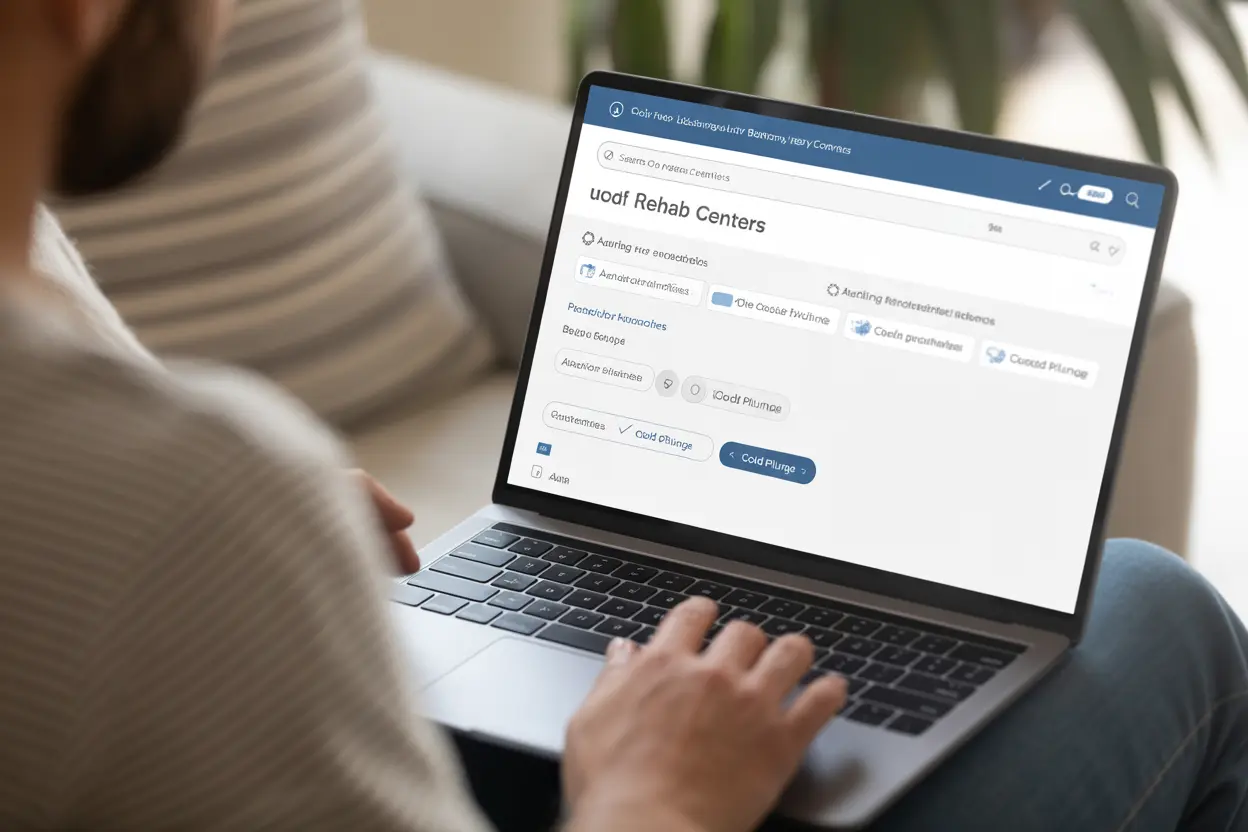
Finding a treatment facility in Indiana that offers the right blend of care and amenities can feel overwhelming, but we’re here to help. If you’re interested in programs that include cold plunge therapy, you can use our search features to filter for rehab centers that offer this specific amenity. It’s a great way to narrow down your options and find a place that aligns with your wellness goals.
However, it's important to look beyond just one amenity. The best care comes from a facility that is fully accredited, licensed by the state, and rooted in evidence-based therapies.[3] A cold plunge is a wonderful tool, but it should be part of a larger, comprehensive program that addresses the root causes of addiction. As you explore your options, consider the center's entire approach to care to ensure it’s the right fit for your recovery journey. For a trusted, nationwide resource, the SAMHSA National Helpline and Treatment Locator is an excellent place to start.
Questions to Ask When Selecting a Rehab Center
When you contact a potential rehab center, asking the right questions can help you understand how they use amenities like cold plunge therapy. Here are a few to get you started:
- Is your cold plunge therapy supervised by trained staff?
- How is this therapy integrated into my personal treatment plan?
- What medical screenings are required before I can use the facility?
- How often will I have access to this amenity during my stay?
- Do you accept my insurance, and what are the associated costs for these amenities?
Your First Step
Beginning the journey to recovery is a brave decision, and finding the right support makes all the difference. Amenities like cold plunge therapy can truly enhance your treatment experience, helping you build both physical and mental strength for the path ahead. The best outcomes happen in comprehensive programs that care for you as a whole person, combining proven clinical methods with supportive wellness practices. You deserve a rehab center that feels right for you, and we’re here to help you find it.
When you’re ready to take the next step, our team at Indiana Rehabs is here to help. You can explore treatment options, learn more on our website, or call us for a confidential conversation at (888) 568-9930. Don't hesitate to contact us to start your journey toward health and healing today.
Frequently Asked Questions About Cold Plunge Therapy in Indiana
What does a cold plunge feel like?
Is cold plunge therapy a substitute for medical detox?
How often do people use cold plunge therapy during treatment?
What is the difference between cold plunging and taking a cold shower?
Do I have to participate in cold plunge therapy if a center offers it?
Who should avoid cold plunge therapy?
- Espeland, D., de Weerd, L., & Mercer, J. B. (2022). Health effects of voluntary exposure to cold water - a narrative review. International Journal of Circumpolar Health. pmc.ncbi.nlm.nih.gov
- U.S. Department of Health & Human Services. (August, 2021). State residential treatment for behavioral health: Indiana. Office of the Assistant Secretary for Planning and Evaluation. aspe.hhs.gov
- (2020). Certification and licensure rules and Indiana code. Indiana Division of Mental Health and Addiction. in.gov