Rehabs with Dietary Accommodations

Showing 9 of 9 Results (filtered)
Featured Rehab Centers



1411 W County Line Rd, Suite 1411A, Greenwood, IN 46142

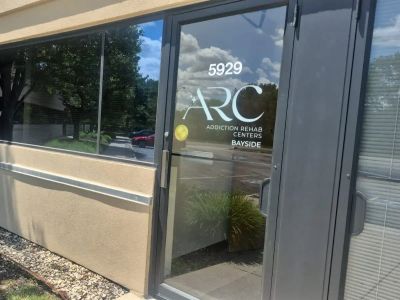

Addiction Rehab Centers - ARC At Bayside | Indianapolis Drug & Alcohol Rehab
Indianapolis, Indiana
5929 Lakeside Blvd, Indianapolis, IN 46278


Addiction Rehab Centers - ARC at Fox Hill | Drug & Alcohol Rehab - Mooresville Indiana
Mooresville, Indiana
12168 N Mann Rd, Mooresville, IN 46158
Get Personalized Rehab Matches in 60 Seconds
Tell us a few details and we’ll show a personalized shortlist of verified Indiana rehabs, making it simple to compare options and choose your next step with confidence.

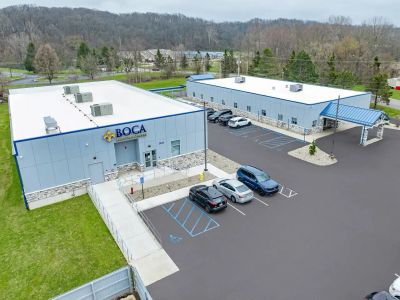

Boca Recovery Center - Indiana Drug and Alcohol Rehab
Huntington, Indiana
3040 W Park Dr, Huntington, IN 46750

Northern Lakes Nursing & Rehabilitation Center
Angola, Indiana
516 Williams St, Angola, IN 46703



Addiction Rehab Centers - ARC
Indianapolis, Indiana
7322 Noel Road, Indianapolis, IN, 46278



Recovery Centers of America at Indianapolis
Indianapolis, Indiana
8530 Township Line Rd, Indianapolis, IN 46260

Midwest Center for Youth and Families - South Shore Academy
Valparaiso, Indiana
2301 Cumberland Drive, Valparaiso, IN 46383
Pinnacle Treatment Centers - 581 E. Main Street
Hagerstown, Indiana
581 E. Main Street Hagerstown, IN 47346
Why Trust Indiana Rehabs
As Hoosiers helping Hoosiers, we understand the unique challenges our communities face. Our team meticulously verifies every Indiana treatment center, ensuring you find trusted, local care that truly understands your journey.
About our listingsLevels of Care
Explore popular treatment options by levels of care, from flexible treatment in Outpatient centers to intensive care in Residential rehabs.
Free · 24/7 · Confidential
Talk to a Treatment Specialist
Call now to get matched with Indiana facilities that accept your insurance.
(888) 568-9930
Free
Ins. check
4.9★
Rating
HIPAA
Protected
Can't travel to a facility?
Licensed Indiana therapists via secure video — same-week appointments, evenings & weekends available.
You’re ready to take that brave first step toward recovery, but there’s this persistent worry in the back of your mind, will anyone really understand and respect your dietary needs? Maybe you’re managing food allergies, following a vegan lifestyle, or keeping a close watch because of diabetes, and the thought of your meals being seen as a burden instead of a part of your health leaves you uneasy. The truth is, having your dietary needs met isn’t just a nice-to-have, it’s vital for your healing. Right here in Indiana, there are rehab programs that see and support the whole you, making sure that your path to sobriety honors your body as well as your future.
Importance of Accommodating Dietary Needs in Addiction Recovery
When you're in treatment for addiction, focusing on your health is one of the most important parts of the journey. Proper nutrition is a cornerstone of this process, supporting not just your physical recovery but your mental and emotional healing, too. Substance use can often leave the body drained of essential nutrients, and a tailored diet helps restore that balance. Having your dietary needs respected and met provides a deep sense of psychological comfort, removing a layer of stress so you can focus on your treatment. Good nutrition leads to more stable energy levels and can even help reduce cravings, allowing patients to engage more fully in therapy and other recovery activities. The benefits of a well-rounded approach to health are a key part of lasting sobriety.
Physical Health Benefits
When your body gets the right fuel, its ability to heal from the damage caused by substance use is truly remarkable. Specialized diets provide targeted support to help you feel stronger, sooner. Some of the physical health benefits include:
- Improved Organ Function: Nutritious meals support the liver, kidneys, and heart as they recover from the stress of addiction.
- Stronger Immune System: A balanced diet helps rebuild your body's natural defenses, making you less susceptible to illness during your recovery.
- Stable Blood Sugar: Consistent, healthy meals help prevent energy crashes and sugar cravings that can complicate the healing process.
- Increased Energy Levels: Replenishing your body's vitamin and mineral stores boosts your overall energy, helping you participate fully in treatment.
Proper nutrition is also essential for managing co-occurring medical conditions. For those dealing with issues like diabetes or digestive problems alongside a substance use disorder, a carefully managed diet is a critical part of a comprehensive plan for managing chronic illness and addiction.
Mental Health Benefits
The connection between what you eat and how you feel is powerful. The "gut-brain axis" is the communication network between your digestive system and your brain, and keeping it healthy can have a huge impact on your mental well-being. A balanced, nutrient-dense diet helps improve mood, reduce symptoms of anxiety and depression, and sharpen your focus. Whether it's a vegan diet or one tailored to manage a food allergy, providing your brain with the right nutrients supports clearer thinking and emotional stability. This mental clarity is invaluable, helping you process emotions and navigate the challenges of recovery without the added burden of mood swings or brain fog.
Increased Patient Satisfaction and Engagement
When you walk into a treatment facility, you want to feel seen and cared for as an individual. When a program takes the time to understand and accommodate your specific dietary needs, it sends a powerful message: you matter. This level of personalized care builds trust and makes patients feel safe, which in turn encourages them to engage more deeply in their treatment. Removing the anxiety around what you’ll be able to eat allows you to pour all your energy into therapy, group sessions, and the hard work of healing. It’s a sign that the facility is committed to high-quality, customized treatment plans that support every aspect of your well-being.
Understanding Special Dietary Needs in Rehab Centers

Navigating food options can feel complicated, but many rehab centers in Indiana are well-equipped to handle a wide range of needs. A quality program doesn't just avoid certain ingredients; it works with you to create balanced, delicious meals that fit your lifestyle. Whether your needs are based on allergies, medical conditions, or personal ethics, the goal is to provide food that nourishes your body and spirit. Understanding the different types of dietary accommodations available can help you feel more confident when you start exploring your options.
Gluten-Free Diets: Needs and Challenges
A gluten-free diet means avoiding all foods that contain gluten, a protein found in wheat, barley, and rye. For individuals with celiac disease, this is a strict medical necessity to prevent serious digestive damage. Others may have a gluten sensitivity that causes discomfort and inflammation. A key challenge is preventing cross-contamination, where gluten-free meals come into contact with gluten-containing ingredients. A professional kitchen will have protocols in place to prepare these meals safely, ensuring your health is protected.
Dairy-Free and Lactose Intolerance Accommodations
Lactose intolerance, which is difficulty digesting the sugar in milk, is different from a dairy allergy, which is an immune reaction to milk proteins. Both require avoiding dairy products like milk, cheese, and yogurt. The good news is that there are more delicious dairy-free food options available than ever before. Rehab centers can easily provide substitutes like almond milk, coconut-based yogurt, and dairy-free cheeses to ensure your meals are both safe and satisfying.
Vegetarian and Vegan Dietary Requirements
Following a plant-based diet is a choice many people make for health, environmental, or ethical reasons. Here’s a quick look at what these diets involve and what you can expect:
- Vegetarian Diets: These diets exclude meat, poultry, and fish but may include other animal products like eggs and dairy.
- Vegan Diets: This approach avoids all animal products entirely, including meat, dairy, eggs, and even honey.
- Common Vegan Meals: You can expect delicious, protein-packed options like lentil soup, black bean burgers, tofu scrambles, and pasta with rich vegetable sauces.
A reputable program will ensure that vegan and vegetarian diets are well-planned to provide all necessary nutrients, including protein, iron, and vitamin B12.
Specific Medical Diets
Beyond allergies and lifestyle choices, many people require special diets to manage specific medical conditions. These must be carefully planned and are often overseen by a registered dietitian or medical staff. Common medical diets include:
- Diabetic Diets: Focused on managing carbohydrate and sugar intake to keep blood sugar levels stable.
- Renal Diets: For those with kidney issues, these diets typically limit sodium, phosphorus, and potassium.
- Cardiac Diets: Heart-healthy diets are low in saturated fats and sodium to support cardiovascular health.
- Religious Diets: Facilities can often accommodate religious dietary laws, such as preparing Kosher or Halal meals.
Finding the Right Rehab Center for Special Dietary Needs

Finding a rehab center that can confidently meet your dietary needs is a crucial step in your recovery journey. It's about ensuring your physical health is supported so you can focus on your emotional and psychological healing. Don't be afraid to be your own best advocate during this process. Asking direct questions and knowing what to look for will empower you to choose a facility where you feel completely supported.
Key Factors to Consider When Choosing a Rehab Center
As you research different rehab centers, keep these key factors in mind to ensure your dietary needs will be met:
- On-Site Chef or Kitchen Staff: A dedicated kitchen staff is more likely to have the training and resources to handle special requests safely.
- Access to a Registered Dietitian or Nutritionist: This shows a facility is serious about integrating nutrition into its treatment plans.
- Experience with Your Specific Condition: Ask if they have experience accommodating your particular allergy, sensitivity, or medical diet.
- Process for Dietary Requests and Feedback: A good program will have a clear system for communicating your needs and addressing any concerns that arise.
Questions to Ask Prospective Rehab Programs
When you speak with an admissions coordinator, having a list of specific questions can help you get the information you need. Consider asking the following:
- Do you have a registered dietitian on staff who I can meet with?
- Could you provide a sample menu that fits my dietary needs?
- What are your kitchen's procedures for preventing cross-contamination for serious allergies?
- How are special meal requests communicated to the kitchen staff?
- Are there snacks available throughout the day that meet my dietary restrictions?
The admissions team should be happy to answer these questions and provide reassurance that your needs will be a priority.
Initial Assessment and Dietary Planning
A thorough intake process is a sign of a high-quality program. During your initial assessment, you should have the opportunity to provide a detailed history of your dietary needs, including any allergies, intolerances, medical requirements, and strong preferences. This isn't just a formality; it's a collaborative planning session between you, the clinical team, and the kitchen staff. This ensures that from day one, your dietary plan is integrated into your overall care, setting you up for a comfortable and successful stay.
How Dietary Needs Are Integrated Into Overall Treatment Plans
In the best rehab programs, nutrition is seen as a vital component of holistic treatment, not an afterthought. Your dietary plan will work in harmony with your therapy sessions and other activities. This might include regular meetings with a dietitian or nutritional counseling to help you understand the connection between food and mood. The ultimate goal is to empower you with sustainable, healthy habits that you can carry with you long after you leave the facility, supporting your long-term recovery and overall well-being.
Find Support for a Healthy Recovery in Indiana
True, lasting recovery is about healing the whole person, and that absolutely includes your nutritional health. Finding rehabs with dietary accommodations in Indiana is not just possible, it’s an important step toward building a strong foundation for your future. You deserve to feel safe, respected, and nourished as you do this brave work. When you're ready to take the next step, our team is here to help you find the right support. You can explore your options, ask questions, or verify your insurance by calling us at (888) 568-9930. Let the caring team at Indiana Rehabs help you. If you prefer to reach out online, please feel free to use our contact form to get in touch with us.
Frequently Asked Questions About Dietary Accommodations in Indiana Rehabs
What happens if I have a severe food allergy?
If you have a severe food allergy, it’s critical to discuss it with the admissions team right away. A quality rehab facility will have strict protocols to prevent cross-contamination in the kitchen.
During your initial assessment, you'll provide a detailed history of your allergy. This information is shared with the on-site chef and clinical staff to ensure every meal prepared for you is safe. Don't hesitate to ask specific questions about their kitchen procedures to feel confident in their ability to protect your health.
Are there rehabs in Indiana that offer gourmet or chef-prepared meals?
Yes, many rehab centers in Indiana have on-site chefs who prepare nutritious, high-quality meals. These facilities view food as an essential part of your recovery and well-being.
While "gourmet" can mean different things, a focus on fresh ingredients and appealing, well-balanced menus is a great sign. It shows a program is invested in your comfort and overall health. When exploring options, you can always ask to see a sample menu.
Will my dietary needs be part of my official treatment plan?
Yes, a comprehensive rehab program will always integrate your dietary needs into your overall treatment plan. Nutrition is considered a vital part of your recovery, not an afterthought.
Your intake assessment should include a detailed dietary review. This information helps the team, which may include a registered dietitian, create a plan that supports your physical and mental health goals. This holistic approach helps you build sustainable habits for long-term sobriety.
Can a rehab facility accommodate a diet for diabetes?
Yes, most licensed rehab facilities are equipped to accommodate medical diets, including for diabetes. Managing blood sugar is crucial for your stability and energy during recovery.
The kitchen staff, often working with a registered dietitian or medical team, will prepare meals that control carbohydrate and sugar intake. Be sure to provide all relevant medical information during your assessment so they can create a safe and effective plan for your health.
How can I make sure a rehab center will meet my dietary needs?
The best way to ensure your needs are met is to be a strong self-advocate. During the admissions process, don’t be shy about asking direct questions.
Ask if they have a registered dietitian, what their process is for handling allergies, and if you can see a sample menu. A reputable program will be happy to answer these questions and explain how they create customized treatment plans. Their transparency is a great indicator of high-quality care.