
Rehabs with Dog Park

Showing 7 of 7 Results (filtered)
Featured Rehab Centers


1411 W County Line Rd, Suite 1411A, Greenwood, IN 46142



Addiction Rehab Centers - ARC At Bayside | Indianapolis Drug & Alcohol Rehab
Indianapolis, Indiana
5929 Lakeside Blvd, Indianapolis, IN 46278



Boca Recovery Center - Indiana Drug and Alcohol Rehab
Huntington, Indiana
3040 W Park Dr, Huntington, IN 46750
Get Personalized Rehab Matches in 60 Seconds
Tell us a few details and we’ll show a personalized shortlist of verified Indiana rehabs, making it simple to compare options and choose your next step with confidence.



Forum at the Crossing
Indianapolis, Indiana
8505 Woodfield Crossing B Ofc, Indianapolis, IN 46240



Addiction Rehab Centers - ARC
Indianapolis, Indiana
7322 Noel Road, Indianapolis, IN, 46278
Pinnacle Treatment Centers - 2209 John R Wooden Drive
Martinsville, Indiana
2209 John R Wooden Drive, 3rd Floor Martinsville, IN 46151
Pinnacle Treatment Centers - 581 E. Main Street
Hagerstown, Indiana
581 E. Main Street Hagerstown, IN 47346
Why Trust Indiana Rehabs
As Hoosiers helping Hoosiers, we understand the unique challenges our communities face. Our team meticulously verifies every Indiana treatment center, ensuring you find trusted, local care that truly understands your journey.
About our listingsLevels of Care
Explore popular treatment options by levels of care, from flexible treatment in Outpatient centers to intensive care in Residential rehabs.
Free · 24/7 · Confidential
Talk to a Treatment Specialist
Call now to get matched with Indiana facilities that accept your insurance.
(888) 568-9930
Free
Ins. check
4.9★
Rating
HIPAA
Protected
Can't travel to a facility?
Licensed Indiana therapists via secure video — same-week appointments, evenings & weekends available.
The idea of getting help for yourself should feel hopeful, but sometimes one worry just won’t let go: Who will take care of your dog if you step away? For many, a beloved pet isn’t an obstacle to recovery, but a trusted companion and a source of steady comfort when life feels uncertain. You don’t have to choose between getting well and keeping your four-legged friend by your side. In Indiana, some treatment centers understand just how much your bond means, and they welcome you both into the healing process.

What Is a Pet-Friendly Rehab Center?
A pet-friendly rehab center is a facility that allows you to bring your animal companion with you during your stay in a residential treatment program. It’s a simple idea, but the policies can look very different from one center to another. For some, being "pet-friendly" means they welcome small dogs or cats who can stay comfortably in your room. Others have more extensive amenities designed to support you and your pet.
When a facility mentions having a dog park, it doesn’t always mean a public-style park with elaborate equipment. Often, it’s a secure, fenced-in yard where your dog can run, play, and stretch their legs off-leash in a safe environment[1]. This space is a huge benefit, giving both you and your pet a chance to get fresh air and exercise. It's also important to clarify whether a facility allows you to bring your own pet or if they only have on-site emotional support animals for therapy sessions. Finding a rehab that offers the right pet-friendly amenities for your specific needs is a key first step.
Benefits Of Attending A Pet-Friendly Addiction Treatment Program
Having your pet by your side during addiction treatment isn't just comforting; it can be a powerful tool for your recovery. The unconditional love of an animal provides a unique, non-judgmental form of support that can make a real difference when you're facing tough emotional challenges. Here are some of the key benefits:
- Reduces Stress and Anxiety: The simple act of petting a dog or cat can lower blood pressure and reduce feelings of stress and anxiety, creating a calmer state of mind for therapy and self-reflection.
- Combats Loneliness: Recovery can sometimes feel isolating. A pet offers constant companionship, reminding you that you’re not alone and giving you a reason to stay engaged.
- Provides Unconditional Support: Pets don’t judge your past. Their steady presence can be a source of pure, uncomplicated love when you need it most.
- Encourages Social Connection: Taking your dog to an on-site dog park or for a walk can be a natural icebreaker, making it easier to connect with peers and build a supportive community[2].
Pets Produce Feel-Good Chemicals
There’s real science behind why we feel so good around our pets. Interacting with an animal you love triggers the release of oxytocin, a powerful hormone associated with bonding and positive emotions. At the same time, it can increase levels of serotonin and dopamine, which are neurotransmitters that help regulate mood and create feelings of pleasure and well-being. This natural chemical boost can help ease anxiety, lift your spirits, and even reduce cravings, making it a valuable part of the recovery process. This is one of the core principles behind animal-assisted therapy programs.
Pets Promote Accountability
Recovery is about rebuilding your life, and that starts with creating healthy, consistent routines. Your pet is the perfect partner for this. They depend on you for everything: feeding, walking, grooming, and playtime. This daily responsibility provides structure and a sense of purpose that pulls your focus outward. Instead of dwelling on difficult thoughts, you have a living being who needs you to show up every day. This accountability strengthens the discipline and selflessness that are essential for long-term sobriety.
Requirements For Bringing Pets To A Drug Rehab Program
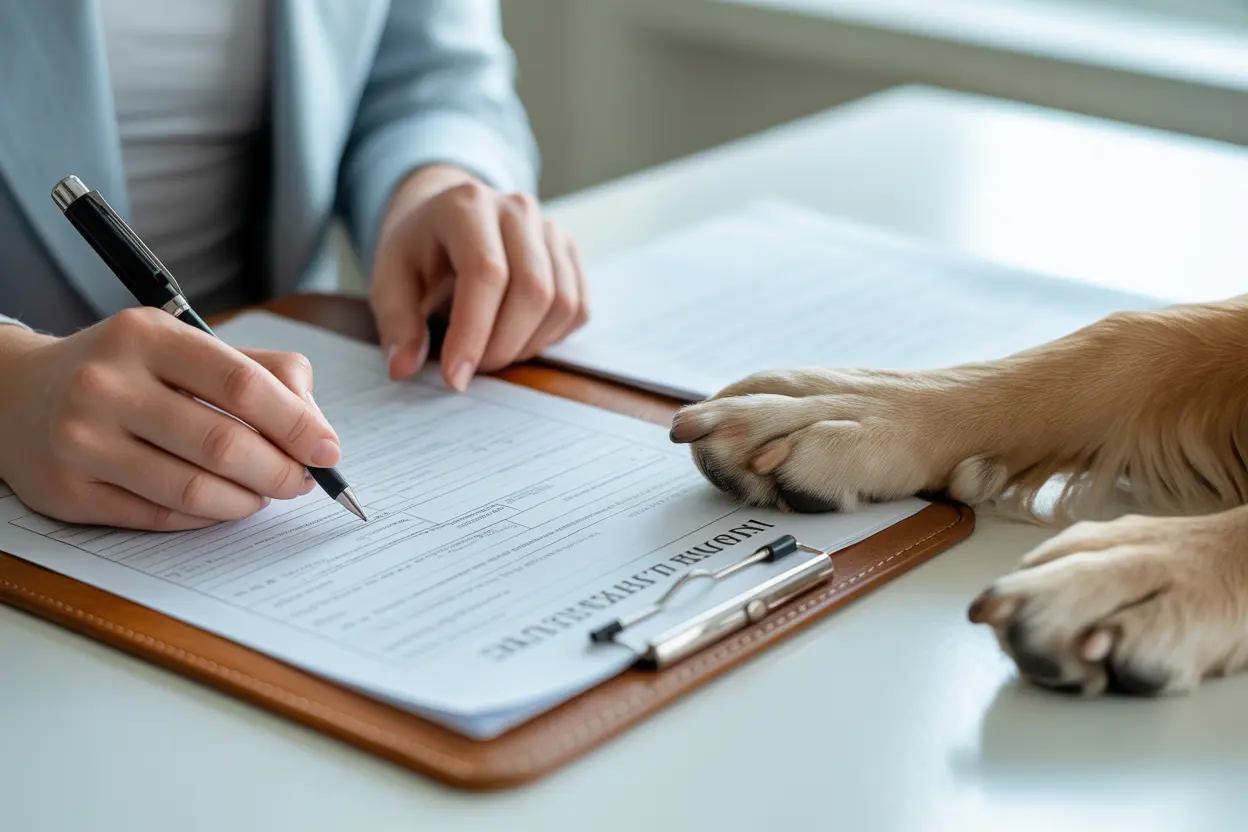
While some rehabs welcome pets with open arms, they also have rules in place to ensure the safety and comfort of all clients. Before you pack your pet’s favorite toys, you’ll need to make sure you can meet the facility’s requirements. Every center has its own policy, but here are some common guidelines you can expect:
- Up-to-Date Vaccinations: You will almost always need to provide veterinary records showing that your pet is current on all required shots, including rabies. Some facilities may also require specific tags to be worn at all times[3].
- Good Health Certificate: A recent certificate of health from a vet is often necessary to confirm your pet is free of contagious illnesses and parasites.
- Behavioral Assessment: The facility needs to know that your pet is well-behaved and won’t be disruptive. Some may require a "pet interview" to assess their temperament around other people and animals.
- Breed and Size Restrictions: Unfortunately, some centers have policies that restrict certain breeds or have weight limits for dogs[4]. It's crucial to ask about this upfront.
- Full Responsibility for Care: You are responsible for every aspect of your pet's care, including feeding, walking, grooming, and cleaning up after them. You’ll also need to bring all their supplies, like food, bedding, and medication.
The admissions process is the perfect time to ask for a complete list of pet-related rules and required documentation.

List of Pet-Friendly Rehabs in Indiana
Finding a comprehensive, up-to-date list of rehabs with dog parks in Indiana can be challenging because facility policies change. A center that welcomed pets last year might not do so today, or they may have a waiting list. That’s why the most effective approach is to take a few direct steps to find the right treatment center for you and your companion.
Start by exploring a directory of Indiana treatment centers. Once you identify a few potential facilities, the next step is to call them directly or speak with an admissions coordinator. When you call, be ready with specific questions:
- "Do you have a pet-friendly policy for your residential treatment program?"
- "What types of pets do you allow?" (Be specific about breed, size, and species).
- "Do you have a fenced-in area or dog park for off-leash exercise?"
- "What are the specific requirements and any additional costs associated with bringing my pet?"
Being proactive is the best way to confirm a facility’s current offerings. You can also use national resources like the SAMHSA National Treatment Facility Locator to find centers near you and then reach out to inquire about their pet policies. This hands-on approach ensures you get the most accurate information and find a program that truly fits your recovery needs.

Do Pet-Friendly Drug and Alcohol Rehab Centers Accept Insurance?
Yes, absolutely. Pet-friendly drug and alcohol rehab centers accept insurance to cover the cost of your clinical care. Your health insurance policy, whether it’s a private PPO plan, Medicaid, or Medicare, is for your medical treatment, not your pet. This means insurance helps pay for your therapy, medical supervision, and other core components of your addiction recovery program[5].
However, it’s important to understand that any costs related to your pet are typically your responsibility. These are considered out-of-pocket expenses and may include a one-time pet deposit, a daily boarding fee, or cleaning fees. While insurance can cover up to 100% of the cost of your substance abuse treatment, it won't cover these pet-related charges. Before you commit to a facility, it’s always a good idea to verify your insurance and ask the admissions team for a clear breakdown of any fees associated with bringing your animal companion.

What Do I Do With My Pet If I Can't Bring It To Treatment?
For many Hoosiers, pets are family[6]. If you find that bringing your pet to treatment isn’t the right option, you still have wonderful alternatives to ensure they receive loving care while you focus on your health. Taking the time to arrange for their safety is a responsible and loving act. Here are a few options to consider:
- Trusted Family or Friends: This is often the best-case scenario. Leaving your pet with someone they already know and who loves them can minimize stress for everyone.
- Professional Pet Sitters: A professional sitter can care for your pet in your own home, which can be less disruptive for your animal than a boarding facility.
- Long-Term Boarding Kennels: Look for reputable boarding facilities that offer long-term stays. Be sure to visit first and check references to make sure it’s a clean, safe, and happy environment.
- Rescue Organization Foster Programs: Some local animal shelters or rescue groups have programs that provide temporary foster homes for pets of owners facing a crisis.
Find a Path Forward for You and Your Pet
Your relationship with your pet is a powerful source of strength, and you don’t have to sacrifice that bond to get the help you deserve. Whether you find a pet-friendly rehab in Indiana or arrange for trusted care while you’re away, the most important step is the one you take toward recovery. There are options that honor both your well-being and the love you have for your animal companion. You don’t have to figure this out alone.
Our team is here to help you navigate your choices with compassion and confidentiality. When you’re ready, give us a call at (888) 568-9930 to speak with a caring admissions specialist. At Indiana Rehabs, we believe in a future where you and your pet are both healthy and whole. If you prefer to reach out online, you can always contact us through our website to start your journey.
Frequently Asked Questions About Pet-Friendly Rehab in Indiana
Are there extra costs for bringing a pet to rehab?
What happens if my pet gets sick at rehab?
Why do some rehabs not allow pets?
Can I bring my pet to an outpatient program?
Are emotional support animals allowed in rehab?
- Carmel Clay Parks & Recreation. (03-20-2025). Central Dog Park. Carmel Clay Parks & Recreation. carmelclayparks.com
- National Recreation and Park Association. (11-05-2018). Americans Agree Dog Parks Benefit Local Communities. National Recreation and Park Association. nrpa.org
- Town of St. John. (n.d.). Dog Park. Town of St. John. stjohnin.gov
- (n.d.). Dog Park Rules and Regulations. Schererville.org. schererville.org
- Indiana.gov. (06-16-2021). Substance Use Disorder (SUD)/Serious Mental Illness (SMI) Treatment. Indiana.gov. in.gov
- World Population Review. (06-05-2025). Pet Ownership Statistics by State 2025. World Population Review. worldpopulationreview.com