Rehabs with Float Tank (Sensory Deprivation)

Showing 4 of 4 Results (filtered)
Featured Rehab Centers

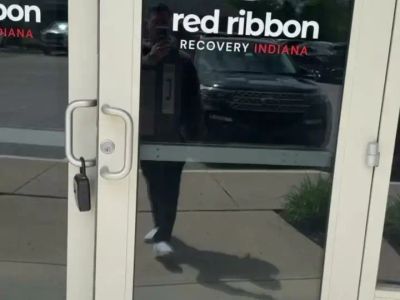
1411 W County Line Rd, Suite 1411A, Greenwood, IN 46142

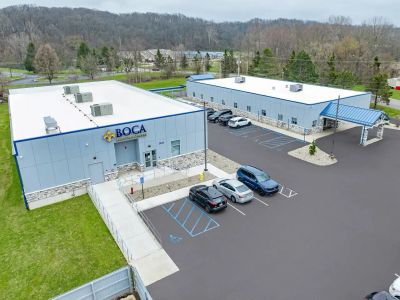

Boca Recovery Center - Indiana Drug and Alcohol Rehab
Huntington, Indiana
3040 W Park Dr, Huntington, IN 46750



Addiction Rehab Centers - ARC
Indianapolis, Indiana
7322 Noel Road, Indianapolis, IN, 46278
Get Personalized Rehab Matches in 60 Seconds
Tell us a few details and we’ll show a personalized shortlist of verified Indiana rehabs, making it simple to compare options and choose your next step with confidence.
Pinnacle Treatment Centers - 581 E. Main Street
Hagerstown, Indiana
581 E. Main Street Hagerstown, IN 47346
Why Trust Indiana Rehabs
As Hoosiers helping Hoosiers, we understand the unique challenges our communities face. Our team meticulously verifies every Indiana treatment center, ensuring you find trusted, local care that truly understands your journey.
About our listingsLevels of Care
Explore popular treatment options by levels of care, from flexible treatment in Outpatient centers to intensive care in Residential rehabs.
Free · 24/7 · Confidential
Talk to a Treatment Specialist
Call now to get matched with Indiana facilities that accept your insurance.
(888) 568-9930
Free
Ins. check
4.9★
Rating
HIPAA
Protected
Can't travel to a facility?
Licensed Indiana therapists via secure video — same-week appointments, evenings & weekends available.
Early recovery can feel like your mind is buzzing with static, every thought louder than the last, and moments of real quiet seem impossible to find. What if you could quiet the noise and step into a place where your worries fade and true stillness returns, even just for a little while? Float tanks offer that rare chance, a gentle, sensory retreat where you can breathe easy and reconnect with yourself. While they’re not a standalone solution, some Indiana rehab centers now offer float therapy as a calming, supportive tool to help ease stress and cravings along the way.

Understanding Sensory Deprivation
Sensory deprivation therapy, also known as Floatation-REST (Restricted Environmental Stimulation Therapy), offers a unique space for healing. Imagine stepping into a lightproof, soundproof pod filled with skin-temperature water that has a high concentration of Epsom salt. This setup allows you to float effortlessly, blurring the lines between your body and the water. The goal is to minimize all external sensory input, giving your mind a chance to quiet down and enter a state of deep relaxation. For someone in early recovery, this peaceful environment can be a powerful tool for managing the intense stress and anxiety that often come with healing[1]. Float tanks provide a safe, quiet space to simply be present with yourself, away from triggers and distractions[2].
What are the benefits of Hypnotherapy?
When used as part of a comprehensive treatment plan, float tank therapy can offer several meaningful benefits for your recovery journey:
- Stress and Anxiety Reduction: The sensory deprivation environment calms the nervous system, which can significantly lower stress levels and ease feelings of anxiety.
- Improved Sleep: Many people find that regular float sessions help regulate sleep patterns, which are often disrupted during early recovery.
- Pain Management: The weightlessness of floating can relieve physical tension and chronic pain, helping your body heal alongside your mind.
- Enhanced Mindfulness: Without distractions, you can better connect with your thoughts and emotions, building self-awareness and practicing mindfulness in a supportive space.
- A Safe Space for Processing: Float tanks offer a private, peaceful environment to work through difficult emotions or cravings with a clear mind.

Levels of Care
Float tanks are a specialized amenity, so they aren't available at every rehabilitation center in Indiana[3]. You're most likely to find sensory deprivation therapy offered in residential or inpatient programs. These levels of care provide the time and structure for you to explore supplemental wellness activities that support your primary treatment. The availability of such specialized amenities can also vary between urban and rural areas[4]. Some outpatient programs may partner with local float centers, allowing you to incorporate this therapy into your recovery plan. If a facility doesn't offer float tanks, they often provide other complementary therapies to help you heal. Many Indiana rehabs include holistic approaches like yoga, acupuncture, and meditation to support your well-being.
Finding the Right Support in Indiana
Float tanks can be a wonderful tool for supporting your recovery, offering a path to deep relaxation and mindfulness when you need it most. However, the most important part of your journey is choosing a licensed treatment facility with a strong foundation in evidence-based care[3]. A skilled therapist and a structured program are the cornerstones of lasting healing. When you're exploring different rehabilitation centers, be sure to ask the admissions team directly about the specific amenities they offer, including float tanks. This ensures you find a program that not only meets your clinical needs but also supports your overall well-being. The National Treatment Facility Locator is a helpful resource for finding licensed providers near you.
Finding the right path to recovery is a brave first step. Remember, you don't have to do this alone. The right support system can make all the difference in creating a healthy, fulfilling life. If you're ready to learn more about treatment options in Indiana, our compassionate team at Indiana Rehabs is here to help. You can call us anytime at (888) 568-9930 or visit our contact page to get started. We're here to listen and guide you toward the care you deserve.
Frequently Asked Questions About Float Tank Therapy in Indiana
Is float tank therapy a standalone treatment for addiction?
What does it feel like to be in a float tank?
Are there any risks with float tank therapy?
What should I do to prepare for my first float session?
Can I use a float tank if I’m claustrophobic?
- Cigpana, T. T. C., et al. (12-06-2021). Floatation therapy for mental health conditions. NCBI Bookshelf. ncbi.nlm.nih.gov
- Feinstein, J. S., et al. (06-08-2023). A randomized controlled safety and feasibility trial of floatation-REST in anxious and depressed individuals. PLoS One. pmc.ncbi.nlm.nih.gov
- Indiana Behavioral Health Commission. (2022). Indiana Behavioral Health Commission Report. Indiana Family and Social Services Administration. in.gov
- Whiteman, A., et al. (03-08-2024). Rural–urban differences in out‐of‐network treatment initiation and retention for substance use disorders. Journal of Rural Health. pmc.ncbi.nlm.nih.gov