Rehabs with Golf/Putting Green

Showing 5 of 5 Results (filtered)
Featured Rehab Centers
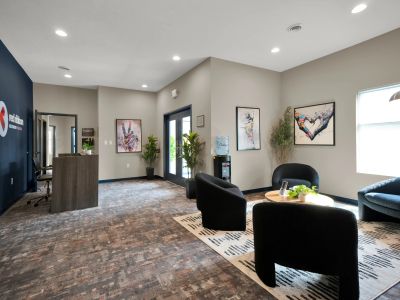
1411 W County Line Rd, Suite 1411A, Greenwood, IN 46142
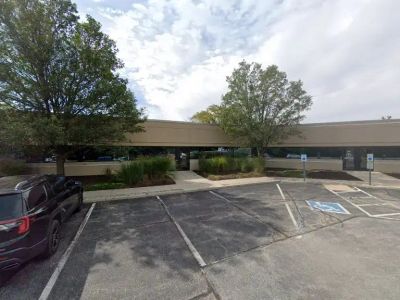
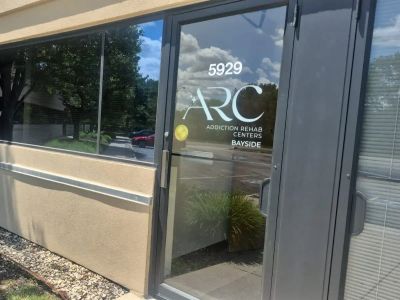
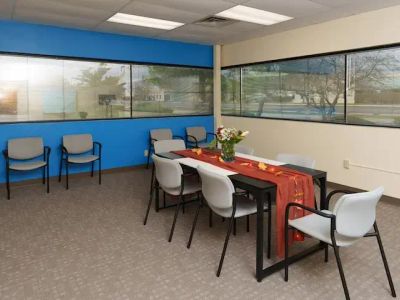
Addiction Rehab Centers - ARC At Bayside | Indianapolis Drug & Alcohol Rehab
Indianapolis, Indiana
5929 Lakeside Blvd, Indianapolis, IN 46278


Addiction Rehab Centers - ARC
Indianapolis, Indiana
7322 Noel Road, Indianapolis, IN, 46278
Get Personalized Rehab Matches in 60 Seconds
Tell us a few details and we’ll show a personalized shortlist of verified Indiana rehabs, making it simple to compare options and choose your next step with confidence.
Pinnacle Treatment Centers - 2209 John R Wooden Drive
Martinsville, Indiana
2209 John R Wooden Drive, 3rd Floor Martinsville, IN 46151
Pinnacle Treatment Centers - 581 E. Main Street
Hagerstown, Indiana
581 E. Main Street Hagerstown, IN 47346
Why Trust Indiana Rehabs
As Hoosiers helping Hoosiers, we understand the unique challenges our communities face. Our team meticulously verifies every Indiana treatment center, ensuring you find trusted, local care that truly understands your journey.
About our listingsLevels of Care
Explore popular treatment options by levels of care, from flexible treatment in Outpatient centers to intensive care in Residential rehabs.
Free · 24/7 · Confidential
Talk to a Treatment Specialist
Call now to get matched with Indiana facilities that accept your insurance.
(888) 568-9930
Free
Ins. check
4.9★
Rating
HIPAA
Protected
Can't travel to a facility?
Licensed Indiana therapists via secure video — same-week appointments, evenings & weekends available.
Early recovery can feel noisy and unsettled inside, but imagine stepping out onto a golf green, a place where the only sounds are the soft brush of grass and the gentle click as your ball finds its way home. Your hands tighten gently around the putter, eyes steady, breath slow as you line up your shot. In that quiet focus, there’s something more than distraction, it’s a way to practice patience, precision, and presence. For many, weaving mindful activities like golf into treatment isn’t just a break from the storm, but an unexpected path toward feeling stronger in body, clearer in mind, and more hopeful about life ahead.

Benefits of Golf Classes for Mental Health and Addiction Recovery
While golf isn’t a substitute for evidence-based clinical care like therapy and counseling, it offers powerful benefits as a complementary part of a comprehensive treatment plan[1]. Think of it as a form of recreational therapy, a chance to heal your mind and body outside of a traditional session. The slow, deliberate nature of the game requires a level of focus that can be incredibly grounding. When you’re lining up a putt, the noise of the outside world, and the internal turmoil of early recovery, tends to fade away. This is mindfulness in action.
This practice of staying present helps you develop emotional regulation skills that are essential for long-term well-being. Instead of reacting to stress with old habits, you learn to pause, breathe, and act with intention. The physical benefits of golf are just as important. A gentle walk across the green is a form of low-impact exercise that helps reduce stress hormones and release endorphins, your body's natural mood elevators. This can lead to better sleep, a clearer mind, and a stronger sense of physical health[2].
Beyond the personal benefits, golf in a rehab setting provides a unique social opportunity. It’s a space to practice interacting with others in a healthy, sober environment. You learn patience, etiquette, and how to encourage others, all while building a sense of camaraderie. The goal isn’t to become the next golf pro. It's about using the game as a tool for personal growth, discovering a new, healthy hobby, and building a foundation for a fulfilling life in addiction recovery. Many find that these kinds of adventure-based programs offer a fresh perspective on what recovery can look like.
Indiana Facilities with Golf Putting Green Rehabs
Finding the right facility is about more than just one amenity, but having access to activities that support your well-being can make a significant difference in your recovery journey. The list below includes some of the Indiana rehabs that offer a golf putting green or other golf-related activities. Use this as a starting point to compare your options. Remember to look closely at their clinical programs, staff qualifications, and what insurance they accept. These are the core elements of effective addiction treatment centers.
| Facility Name | City | Levels of Care Offered |
|---|---|---|
| Allendale Treatment | Waterloo | Levels of care: Detox, Inpatient, Residential |
| Northlake Recovery | Crown Point | Levels of care: Detox, Inpatient, Residential, PHP, IOP |
| Resurgence Behavioral Health | Kokomo | Levels of care: Detox, Inpatient, Residential, PHP, IOP, Outpatient |
| Stillwater Recovery | Terre Haute | Levels of care: Inpatient, Residential |
You can find a complete directory of rehab facilities in Indiana to compare programs and find the best fit for your needs. For a nationwide search, the federal government's FindTreatment.gov is another trusted resource.
What to Look for in a Golf Instructor
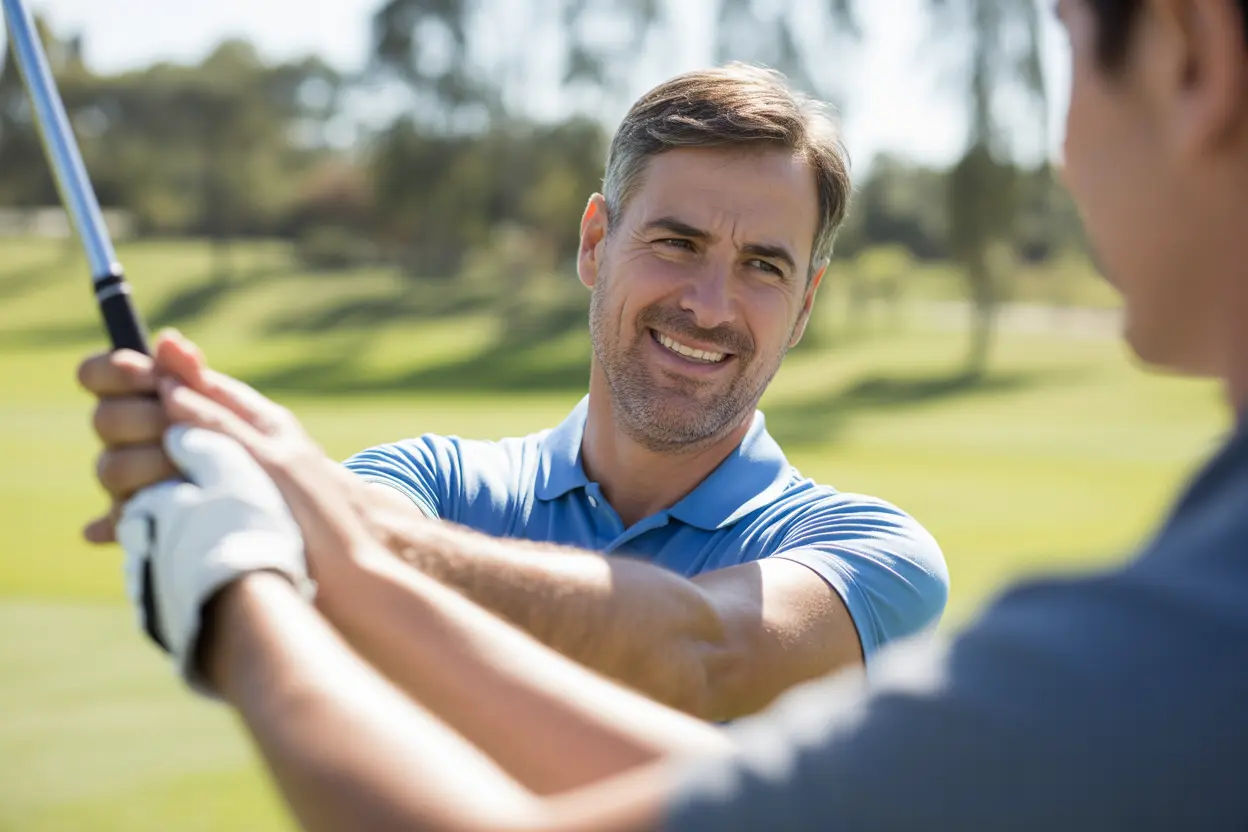
When you’re participating in a golf program at a rehabilitation facility, the instructor’s professional handicap is the least important thing about them. What truly matters is their ability to create a healing and supportive atmosphere. The best instructors in a treatment setting are those who lead with compassion and empathy.
Look for someone who is patient and understanding, especially with individuals who are new to the sport and navigating the emotional challenges of recovery. Their experience should include working with people who have mental health concerns or are in the early stages of sobriety. A great instructor fosters a non-competitive environment where the focus is on participation, not performance. They should celebrate small victories, like a well-focused swing or a moment of quiet enjoyment, rather than just the final score.
The instructor's role is to gently guide you through the basics of the game, making it an enjoyable and therapeutic experience. They should be skilled at teaching in a way that builds confidence and encourages mindfulness. This client-centered approach is a hallmark of quality care in any treatment program, ensuring that your personal journey is always the top priority[3]. The supportive dynamic they create is similar to what you might find in effective group therapy sessions, where safety and encouragement are key.
Prerequisites for Joining a Golf Class at Rehab
If you're considering a rehab with a golf program but have never picked up a club, don't worry. These programs are almost always designed for complete beginners. You don’t need any prior experience to join in, just a willingness to try something new. The focus is on the therapeutic process, not on your skill level.
Before you start any physical activity, the facility will typically require a basic medical assessment. This is a standard procedure to ensure that participating in a low-impact sport like golf is safe for you. It’s part of the comprehensive care that licensed Indiana rehabs provide to protect your health and well-being during treatment[4]. This initial assessment process helps tailor the program to your specific needs.
Accessibility is another important factor. Quality programs should be able to accommodate clients with a range of physical abilities or mobility challenges. A facility that adheres to ADA compliance standards is often a good sign of a well-run and inclusive program. Finally, there's no need to invest in expensive equipment. The rehab center will almost always provide everything you need, from clubs to golf balls, so you can simply show up and focus on your recovery.
Safety Protocols for Golf Classes
A reputable facility will always prioritize your safety, both physically and emotionally, during any recreational activity. When it comes to golf, clear protocols should be in place to create a secure and supportive environment. Indiana regulations require licensed facilities to have and follow written safety procedures for all amenities and activities[3]. Here’s what you should expect:
- Constant Supervision: A staff member, whether a recreational therapist or a trained instructor, should be present at all times to guide the session and ensure everyone follows the rules.
- Proper Equipment Instruction: Before you even swing a club, you should receive clear instructions on how to handle the equipment safely to prevent accidents.
- Safe Distancing: The instructor will ensure all players maintain a safe distance from one another, especially when someone is swinging a club.
- Physical Readiness: Sessions should begin with simple warm-ups and stretching exercises to prepare your body for activity and prevent muscle strain or injury.
- Emotional Safety: Just as important as physical safety is creating an atmosphere free of judgment, pressure, or competition. The goal is to support the therapeutic needs of all clients, making the experience a positive one for everyone involved.
Take the First Step on Your Recovery Path
Exploring amenities like a golf putting green is a great way to envision what your recovery could look like. It’s a reminder that treatment is not just about confronting challenges but also about discovering new, healthy ways to enjoy life. While activities like golf are valuable tools, they are most effective when integrated into a comprehensive treatment program grounded in proven clinical care.
Now is the time to move from researching to taking action. As you consider different rehab centers, look at the whole picture: the therapies offered, the experience of the staff, and the overall environment. Let us help you find a place where you feel safe, supported, and hopeful about the future. You can start by exploring detailed facility profiles or by calling our helpline for confidential, no-obligation assistance.
Finding the right path to recovery is a deeply personal journey, and you don’t have to walk it alone. Integrating mindful activities like golf can be a wonderful part of your healing, but it all starts with choosing a program that fits your unique needs. If you’re ready to talk, our team is here to listen without judgment and help you understand your options. Take the first step by calling us at (888) 568-9930. You can also find more information at Indiana Rehabs or contact us through our website. A brighter future is possible, and it begins today.
Frequently Asked Questions About Golf Therapy for Addiction Treatment in Indiana
How does golf help with addiction recovery?
Is golf therapy a substitute for traditional addiction treatment?
Do I need any experience to join a golf program at rehab?
Are there golf rehabs in Indiana that accommodate physical disabilities?
Besides golf, what other recreational therapies are common?
- (03-01-2023). Evidence-based treatment for substance use disorders. National Center for Biotechnology Information. pmc.ncbi.nlm.nih.gov
- State of Indiana. (July, 2024). State of Indiana Recovery Plan. in.gov
- U.S. Department of Health & Human Services. (August, 2021). State residential treatment for behavioral health conditions: Indiana. aspe.hhs.gov
- Indiana Family and Social Services Administration. (07-14-2020). Certification and licensure rules and Indiana code. FSSA: Division of Mental Health and Addiction. in.gov