
Table Tennis (Ping-Pong) Amenities in Indiana



Showing 8 of 8 Results (filtered)
Featured Rehab Centers
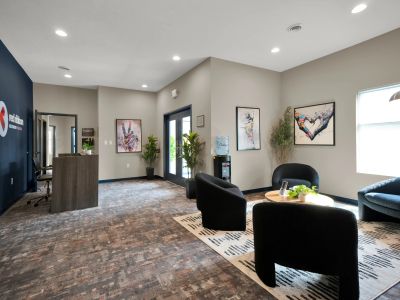
1411 W County Line Rd, Suite 1411A, Greenwood, IN 46142
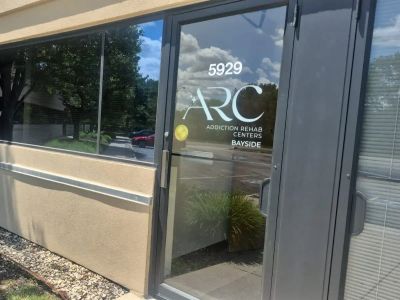
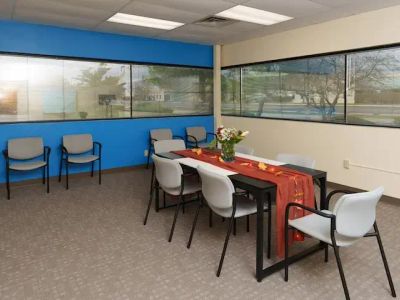
Addiction Rehab Centers - ARC At Bayside | Indianapolis Drug & Alcohol Rehab
Indianapolis, Indiana
5929 Lakeside Blvd, Indianapolis, IN 46278
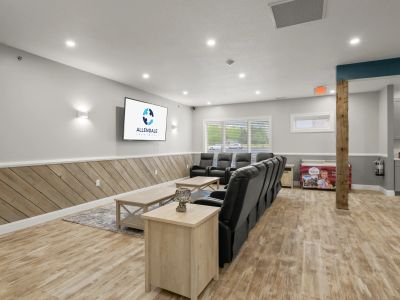
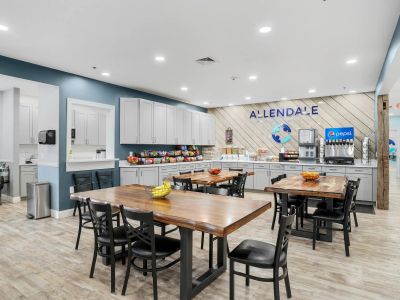
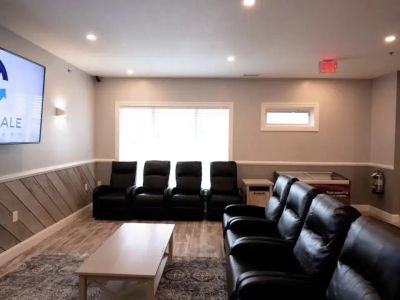
Allendale Treatment
Auburn, Indiana
5419 Co Rd 427, Auburn, IN 46706
Get Personalized Rehab Matches in 60 Seconds
Tell us a few details and we’ll show a personalized shortlist of verified Indiana rehabs, making it simple to compare options and choose your next step with confidence.
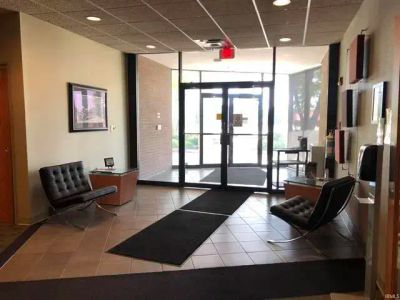
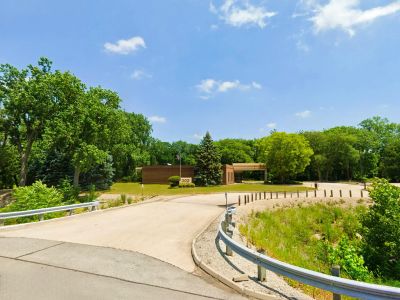
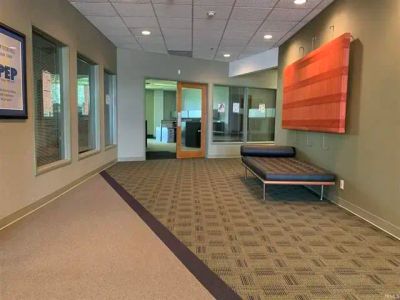
Restored Life Continuum of Care
Kokomo, Indiana
302 S Reed Rd, Kokomo, IN 46901

Boca Recovery Center - Indiana Drug and Alcohol Rehab
Huntington, Indiana
3040 W Park Dr, Huntington, IN 46750



Addiction Rehab Centers - ARC
Indianapolis, Indiana
7322 Noel Road, Indianapolis, IN, 46278
Pinnacle Treatment Centers - 2209 John R Wooden Drive
Martinsville, Indiana
2209 John R Wooden Drive, 3rd Floor Martinsville, IN 46151
Pinnacle Treatment Centers - 581 E. Main Street
Hagerstown, Indiana
581 E. Main Street Hagerstown, IN 47346
Why Trust Indiana Rehabs
As Hoosiers helping Hoosiers, we understand the unique challenges our communities face. Our team meticulously verifies every Indiana treatment center, ensuring you find trusted, local care that truly understands your journey.
About our listingsLevels of Care
Explore popular treatment options by levels of care, from flexible treatment in Outpatient centers to intensive care in Residential rehabs.
Free · 24/7 · Confidential
Talk to a Treatment Specialist
Call now to get matched with Indiana facilities that accept your insurance.
(888) 568-9930
Free
Ins. check
4.9★
Rating
HIPAA
Protected
Can't travel to a facility?
Licensed Indiana therapists via secure video — same-week appointments, evenings & weekends available.
There’s something comforting about the gentle tap-tap of a ping pong ball, familiar, almost like laughter echoing on an afternoon. You know the sound, but did you know it could be the sound of healing? Table tennis in rehab isn’t just about passing time; it’s a powerful, hands-on way to rebuild your mind and body, connect with others, and rediscover what it feels like to enjoy the moment without pressure. Sometimes, the path to recovery starts with the simplest of joys, a paddle, a friend, and the steady rhythm of hope returning.
Introduction
When you’re starting the journey of addiction treatment, every part of your well-being needs attention. While clinical therapies like counseling and medical support are the cornerstones of recovery, healing the whole person often involves more. That’s where recreational therapy comes in. Activities like table tennis are becoming more common in treatment settings, with many facilities recognizing the power of play in the healing process[1]. A table tennis rehab program does more than fill time; it helps rebuild confidence, restore physical health, and create positive social bonds.
Think of it as a gentle way to re-engage with yourself and the world. Early recovery can feel overwhelming, but a simple, focused activity provides a much-needed break from intense emotions. It creates a space to breathe, move, and connect without pressure. This approach is a key part of many holistic rehab programs that aim to support your mind, body, and spirit all at once. Throughout this page, we’ll explore the surprising and powerful benefits of table tennis in recovery and show you how to find facilities in Indiana that offer this supportive therapy.
TT for New Life: Using Table Tennis in Addiction Treatment
Recovery is about building a new life, one day at a time. It’s about rediscovering joy, purpose, and connection. An activity as simple as table tennis can be a surprisingly powerful tool in this process, helping to heal on physical, mental, and social levels. This idea is at the heart of initiatives that use table tennis to support participants in addiction treatment, giving them a healthy outlet and a fresh start[2].
Mentally, the game is a form of active mindfulness. To play, you have to focus on the ball, the paddle, and your opponent’s next move. This intense concentration helps quiet the noise of cravings, anxiety, and negative self-talk. For a few moments, you’re completely present, giving your mind a rest from the heavy work of rehabilitation. This focus sharpens cognitive function and helps you practice staying in the moment, a skill that’s invaluable for maintaining long-term sobriety.
Socially, table tennis offers a safe and structured way to connect with others. In early recovery, interacting with peers can feel intimidating. A shared activity breaks the ice, allowing for communication and teamwork to develop naturally. It fosters a sense of community and friendly competition, building trust and camaraderie without the intensity of formal group therapy. You’re not just patients in a room; you’re teammates working toward a simple, shared goal. This positive social interaction is a cornerstone of building a strong support system for your new life.
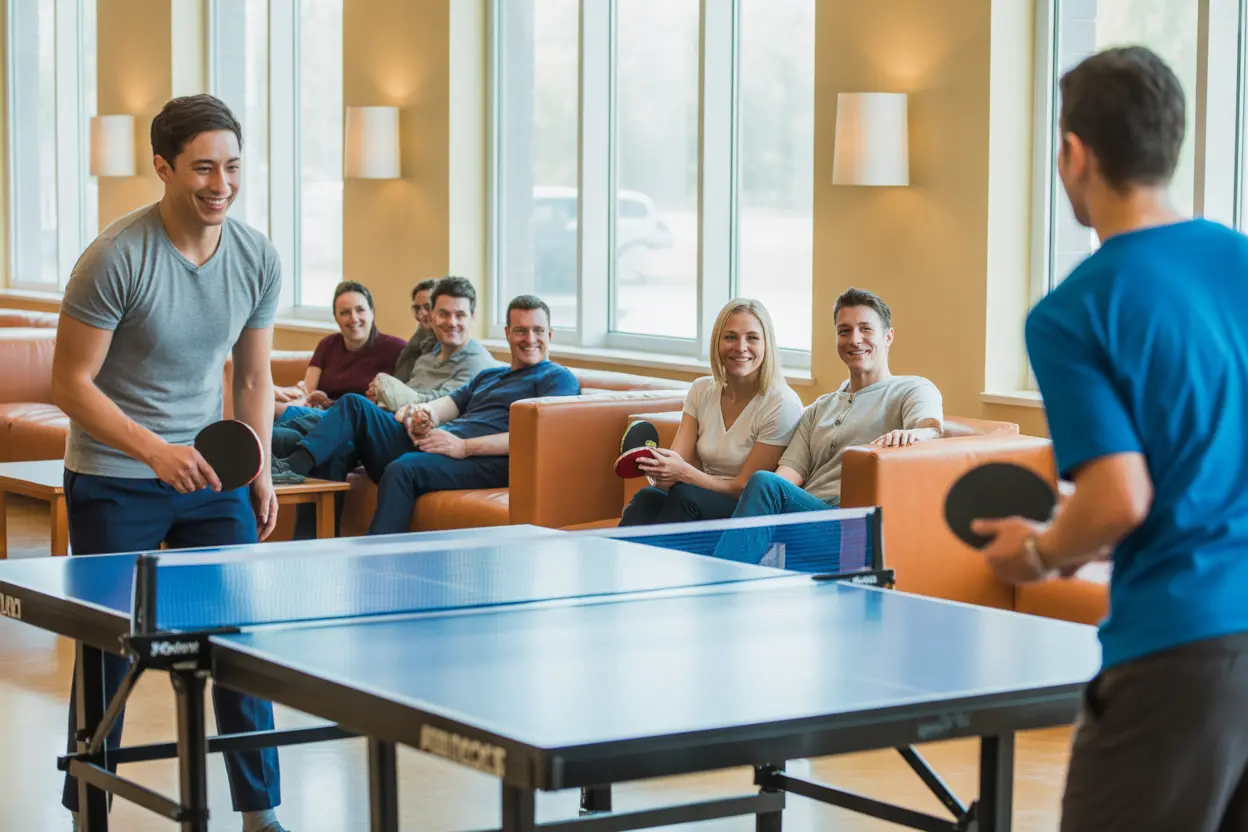
The effect of table tennis combined with resistance training on the rehabilitation of patients with coronary heart disease
While this heading sounds very specific, the principle behind it is incredibly relevant to addiction recovery. Long-term substance use can take a serious toll on your physical health, especially your cardiovascular system. Rebuilding your body is just as important as healing your mind, and exercise is a critical part of that process. The journey of rehabilitation is about restoring overall wellness, and that starts with a strong physical foundation.
Table tennis is an excellent form of low-impact aerobic exercise. It gets your heart rate up without putting stress on your joints, making it a safe and accessible activity for patients at all fitness levels. As you move around the table, you’re improving your stamina, circulation, and heart health. This gentle but consistent physical activity helps your body heal from the damage caused by substance use and builds a healthier baseline for your future.
When you combine an activity like table tennis with light resistance training, the benefits multiply. Resistance training helps rebuild muscle mass and strength, which often decline during active addiction. This combination improves not just cardiovascular function but overall physical resilience. Feeling stronger in your body translates to feeling more capable and confident in your recovery. Improved physical health gives you the energy and stability needed to tackle the mental and emotional challenges of rehabilitation, creating a positive feedback loop where body and mind support each other.
Comparison of psychological indicators
Recovery is as much a mental journey as it is a physical one. Healing from addiction means addressing the underlying psychological factors, such as anxiety, depression, and low self-esteem. Physical activity, especially a focused and engaging one like table tennis, can have a profound impact on your mental health and overall well-being.

Here’s how playing table tennis can lead to a measurable improvement in key psychological indicators:
- Anxiety Reduction: The fast-paced nature of the game demands your full attention. This focus pulls you into the present moment, offering a temporary escape from anxious thoughts and worries. This mental break can help lower cortisol levels, the body’s primary stress hormone.
- Mood Elevation: Like other forms of exercise, table tennis triggers the release of endorphins. These are your body’s natural mood boosters, and they can help combat feelings of depression and create a sense of well-being. Regular activity helps stabilize your mood over time.
- Cognitive Function: The game is a workout for your brain. You have to track the ball, anticipate shots, and make split-second decisions. This improves hand-eye coordination, sharpens concentration, and enhances strategic thinking skills.
- Self-Esteem: Learning a new skill and seeing yourself improve is a powerful confidence booster. Every successful serve or volley is a small victory that builds self-worth. This sense of accomplishment can counteract the feelings of shame and failure that often accompany addiction. Engaging in sports can significantly contribute to improved mental wellness[3].
Comparison of sleep and diet
Two of the first things to suffer during active addiction are often sleep and nutrition. Restoring healthy habits in these areas is fundamental to a successful recovery. Substance use disrupts the body's natural rhythms, leading to issues like insomnia and poor appetite. The physical activity involved in playing table tennis can directly help regulate these essential functions.
Many patients in early recovery struggle with getting restful sleep. Their bodies are working to recalibrate, and this often leads to sleepless nights. Regular, moderate exercise from a game of table tennis can help reset your body’s internal clock, or circadian rhythm. The physical exertion helps you feel more tired and ready for rest at the end of the day, leading to deeper and more restorative sleep. When you sleep better, your mind is clearer, your mood is more stable, and you have more energy to engage in your treatment.
Similarly, physical activity plays a key role in improving your diet and nutrition. Exercise helps stimulate your metabolism and can increase your appetite, encouraging you to eat regular, healthy meals. A balanced diet provides the fuel your body and brain need to heal and function properly. As you start feeling better physically, it becomes easier to make healthier food choices. This improvement in sleep and diet creates a strong foundation, giving you the physical and mental strength needed to navigate the challenges of recovery.
Find the Right Indiana Rehab for You
Choosing a rehab facility is a deeply personal decision, and finding the right environment is key to your success. As we’ve seen, supportive therapies like table tennis can make a real difference by helping you heal physically, mentally, and socially. It’s a simple activity that fosters connection, reduces anxiety, and rebuilds confidence. While these amenities are valuable, it’s important to remember they are designed to complement, not replace, core clinical care from licensed professionals[4].
Your next step is to explore what Indiana has to offer. Think about what kind of setting will best support your recovery journey. Do you thrive in an active, social environment? Would having access to recreational outlets like a ping-pong table help you feel more comfortable and engaged? Our directory of rehab facilities in Indiana is designed to help you find a program that fits your unique needs. You can browse different treatment centers and learn about the specific amenities they provide, from holistic therapies to recreational activities. Finding a place where you feel supported in every aspect of your well-being can make all the difference. For more information, you can also explore Indiana's official recovery resource to understand the full spectrum of support available to you.
Taking the first step toward recovery can feel overwhelming, but you don't have to do it alone. The right support system can guide you toward lasting healing. Remember that recovery is a holistic process, and finding a treatment center that cares for your physical, mental, and social well-being is crucial. If you're ready to find a path forward, browse our resources or call us at (888) 568-9930 to speak with someone who can help. At Indiana Rehabs, we're here to help you find the right fit for your journey. You can also contact us through our website to get started.
Frequently Asked Questions About Table Tennis in Addiction Recovery
What is recreational therapy?
Why use a simple game like table tennis in addiction treatment?
Do I have to be athletic to participate in table tennis therapy?
How does table tennis help with the mental challenges of recovery?
Is recreational therapy a substitute for clinical treatment?
How can I find an Indiana rehab that offers recreational therapy?
- (2020). National Survey of Substance Abuse Treatment Services (N-SSATS). Substance Abuse and Mental Health Services Administration. samhsa.gov
- (02-09-2023). TT for New Life: Using Table Tennis in Addiction Treatment. ITTF Foundation. ittffoundation.org
- (n.d.). Understanding and supporting student-athlete mental wellness. NASPA. naspa.org
- FSSA: DMHA. (07-14-2020). Certification and Licensure Rules and Indiana Code. in.gov. in.gov