Rehabs with Vegan/Vegetarian Options

Showing 7 of 7 Results (filtered)
Featured Rehab Centers
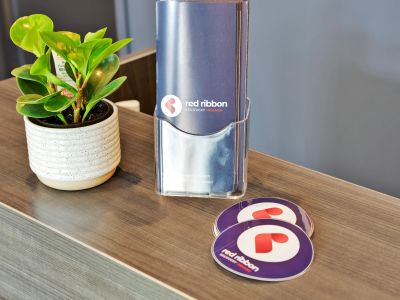

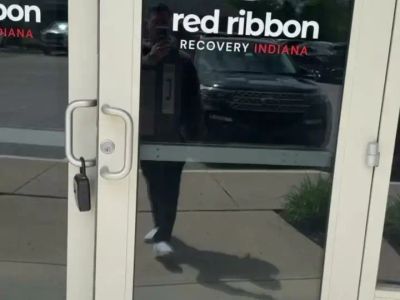
1411 W County Line Rd, Suite 1411A, Greenwood, IN 46142
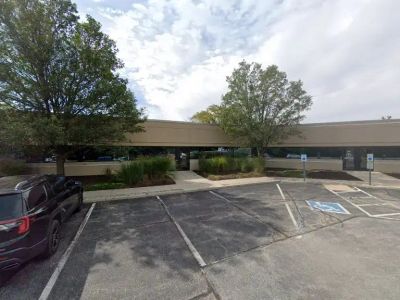
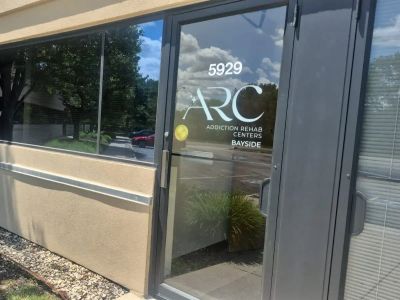

Addiction Rehab Centers - ARC At Bayside | Indianapolis Drug & Alcohol Rehab
Indianapolis, Indiana
5929 Lakeside Blvd, Indianapolis, IN 46278


Addiction Rehab Centers - ARC at Fox Hill | Drug & Alcohol Rehab - Mooresville Indiana
Mooresville, Indiana
12168 N Mann Rd, Mooresville, IN 46158
Get Personalized Rehab Matches in 60 Seconds
Tell us a few details and we’ll show a personalized shortlist of verified Indiana rehabs, making it simple to compare options and choose your next step with confidence.
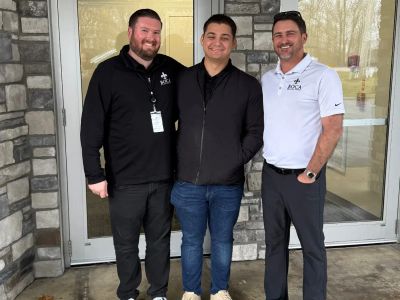
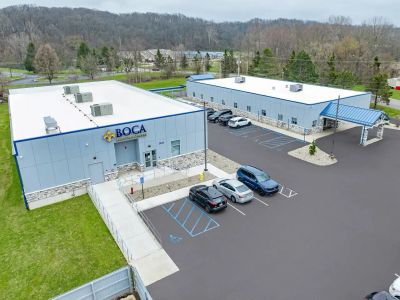

Boca Recovery Center - Indiana Drug and Alcohol Rehab
Huntington, Indiana
3040 W Park Dr, Huntington, IN 46750



Addiction Rehab Centers - ARC
Indianapolis, Indiana
7322 Noel Road, Indianapolis, IN, 46278



Recovery Centers of America at Indianapolis
Indianapolis, Indiana
8530 Township Line Rd, Indianapolis, IN 46260
Pinnacle Treatment Centers - 581 E. Main Street
Hagerstown, Indiana
581 E. Main Street Hagerstown, IN 47346
Why Trust Indiana Rehabs
As Hoosiers helping Hoosiers, we understand the unique challenges our communities face. Our team meticulously verifies every Indiana treatment center, ensuring you find trusted, local care that truly understands your journey.
About our listingsLevels of Care
Explore popular treatment options by levels of care, from flexible treatment in Outpatient centers to intensive care in Residential rehabs.
Free · 24/7 · Confidential
Talk to a Treatment Specialist
Call now to get matched with Indiana facilities that accept your insurance.
(888) 568-9930
Free
Ins. check
4.9★
Rating
HIPAA
Protected
Can't travel to a facility?
Licensed Indiana therapists via secure video — same-week appointments, evenings & weekends available.
You’ve made the brave decision to seek help for addiction, but a question lingers in the back of your mind: Will your recovery journey force you to compromise a core part of who you are? The thought of sitting at a dinner table where your values or needs aren’t understood can add a layer of worry to an already vulnerable moment. You deserve to feel nourished in every sense, not just physically but spiritually and emotionally, too. The good news is, in Indiana, there are places that not only respect your vegan or vegetarian lifestyle, they know it can be a source of strength and healing.
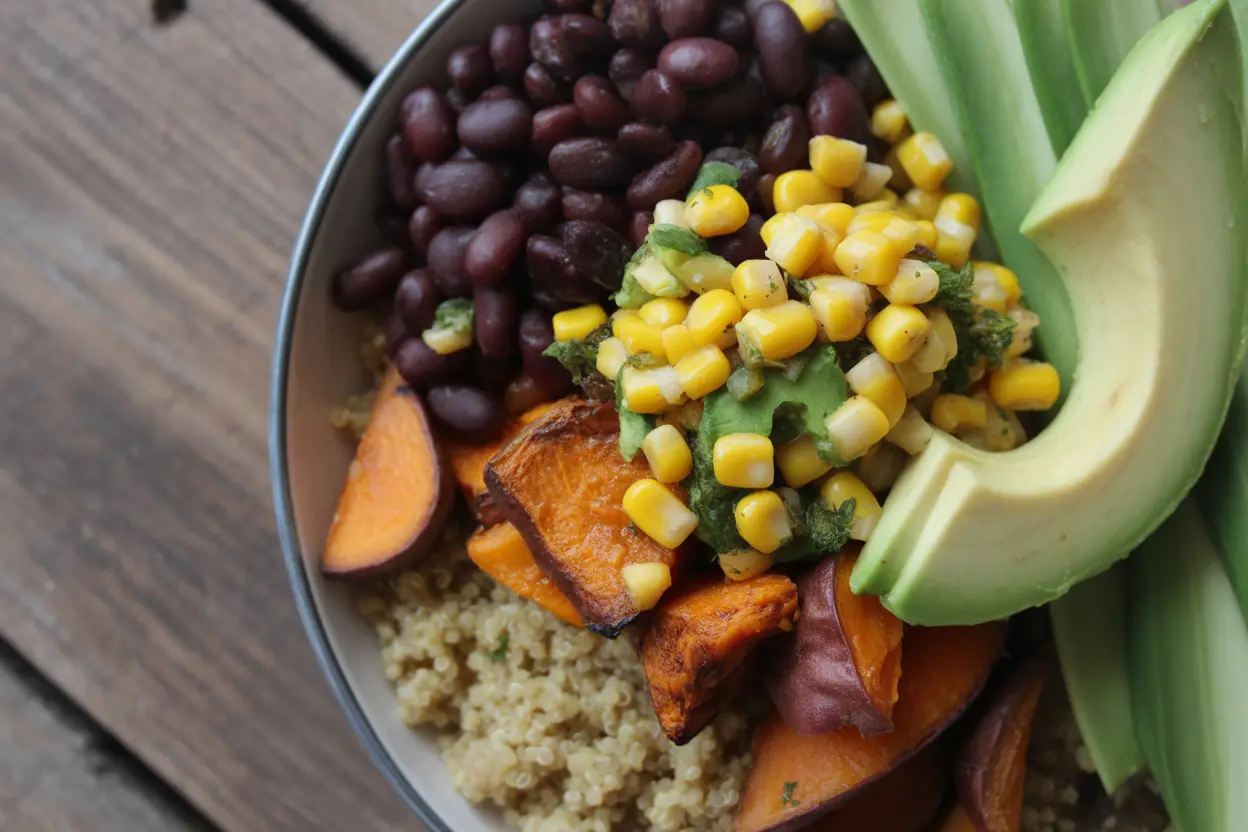
Why Choose a Vegan-Friendly Rehab Center?
Choosing a rehab that honors your dietary lifestyle isn’t just about convenience; it’s a proactive step toward a holistic and successful recovery. Nutrition is a cornerstone of healing, especially when your body and mind are recovering from the effects of substance use. A vegan-friendly rehab center understands that what you eat is deeply connected to your physical health, mental clarity, and even your personal values. This approach ensures that your treatment plan supports you as a whole person, aligning your path to sobriety with the principles you live by every day. When your environment respects your choices, you're free to focus completely on the important work of healing.
What's the difference between a vegan and vegetarian diet?
Understanding the difference between vegan and vegetarian is key, especially when you're communicating your needs to a rehab facility. While both diets are plant-centered, they have important distinctions. Being clear about your specific requirements helps the admissions and dietary staff provide the right care from day one, ensuring your meals align perfectly with your lifestyle. Here’s a simple breakdown:
| Diet Type | What It Excludes | What It Includes |
|---|---|---|
| Vegetarian | Excludes: All meat, poultry, and fish. | Includes: Plant-based foods, and may include dairy products and eggs (lacto-ovo vegetarian). |
| Vegan | Excludes: All animal products, including meat, poultry, fish, dairy, eggs, and often honey. | Includes: Exclusively plant-based foods like fruits, vegetables, grains, nuts, and seeds. |
Benefits of a Vegan Diet in the Recovery Process
Embracing a plant-based diet during addiction treatment can be a powerful tool for healing. Your body has been through a lot, and nourishing it with clean, whole foods can accelerate the recovery process from the inside out. The benefits go beyond the physical, supporting your mental and emotional well-being as you build a new foundation for sobriety.

- Restores Physical Health: Substance use can deplete your body of essential nutrients. A well-planned vegan diet, rich in vitamins, minerals, and antioxidants, helps reduce inflammation, improve digestion, and replenish what was lost[1].
- Stabilizes Mood and Energy: Plant-based diets are full of complex carbohydrates and fiber, which provide a steady source of energy. This helps prevent the blood sugar spikes and crashes that can lead to mood swings and cravings, making it easier to navigate the emotional challenges of early recovery.
- Aligns with Mindful Living: A vegan lifestyle requires conscious, intentional choices about what you put into your body. This mindfulness mirrors the principles of recovery, where you learn to make deliberate, healthy decisions that support your well-being and sobriety. Research suggests it can even increase resilience and self-esteem during treatment[2].
Impact on Physical and Mental Health
So, how can a vegan diet really help people who are in recovery? The connection between your gut and your brain is powerful. A fiber-rich, plant-based diet promotes a healthy gut microbiome, which in turn can positively influence your mental health. This "gut-brain axis" is crucial during recovery, as many people struggle with co-occurring disorders like anxiety and depression. Studies have shown that plant-based diets can help improve mood and reduce symptoms of these conditions[3]. Top-tier dual diagnosis treatment centers recognize this connection. They often design their nutritional programs with a focus on whole foods, preparing meals with 100% olive oil and avoiding hormones, preservatives, or additives to support both physical and mental healing.
How Vegan-Friendly Rehabs Cater to Dietary Needs
It’s one thing to know why a vegan-friendly rehab is beneficial, but it’s another to understand how they make it happen. Reputable rehab centers in Indiana don't see your dietary needs as an inconvenience; they view them as an essential part of your personalized care plan. These facilities have systems in place to ensure you receive delicious, nutritious, and appropriate meals throughout your stay. This commitment involves professional meal planning, a wide variety of vegan options, and a staff that is educated and supportive of your lifestyle choices.

Nutritional Counseling and Meal Planning
A high-quality program goes beyond simply serving vegan food. It integrates nutritional counseling into your treatment. You’ll have the opportunity to meet one-on-one with a dietitian or nutritionist who understands the unique needs of a plant-based diet. In these sessions, they'll work with you to create a balanced meal plan that ensures you're getting all the essential nutrients your body needs to heal, like protein, iron, and vitamin B12. This education is an invaluable tool that you’ll carry with you for life, empowering you to continue nourishing your body and supporting your sobriety long after you leave the facility.
What are some examples of Vegan Diet Options?
If you're worried about eating boring or repetitive meals, you can put those fears to rest. The best vegan vegetarian rehab options feature creative and satisfying menus designed by skilled chefs. Meals are crafted to be both delicious and nutritionally complete, proving that plant-based eating is anything but restrictive. Here’s a little taste of what a day of vegan meals might look like:
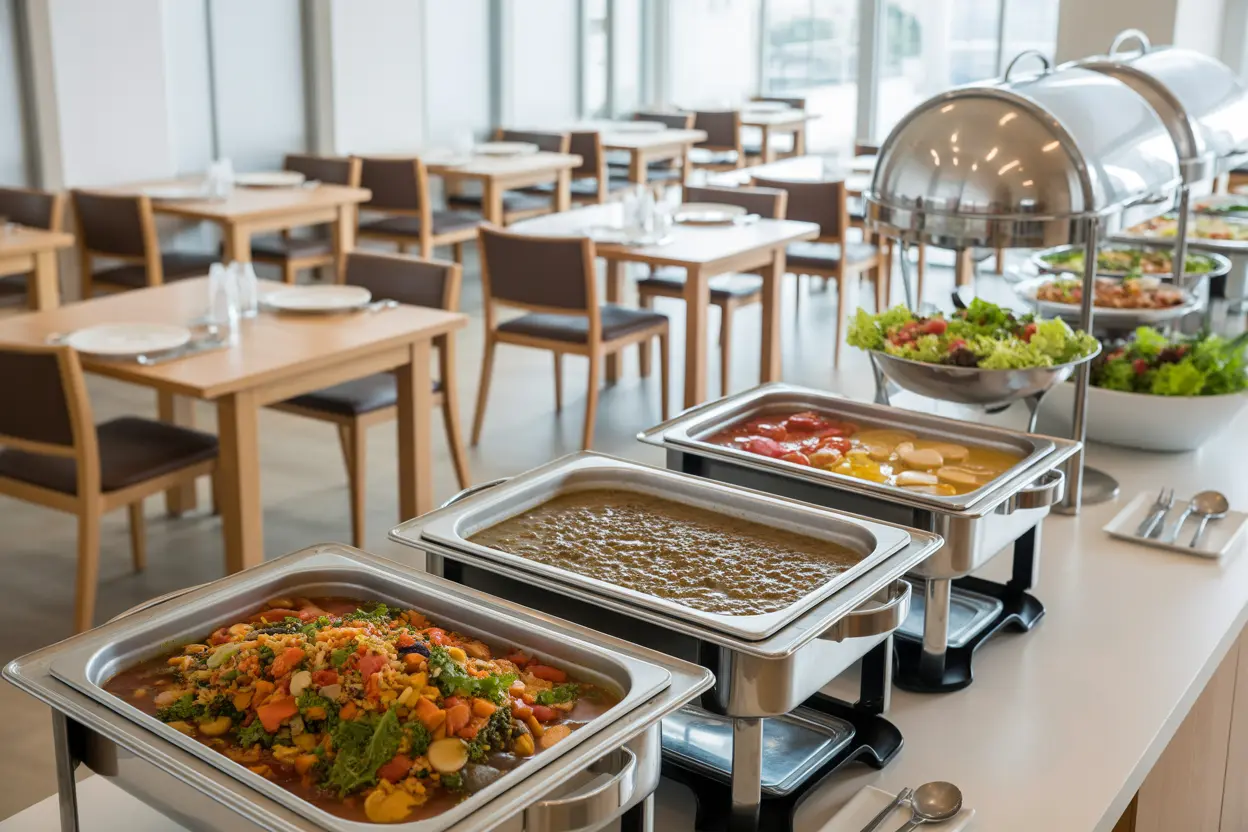
- Breakfast: Oatmeal with berries and nuts, a tofu scramble with spinach and toast, or a smoothie made with plant-based protein powder and fruit.
- Lunch: A hearty lentil stew with a side salad, black bean burritos with guacamole and salsa, or a large salad topped with chickpeas, seeds, and a flavorful vinaigrette.
- Dinner: Pasta dishes with a rich vegetable marinara, veggie burgers on whole-wheat buns with sweet potato fries, or a flavorful tofu and vegetable stir-fry with brown rice.
- Snacks: Fresh fruit, raw vegetables with hummus, a handful of almonds, or dairy-free yogurt.
Challenges and Solutions in Vegan Rehab Centers
It’s natural to have concerns about how a facility will handle the specifics of your diet. You might worry about cross-contamination with animal products, a limited variety of meals, or a general lack of understanding from the kitchen staff. High-quality rehab centers anticipate these challenges and have solutions in place. They often have dedicated prep areas in the kitchen to prevent cross-contamination. Their chefs are trained in plant-based cuisine and are passionate about creating diverse and appealing menus. Most importantly, the entire staff receives training on the principles of veganism, ensuring a respectful and knowledgeable environment where your needs are met without you having to constantly explain or justify them.
Importance of Support and Understanding From Staff
Feeling understood is a huge part of recovery. When the staff at your treatment center respects your dietary choices without judgment, it reduces stress and helps you feel safe. This emotional support is just as important as the food itself. A truly person-centered care environment means you won’t have to defend your lifestyle. Instead, the professionals around you will actively engage with you to make sure you’re happy, well-fed, and able to focus all your energy on healing. This culture of respect and understanding is a hallmark of a program that is truly committed to your overall well-being.

Finding a Vegan-Friendly Drug and Alcohol Rehab Center
Now that you know what to look for, the next step is finding the right drug and alcohol rehab center in Indiana that fits your needs. This process can feel overwhelming, but you can approach it with confidence by breaking it down into a few manageable steps. Think of it as a checklist to empower you to make an informed decision for your health and recovery. Using online directories, checking for accreditations, and communicating directly with facilities will help you find a place where you feel truly supported.
Key Factors to Consider When Choosing a Rehab Center
While diet is a critical piece of the puzzle, it's important to look at the whole picture. The best treatment centers offer comprehensive care that addresses all aspects of addiction. As you research, use a trusted resource like FindTreatment.gov or a specialized state directory to find licensed programs. Here are a few key factors to keep on your checklist:

- Levels of Care: Does the facility offer the right intensity of care for you? This could range from medical detox and inpatient residential treatment to outpatient programs that offer more flexibility.
- Accreditation and Licensing: Look for centers that are licensed by the state of Indiana and accredited by reputable organizations like CARF or The Joint Commission. This ensures they meet high standards of quality and safety[4].
- Therapies Offered: What therapeutic approaches do they use? Look for evidence-based practices like cognitive behavioral therapy (CBT), dialectical behavior therapy (DBT), and holistic therapies that align with your values.
- Insurance and Payment Options: Cost is a practical concern for everyone. Before committing, it's crucial to verify your insurance coverage. Many insurance plans, including Medicaid, can cover up to 100% of the cost of treatment. Take a moment to check your insurance benefits to understand your options.
Questions to Ask Potential Rehab Facilities
Once you have a shortlist of potential facilities, don’t hesitate to call their admissions team and ask direct questions. Their answers will give you a clear sense of how seriously they take dietary accommodations. Here are some essential questions to ask:
- Do you have a registered dietitian or nutritionist on staff who specializes in plant-based diets?
- Could I see a sample of a typical weekly vegan menu?
- What procedures do you have in place to prevent cross-contamination in the kitchen[5]?
- How is the kitchen and counseling staff trained to support clients with specific dietary needs?
- Are vegan options considered a standard part of the menu, or are they a special request?
Integrating Vegan Lifestyle Post-Rehab
The skills you learn in treatment are meant to last a lifetime. A good rehab program will prepare you for the transition back to daily life by incorporating your vegan lifestyle into your aftercare plan. This involves more than just diet; it’s about building a sober living framework that feels authentic to you. You can continue your recovery journey by finding local support groups, learning new recipes, and discovering sober social activities that align with your interests. The nutritional counseling you receive during treatment provides the foundation, giving you the tools to continue nourishing your body and mind long into your recovery.
Take the Next Step Toward a Nourished Recovery
Your journey to recovery is unique, and it deserves to be honored in a way that aligns with your core values. Finding a treatment center in Indiana that supports your vegan or vegetarian lifestyle isn’t a luxury, it’s a vital part of building a strong, sustainable foundation for sobriety. You don’t have to compromise who you are to get the help you need. Your dietary needs are a valid and important part of your overall health, and the right facility will see them as a source of strength.
If you’re ready to find a place where your recovery and your lifestyle can thrive together, help is just a phone call away. You can speak with a compassionate specialist who can provide confidential guidance and help you explore your options. Call us today at (888) 568-9930. We at Indiana Rehabs are here to help you find the path to healing that feels right for you. If you have questions or want to start the process online, feel free to reach out to us through our contact page.
Frequently Asked Questions About Vegan and Vegetarian Rehab in Indiana
Will my insurance cover a rehab with vegan options?
How do I know the vegan food at a rehab will be good?
Do I need to bring my own food to rehab?
What if I have other dietary needs besides being vegan?
What happens if I get to rehab and they don't accommodate my diet?
- (2024). Vegetarian and vegan dietary patterns to treat adult type 2 diabetes. U.S. National Library of Medicine. pubmed.ncbi.nlm.nih.gov
- Plant Based News. (February, 2023). Plant-based diet could help fight substance addiction, study finds. Plant Based News. plantbasednews.org
- Physicians Committee for Responsible Medicine. (01-18-2023). Plant-based diets improve substance abuse disorder treatment. Physicians Committee for Responsible Medicine. pcrm.org
- Indiana Family and Social Services Administration. (07-14-2020). Certification and licensure rules and Indiana code. Indiana Family and Social Services Administration. in.gov
- Indiana Department of Education. (n.d.). Indiana's handbook for managing special dietary needs. Indiana Department of Education. in.gov