Indiana's Fentanyl Crisis: What Hoosiers Need to Know in 2026
Indiana recorded 2,244 drug overdose deaths in 2023, with fentanyl as the leading driver. County-level data, harm reduction resources, naloxone access, and treatment options for Hoosiers.


Fentanyl has fundamentally reshaped Indiana's addiction crisis. A synthetic opioid 50 to 100 times more potent than morphine, fentanyl is now the leading driver of overdose deaths in the state — found not just in the opioid supply but increasingly mixed into counterfeit pills, cocaine, methamphetamine, and other drugs.
This guide provides the latest data on Indiana's fentanyl crisis, explains how the drug is entering our communities, and connects Hoosiers with life-saving resources — from naloxone access to treatment options.
2,244 drug overdose deaths in 2023 — a rate of 33 per 100,000 residents, the fourth-highest annual total in state history. Fentanyl was involved in the majority of these deaths.
Source: CDC Vital Statistics, Indiana Department of Health
Fentanyl in Indiana by the Numbers
Indiana has seen a dramatic escalation in fentanyl-involved deaths over the past decade:
| Year | Total Drug Overdose Deaths | Rate per 100,000 |
|---|---|---|
| 2019 | 1,700 | 25.6 |
| 2020 | 2,355 | 35.3 |
| 2021 | 2,782 | 41.4 |
| 2022 | 2,588 | 38.5 |
| 2023 | 2,244 | 33.0 |
While 2023 showed a decrease from the 2021 peak, the numbers remain devastating — more than six Hoosiers per day died from drug overdoses. Fentanyl and its analogs were present in the majority of these deaths, often in combination with other substances.
How Fentanyl Enters the Drug Supply
Unlike Indiana's earlier opioid crisis — driven by prescription pills — today's fentanyl crisis is fueled by illicitly manufactured fentanyl (IMF) produced primarily in Mexican cartel labs using precursor chemicals from China. Key facts:
- Counterfeit pills: Fentanyl is pressed into fake Percocet, OxyContin, Xanax, and Adderall pills that are visually indistinguishable from pharmaceutical products. The DEA reports that 7 out of 10 seized counterfeit pills contain a potentially lethal dose of fentanyl.
- Drug supply contamination: Fentanyl is increasingly found in cocaine, methamphetamine, and heroin — meaning people who don't intentionally use opioids are being exposed.
- Xylazine ("tranq"): A veterinary tranquilizer increasingly mixed with fentanyl. According to the CDC, xylazine does not respond to naloxone, causes severe skin wounds, and complicates overdose reversal.
- Distribution routes: Indiana's position at the crossroads of I-65, I-69, I-70, and I-74 makes it a major transit and distribution hub for illicit drugs moving from southern and western states into the Midwest.
Recognizing an Overdose and Using Naloxone
Knowing how to recognize and respond to a fentanyl overdose can save a life. Signs of opioid overdose include:
- Slow, shallow, or stopped breathing
- Blue or grayish lips and fingertips
- Pinpoint (very small) pupils
- Unresponsiveness — unable to wake the person
- Gurgling or choking sounds ("death rattle")
- Limp body
What to do:
- Call 911 immediately. Indiana's Good Samaritan Law (IC 16-42-27) protects you from drug possession charges when calling for help during an overdose.
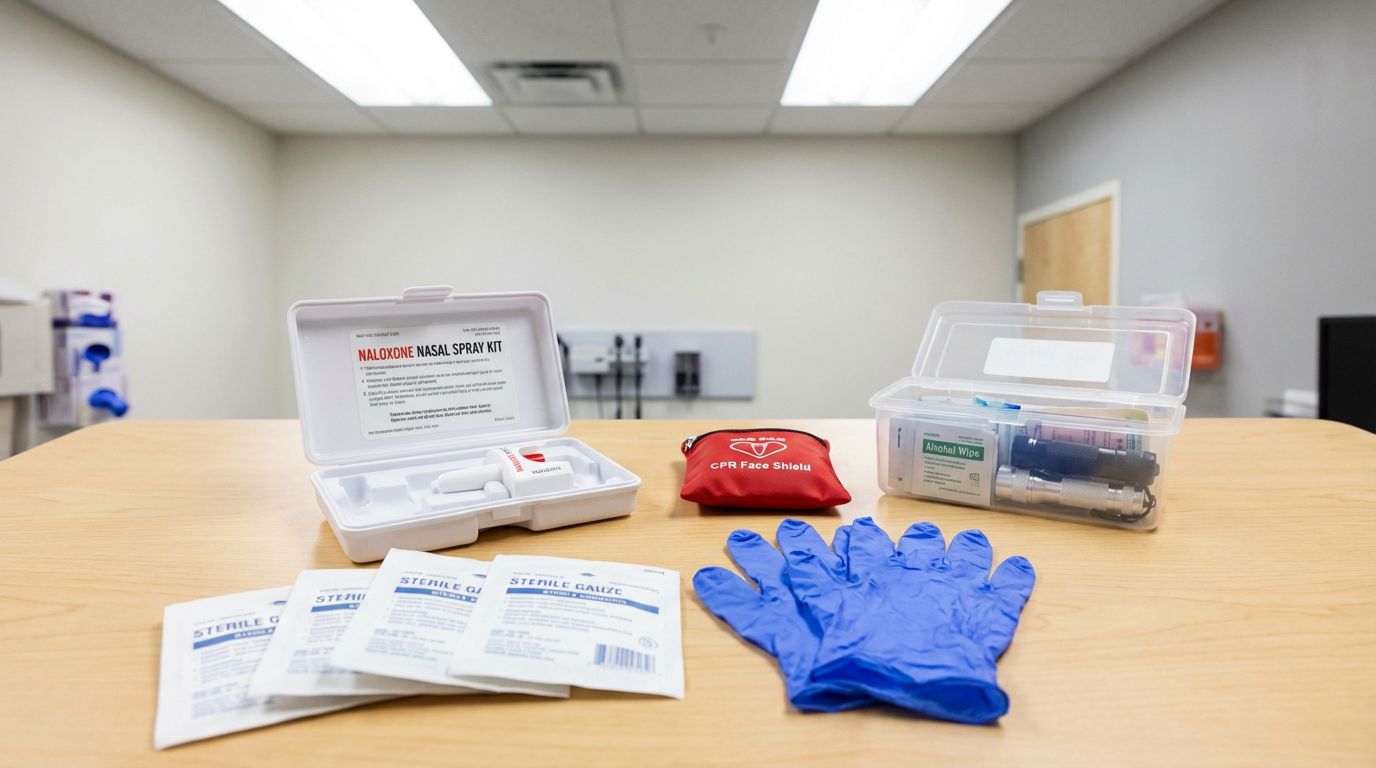
- Administer naloxone (Narcan) if available — one spray in one nostril. If no response in 2–3 minutes, administer a second dose in the other nostril.
- Perform rescue breathing — tilt the head back, lift the chin, and give one breath every 5 seconds.
- Place the person in the recovery position (on their side) to prevent choking.
- Stay with them until EMS arrives.
Indiana Counties Hardest Hit
The fentanyl crisis does not affect all parts of Indiana equally. Urban counties bear the highest absolute numbers, while some rural counties have the highest per-capita rates:
- Marion County (Indianapolis): Accidental drug intoxication deaths increased 65% from 2019 to 2023, according to the Marion County Coroner's Office.
- Lake County (Gary, Hammond, East Chicago): Consistently among the top five counties for overdose deaths, driven by proximity to Chicago's drug supply.
- Allen County (Fort Wayne): Rising fentanyl-involved deaths as IMF penetrates northeast Indiana.
- Vanderburgh County (Evansville): Southern Indiana's largest hub, with increasing polysubstance deaths involving fentanyl and methamphetamine.
- Rural southeastern Indiana: Small counties like Fayette, Wayne, and Randolph have among the highest per-capita overdose rates, compounded by limited treatment access.
Harm Reduction Resources for Hoosiers
Harm reduction saves lives while people are on the path to recovery. Indiana resources include:
- Free naloxone: Available through Indiana's Overdose Prevention program, local health departments, and pharmacies (standing order — no prescription needed)
- Overdose Lifeline Indiana: Non-profit providing free naloxone, training, and family support statewide
- Fentanyl test strips: Legal in Indiana and available through harm reduction organizations — test your supply before use
- Indiana 211: Dial 2-1-1 for immediate connections to local services
- Crisis resources: Indiana's crisis support network for immediate help
Treatment Options for Fentanyl Addiction
Fentanyl addiction is treatable. Evidence-based approaches include:
- Medication-Assisted Treatment (MAT): Buprenorphine (Suboxone) and methadone are the gold standard for opioid addiction treatment, reducing cravings, preventing withdrawal, and blocking fentanyl's effects
- Medical detox: Supervised withdrawal management with comfort medications — essential before transitioning to ongoing treatment
- Residential treatment: 30–90 day immersive programs for individuals who need a structured environment away from triggers
- Outpatient programs: Outpatient and IOP programs allow patients to receive treatment while maintaining daily responsibilities
Treatment works. NIDA research shows that MAT reduces opioid overdose deaths by more than 50%. The first step is reaching out — check your insurance coverage or call SAMHSA at 1-800-662-4357.
How Indiana Is Responding to the Crisis
Indiana has mobilized multiple state-level responses:
- Indiana Commission to Combat Substance Use Disorder: Coordinating the state's response across law enforcement, treatment, and prevention
- Expanded naloxone access: Indiana's standing order allows anyone to obtain naloxone from a pharmacy without a prescription
- Recovery Works: State-funded voucher program providing free treatment for justice-involved individuals
- HEA 1006 criminal justice reform: Redirecting low-level drug offenders to treatment instead of incarceration
- Opioid settlement funds: Indiana is receiving hundreds of millions in opioid settlement dollars to fund prevention, treatment, and recovery services over the next 18 years
If you or someone you love is struggling with fentanyl or any opioid, help is available right now. Browse Indiana treatment centers or call 1-800-662-4357 — it's free, confidential, and available 24/7.