Mixing Alcohol and Prescription Drugs: Dangers Every Hoosier Should Know
Mixing alcohol with opioids, benzodiazepines, or antidepressants can cause respiratory depression, liver failure, and death. Learn the specific dangers and what to do in an emergency.



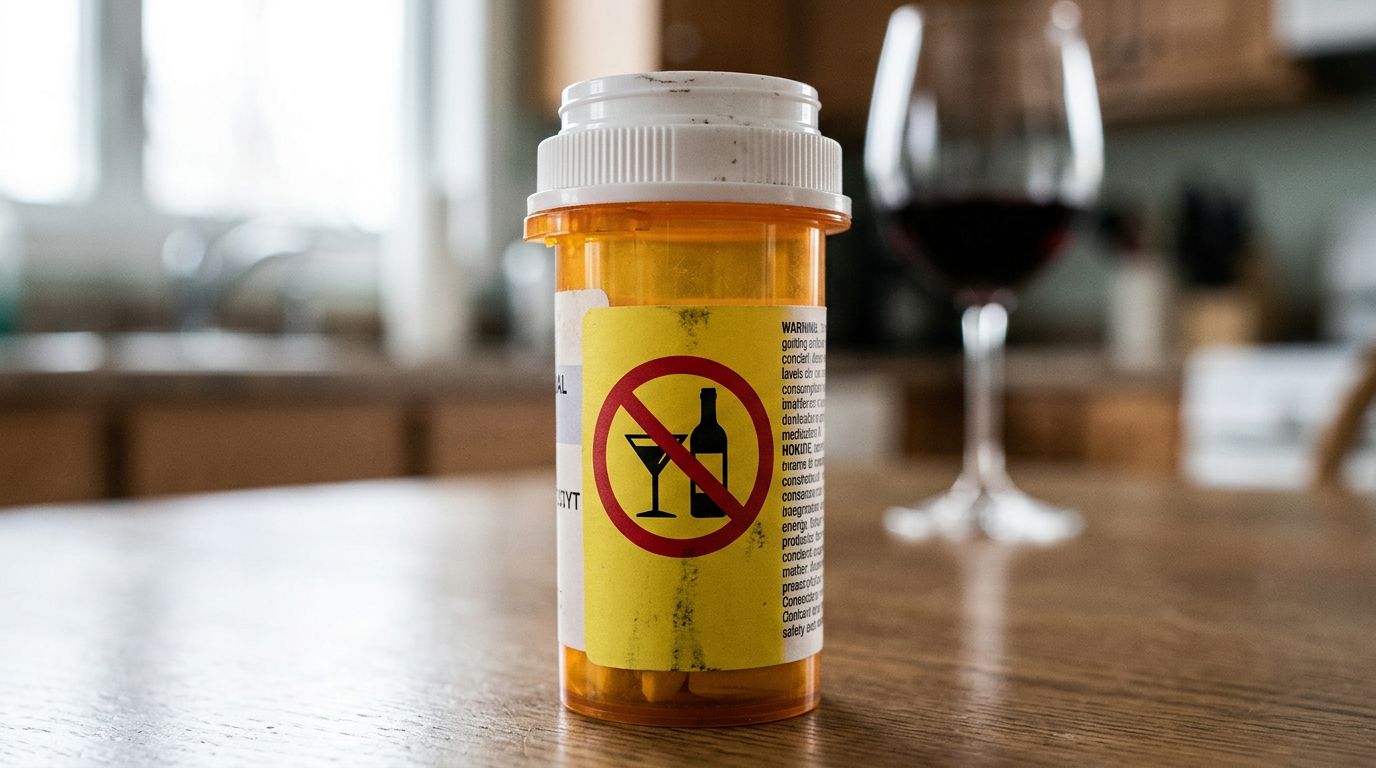
Every year, thousands of Americans are hospitalized — and hundreds die — from mixing alcohol with prescription medications. It's one of the most common and preventable causes of drug-related emergencies, yet most people vastly underestimate the danger.
Whether it's a glass of wine with your pain medication or a beer while taking antidepressants, combining alcohol with prescription drugs can trigger severe, sometimes fatal interactions. This guide explains the specific dangers by drug class and what every Hoosier needs to know to stay safe.
Mixing alcohol with opioids or benzodiazepines is the leading cause of polysubstance overdose death. Both classes suppress breathing — combining them can stop respiration entirely. If someone is unconscious and not breathing after mixing these substances, call 911 immediately.
Why Mixing Alcohol With Medications Is Dangerous
Alcohol interacts with medications through several mechanisms:
- Compounded CNS depression: Alcohol, opioids, and benzodiazepines all suppress the central nervous system. Combining them multiplies the sedative effect — slowing breathing, heart rate, and reflexes far beyond what either substance would cause alone.
- Liver competition: Both alcohol and many medications are metabolized by the same liver enzymes (CYP450 system). When the liver is busy processing alcohol, medication levels can build up to toxic concentrations in the blood.
- Enhanced absorption: Alcohol can increase the rate and amount of medication absorbed into the bloodstream, essentially creating an unintentional overdose from a normal prescribed dose.
- Unpredictable effects: Even small amounts of alcohol can dramatically alter how medications work, turning a safe therapeutic dose into a dangerous one.
Alcohol and Opioids: A Deadly Combination
Mixing alcohol with opioid pain medications (OxyContin, Percocet, Vicodin, morphine, codeine, fentanyl) is one of the most dangerous drug combinations that exists:
- Respiratory depression: Both substances slow breathing independently. Together, they can stop breathing entirely — this is the primary mechanism of fatal overdose.
- Extreme sedation: Loss of consciousness, inability to be awakened
- Aspiration risk: Unconscious individuals may vomit and choke
- Cardiac complications: Dangerous drops in heart rate and blood pressure
According to the NIAAA, combining opioids with alcohol accounted for a significant portion of the 2,244 drug overdose deaths in Indiana in 2023. Even one drink with an opioid prescription can be dangerous.
Alcohol and Benzodiazepines: Compounded Sedation
Benzodiazepines (Xanax, Valium, Klonopin, Ativan) combined with alcohol create a synergistic sedative effect that is potentially fatal:
- Both drugs enhance GABA activity in the brain — combining them can produce respiratory failure
- Even moderate drinking with a prescribed benzodiazepine dose can cause blackouts, severe impairment, and loss of consciousness
- Cross-tolerance develops: regular drinkers may take higher benzo doses, increasing overdose risk
- Withdrawal from both substances simultaneously is medically dangerous and requires supervised medical detox
Alcohol and Antidepressants: Hidden Risks
While not as immediately life-threatening as opioid or benzo combinations, mixing alcohol with antidepressants carries real risks:
| Antidepressant Type | Interaction With Alcohol |
|---|---|
| SSRIs (Prozac, Zoloft, Lexapro) | Increased drowsiness, impaired judgment, worsened depression, reduced medication effectiveness |
| SNRIs (Effexor, Cymbalta) | Liver toxicity risk, increased blood pressure, heightened sedation |
| MAOIs (Nardil, Parnate) | Dangerous hypertensive crisis — can cause stroke. Most severe interaction class. |
| Tricyclics (Amitriptyline, Nortriptyline) | Extreme drowsiness, impaired motor function, cardiac arrhythmia risk |
A common misconception is that because antidepressants treat mood disorders, they're safe to mix with alcohol. In reality, alcohol directly counteracts antidepressant effects by worsening depression and anxiety symptoms.
Alcohol and Over-the-Counter Medications
Even non-prescription medications can interact dangerously with alcohol:
- Acetaminophen (Tylenol): Combined with alcohol, dramatically increases risk of liver damage and liver failure. This is one of the most common causes of acute liver failure in the U.S.
- NSAIDs (Ibuprofen, Aspirin): Increased risk of gastrointestinal bleeding and stomach ulcers
- Antihistamines (Benadryl, Zyrtec): Extreme drowsiness, impaired driving ability, risk of falls
- Cough suppressants (DXM): Enhanced sedation, dissociative effects, risk of serotonin syndrome
What to Do in an Emergency
If someone has mixed alcohol with drugs and shows signs of overdose:
- Call 911 immediately. Indiana's Good Samaritan Law protects callers from drug possession charges.
- Administer naloxone (Narcan) if opioids are suspected — it cannot hurt and may save a life.
- Do NOT let them "sleep it off." Respiratory depression can worsen over hours as drugs continue to be absorbed.
- Place them on their side (recovery position) to prevent choking on vomit.
- Stay with them until emergency services arrive and tell paramedics exactly what was taken.
Indiana Poison Control: 1-800-222-1222 (24/7)
Getting Help for Polysubstance Use
If you're regularly mixing alcohol with prescription medications, this pattern itself is a form of substance use disorder that requires specialized treatment. Polysubstance use is common and treatable:
- Medical detox: Essential when stopping multiple substances, especially alcohol + benzos or alcohol + opioids
- Residential treatment: Provides structured environment for addressing multiple substance dependencies simultaneously
- Dual diagnosis programs: Address underlying mental health conditions that drive polysubstance use
- Verify your insurance: Most plans cover polysubstance use treatment under mental health parity law
Don't wait for a medical emergency. If you or someone you love is mixing alcohol with medications, crisis resources are available 24/7, or call SAMHSA at 1-800-662-4357.