
Rehabs for Agoraphobia

Showing 8 of 8 Results (filtered)
Featured Rehab Centers



1185 County Rd 1000 W, Linton, IN 47441



Boca Recovery Center - Indiana Drug and Alcohol Rehab
Huntington, Indiana
3040 W Park Dr, Huntington, IN 46750


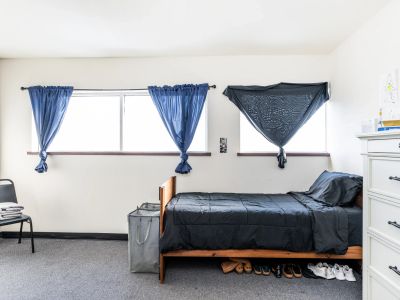
Cardinal Recovery
Franklin, Indiana
1130 West Jefferson St, Franklin, IN, 46131
Get Personalized Rehab Matches in 60 Seconds
Tell us a few details and we’ll show a personalized shortlist of verified Indiana rehabs, making it simple to compare options and choose your next step with confidence.



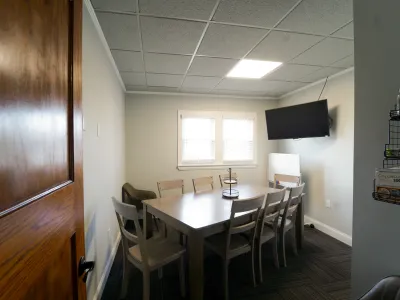
Indiana Center for Recovery - Alcohol & Drug Rehab Center Bedford
Bedford, Indiana
1600 23rd St, Bedford, IN 47421

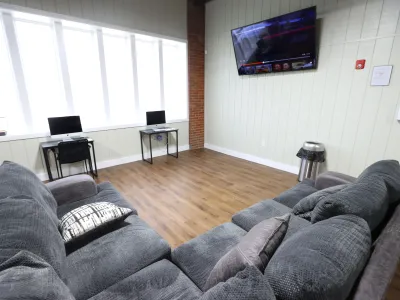
First City Recovery Center
Kokomo, Indiana
317 W Jefferson St, Kokomo, IN, 46901

Cummins Mental Health Center
Avon, Indiana
6655 East USHighway 36 Avon IN, 46123
Ascension Medical Group St Vincent - Kokomo Primary Care
Kokomo, Indiana
188 E Southway Blvd Kokomo, IN 46902
Centerstone – Pierson House
Richmond, Indiana
76 S 14th St, Richmond, IN 47374
Why Trust Indiana Rehabs
As Hoosiers helping Hoosiers, we understand the unique challenges our communities face. Our team meticulously verifies every Indiana treatment center, ensuring you find trusted, local care that truly understands your journey.
About our listingsLevels of Care
Explore popular treatment options by levels of care, from flexible treatment in Outpatient centers to intensive care in Residential rehabs.
Free · 24/7 · Confidential
Talk to a Treatment Specialist
Call now to get matched with Indiana facilities that accept your insurance.
(888) 568-9930
Free
Ins. check
4.9★
Rating
HIPAA
Protected
Can't travel to a facility?
Licensed Indiana therapists via secure video — same-week appointments, evenings & weekends available.
Does the thought of leaving home, stepping into a crowded store, or even hopping on the bus send a wave of dread through you? When fear makes your world feel smaller, each day can seem more isolating, and the walls start to close in a bit tighter. But you’re not truly stuck, there are ways to gently push back against that fear. Recovery is real and within reach, especially with the right support and guidance waiting for you here in Indiana.

What is agoraphobia?
Agoraphobia is often misunderstood as just a fear of open spaces, but it’s more complex than that. At its heart, it’s an anxiety disorder characterized by an intense fear of being in situations where escape might be difficult or help might not be available if you have a panic attack or other disabling symptoms. This isn’t just a passing worry; it’s a deep-seated fear that can significantly shrink your world.
The kinds of situations that trigger this fear vary, but they often include using public transportation, being in open spaces like parking lots, standing in line, being in crowds, or even just being outside of your home alone. For the 1.7% of U.S. adults who experience agoraphobia each year, these everyday scenarios can feel overwhelming[1]. If this sounds familiar, learning more about agoraphobia is a brave first step.
What are the symptoms of agoraphobia?
Living with agoraphobia means dealing with a challenging mix of physical and psychological symptoms. When anxiety takes hold, your body can react as if it's in immediate danger. This response often brings on panic-like symptoms that are both frightening and exhausting. Recognizing these signs is key to understanding what you're going through and seeking the right help.
Common symptoms of agoraphobia include:
- Physical Symptoms: These can feel like a sudden medical emergency and often include a rapid heart rate, trouble breathing, chest pain, dizziness or lightheadedness, and sweating or chills[2].
- Psychological and Behavioral Symptoms: The fear is often focused on specific worries, like a fear of losing control, having a heart attack, or dying. This leads to a powerful urge to escape the situation. Over time, this results in the primary behavioral symptom: the active avoidance of situations that might trigger this panic. This can mean needing a trusted companion to go anywhere or, in severe cases, being unable to leave home at all.
These symptoms are more than just uncomfortable; they can be debilitating. It’s important to know that professional treatment can help you manage these feelings and regain control.
What causes agoraphobia?
There isn’t a single, straightforward answer to what causes agoraphobia. Instead, it’s usually a combination of factors that come together, making someone more vulnerable to developing the condition. It's not your fault; it’s a complex interplay between your biology, your personal history, and your environment.
Some of the most common risk factors include having a history of panic attacks or a diagnosed panic disorder. Experiencing a frightening panic attack in a public place can create a powerful link in your mind between that situation and the feeling of panic, leading to avoidance. Other contributing factors can be stressful life events, such as the death of a loved one, trauma, or abuse. A person’s temperament may also play a role, particularly if you have a naturally anxious or nervous disposition. Finally, there seems to be a genetic component, with research suggesting that heritability for agoraphobia could be as high as 61%[3].
How is agoraphobia diagnosed?
If you suspect you might have agoraphobia, the first step is to speak with a qualified mental health provider. A formal diagnosis can only be made by a professional, like a therapist, psychologist, or psychiatrist, who can conduct a thorough evaluation. This process isn't just about checking boxes; it's a conversation aimed at understanding your unique experiences, fears, and behaviors.
Your provider will likely ask detailed questions about your symptoms and how they affect your daily life. They will use the criteria outlined in the Diagnostic and Statistical Manual of Mental Disorders (DSM-5-TR) to guide their assessment. According to the DSM-5-TR, a diagnosis of agoraphobia requires a marked fear or anxiety about at least two different types of situations, such as using public transportation or being in a crowd[4]. This fear must be out of proportion to the actual danger, cause significant distress, and persist for six months or more. This careful diagnostic process ensures you get the most accurate and effective treatment plan.

How is agoraphobia treated?
The most important thing to know is that agoraphobia treatment is effective, and recovery is absolutely possible. You don't have to live with the fear and isolation that agoraphobia causes. The path to recovery typically involves a personalized approach that combines psychotherapy and, in some cases, medication. Working with a professional is crucial because, without treatment, the chances of agoraphobia resolving on its own are very low. A comprehensive treatment plan will address your fears head-on, teach you new coping skills, and help you gradually reclaim the life you want to live. Lasting recovery is built on a foundation of proven, evidence-based care.
Talking therapies
Psychotherapy, often called "talk therapy," is the cornerstone of effective agoraphobia treatment. One of the most successful approaches is cognitive behavioral therapy (CBT). A therapist trained in cognitive behavioral therapy helps you identify the negative thought patterns that fuel your fear and then challenge them[5]. Instead of automatically assuming the worst will happen, you learn to look at situations more realistically.
A key part of CBT for agoraphobia is exposure therapy. This might sound scary, but it’s a gentle, gradual process done with the full support of your therapist. You’ll start by simply imagining a feared situation and then slowly work your way up to confronting it in real life, all while using relaxation and coping skills. The goal isn't to eliminate anxiety but to teach you that you can handle it, which reduces your fear over time[6].
Medications
While therapy is the primary treatment, medications can be a valuable tool for managing severe anxiety and panic symptoms, especially in the beginning. They can help reduce the intensity of your fear, making it easier to engage in psychotherapy. The most commonly prescribed medicines are antidepressants, specifically selective serotonin reuptake inhibitors (SSRIs) and serotonin-norepinephrine reuptake inhibitors (SNRIs). These are generally considered safe for long-term use and help regulate brain chemistry to improve your mood and reduce anxiety.
Sometimes, doctors may prescribe benzodiazepines for short-term relief from acute panic. However, because these medications can be habit-forming, they are typically used with caution and not as a long-term solution.
Self-help techniques and lifestyle changes
Alongside professional treatment, certain self-help strategies and lifestyle adjustments can make a big difference in managing your symptoms. These techniques work best when they supplement your therapy, not replace it. They empower you with tools you can use anytime, anywhere, to help ground yourself when anxiety rises.
- Relaxation Techniques: Practices like deep breathing exercises, mindfulness meditation, and progressive muscle relaxation can help calm your body’s stress response in the moment.
- Regular Exercise: Physical activity is a natural and effective way to reduce anxiety and improve your overall mood.
- Balanced Lifestyle: Prioritizing a healthy diet, getting enough sleep, and reducing your intake of caffeine and alcohol can all contribute to better mental well-being and make your anxiety more manageable.

Finding Agoraphobia Treatment in Indiana
Taking that first step to find help is often the hardest part, but you don’t have to do it alone. Support and effective care are available right here in Indiana. Finding a mental health provider who is a good fit for you is essential for your recovery journey. At Indiana Rehabs, we’re here to connect you with licensed and certified therapists, counselors, and treatment centers across the state[7]. You can browse our directory and filter your search by location, the type of therapy you’re looking for (like CBT), or even by insurance. Many providers also offer telehealth options, giving you flexible access to care from the comfort of your home. You can also use national resources like SAMHSA's Treatment Locator to explore options. The right healthcare professional can guide you through the different levels of care available and help create a plan that works for you.
Take the First Step to Reclaim Your Life
Agoraphobia can make you feel trapped, but it's important to remember that it is a treatable condition. Recovery isn't just about reducing symptoms; it's about reopening your world and reclaiming the freedom and quality of life you deserve. With a combination of evidence-based therapy and, if needed, medication, you can learn to manage your fear and step back into the world with confidence. Mental health conditions are treatable, and recovery is the expectation[8].
You don't have to face this journey alone. Peer support can be incredibly helpful, and organizations like the National Alliance on Mental Illness offer NAMI support programs where you can connect with others who understand. When you're ready, the right treatment and support system can make all the difference.
Feeling overwhelmed by agoraphobia is understandable, but your life doesn't have to be defined by fear. Effective treatment can help you manage your symptoms, regain your confidence, and expand your world again. You have the strength to take the first step, and support is waiting. If you’re ready to talk to someone who can help, call us at (888) 568-9930. Our team at Indiana Rehabs is here to guide you toward the right care in Indiana and help you find your path forward.
Frequently Asked Questions About Agoraphobia Treatment
What is the best treatment for agoraphobia?
Can agoraphobia be cured?
How can I help someone with agoraphobia?
How long does agoraphobia treatment take?
What is the difference between agoraphobia and social anxiety?
- National Institute of Mental Health. (2019). Agoraphobia. National Institute of Mental Health. nimh.nih.gov
- National Alliance on Mental Illness. (2025). Anxiety disorders. National Alliance on Mental Illness. nami.org
- Kessler, R. C., et al. (2006). The epidemiology of panic attacks, panic disorder, and agoraphobia. JAMA Psychiatry. jamanetwork.com
- American Psychiatric Association. (2022). Diagnostic and Statistical Manual of Mental Disorders (DSM-5-TR). American Psychiatric Association. psychiatry.org
- (2025). Digital cognitive behavioral therapy for panic disorder and agoraphobia. PMC. pmc.ncbi.nlm.nih.gov
- Hofmann, S. G. (2011). Coping skills and exposure therapy in panic disorder and agoraphobia. PMC. pmc.ncbi.nlm.nih.gov
- U.S. Department of Health & Human Services. (2021). State residential treatment for behavioral health: Conditions for licensure, certification, an oversight - Indiana. ASPE. aspe.hhs.gov
- Mental Health America. (2025). The state of mental health in America. Mental Health America. mhanational.org