
Rehabs for Body Dysmorphic Disorder (BDD)

Showing 11 of 11 Results (filtered)
Featured Rehab Centers

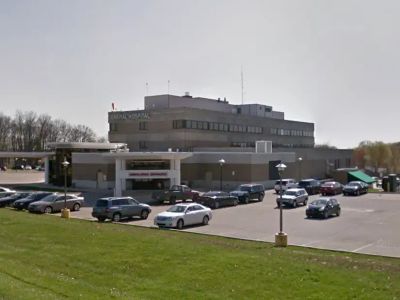

1185 County Rd 1000 W, Linton, IN 47441


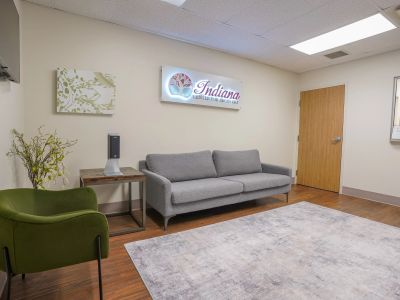
Indiana Center For Recovery- Alcohol & Drug Rehab Terre Haute
Terre Haute, Indiana
135 E Hospital Ln, Terre Haute, IN 47802


Boca Recovery Center - Indiana Drug and Alcohol Rehab
Huntington, Indiana
3040 W Park Dr, Huntington, IN 46750
Get Personalized Rehab Matches in 60 Seconds
Tell us a few details and we’ll show a personalized shortlist of verified Indiana rehabs, making it simple to compare options and choose your next step with confidence.



Indiana Center for Recovery - Alcohol & Drug Rehab Center Bedford
Bedford, Indiana
1600 23rd St, Bedford, IN 47421
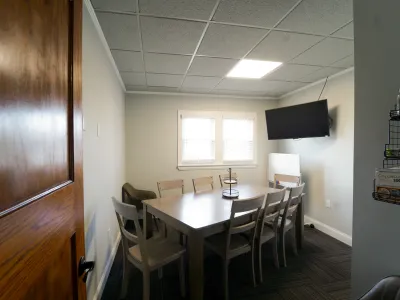

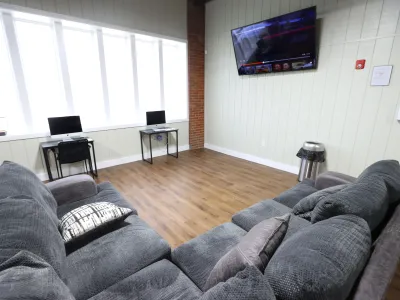
First City Recovery Center
Kokomo, Indiana
317 W Jefferson St, Kokomo, IN, 46901
Radiant Health - Hands of Hope
Marion, Indiana
1652 W Third St Marion, IN 46952
Ascension Medical Group St Vincent - Kokomo Primary Care
Kokomo, Indiana
188 E Southway Blvd Kokomo, IN 46902
Pinnacle Treatment Centers - 2209 John R Wooden Drive
Martinsville, Indiana
2209 John R Wooden Drive, 3rd Floor Martinsville, IN 46151
Radiant Health - North Marion
Marion, Indiana
505 North Wabash Avenue, Marion, IN, 46952
Centerstone – Pierson House
Richmond, Indiana
76 S 14th St, Richmond, IN 47374
Radiant Health - Hartford City
Hartford City, Indiana
410 Pilgrim Blvd. Suite 100 Hartford City, Indiana 47348
Why Trust Indiana Rehabs
As Hoosiers helping Hoosiers, we understand the unique challenges our communities face. Our team meticulously verifies every Indiana treatment center, ensuring you find trusted, local care that truly understands your journey.
About our listingsLevels of Care
Explore popular treatment options by levels of care, from flexible treatment in Outpatient centers to intensive care in Residential rehabs.
Free · 24/7 · Confidential
Talk to a Treatment Specialist
Call now to get matched with Indiana facilities that accept your insurance.
(888) 568-9930
Free
Ins. check
4.9★
Rating
HIPAA
Protected
Can't travel to a facility?
Licensed Indiana therapists via secure video — same-week appointments, evenings & weekends available.
Maybe you’ve felt it—the way a single glance in the mirror can pull you into a spiral, trapping you in hours of self-critique that others may never notice. Living with body dysmorphic disorder can feel all-consuming, quietly shaping your day in ways that are exhausting and deeply isolating. But you’re not alone, and there’s real hope: BDD is both recognized and treatable, and there are practical, evidence-based ways forward, right here in Indiana.
What are the symptoms for body dysmorphic disorder?
Body dysmorphic disorder (BDD) is a mental health condition that causes you to fixate on one or more perceived flaws in your appearance—flaws that are often minor or completely unnoticeable to others[1]. It's much more than simple vanity or insecurity. BDD involves obsessive thoughts and repetitive behaviors that can consume your time, disrupt your daily life, and cause significant emotional distress. While many people use the term "body dysmorphia" in conversation, BDD is the clinical diagnosis for this condition.
This disorder affects about 1.7% to 2.9% of the general population, meaning you are far from alone in this experience[2]. The preoccupations can focus on any part of the body, but common areas include the skin (acne, scars, wrinkles), hair (thinning, baldness), or the nose (shape, size). The core symptoms of BDD fall into two main categories:
- Mental Preoccupation: This involves intrusive, unwanted thoughts about your appearance that can last for hours each day. You might find yourself constantly comparing your appearance to others, worrying that people are staring at your perceived flaw, or believing you look "ugly" or "deformed."
- Compulsive Behaviors: These are repetitive actions you perform to try to fix, hide, or get reassurance about your appearance. Common examples include frequent mirror checking, excessive grooming, skin picking to "perfect" it, trying to hide the perceived flaw with clothing or makeup, and repeatedly asking others if you look okay.
Because BDD shares features with obsessive-compulsive disorder, these repetitive behaviors are not done out of choice but from a powerful urge to relieve the anxiety and distress caused by the obsessive thoughts.
What causes body dysmorphic disorder?
If you're wondering how this started, please know it's not your fault. There isn’t a single, simple answer to what causes BDD. Instead, research suggests that a combination of factors work together to create the foundation for this condition[3]. Understanding these risk factors can help you see the bigger picture and approach your situation with self-compassion.
Genetics and family history seem to play a role. If you have a close relative with BDD, obsessive-compulsive disorder, or depression, you may have a higher genetic predisposition. Brain chemistry is another key piece of the puzzle. An imbalance of certain brain chemicals, particularly serotonin, is thought to contribute to the obsessive thoughts and compulsive behaviors that define BDD. This is similar to what is seen in other conditions like anxiety and depression.
Your life experiences and environment also matter. Traumatic events in childhood, such as teasing or bullying about your appearance, can leave a lasting impact and increase your risk. Constant exposure to societal or media pressure to look a certain way can also fuel feelings of inadequacy and a negative self-image.
How is body dysmorphic disorder diagnosed?

Getting a formal diagnosis is the most important first step toward healing, as it unlocks the door to effective, specialized treatment. A diagnosis of BDD is made by a mental health professional, such as a psychiatrist or psychologist. The process isn't scary—it’s a conversation aimed at understanding what you’re going through.
Typically, a professional psychological evaluation starts with a discussion about your symptoms, your history, and how your concerns about your appearance are affecting your life. The provider will listen with empathy and without judgment. They will then compare your experiences to the official diagnostic criteria for BDD listed in the Diagnostic and Statistical Manual of Mental Disorders (DSM-5).
It's important to know that BDD can be difficult to diagnose. Many people feel deep shame or secrecy about their concerns, which can prevent them from seeking help. In fact, studies show that only about 15% of individuals with BDD receive a diagnosis, often because they are hesitant to share the true nature of their worries[4]. A compassionate and experienced mental health provider knows how to create a safe space for you to open up, ensuring you get the accurate assessment and care you deserve.
How is body dysmorphic disorder treated?
The great news is that there is effective body dysmorphic disorder treatment available that can help you reclaim your life from obsessive thoughts and compulsive behaviors. Treatment isn't about "fixing" the part of your appearance that troubles you; it’s about changing the underlying thought patterns and behaviors that cause you so much distress. The most effective treatment approaches for BDD typically involve a combination of specialized therapy and, in some cases, medication.
This two-pronged approach helps you manage symptoms from different angles. Therapy gives you practical skills to challenge your thoughts, while medication can help reduce the intensity of the obsessions and compulsions, making it easier to engage in therapy. Studies on medication have shown that many people—between 50% and 80%—experience significant relief from their symptoms[5]. With the right support, you can learn to see yourself and the world differently.
Cognitive behavioral therapy
Cognitive behavioral therapy (CBT) is considered the gold-standard psychotherapy for BDD[6]. This type of behavioral therapy helps you identify the negative, distorted thoughts you have about your appearance and challenge them with more realistic and balanced ones. A therapist skilled in CBT for BDD will work with you to understand the connection between your thoughts, feelings, and actions. The goal is to break the cycle of obsession and compulsion.
A key technique used in CBT is Exposure and Response Prevention (ERP). This involves gradually facing situations that trigger your anxiety about your appearance (exposure) without performing your usual compulsive behaviors (response prevention). For example, you might practice going out without makeup or reducing the time you spend mirror checking. This process helps your brain learn that the anxiety will decrease on its own, without you needing to perform the rituals.
Medications
Medication can be a very helpful part of a comprehensive treatment plan, especially for reducing the intensity of BDD symptoms. The most commonly prescribed medications are a class of antidepressants called selective serotonin reuptake inhibitors (SSRIs). SSRIs work by increasing the levels of serotonin, a neurotransmitter in the brain that helps regulate mood, anxiety, and obsessive thoughts.
By balancing serotonin levels, SSRIs can help quiet the constant, intrusive thoughts about your appearance and reduce the powerful urges to perform compulsive behaviors like mirror checking or skin picking. These medications are prescribed by a psychiatrist or medical doctor, who will work with you to find the right one and the appropriate dose. For the best results, SSRIs are typically used alongside CBT, as the combination tackles both the biological and psychological aspects of BDD.
Hospitalization
In some severe cases of BDD, psychiatric hospitalization may be necessary. This level of care is usually recommended when someone's symptoms are so intense that they can no longer function in their daily life, or if there is an immediate risk of self-harm or suicide. It's a way to ensure your safety and provide intensive support in a structured environment.
Think of it not as a setback, but as a crucial step to stabilize in a crisis. During a hospital stay, you'll receive round-the-clock care, including medication management and therapy, to help you get through the most difficult moments. The primary goal is to reduce the acute symptoms to a point where you can safely transition back to a less intensive level of care, like an outpatient program.
Coping and support

Learning to manage BDD is a journey, and building a strong support system is essential. The condition is incredibly isolating and can have a serious impact on your mental health; research shows that a high percentage of people with BDD experience suicidal thoughts[7]. This makes active coping strategies and support from others all the more critical.
Here are some self-care strategies to help you on your path to recovery:
- Stick with your treatment plan. Attend all your therapy sessions and take any prescribed medication consistently. Recovery takes time, and consistency is key.
- Practice stress management. Techniques like mindfulness, meditation, or gentle exercise can help calm your nervous system and reduce the intensity of obsessive thoughts.
- Join a support group. Connecting with others who understand what you're going through can reduce feelings of shame and isolation.
- Educate yourself. Learning more about BDD can help you feel more in control and better understand your own experiences.
- Be kind to yourself. Practice self-compassion. You are dealing with a challenging mental health condition, and you deserve patience and kindness, especially from yourself.
For family and friends, one of the best things you can do is listen without judgment and encourage your loved one to seek professional help. Avoid commenting on their appearance, even to give reassurance, as this can sometimes fuel the compulsive cycle. Instead, focus on their character, strengths, and the things you love about them beyond their looks. Offering to help them find resources or simply being a compassionate presence can make a world of difference. Many people also find support through related programs, like those for eating disorders, which often address similar underlying issues of body image.
Find Body Dysmorphic Disorder Treatment in Indiana
Taking that first step toward finding help is the most courageous thing you can do. Remember, recovery from BDD is absolutely possible, and you don’t have to do it alone. The right mental health provider can equip you with the tools and support you need to quiet the noise and start living a fuller life.
Here in Indiana, there are licensed and compassionate treatment centers ready to help. You can use our directory to find and compare facilities that have experience in treating body dysmorphic disorder and related conditions. For official information on state mental health standards, you can also consult the Indiana Division of Mental Health and Addiction. Simply browse the listings to find a provider near you that specializes in evidence-based therapies like CBT.
You deserve to feel at peace in your own skin. The path forward starts with a single step, and we're here to help you find your way. If you’re ready to explore your options, browse our directory or give us a call at (888) 568-9930 to speak with someone who can guide you. The team at Indiana Rehabs is here to help you connect with the right support. You can also contact us online to get started.
- (01-01-2025). Body Dysmorphic Disorder. University of Rochester Medical Center. urmc.rochester.edu
- International OCD Foundation. (05-20-2024). Prevalence of BDD. International OCD Foundation. bdd.iocdf.org
- Nemours KidsHealth. (05-18-2023). Body Dysmorphic Disorder (BDD) (for Teens). Nemours KidsHealth. kidshealth.org
- (02-18-2020). Treatment utilization and treatment barriers in individuals with body dysmorphic disorder. PubMed Central. pmc.ncbi.nlm.nih.gov
- A Randomized Placebo-Controlled Trial of Fluoxetine in Body Dysmorphic Disorder. JAMA Psychiatry. jamanetwork.com
- (04-10-2024). Advancing Psychosocial Treatment for Body Dysmorphic Disorder. PubMed Central. pmc.ncbi.nlm.nih.gov
- (04-08-2025). Prevalence of Body Dysmorphic Disorder: A Systematic Review and Meta-analysis. PubMed Central. pmc.ncbi.nlm.nih.gov