
Rehabs for Brief Psychotic

Showing 7 of 7 Results (filtered)
Featured Rehab Centers

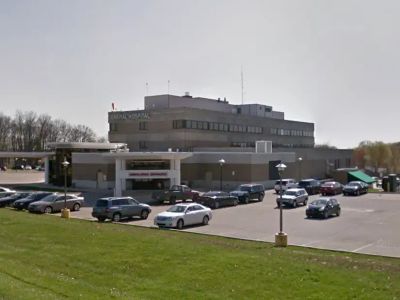

1185 County Rd 1000 W, Linton, IN 47441



Boca Recovery Center - Indiana Drug and Alcohol Rehab
Huntington, Indiana
3040 W Park Dr, Huntington, IN 46750



Indiana Center for Recovery - Alcohol & Drug Rehab Center Bedford
Bedford, Indiana
1600 23rd St, Bedford, IN 47421
Get Personalized Rehab Matches in 60 Seconds
Tell us a few details and we’ll show a personalized shortlist of verified Indiana rehabs, making it simple to compare options and choose your next step with confidence.
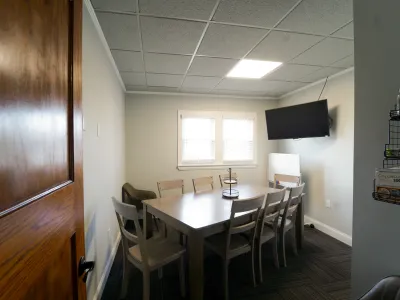

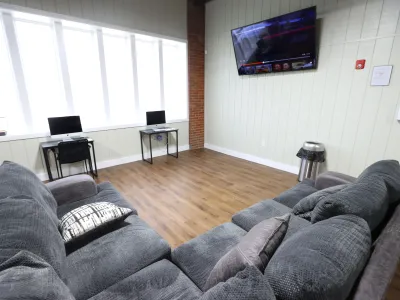
First City Recovery Center
Kokomo, Indiana
317 W Jefferson St, Kokomo, IN, 46901
Ascension Medical Group St Vincent - Kokomo Primary Care
Kokomo, Indiana
188 E Southway Blvd Kokomo, IN 46902
Pinnacle Treatment Centers - 2209 John R Wooden Drive
Martinsville, Indiana
2209 John R Wooden Drive, 3rd Floor Martinsville, IN 46151
Centerstone – Pierson House
Richmond, Indiana
76 S 14th St, Richmond, IN 47374
Why Trust Indiana Rehabs
As Hoosiers helping Hoosiers, we understand the unique challenges our communities face. Our team meticulously verifies every Indiana treatment center, ensuring you find trusted, local care that truly understands your journey.
About our listingsLevels of Care
Explore popular treatment options by levels of care, from flexible treatment in Outpatient centers to intensive care in Residential rehabs.
Free · 24/7 · Confidential
Talk to a Treatment Specialist
Call now to get matched with Indiana facilities that accept your insurance.
(888) 568-9930
Free
Ins. check
4.9★
Rating
HIPAA
Protected
Can't travel to a facility?
Licensed Indiana therapists via secure video — same-week appointments, evenings & weekends available.
Imagine waking up to a world that suddenly doesn’t make sense, either for you, or for someone you deeply care about. In a blink, reality feels far away, replaced by confusion and fear, leaving everyone searching for footing. As overwhelming as this moment is, it doesn’t last forever; with the right support and treatment, healing is not just possible, it’s expected. You’re not alone on this path, and hope is much closer than it might feel right now.
What is brief psychotic disorder?
Brief psychotic disorder (BPD) is a sudden, short-term episode of psychosis, where a person temporarily loses contact with reality[1]. Think of psychosis as a disruption in the brain's processing that makes it difficult to tell what’s real from what’s not. The defining feature of this specific disorder is its duration. The psychotic symptoms last for at least one day but less than one month, after which they typically go away completely[2]. Following the episode, the individual almost always returns to their previous level of functioning, with complete remission. It’s a jarring and frightening experience, but it’s temporary. Understanding this is the first step toward navigating the path to recovery.

Symptoms of brief psychotic disorder
When someone is experiencing a brief psychotic episode, their behavior can change dramatically. The symptoms can feel bewildering, both for the person going through it and for those around them. The experience isn't the same for everyone, but symptoms of this psychotic disorder usually fall into one of four main categories[2]. Recognizing these psychotic symptoms is key to getting the right help.
- Delusions: These are strong, false beliefs that a person holds onto, even when there’s clear evidence to the contrary. For example, someone might believe they are being followed or that they have special powers. These beliefs are not just mistaken ideas; they feel completely real to the person experiencing them.
- Hallucinations: This is when someone sees, hears, or feels things that aren’t actually there. Hearing voices is a common hallucination, but they can affect any of the senses. It’s a deeply confusing experience that can make it hard to trust one's own perceptions.
- Disorganized speech: You might notice someone’s speech becomes jumbled, illogical, or hard to follow. They might switch from one topic to another without any clear connection. This reflects the disorganized thinking that psychosis can cause.
- Grossly disorganized or catatonic behavior: This can range from agitated, purposeless movements to sitting completely still and unresponsive for long periods (catatonic behavior). The person's actions may seem unpredictable or inappropriate for the situation.
Causes of Brief Psychotic Disorder
While the exact cause of a brief psychotic episode isn't always clear, it's often linked to incredibly high levels of stress. Think of it like an electrical circuit getting overloaded. A major life event can act as a trigger, leading to the onset of symptoms. These marked stressors might include the sudden death of a loved one, a serious accident, a natural disaster, or another deeply traumatic event[1]. Sometimes, an episode can happen without any obvious trigger. Another specific cause is known as postpartum onset, where symptoms appear within four weeks of giving birth[2]. Certain underlying risk factors, such as a family history of psychotic disorders or specific personality traits, may also make someone more vulnerable.
Brief Psychotic Disorder Diagnosis
Getting a correct diagnosis is a crucial step toward healing. A diagnosis of brief psychotic disorder begins with a thorough psychological evaluation, where a healthcare professional will listen carefully to understand the person's experiences and symptoms[3]. A key part of this process is ruling out other potential causes. For instance, a doctor will need to confirm that the symptoms aren’t the result of a substance, a prescribed medication, or another medical condition, like a brain tumor or an infection. The duration of the symptoms is the most critical factor in making a diagnosis. To be diagnosed with brief psychotic disorder, the episode must last for at least a day but less than a month. This timeframe is what distinguishes it from other psychotic disorders like schizophrenia, which involves symptoms that persist for much longer[2]. It's a careful process of elimination designed to ensure the right path of care is chosen.
Brief Psychotic Disorder vs. Schizophrenia
It's common to wonder about the difference between a brief episode of psychosis and a long-term condition like schizophrenia. The main distinctions come down to how long the symptoms last and the long-term outcome. Here’s a simple comparison to clarify the difference between psychosis and schizophrenia.
| Feature | Brief Psychotic Disorder | Schizophrenia |
|---|---|---|
| Duration of Symptoms | Lasts for at least one day but less than one month. | Symptoms persist for six months or longer. |
| Outcome | Full return to previous level of functioning is expected. | May involve long-term challenges with daily functioning. |

Brief Psychotic Disorder Treatment
When it comes to brief psychotic disorder treatment, the goal is always to manage the symptoms, ensure the person's safety, and help them get back to their everyday life. The approach is usually a combination of medication and psychotherapy[2]. During the most intense phase of the episode, a short period of hospitalization might be necessary. This provides a safe, stable environment where the person can be monitored and receive the immediate care they need without the risk of harming themselves or others. This supportive setting allows the treatment to begin in a structured way, paving the way for recovery. In Indiana, researchers are actively working to better understand and treat psychotic illnesses, contributing to ever-improving care options[4].
Medications
The primary medications used to treat a psychotic episode are called antipsychotics. These drugs are effective at reducing or eliminating symptoms like delusions and hallucinations, helping to restore a sense of clarity and calm. Doctors might prescribe medications like olanzapine or risperidone to stabilize the person's condition. The good news is that for brief psychotic disorder, these medications are often only needed for a short time. Once the symptoms have resolved and the person is stable, a healthcare provider will typically create a plan to gradually taper off the medication under close supervision.
Psychotherapy
Once the psychosis has subsided, psychotherapy, or talk therapy, becomes an essential part of the recovery process. Therapy offers a safe space to make sense of what happened, learn healthy coping skills for managing stress, and identify potential triggers to prevent future episodes. One highly effective approach is cognitive behavioral therapy (CBT), which helps people challenge and change distressing thought patterns. family therapy can also be incredibly valuable. It helps educate loved ones about the disorder, improves communication, and builds a strong support system at home, which is crucial for lasting well-being.
Outlook (Prognosis)
The outlook for someone who has experienced brief psychotic disorder is overwhelmingly positive. The prognosis is generally excellent, with most people achieving a complete recovery[2]. This means they return to their life, work, and relationships just as they were before the episode. While the experience is frightening, it is not typically a sign of a lifelong condition. It’s important to know that in a small number of cases, an episode might be the first sign of a more chronic condition like schizophrenia, with some studies showing this transition occurs in about a third of individuals over time[5]. Because of this, follow-up care is essential to monitor for any returning symptoms and to prevent relapse, ensuring long-term health and stability.
Find Support for Brief Psychotic Disorder in Indiana
A brief psychotic episode is treatable, and a full recovery is the most likely outcome. But you don't have to navigate it alone. Seeking help from mental health professionals is the most important step you can take. In Indiana, there are numerous resources available to provide the right care and support[6]. The SAMHSA Early Serious Mental Illness Treatment Locator can help you find specialized programs nearby. If you or someone you love needs help, don't wait.
Navigating the path to recovery from a brief psychotic episode can feel overwhelming, but it’s a journey you don’t have to take by yourself. Remember, this condition is temporary and treatable, and a full return to normalcy is the most common outcome. If you’re ready to take the next step or simply need someone to talk to about what’s happening, we’re here to help. Call us at (888) 568-9930 to connect with a compassionate specialist who can guide you. At Indiana Rehabs, we’re committed to helping you find the right support. You can also contact us online to explore treatment options in your area. Reaching out is a sign of strength, and a brighter, clearer future is within reach.
Frequently Asked Questions About Brief Psychotic Disorder
How long does it take to recover from brief psychotic disorder?
What happens after a brief psychotic episode?
Can you fully recover from a psychotic break?
Can brief psychotic disorder come back?
- National Alliance on Mental Illness. (2024-11-12). Psychosis. National Alliance on Mental Illness. nami.org
- Stephen, B. & Lui, F. (2023-06-25). Brief psychotic disorder. StatPearls Publishing. ncbi.nlm.nih.gov
- Substance Abuse and Mental Health Services Administration. (2025-04-09). Early Serious Mental Illness Treatment Locator. SAMHSA. samhsa.gov
- (2021-02-06). Schizophrenia and psychotic disorder research. IU School of Medicine. medicine.iu.edu
- Fusar-Poli, P. et al. (2021-11-04). Clinical outcomes in brief psychotic episodes: a systematic review and meta-analysis. Psychiatry Research. pmc.ncbi.nlm.nih.gov
- (2020-07-14). Division of Mental Health and Addiction. Indiana Family and Social Services Administration. in.gov