
Rehabs for Conduct Disorder

Showing 14 of 14 Results (filtered)
Featured Rehab Centers


1411 W County Line Rd, Suite 1411A, Greenwood, IN 46142

Parkview Health - Decatur Office
Decatur, Indiana
809 High Street, Decatur, IN, 46733



1185 County Rd 1000 W, Linton, IN 47441
Get Personalized Rehab Matches in 60 Seconds
Tell us a few details and we’ll show a personalized shortlist of verified Indiana rehabs, making it simple to compare options and choose your next step with confidence.



Indiana Center For Recovery- Alcohol & Drug Rehab Terre Haute
Terre Haute, Indiana
135 E Hospital Ln, Terre Haute, IN 47802



Boca Recovery Center - Indiana Drug and Alcohol Rehab
Huntington, Indiana
3040 W Park Dr, Huntington, IN 46750



Indiana Center for Recovery - Alcohol & Drug Rehab Center Bedford
Bedford, Indiana
1600 23rd St, Bedford, IN 47421
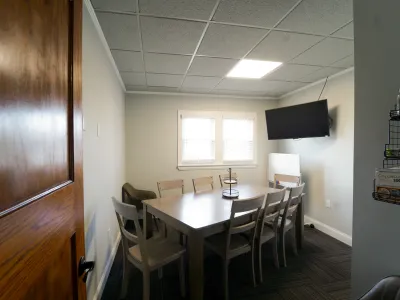

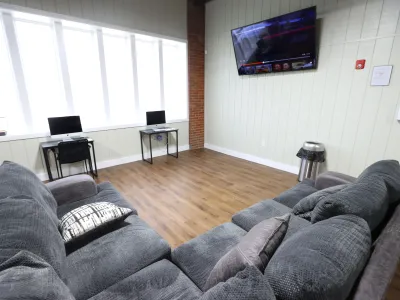
First City Recovery Center
Kokomo, Indiana
317 W Jefferson St, Kokomo, IN, 46901

Woodview Psychology Group
Indianapolis, Indiana
70 E 91st Street Suite 210, Indianapolis, IN, 46240


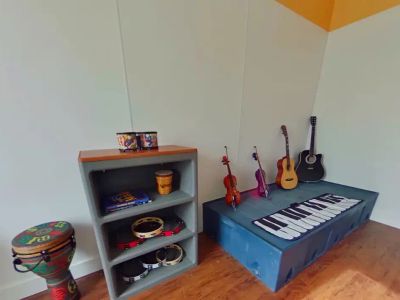
Resource Treatment Center
Indianapolis, Indiana
1404 South State Avenue, Indianapolis, IN, 46203
232 West Van Buren Street Suite 103, Columbia City, IN 46725
Ascension Medical Group St Vincent - Kokomo Primary Care
Kokomo, Indiana
188 E Southway Blvd Kokomo, IN 46902
Pinnacle Treatment Centers - 2209 John R Wooden Drive
Martinsville, Indiana
2209 John R Wooden Drive, 3rd Floor Martinsville, IN 46151
Centerstone – Pierson House
Richmond, Indiana
76 S 14th St, Richmond, IN 47374
Why Trust Indiana Rehabs
As Hoosiers helping Hoosiers, we understand the unique challenges our communities face. Our team meticulously verifies every Indiana treatment center, ensuring you find trusted, local care that truly understands your journey.
About our listingsLevels of Care
Explore popular treatment options by levels of care, from flexible treatment in Outpatient centers to intensive care in Residential rehabs.
Free · 24/7 · Confidential
Talk to a Treatment Specialist
Call now to get matched with Indiana facilities that accept your insurance.
(888) 568-9930
Free
Ins. check
4.9★
Rating
HIPAA
Protected
Can't travel to a facility?
Licensed Indiana therapists via secure video — same-week appointments, evenings & weekends available.
Watching your child wrestle with constant defiance, aggression, or breaking rules can leave you feeling deeply alone and more than a little exhausted. It’s natural to question if this is something beyond the ups and downs of growing up, quietly wondering what’s actually going on—and what you can do to make things better. The truth is, you’re not alone in this, and understanding what’s happening is the first step. There are caring, evidence-based supports for families right here in Indiana, ready to help you chart a way forward.
What is conduct disorder?
It’s a heavy question, and one that can feel scary to even ask. But getting a clear answer is the first step toward finding help for your child and peace for your family. In simple terms, conduct disorder is a mental health condition found in children and adolescents that involves a persistent pattern of behaviors that go against accepted social rules and violate the rights of others[1]. This isn't just about occasional acting out or typical teenage rebellion; it's a consistent and repetitive pattern of disruptive and often aggressive actions.
Think of it as a significant step beyond the challenges of a defiant disorder. While a child with oppositional defiant disorder (ODD) might be argumentative and defiant toward authority figures, a youth with conduct disorder often engages in more severe antisocial behavior. Their actions frequently have more serious consequences for themselves and others. It’s a condition that affects a significant number of families, with studies showing that it impacts between 2% and 10% of children and adolescents in the United States[2]. Understanding these behaviors as symptoms of a treatable condition, rather than just "bad behavior," is crucial for moving forward with empathy and effective support.
What are the symptoms of conduct disorder?
Recognizing the symptoms of conduct disorder can be tough, because some of the behaviors can look like things many kids do from time to time. The key difference is the pattern—the behaviors are more severe, they happen over and over again, and they cause real problems at home, at school, and in the community. For a diagnosis, a mental health professional will look for a persistent pattern of behavior where the basic rights of others or major age-appropriate societal norms or rules are violated[3]. These symptoms generally fall into four main categories.

Aggressive conduct
This category includes actions that cause or threaten physical harm to other people or to animals. It's more than just a shove on the playground; it's a consistent pattern of aggression in children that feels out of control.
- Often bullies, threatens, or intimidates others
- Frequently starts physical fights
- Has used a weapon that can cause serious physical harm (like a bat, brick, broken bottle, knife, or gun)
- Has been physically cruel to people
- Has been physically cruel to animals
Destructive conduct
This involves the intentional destruction of property. These aren't accidents but deliberate acts of vandalism or damage.
- Has deliberately engaged in fire setting with the intention of causing serious damage
- Has deliberately destroyed others' property (other than by fire setting)
Deceitfulness
This group of symptoms revolves around lying and theft. It goes beyond telling a small lie to avoid getting in trouble and into a pattern of dishonesty.
- Has broken into someone else's house, building, or car
- Often lies to get things, to get out of trouble, or just because they can ("cons" others)
- Has stolen items of value without confronting a victim (such as shoplifting, but without breaking and entering; or forgery)
Violation of rules or age-appropriate norms
This involves consistently breaking major rules set by parents or the community, often starting at a young age.
- Often stays out at night despite parents' rules, beginning before 13 years of age
- Has run away from home overnight at least twice while living with parents (or once without returning for a long time)
- Is often truant from school, beginning before 13 years of age
What causes conduct disorder?
If you're seeing these behaviors in your child, one of your first questions is likely, "Why is this happening?" It’s a question that comes from a place of deep concern, and it’s important to know that there’s no single, simple answer. Conduct disorder isn’t caused by any one thing, and it is never the result of a single parenting mistake. Instead, research points to a complex mix of factors that can increase a child's risk[4].
Biological and genetic factors can play a role. Some children may have a temperament that makes them more prone to aggression or less responsive to punishment. A family history of mental health conditions or substance use can also be a contributing factor. Neurological differences, particularly in the parts of the brain that manage impulses and emotions, may also be involved.
Environmental and social factors are just as critical. Growing up in a chaotic or unstable home environment, experiencing child abuse or neglect, or being exposed to violence can significantly raise the risk. Other environmental factors, like poverty and living in a high-crime neighborhood, can add to the stress a child experiences. For parents, managing these challenges can feel overwhelming, but understanding these risk factors is about recognizing the need for support, not assigning blame. Creating a supportive and stable environment is a powerful step toward healing.
How is conduct disorder diagnosed?
Getting a formal diagnosis of conduct disorder is a careful and thorough process. It’s not something that can be determined from a quick chat or a simple checklist. The journey to a diagnosis must be guided by a qualified mental health professional, such as a child psychiatrist or psychologist, who has experience working with youth with behavioral challenges.
The assessment process is comprehensive. It typically involves detailed interviews with you and your child to get a full picture of the behaviors, when they started, and how they impact daily life. The professional will also likely want to speak with your child’s teachers or other important adults in their life to understand how the behaviors show up in different settings. Standardized questionnaires and rating scales are often used to gather objective information.
A crucial part of the diagnosis is what’s known as differential diagnosis. This means the professional carefully rules out other conditions that could be causing the behaviors or identifies co-occurring conditions that need to be treated at the same time[3]. There's a significant overlap between conduct disorder and other conditions. For instance, ODD is a common precursor, and many youth with conduct disorder also have co-occurring conditions like anxiety or depression. One of the most common comorbidities is ADHD; it's estimated that about 16% to 20% of youth with conduct disorder also have attention-deficit/hyperactivity disorder (ADHD). It’s also important to distinguish conduct disorder from personality disorders. While conduct disorder in youth is a major risk factor for antisocial personality disorder in adulthood, the latter is a diagnosis reserved for individuals over 18.
How is conduct disorder treated?
When you receive a diagnosis, the next natural question is, "What can we do?" The good news is that conduct disorder is treatable, and there are several evidence-based approaches that can make a real difference for your child and your family. The most effective conduct disorder treatment plans are comprehensive, individualized, and often involve multiple types of support working together. It’s not about finding a single "cure," but about building a set of skills and supports that help your child learn new ways of thinking and behaving.
Finding the right combination of therapies can feel daunting, but you don't have to figure it out on your own. Navigating these options can be challenging. Indiana Rehabs provides a directory of vetted programs across the state to help you find the right fit for your family's needs.

Parent management training
Parent Management Training (PMT) is one of the most effective and widely recommended treatments. This approach isn't about blaming parents; it's about empowering them with new tools. PMT teaches you practical, proven strategies for encouraging positive behaviors and managing challenging ones[4]. You'll learn parenting skills focused on positive reinforcement, how to set clear and consistent limits, and ways to improve communication with your child. It helps restore a sense of calm and predictability to your home, which benefits everyone.
Cognitive behavioral skill training
While PMT focuses on the parents, Cognitive Behavioral Therapy (CBT) works directly with the child or adolescent. The goal of cognitive behavioral therapy is to help youth understand the connection between their thoughts, feelings, and actions. A therapist helps them identify the negative thought patterns that lead to destructive behaviors and teaches them new, healthier coping strategies. Key skills learned through CBT include problem-solving, anger management, impulse control, and learning to better understand social cues and the perspectives of others.
Family and Multisystemic Therapy
Since a child's behavior affects the entire family, it makes sense that treatment would involve the whole family, too. Family therapy sessions provide a safe space to improve communication, resolve conflicts, and learn to work together as a team[5]. For adolescents with more severe and complex challenges, Multisystemic Therapy (MST) is a highly effective, intensive option. MST is unique because it happens in the community—therapists work with the youth and family in their home, school, and neighborhood to address all the different environments (or systems) that influence their behavior. It’s a holistic approach that builds a strong support network around the entire family.
Medication and Other Interventions
It’s important to be clear: there is no specific medication that is FDA-approved to treat conduct disorder itself. However, medication can be a very helpful part of the overall treatment plan when a child has co-occurring conditions. For example, if a child also has ADHD, stimulant medication may be prescribed to help with impulsivity and attention. If they struggle with severe aggression or mood instability, other medications might be considered. Medication is never a standalone solution but can help manage specific symptoms, making it easier for the child to engage in and benefit from therapy. For the most severe cases, more intensive interventions like specialized school-based support or even residential treatment may be necessary to ensure safety and provide structured care.
Finding Hope and Support for Your Family in Indiana
Facing a conduct disorder diagnosis can feel overwhelming, but it's essential to remember that this is a treatable condition, not a life sentence. As we've seen, there are multiple evidence-based approaches available that can equip your child with new skills and help your family heal. The journey isn't always easy, but taking the first step is the most powerful thing you can do. Early and comprehensive intervention is crucial, as it significantly improves the long-term prognosis. Statistics show that without treatment, about 40 percent of children diagnosed with conduct disorder may go on to develop antisocial personality disorder as adults. This isn't meant to scare you, but to underscore why getting help now is so important for your child’s future.
You have the power to change that trajectory. Here in Indiana, you’re not alone. There are resources and professionals ready to stand by your side. You can explore options for mental health services in Indiana through official channels like SAMHSA's state resource page, and local institutions are actively working on these challenges, such as the ongoing behavioral health research at the IU School of Medicine. These local efforts highlight the strong community commitment to supporting youth mental health right here at home[6]. Finding the right conduct disorder treatment can change everything. Hope is real, help is available, and your family deserves to find peace and connection again.
Navigating the challenges of conduct disorder requires courage, patience, and a strong support system. Remember, these behaviors are symptoms of a complex condition, not a reflection of your child's character or your parenting. With the right, evidence-based treatment, positive change is possible. If you’re ready to explore options and find a path forward for your family in Indiana, we are here to help. You can reach out to our compassionate team by calling (888) 568-9930 or by exploring the resources on our site. At Indiana Rehabs, we believe in empowering families with the information and connections they need to heal. Please don’t hesitate to contact us today to take that first, hopeful step.
- U.S. Department of Health and Human Services. (2025). Youth mental health. HHS.gov. hhs.gov
- Centers for Disease Control and Prevention. (June, 2024). Data and statistics on children's mental health. Centers for Disease Control and Prevention. cdc.gov
- Lohr, W. D. et al. (May, 2025). Reconsidering the diagnosis of conduct disorder to reduce stigmatizing labels. American Academy of Pediatrics. publications.aap.org
- Intekhab, M. Z. A. et al. (2019). Clinical practice guidelines for the management of conduct disorder. Indian Journal of Psychiatry. pmc.ncbi.nlm.nih.gov
- Carr, A. (November, 2024). Family therapy and systemic interventions for child‐focussed problems: The current evidence base. Journal of Family Therapy. onlinelibrary.wiley.com
- Indiana State Epidemiological Outcomes Workgroup. (2024). 2024 state epidemiological profile. Indiana Family and Social Services Administration. in.gov