Rehabs for Major Depressive Disorder (MDD)
Showing 20 of 35 Results (filtered)
Featured Rehab Centers


1411 W County Line Rd, Suite 1411A, Greenwood, IN 46142


1185 County Rd 1000 W, Linton, IN 47441
Aspire Indiana Health – Next Step
Indianapolis, Indiana
2456 N Bolton Ave, Indianapolis, IN 46218
Get Personalized Rehab Matches in 60 Seconds
Tell us a few details and we’ll show a personalized shortlist of verified Indiana rehabs, making it simple to compare options and choose your next step with confidence.
Centerstone Recovery Transitional Housing
Columbus, Indiana
1680 Whitney Ct, Columbus, IN 47203
Crossroads Healing Center - Addiction & Mental Health Treatment in Indiana
Connersville, Indiana
450 Erie Ave, Connersville, IN 47331
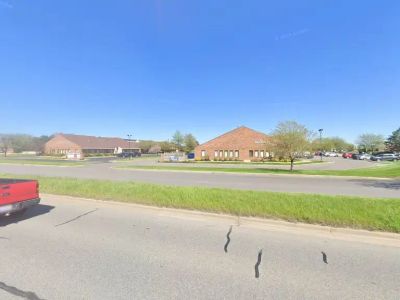


Foundations Counseling Center
Merrillville, Indiana
8973 Broadway, Merrillville, IN 46410


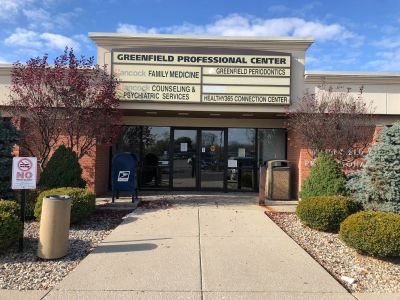
Hancock Health Connection Center
Greenfield, Indiana
120 W McKenzie Rd Suite G, Greenfield, IN 46140

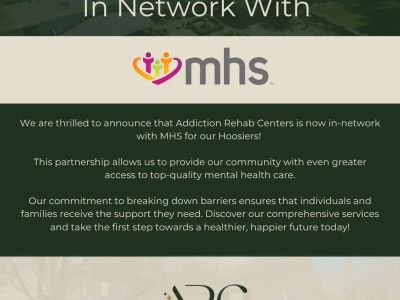
Addiction Rehab Centers - ARC | Drug & Alcohol Rehab - Addiction Treatment in Indianapolis, IN
Indianapolis, Indiana
7322 Noel Rd, Indianapolis, IN 46278

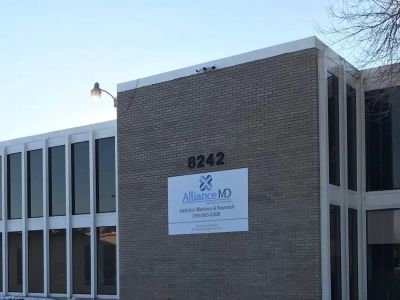

Alliance MD
Michigan City, Indiana
10176 W 400 N c, Michigan City, IN 46360



Evolve Indy
Indianapolis, Indiana
8770 Guion Rd, Indianapolis, IN, 46268



See Purpose Addiction Treatment Center Indiana
Bloomfield, Indiana
3237 IN-157, Bloomfield, IN 47424
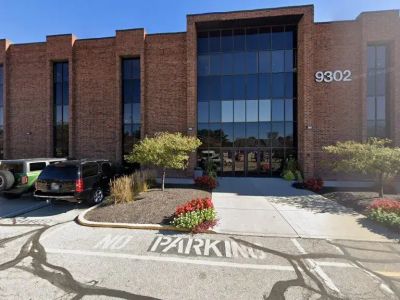


Spark Recovery - Outpatient Drug Addiction Treatment Indianapolis
Indianapolis, Indiana
9302 N Meridian St Ste 101, Indianapolis, IN 46260



Boca Recovery Center - Indiana Drug and Alcohol Rehab
Huntington, Indiana
3040 W Park Dr, Huntington, IN 46750



Cardinal Recovery
Franklin, Indiana
1130 West Jefferson St, Franklin, IN, 46131

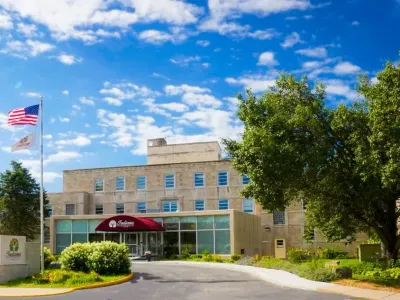

Indiana Center for Recovery - Alcohol & Drug Rehab Center Bedford
Bedford, Indiana
1600 23rd St, Bedford, IN 47421


Indiana Center for Recovery - Alcohol & Drug Rehab Center Indianapolis
Indianapolis, Indiana
5510 S Emerson Ave, Indianapolis, IN 46237


Valley Professionals Community - Health Center
Clinton, Indiana
777 South Main street, Clinton, IN, 47842


Avenues Recovery Center at Indianapolis
Indianapolis, Indiana
7960 Shadeland Ave, Indianapolis, IN 46250


Century Villa Health Care & Rehabilitation
Greentown, Indiana
705 N Meridian St, Greentown, IN 46936


Indiana Center for Recovery
Bloomington, Indiana
1004 West 1st Street, Bloomington, IN, 47403
Why Trust Indiana Rehabs
As Hoosiers helping Hoosiers, we understand the unique challenges our communities face. Our team meticulously verifies every Indiana treatment center, ensuring you find trusted, local care that truly understands your journey.
About our listingsLevels of Care
Explore popular treatment options by levels of care, from flexible treatment in Outpatient centers to intensive care in Residential rehabs.
Does finding joy in everyday activities feel like a distant memory, like laughter, music, or even the warmth of sunlight can't quite reach you? That sense of isolation depression brings can make it seem as if you’re facing it all by yourself. But even when hope feels out of sight, there are real paths toward recovery and caring professionals here in Indiana ready to walk alongside you every step of the way.
What is depression?
When we talk about major depression, or what doctors call Major Depressive Disorder (MDD), we're not just talking about feeling sad. We all have days when we feel down or overwhelmed by grief, and that's a normal part of being human. But clinical depression is different. It's a persistent and treatable medical condition that casts a shadow over your entire life, affecting how you feel, think, and handle daily activities. It can change your mood, your energy levels, and even your physical health.
It’s important to know that what you're feeling is not a sign of weakness or something you can just "snap out of." It’s a genuine health issue, just like diabetes or heart disease. And you are far from alone in this. In the United States, an estimated 21 million adults, about 8.3% of the population, have experienced at least one major depressive episode[1]. Here in Indiana, thousands of our neighbors are navigating the same challenges[2]. Understanding that this is a recognized depressive disorder is the first step toward finding a path forward.
What are the symptoms of depression?
Depression feels different for everyone, but it shares a set of common symptoms that go beyond sadness. A key sign is a loss of interest or pleasure in activities you once enjoyed, a feeling known as anhedonia. It can feel like the color has been drained from your life. A mental health professional looks for these and other signs that have been present for at least two weeks.
A special note for your safety: If you are having thoughts of harming yourself, please don’t wait. You can connect with immediate, confidential support by calling or texting the 988 Suicide & Crisis Lifeline at any time.
The signs of depression often fall into a few categories:
- Emotional Symptoms: This is what most people think of first. It includes a persistent feeling of sadness, emptiness, or hopelessness. You might also feel anxious, irritable over small things, or have feelings of guilt and worthlessness that don't seem to go away.
- Behavioral Symptoms: You might notice that you've withdrawn from friends and family or stopped participating in hobbies. Some people experience restlessness or slowed movements and speech. Sadly, depression is a major risk factor for suicide, with a significant number of people with MDD contemplating it[3].
- Cognitive Symptoms: Depression can make it incredibly hard to concentrate, remember details, or make decisions. It can feel like your brain is in a fog, making even simple tasks feel monumental.
- Physical Symptoms: The mind and body are connected, and depression often brings physical signs. This can include significant changes in appetite or weight, sleeping too much or too little (insomnia), and a constant feeling of fatigue or having no energy. You might also experience unexplained aches, pains, or headaches[1].
How is depression diagnosed?
Figuring out if you have depression isn’t like a simple blood test. There’s no single exam that can give a definite answer. Instead, a diagnosis comes from a careful and comprehensive evaluation by a healthcare provider, like your family doctor or a mental health professional. They take the time to listen and understand the full picture of what’s been going on.
The process usually involves a few key steps:
- Physical Exam and History: Your doctor will likely start with a physical check-up and ask about your personal and family medical history. This helps them see if there might be an underlying medical condition causing your depressive symptoms. Sometimes, issues like a thyroid problem can mimic depression.
- Lab Tests: While blood tests can't detect depression itself, they can help rule out other conditions. Your doctor might check your thyroid function or vitamin levels to make sure everything is in order.
- Psychological Evaluation: This is the core of the diagnosis. A therapist, psychologist, or psychiatrist will talk with you about your thoughts, feelings, and behaviors. They'll ask about your symptoms, how long you've had them, and how they're affecting your life. They use criteria from the Diagnostic and Statistical Manual of Mental Disorders (DSM-5) to determine if your experience fits the diagnosis for a major depressive disorder[4].
What causes depression?
There's no single cause of depression. For most people, it's a combination of factors that come together to create the conditions for a depressive disorder to develop. Think of it less like a single switch being flipped and more like a storm gathering from different directions.
Here are some of the key contributing factors:
- Brain Chemistry and Structure: Your brain uses chemicals called neurotransmitters to communicate between cells. When certain chemicals, like serotonin and dopamine, are out of balance, it can affect your mood and emotional regulation. Research also suggests that the brain structure in people with depression may be different in areas related to mood and memory[1].
- Genetics and Family History: Depression can run in families. If you have a close relative who has experienced depression, you may have a higher genetic risk of developing it yourself. This doesn't mean you're destined to have it, but it's a known risk factor.
- Stressful Life Events or Trauma: Experiencing trauma, the loss of a loved one, a difficult relationship, or major financial stress can trigger depression in some people. When you're under long-term stress, your body produces more of the stress hormone cortisol, which can disrupt your brain's delicate chemical balance.
- Co-occurring Conditions: Sometimes, depression appears alongside other serious medical conditions like cancer or heart disease. It can also be linked with substance use, where someone might use drugs or alcohol to cope with their feelings, which in turn can make depression worse.
How is depression treated?
If you're diagnosed with depression, please know there is so much hope for recovery. Finding the right major depression treatment can feel like finding the right key to unlock a door, and it often involves a combination of approaches tailored just for you. The most effective treatment plans usually blend psychotherapy, medication, and supportive lifestyle changes. It can take a little time to find what works best, but the effort is worth it. In fact, approximately 80% to 90% of people who seek treatment for depression eventually feel much better[1]. In Indiana, all licensed behavioral health providers are held to high standards to ensure you receive quality care[5].
Psychotherapy
Psychotherapy, often called "talk therapy," is a cornerstone of depression treatment. It provides a safe, confidential space where you can work with a trained therapist to understand what you're going through. The goal is to identify unhealthy thought patterns and behaviors, process difficult emotions, and develop new coping skills. Two of the most effective types of psychotherapy for depression are:
- cognitive behavioral therapy (CBT): This approach helps you recognize and challenge negative thought cycles. The idea is that our thoughts, feelings, and actions are all connected. By changing how you think about a situation, you can change how you feel and react. cognitive behavioral therapy gives you practical tools to manage your symptoms day-to-day.
- Interpersonal Therapy (IPT): This therapy focuses on your relationships with others and how they impact your mental health. It can help you resolve conflicts, navigate social situations, and improve your communication skills, which can relieve the strain that depression often puts on personal connections.
Medications
For many people, antidepressant medications are a vital tool for recovery. They work by helping to rebalance the natural chemicals in your brain that regulate mood. It's important to understand that these aren't "happy pills" or a quick fix. Instead, they can lift the fog of depression enough for you to fully engage in psychotherapy and make lifestyle changes. These medications must be prescribed and monitored by a medical doctor or psychiatrist. It can sometimes take a few weeks to feel the full effects, and you might need to try more than one type to find the one that's right for you.
Selective Serotonin Reuptake Inhibitors for Major Depressive Disorder
When it comes to medications, one of the most common and effective classes is Selective Serotonin Reuptake Inhibitors, or SSRIs. They are often the first choice for doctors because they work well for many patients and generally have fewer side effects than older antidepressants. SSRIs work by increasing the level of serotonin, a key mood-regulating neurotransmitter, in the brain. By blocking its reabsorption (or "reuptake"), more serotonin is available to help brain cells send and receive messages, which can lead to a better and more stable mood.
Other treatment options
When depression doesn't respond to standard treatments like therapy and medication, it's known as treatment-resistant depression. But even then, there is still hope. Advanced therapies are available that can make a significant difference. These are safe, medically supervised procedures used when other methods haven't provided enough relief.
- Electroconvulsive Therapy (ECT): While it has a complicated history in movies, modern ECT is a safe and highly effective procedure for severe depression. It's performed under general anesthesia and involves brief, controlled electrical stimulation of the brain.
- transcranial magnetic stimulation (TMS): TMS is a non-invasive procedure that uses magnetic fields to stimulate nerve cells in the brain involved in mood control. You are awake during the short sessions, and it has very few side effects.
- Esketamine Nasal Spray: This is a newer medication derived from ketamine that is administered as a nasal spray in a certified doctor's office. It can provide rapid relief for some people with treatment-resistant depression.
Lifestyle and home remedies
While professional treatment is essential, certain lifestyle adjustments can play a powerful supporting role in your recovery. Think of these as ways to build a stronger foundation for your mental health. These are not replacements for therapy or medication, but they can make a real difference when used alongside them.
- Regular Exercise: Physical activity is a potent mood booster. Even a 30-minute walk each day can release endorphins, reduce stress, and improve sleep.
- A Balanced Diet: What you eat affects your brain. Focusing on whole foods like fruits, vegetables, and lean proteins can support stable energy levels and mood.
- Consistent Sleep: Depression can disrupt sleep, and poor sleep can worsen depression. Aim for a regular sleep schedule, create a relaxing bedtime routine, and make your bedroom a calm, screen-free zone.
- Mindfulness and Relaxation: Practices like meditation, deep breathing, or yoga can help ground you in the present moment and quiet the storm of negative thoughts.
- Building Support: Isolation fuels depression. Make an effort to connect with trusted friends or family, or consider joining a support group to share your experiences with others who understand.
Find Major Depression Treatment in Indiana
Finding the right help is a crucial step, and here in Indiana, you have options. The kind of care you need depends on the severity of your symptoms and your personal situation. It’s all about finding the right fit for your recovery journey.
Here are the different levels of care you can find locally:
- Outpatient Therapy: This is the most common form of treatment. You meet with a therapist, counselor, or psychiatrist for regular sessions, typically once a week. It allows you to continue with your daily life while getting consistent support.
- Intensive Outpatient Programs (IOP): If you need more support than weekly therapy, an IOP offers a more structured approach. You'll attend therapy sessions for a few hours a day, several days a week, focusing on group therapy, individual counseling, and skills-building.
- Inpatient or Residential Treatment: For those with severe depression or who are at risk of harming themselves, inpatient care provides a safe, 24/7 therapeutic environment. You live at the facility for a period of time to focus completely on your health and recovery.
We've made it easier to find the right support near you. You can use our directory to look for depression treatment facilities in Indiana. You can filter your search by location, the type of care you need, and even by your insurance provider to find a mental health professional who fits your needs. Many programs offer specialized services like CBT or medication management to ensure you get the targeted care you deserve.
Preparing for your appointment
Taking the first step to schedule an appointment is a huge act of courage. To make that first visit as productive as possible, a little preparation can go a long way. It helps you take an active role in your own care and ensures you and your healthcare provider are on the same page from the start. You can also explore our guide on what to expect during a mental health assessment.
Here’s a simple checklist to help you get ready:
- Write down your symptoms. Make a list of everything you've been feeling, both emotionally and physically. Note when they started and what seems to make them better or worse. Don't worry about sounding "right", just be honest.
- List all medications. Include any prescriptions, over-the-counter drugs, vitamins, or supplements you are taking. Dosage information is helpful, too.
- Jot down key personal information. Think about any major life changes or stressors you've recently experienced.
- Prepare a list of questions. It's easy to forget things in the moment. Write down questions you have for the provider, such as what type of treatment they recommend, what the side effects of medications might be, or how long it might take to feel better.
Remember, that first conversation is just the beginning of a partnership focused on your well-being. It's okay to feel nervous, but you're moving toward a brighter place. Recovery is not just possible; it's what you deserve. Taking this step is a sign of incredible strength. If you need help finding the right care or just want to talk to someone who understands, our team at Indiana Rehabs is here for you. Give us a call at (888) 568-9930 or reach out to us online. You don't have to do this alone.
Frequently Asked Questions About Major Depression Treatment in Indiana
How much does depression treatment cost in Indiana?
How do I choose the right depression treatment program in Indiana?
What is the difference between a psychiatrist and a psychologist?
Can depression be cured permanently?
Do I need medication for depression?
What is TMS therapy for depression?
- National Institute of Mental Health. (2023). Major depression. National Institute of Mental Health. nimh.nih.gov
- Indiana Family and Social Services Administration. Regional mental health and suicide trends in Indiana. Indiana Family and Social Services Administration. in.gov
- National Alliance on Mental Illness. (2025). Mental health by the numbers. National Alliance on Mental Illness. nami.org
- Centers for Medicare & Medicaid Services. (10-31-2019). Billing and coding: Psychiatry and psychology services. Centers for Medicare & Medicaid Services. cms.gov
- U.S. Department of Health & Human Services. (2021). INDIANA | State residential treatment for behavioral health. Office of the Assistant Secretary for Planning and Evaluation. aspe.hhs.gov