
Rehabs for Insomnia Disorder

Showing 9 of 9 Results (filtered)
Featured Rehab Centers



Boca Recovery Center - Indiana Drug and Alcohol Rehab
Huntington, Indiana
3040 W Park Dr, Huntington, IN 46750



Indiana Center for Recovery - Alcohol & Drug Rehab Center Bedford
Bedford, Indiana
1600 23rd St, Bedford, IN 47421
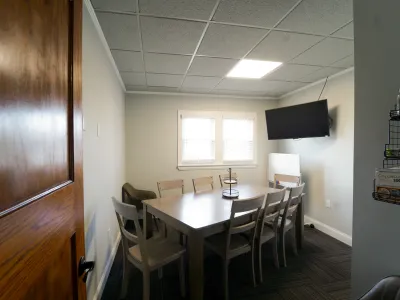

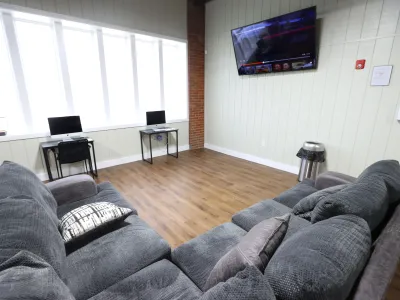
First City Recovery Center
Kokomo, Indiana
317 W Jefferson St, Kokomo, IN, 46901
Get Personalized Rehab Matches in 60 Seconds
Tell us a few details and we’ll show a personalized shortlist of verified Indiana rehabs, making it simple to compare options and choose your next step with confidence.



Radiant Health - Hester Hollis Concern Center
Hartford City, Indiana
118 East Washington street, Hartford City, IN, 47348
Radiant Health - Hands of Hope
Marion, Indiana
1652 W Third St Marion, IN 46952
Pinnacle Treatment Centers - 2209 John R Wooden Drive
Martinsville, Indiana
2209 John R Wooden Drive, 3rd Floor Martinsville, IN 46151
Radiant Health - North Marion
Marion, Indiana
505 North Wabash Avenue, Marion, IN, 46952
Centerstone – Pierson House
Richmond, Indiana
76 S 14th St, Richmond, IN 47374
Radiant Health - Hartford City
Hartford City, Indiana
410 Pilgrim Blvd. Suite 100 Hartford City, Indiana 47348
Why Trust Indiana Rehabs
As Hoosiers helping Hoosiers, we understand the unique challenges our communities face. Our team meticulously verifies every Indiana treatment center, ensuring you find trusted, local care that truly understands your journey.
About our listingsLevels of Care
Explore popular treatment options by levels of care, from flexible treatment in Outpatient centers to intensive care in Residential rehabs.
Free · 24/7 · Confidential
Talk to a Treatment Specialist
Call now to get matched with Indiana facilities that accept your insurance.
(888) 568-9930
Free
Ins. check
4.9★
Rating
HIPAA
Protected
Can't travel to a facility?
Licensed Indiana therapists via secure video — same-week appointments, evenings & weekends available.
You’re lying there in the dark, the sound of cicadas humming through an Indiana summer night, but sleep just won’t come. Maybe you watch the shadows shift across your ceiling, feeling the weight of exhaustion and the sting of being the only one awake in a quiet house. If this feels all too familiar, you’re far from alone, and there are real, proven ways here in Indiana to help you reclaim peaceful nights and brighter mornings, one step at a time.
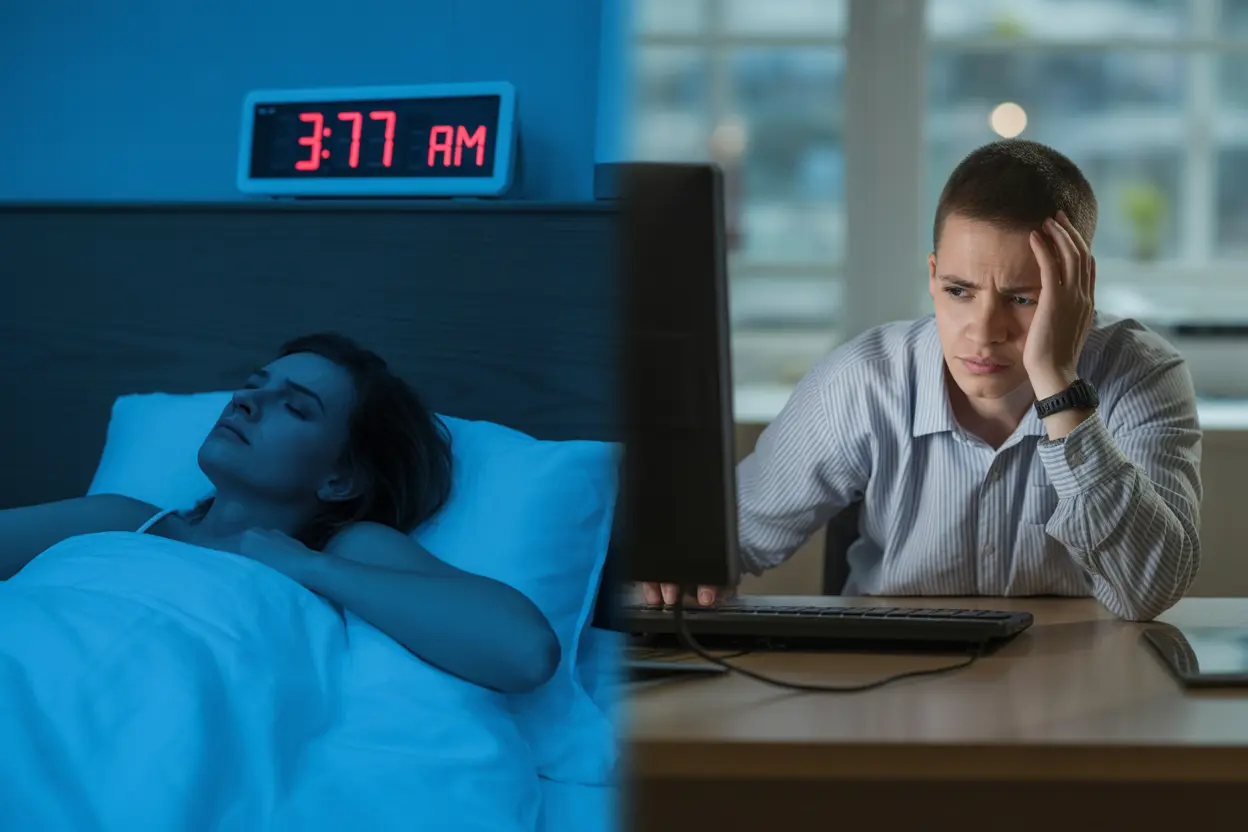
What is insomnia?
At its core, insomnia is a common sleep disorder that makes it hard to fall asleep, stay asleep, or causes you to wake up too early and not be able to get back to sleep. It’s more than just a single restless night; it’s a persistent pattern that drains your energy, mood, and ability to function during the day.
While many of us have experienced a rough night’s sleep, not every case is considered a disorder. In fact, while nearly one in three adults report having symptoms of insomnia, only about 10% meet the full criteria for an insomnia disorder[1]. Understanding the difference often comes down to how long it lasts and how often it happens.
There are two main types of the condition:
- Acute Insomnia: This is short-term and often brought on by a specific life event, like a stressful exam, a job interview, or receiving bad news. It can last for a few days or weeks but usually resolves on its own once the stressor is gone.
- Chronic Insomnia: This is a long-term pattern of sleep difficulty. It’s defined as having trouble sleeping at least three nights per week for three months or longer. Chronic insomnia doesn’t just go away and often requires treatment to address underlying causes and retrain your sleep patterns.
Whether it’s acute or chronic, the impact is real. The good news is that effective treatments are available to help you find restful sleep again.
Symptoms and Causes
Insomnia isn't just about being awake at night; its effects ripple into your daytime life, creating a cycle that can be hard to break. Recognizing the symptoms is the first step toward understanding what’s going on. They typically fall into two categories.
Nighttime Symptoms:
- Difficulty falling asleep despite being tired
- Waking up often during the night
- Trouble returning to sleep after waking up
- Waking up much earlier than you want to
- Relying on alcohol or medication to fall asleep
Daytime Symptoms:
- Feeling tired or groggy upon waking
- Fatigue and low energy throughout the day
- Irritability, mood swings, or impatience
- Problems with concentration, memory, or focus
- Increased errors or accidents
- Ongoing worries about sleep
So, what causes this frustrating condition? The reasons can be complex and are often intertwined. They usually stem from a combination of psychological, medical, and lifestyle factors[2].
- Psychological Factors: For many Hoosiers, the root of insomnia is related to mental health. High levels of stress, whether from work, family, or finances, can keep your mind racing at night. Anxiety is another major contributor, trapping you in a cycle of worry that makes sleep feel impossible. It’s also very common for insomnia to co-occur with depression, as the two conditions can feed into each other.
- Medical Conditions: Sometimes, an underlying health issue is the culprit. Conditions that cause physical discomfort, like chronic pain from arthritis or an old injury, can make it difficult to get comfortable. Other medical issues include sleep apnea (where breathing repeatedly stops and starts), restless legs syndrome, thyroid problems, and hormonal shifts during menopause.
- Lifestyle Habits: Our daily routines and habits play a huge role in our sleep quality. An irregular sleep schedule, taking long naps late in the day, or using your bed for activities like working or watching TV can confuse your body’s internal clock. Consuming stimulants like caffeine or nicotine too close to bedtime can also interfere with sleep, as can drinking alcohol, which might make you drowsy at first but often disrupts sleep later in the night.
How is insomnia diagnosed?
If you suspect you have insomnia, the first step is to talk with a healthcare provider. Getting a proper diagnosis is key to finding the right treatment, and the process is usually straightforward. It starts with a conversation.
Your doctor will likely begin by performing a physical exam and asking detailed questions about your medical history and sleep patterns. They’ll want to know when your sleep problems started, how often they occur, and how they affect your daily life. Be prepared to talk about your daily routines, stress levels, and any medications or substances you use.
To get a clearer picture of your sleep habits, your provider may ask you to keep a sleep diary for a week or two. This is a simple but powerful tool where you’ll track:
- What time you go to bed and get up
- Roughly how long it takes you to fall asleep
- How many times you wake up during the night
- How long you’re awake when you do wake up
- When you take naps and for how long
- Your daily caffeine and alcohol intake
- What you did before bed (e.g., watched TV, read a book)
In some cases, if your doctor suspects another underlying sleep disorder like sleep apnea, they might recommend a sleep study, also known as polysomnography. This test is typically done overnight at a sleep center. While you sleep, sensors monitor your brain waves, breathing, heart rate, and body movements[3]. However, for most cases of insomnia, a diagnosis can be made without a sleep study. A thorough discussion and a sleep diary often provide all the information needed for a proper assessment.
Management and Treatment
Once you have a diagnosis, you can start exploring options for insomnia treatment. The great thing is that insomnia is highly treatable, and finding the right approach can make a world of difference. Treatment is rarely one-size-fits-all; it’s about creating a personalized plan that addresses the root causes of your sleep problems.
While many people think of sleeping pills first, leading medical organizations like the American Academy of Sleep Medicine actually recommend a different starting point[4]. The gold-standard approach is a powerful, non-medication therapy called cognitive behavioral therapy for insomnia (CBT-I). It’s often combined with lifestyle changes and, in some cases, medication to create a comprehensive plan.
Cognitive behavioral therapy for insomnia (CBT-I)
CBT-I is a structured, evidence-based program that helps you identify and change the thoughts and behaviors that are sabotaging your sleep. Instead of just masking the symptoms, it gets to the root of the problem. A therapist trained in CBT-I will guide you through several core components, including Cognitive Therapy, where you learn to challenge and reframe negative thoughts about sleep (like "I'll never fall asleep"). Stimulus Control Therapy helps you re-associate your bed and bedroom with sleep and intimacy only, strengthening the connection between being in bed and feeling sleepy. Finally, Sleep Restriction Therapy temporarily limits your time in bed to the actual amount of time you are sleeping, which helps consolidate sleep and make it more efficient.
Medications for Insomnia
Medication can be an effective short-term solution for insomnia, especially during a period of acute stress. Several classes of prescription medications are available, including benzodiazepine receptor agonists and orexin receptor antagonists. In some cases, certain antidepressants with sedative effects may be prescribed. However, these medications are typically recommended for short-term use due to the risk of side effects and dependency.
Over-the-counter options like antihistamines or supplements such as melatonin are also widely used. While they can be helpful for some, it’s crucial to talk with a doctor before starting any new medication or supplement. A provider can help with medication management to ensure it's a safe choice for you and won't interact with other medications you’re taking.
Lifestyle and home remedies
Improving your daily habits, often called "sleep hygiene," can have a profound impact on your sleep quality. These changes are foundational to any insomnia treatment plan. Here are some actionable tips:
- Stick to a schedule: Go to bed and wake up at the same time every day, even on weekends. This helps regulate your body's internal clock.
- Create a relaxing routine: Wind down for 30-60 minutes before bed with calming activities like reading a book, taking a warm bath, or listening to quiet music.
- Optimize your bedroom: Make sure your bedroom is dark, quiet, and cool. Blackout curtains, earplugs, or a white noise machine can help.
- Avoid stimulants before bed: Steer clear of caffeine, nicotine, and alcohol in the hours leading up to bedtime. Avoid large meals as well.
- Get regular exercise: Daily physical activity can promote better sleep, but try to avoid intense workouts too close to bedtime.
Alternative medicine
Some people find relief through complementary and alternative medicine approaches. Practices like meditation, mindfulness, and yoga can help calm the mind and relax the body, making it easier to fall asleep. Other therapies, such as acupuncture or tai chi, are also explored by some for their potential benefits in promoting relaxation and improving sleep.
Herbal supplements like valerian root or chamomile are sometimes used, but their effectiveness can vary, and they aren’t regulated by the FDA. As with any treatment, it's essential to discuss these options with your healthcare provider to make sure they are safe and appropriate for you.
Finding Insomnia Treatment in Indiana

If insomnia is consistently affecting your health, work, or overall quality of life, it’s time to see your healthcare provider. You don’t have to "tough it out" alone. In Indiana, you have several avenues for getting help. Your primary care doctor is a great place to start. They can rule out underlying medical causes and may even be able to provide initial treatment. For more specialized care, they might refer you to a psychologist, psychiatrist, or a board-certified sleep specialist, all of whom are licensed to provide mental health services in the state[5].
Finding the right professional can feel overwhelming, but resources are available to simplify the search. You can look for providers who specialize in insomnia and offer evidence-based treatments. For example, when searching for care, you can often filter your results for therapists specifically trained in "CBT-I" to ensure you’re getting the most effective therapy for chronic insomnia. You can also find help from local organizations like Mental Health America of Indiana, which offers resources and support.
Don't forget to consider your insurance coverage and the logistics of care. Many providers in Indiana now offer telehealth appointments, making it easier than ever to access specialized treatment from the comfort of your home. Using filters for your specific insurance plan and for "telehealth" can help you quickly narrow down a list of qualified, accessible providers who are ready to help you on your journey to better sleep.
Take the Next Step Toward Better Sleep

The core message to take away is this: insomnia is a common and highly treatable medical condition. You are not alone in this struggle, and you don’t have to navigate it by yourself. From powerful behavioral therapies like CBT-I to simple lifestyle adjustments and, when needed, medication, there are many effective paths to recovery.
Feeling exhausted and hopeless after countless sleepless nights is understandable, but real help is available right here in Indiana. The journey to restful sleep starts with a single step. Whether it’s talking to your doctor, exploring local resources online, or reaching out to a support group like the National Alliance on Mental Illness (NAMI), taking that first action can set you on a path toward brighter mornings and a healthier, more energized life.
You deserve to feel rested and well. The path to better sleep is within reach, and a team of compassionate professionals can guide you. If you’re ready to explore your options for insomnia treatment, the team at Indiana Rehabs is here to help you find the resources you need. You can also give us a call at (888) 568-9930 to discuss treatment options or visit our contact page to get started. Taking this step is a powerful move toward reclaiming your nights and your well-being.
Frequently Asked Questions About Insomnia Treatment in Indiana
What is the best treatment for insomnia?
Is insomnia a mental illness?
Can insomnia be cured?
Can you have insomnia and still feel rested?
- Boersma, P., Black, L.I., & Vahratian, A. (2022-06-22). Sleep Difficulties in Adults: United States, 2020. National Center for Health Statistics. cdc.gov
- Vaughn, C., Gnoni, M., & Sajeer, K. (2023-06-11). Sleep Disorder. StatPearls Publishing. ncbi.nlm.nih.gov
- (2017-02-16). LCD - Polysomnography and Other Sleep Studies (L36839). Centers for Medicare & Medicaid Services. cms.gov
- (n.d.). American Academy of Sleep Medicine. American Academy of Sleep Medicine. aasm.org
- (2020-07-14). Certification and Licensure Rules and Indiana Code. Indiana Family and Social Services Administration. in.gov