
Obsessive Compulsive Disorder (OCD) Treatment in Indiana



Showing 20 of 40 Results (filtered)
Featured Rehab Centers


1411 W County Line Rd, Suite 1411A, Greenwood, IN 46142

Parkview Health - Decatur Office
Decatur, Indiana
809 High Street, Decatur, IN, 46733



1185 County Rd 1000 W, Linton, IN 47441
Get Personalized Rehab Matches in 60 Seconds
Tell us a few details and we’ll show a personalized shortlist of verified Indiana rehabs, making it simple to compare options and choose your next step with confidence.

Crossroads Healing Center - Addiction & Mental Health Treatment in Indiana
Connersville, Indiana
450 Erie Ave, Connersville, IN 47331

Foundations Counseling Center
Merrillville, Indiana
8973 Broadway, Merrillville, IN 46410


Indiana Center For Recovery- Alcohol & Drug Rehab Terre Haute
Terre Haute, Indiana
135 E Hospital Ln, Terre Haute, IN 47802



Boca Recovery Center - Indiana Drug and Alcohol Rehab
Huntington, Indiana
3040 W Park Dr, Huntington, IN 46750


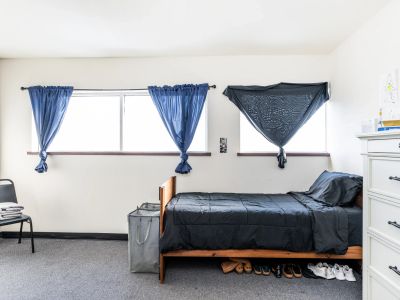
Cardinal Recovery
Franklin, Indiana
1130 West Jefferson St, Franklin, IN, 46131



Indiana Center for Recovery - Alcohol & Drug Rehab Center Bedford
Bedford, Indiana
1600 23rd St, Bedford, IN 47421



Avenues Recovery Center at Indianapolis
Indianapolis, Indiana
7960 Shadeland Ave, Indianapolis, IN 46250

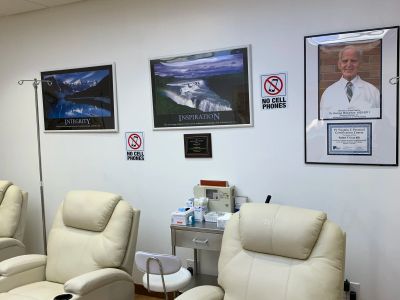

Kentuckiana Integrative Medicine
Jeffersonville, Indiana
405 E Court Ave #102, Jeffersonville, IN 47130
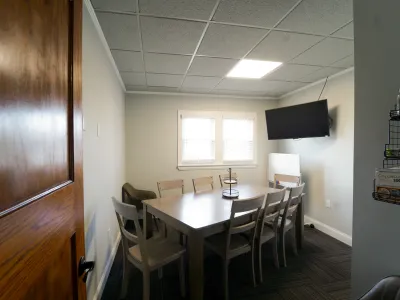


First City Recovery Center
Kokomo, Indiana
317 W Jefferson St, Kokomo, IN, 46901

Woodview Psychology Group
Indianapolis, Indiana
70 E 91st Street Suite 210, Indianapolis, IN, 46240


Southern Hills Counseling Center - Rockport
Rockport, Indiana
107 North 2nd street, Rockport, IN, 47635



Willowstone Family Services
Lafayette, Indiana
615 N 18th St Ste101, Lafayette, IN 47904



LifeSpring Health Systems - Washington County Office
Salem, Indiana
1321 South Jackson Street, Salem, IN, 47167

Family Service Society - Marion
Marion, Indiana
101 South Washington Street, Marion, IN 46952



LifeSpring Health Systems - Turning Point Center
Jeffersonville, Indiana
1060 Sharon Drive, Jeffersonville, IN, 47130


Northeastern Center Noble County Office - Kendallville
Kendallville, Indiana
1930 East Dowling Street, Kendallville, IN 46755
232 West Van Buren Street Suite 103, Columbia City, IN 46725
Why Trust Indiana Rehabs
As Hoosiers helping Hoosiers, we understand the unique challenges our communities face. Our team meticulously verifies every Indiana treatment center, ensuring you find trusted, local care that truly understands your journey.
About our listingsLevels of Care
Explore popular treatment options by levels of care, from flexible treatment in Outpatient centers to intensive care in Residential rehabs.
Free · 24/7 · Confidential
Talk to a Treatment Specialist
Call now to get matched with Indiana facilities that accept your insurance.
(888) 568-9930
Free
Ins. check
4.9★
Rating
HIPAA
Protected
Can't travel to a facility?
Licensed Indiana therapists via secure video — same-week appointments, evenings & weekends available.
Does it ever feel like your mind is stuck on a loop you can't turn off, those relentless worries or rituals that pull you out of the moments you want to be present for? Living with OCD can feel a bit like pacing the same hallway, searching for an exit that always seems just out of reach. If this sounds familiar, know that you’re seen and you’re not alone. There are real, practical steps you can take to break free from this cycle, and effective support is closer than you might think, right here in Indiana.
What is obsessive-compulsive disorder (OCD)?
At its core, obsessive-compulsive disorder (OCD) is a mental health condition that traps people in a cycle of unwanted thoughts and repetitive behaviors. Think of it like a smoke alarm that’s supposed to protect you but is far too sensitive. It goes off even when there’s no fire, and you can’t seem to turn it off. The constant blaring is the obsession, and the frantic things you do to try to silence it are the compulsions.
It’s important to understand that OCD isn’t a personality quirk or a character flaw; it's a recognized medical condition that is completely treatable with the right support. You aren't choosing to have these thoughts, and you aren't "just worrying too much." This condition affects millions of people from all walks of life. In fact, it's estimated that obsessive-compulsive disorder impacts between 1.6% and 2.3% of the U.S. population at some point in their lives[1]. Understanding the two key parts of OCD, obsessions and compulsions, is the first step toward finding relief.
Obsessions in OCD
Obsessions are the intrusive and unwanted thoughts, images, or urges that pop into your mind and cause a great deal of anxiety and distress. They feel sticky and persistent, refusing to leave no matter how hard you try to push them away. A key feature of these obsessions is that they don’t align with your true beliefs or values, which is why they feel so distressing. You know they don’t make sense, but you can’t shake them. Common themes of obsessions include:
- Fears about germs, dirt, or contamination
- A strong need for things to be symmetrical, orderly, or "just right"
- Unwanted and disturbing thoughts about aggression, sex, or religion
- Excessive doubt and a fear of making a mistake or causing harm
Compulsions in OCD
Compulsions are the other half of the cycle. They are repetitive behaviors or mental acts that you feel driven to perform to try to ease the anxiety caused by an obsession. The compulsion is a direct response to the unwanted thought, an attempt to prevent a feared outcome or simply to make the anxiety go away. However, any relief you feel is temporary, and the obsessive thoughts soon return, demanding the ritual all over again. Common compulsions include:
- Excessive hand washing, showering, or cleaning
- Ordering, arranging, or evening things out until they feel perfect
- Repeatedly checking locks, appliances, or that you haven't made a mistake
- Mental rituals like counting, repeating words silently, or praying to cancel out a "bad" thought
Symptoms and Causes
Understanding the cycle of obsessions and compulsions is the first step, but it naturally leads to deeper questions: Why does this happen? And how do you know for sure if it’s OCD? While the exact cause of obsessive-compulsive disorder isn't fully understood, researchers believe it stems from a combination of factors working together. It’s not one single thing, but rather a mix of your genetics, brain chemistry, and life experiences that can set the stage for these symptoms to appear.

Figuring out the "why" can help demystify the condition and is a key part of the diagnostic process. Getting a clear diagnosis from a professional is crucial because it opens the door to effective, evidence-based treatments that are specifically designed to break the OCD cycle.
What causes OCD?
While we don’t have one definitive answer, science points to a few key areas that likely contribute to the development of OCD. First, there are biological factors. OCD often runs in families, suggesting that there’s a genetic component at play. If you have a close relative with OCD, your risk of developing it is higher. Research also points to differences in brain structure and functioning. Brain imaging studies have shown that people with OCD may have different activity levels in certain parts of the brain, particularly the frontal cortex and deeper structures that are involved in decision-making and emotional regulation[2]. The brain’s serotonin system, which acts as a chemical messenger, also appears to play a significant role. Finally, environmental factors can contribute. For some people, stressful life events or trauma can trigger the onset of OCD symptoms, especially if they are already genetically predisposed to the condition.
How is OCD diagnosed?
Receiving an accurate diagnosis is the critical next step. The process typically starts by consulting with a mental health professional, like a psychologist or psychiatrist, who has experience with OCD. They will conduct a thorough psychological evaluation, which is really just a structured conversation where you’ll talk about your thoughts, feelings, behaviors, and symptoms. They’ll want to understand what you’re experiencing in your daily life and how it’s affecting you.
To make a formal diagnosis, clinicians use the criteria outlined in the Diagnostic and Statistical Manual of Mental Disorders (DSM-5). According to the DSM-5, a diagnosis of OCD requires the presence of obsessions, compulsions, or both. These obsessions or compulsions must be time-consuming (taking up more than an hour a day) or cause significant distress and impairment in important areas of your life, like work, school, or relationships. A professional can help distinguish the symptoms of OCD from other conditions and create a treatment plan tailored to you.
Psychotherapy
When it comes to treating OCD, psychotherapy, often called "talk therapy," is the foundation of recovery. It’s where you learn practical skills to manage your thoughts and behaviors in a new way. However, it's incredibly important to know that not all therapy is created equal for OCD. General counseling that simply focuses on talking about your anxiety might not be effective and can sometimes even make symptoms worse. For real progress, you need a specialized approach that directly targets the mechanics of the OCD cycle. The most proven and effective form of therapy for obsessive-compulsive disorder is a specific type of cognitive behavioral therapy (CBT).
Cognitive behavioural therapy (CBT) with Exposure and response prevention (ERP)
The gold standard for treating OCD is a therapy called exposure and response prevention, or ERP[3]. ERP is a highly effective form of cognitive behavioral therapy (CBT) that gets right to the heart of the problem. It has two main parts:
- Exposure: This involves working with a therapist to gradually and systematically face the thoughts, objects, or situations that trigger your obsessions and anxiety. It’s done in a controlled and supportive way, starting with things that are only mildly anxiety-provoking and slowly building up to more challenging triggers.
- Response Prevention: This is the crucial second half. As you face your triggers during exposure, you make a commitment to not engage in the compulsive behavior that you would normally use to reduce your anxiety.
Let's use a simple example. If you have a fear of contamination, an exposure exercise might involve touching a doorknob. The response prevention part would be resisting the urge to wash your hands for a set period of time. It sounds incredibly difficult, and it can be challenging at first. But the goal of exposure and response prevention is to teach your brain a new lesson: that the anxiety will eventually decrease on its own, without you needing to perform the compulsion. You learn that your feared outcomes don't actually happen and that you can tolerate the feeling of anxiety until it fades. Over time, this process breaks the powerful link between obsessions and compulsions, giving you back control.
Medication for OCD
Along with therapy, medication can be another powerful tool in managing OCD. For many people, the most effective approach is a combination of ERP and the right medication. The most common medications prescribed for OCD are a specific type of antidepressant that works on the serotonin system in the brain. It's interesting to note that the doses required to effectively treat OCD are often significantly higher than those used for treating depression. So, if you've tried an antidepressant before at a lower dose without success, a different dosage for OCD might still be very helpful. In some cases, when first-line medications don't provide enough relief, a doctor might recommend augmentation, which means adding a different type of medication to boost the effects of the first one.

Selective Serotonin Reuptake Inhibitors (SSRIs)
The first-line choice for OCD medication is a class of drugs called Selective Serotonin Reuptake Inhibitors, or SSRIs[3]. These are the most commonly prescribed medications because they are generally effective and have a favorable side effect profile. Some of the SSRIs that are FDA-approved to treat OCD include sertraline and fluvoxamine. These medications work by increasing the levels of serotonin, a neurotransmitter in the brain that is thought to be involved in mood, anxiety, and obsessional thinking. By making more serotonin available, SSRIs can help reduce the intensity of the obsessions and the urge to perform compulsions. It's important to be patient, as it can take several weeks, sometimes up to 10-12 weeks, to feel the full effects of the medication.
Clomipramine
Another highly effective medication for OCD is clomipramine. This drug is a tricyclic antidepressant (TCA) and was actually one of the very first medications shown to be effective for OCD. It also works on the serotonin system but affects other neurotransmitters as well. Because it was developed earlier, clomipramine is often considered a second-line option after SSRIs. This is primarily because it can have more side effects than the newer SSRI medications. However, for individuals who don't respond well to SSRIs, clomipramine can be an excellent alternative. As with any medication, it's essential to have an open conversation with your doctor about the potential benefits and side effects to decide if it's the right choice for you.
How can I access treatment for OCD?
Knowing that effective treatments like ERP and medication exist is empowering, but the next step, actually finding and accessing that care, can feel overwhelming. It's true that finding a therapist who is specifically trained and experienced in treating OCD can be a challenge, especially here in Indiana where there can be shortages of mental healthcare providers[4]. You don't want just any therapist; you need someone who truly understands ERP and can guide you through it effectively. The good news is that there are resources available to help you connect with the right professionals and support systems right here in our state. You don’t have to navigate this alone.
Specialist OCD services
Finding a specialist is the most important part of your journey. A great place to start is by searching online provider directories that focus on OCD. The International OCD Foundation (IOCDF) has a robust directory, and here at Indiana Rehabs, we can also help you find vetted local providers. When you contact a potential therapist, don't be afraid to ask direct questions. You can ask things like, "What is your experience treating OCD?" or "Are you trained in exposure and response prevention (ERP)?" A qualified therapist will welcome these questions.
You can also look into university health centers or the psychiatric departments of major hospitals in Indiana cities like Indianapolis or Fort Wayne, as they often have specialized clinics. Our team can help you navigate these options. If you're ready to find a specialist, you can use our confidential online assessment tool to get connected with providers in your area who are equipped to help.
OCD support groups
Connecting with others who understand what you’re going through can be incredibly healing. OCD can be very isolating, and support groups offer a safe space to share your experiences without fear of judgment. In these groups, you can share coping skills, get encouragement from your peers, and simply feel less alone. There are different types of groups, some are led by a mental health professional, while others are peer-led. Resources like NAMI Indiana and regional IOCDF affiliates can help you find local or online support groups. These communities can be a wonderful supplement to your formal treatment, providing a sense of belonging and shared strength. You can also explore federal resources from SAMHSA to better understand your rights and the treatment options available to you.
Taking the Next Step Toward Recovery
If you're living with OCD, the most important thing to know is that there is real, lasting hope. OCD is a highly treatable condition, and with the right support, recovery is not just possible, it's likely[5]. The journey starts with understanding that you don't have to be controlled by this cycle forever. Proven treatments like exposure and response prevention (ERP) and effective medications like SSRIs can help you break free from the grip of obsessions and compulsions, allowing you to reclaim your peace of mind and improve your quality of life.
Taking that first step is often the hardest part, but it’s a courageous move toward a brighter future. Whether it’s learning more about OCD, talking to your doctor about your symptoms, or searching for a specialist, every small action is a step in the right direction. You have the strength to start this journey, and you don't have to do it alone.
Living with OCD can be exhausting, but you don’t have to continue feeling stuck. With evidence-based treatments and compassionate support, you can learn to manage your symptoms and live a full, meaningful life. If you’re ready to explore your options for OCD treatment in Indiana, our team at Indiana Rehabs is here to help you find the path that’s right for you. You can speak with a caring professional by calling (888) 568-9930 or contact us online to get the confidential support you deserve. Reaching out is the first, most powerful step toward recovery.
Frequently Asked Questions About OCD Treatment in Indiana
What is the best treatment for OCD in Indiana?
What's the difference between OCD and just being a perfectionist?
How long does OCD treatment typically last?
Is medication always necessary for OCD treatment?
Can OCD be cured permanently?
What should I look for in an OCD therapist?
- National Institute of Mental Health. (November, 2022). Obsessive-Compulsive Disorder (OCD). National Institute of Mental Health. nimh.nih.gov
- Hudhud, T., Sharma, H., & Zisserson, M. H. (02-24-2024). Obsessive-compulsive disorder. StatPearls. ncbi.nlm.nih.gov
- Freeman, J. et al. (2025). Treatment of obsessive-compulsive disorder in children and youth. Pediatrics. publications.aap.org
- National Alliance on Mental Illness. Mental health in Indiana. National Alliance on Mental Illness. nami.org
- Sharma, E. et al. (2019). Course and outcome of obsessive–compulsive disorder: A systematic review. Journal of Obsessive-Compulsive and Related Disorders. pmc.ncbi.nlm.nih.gov