
Rehabs for OSFED / Other Specified Feeding or Eating Disorder

Showing 7 of 7 Results (filtered)
Featured Rehab Centers

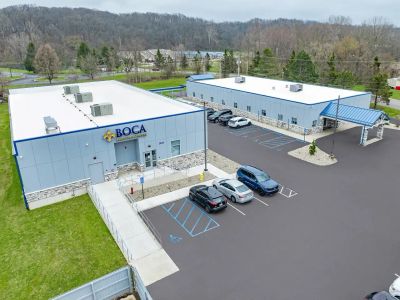

Boca Recovery Center - Fort Wayne, Indiana
Fort Wayne, Indiana
111 W Berry St #211, Fort Wayne, IN 46802
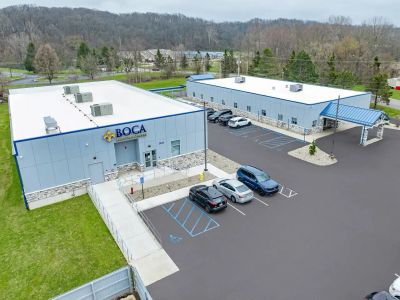
Boca Recovery Center - Indiana Drug and Alcohol Rehab
Huntington, Indiana
3040 W Park Dr, Huntington, IN 46750

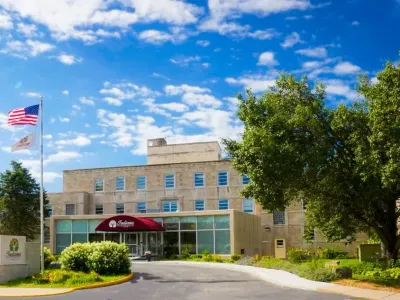

Indiana Center for Recovery - Alcohol & Drug Rehab Center Bedford
Bedford, Indiana
1600 23rd St, Bedford, IN 47421
Get Personalized Rehab Matches in 60 Seconds
Tell us a few details and we’ll show a personalized shortlist of verified Indiana rehabs, making it simple to compare options and choose your next step with confidence.

First City Recovery Center
Kokomo, Indiana
317 W Jefferson St, Kokomo, IN, 46901
Ascension Medical Group St Vincent - Kokomo Primary Care
Kokomo, Indiana
188 E Southway Blvd Kokomo, IN 46902
Pinnacle Treatment Centers - 2209 John R Wooden Drive
Martinsville, Indiana
2209 John R Wooden Drive, 3rd Floor Martinsville, IN 46151
Centerstone – Pierson House
Richmond, Indiana
76 S 14th St, Richmond, IN 47374
Why Trust Indiana Rehabs
As Hoosiers helping Hoosiers, we understand the unique challenges our communities face. Our team meticulously verifies every Indiana treatment center, ensuring you find trusted, local care that truly understands your journey.
About our listingsLevels of Care
Explore popular treatment options by levels of care, from flexible treatment in Outpatient centers to intensive care in Residential rehabs.
Free · 24/7 · Confidential
Talk to a Treatment Specialist
Call now to get matched with Indiana facilities that accept your insurance.
(888) 568-9930
Free
Ins. check
4.9★
Rating
HIPAA
Protected
Can't travel to a facility?
Licensed Indiana therapists via secure video — same-week appointments, evenings & weekends available.
Around 30 percent of people who seek help for an eating disorder are diagnosed with OSFED, a category that often feels invisible to those who don’t see themselves in the more familiar stories of anorexia or bulimia. If you recognize yourself in the space between, you’re far from alone, and you deserve understanding and support just as much as anyone. Your struggles are real, your diagnosis is valid, and there are proven, compassionate ways forward, no matter how complex your symptoms might seem.

What is OSFED?
OSFED stands for "Other Specified Feeding or Eating Disorder." It’s a serious diagnosis for individuals whose eating habits cause significant distress but don't quite fit the strict criteria for other specific eating disorders like anorexia nervosa or bulimia nervosa. It can feel confusing or even invalidating to hear, but it’s important to know that OSFED is not a "less severe" diagnosis. In fact, it's one of the most common eating disorders clinicians see.
Think of it this way: diagnostic manuals, like the DSM-5, have very specific checklists for conditions such as anorexia or bulimia. If someone struggles with many symptoms of anorexia but doesn't meet every single criterion, they might be diagnosed with OSFED. This diagnosis validates that your struggle is real and deserving of professional care. Historically, a similar diagnosis was called EDNOS (Eating Disorder Not Otherwise Specified). The shift to OSFED allows for a more specific description of the symptoms. An OSFED diagnosis ensures you get the specialized help you need for your unique experience with food and body image.
Types of OSFED
Because OSFED is a broad category, it’s broken down into five main subtypes. This helps clinicians pinpoint the specific challenges you’re facing and create a recovery plan that’s right for you. These categories help explain why your symptoms, while serious, may not perfectly align with other widely known eating disorders.
Atypical anorexia
A person with atypical anorexia meets all the criteria for anorexia nervosa, such as restricting food and having an intense fear of gaining weight, but their weight is within or above what’s considered a "normal" range, despite significant weight loss. This condition is just as medically and psychologically serious as anorexia nervosa.
Bulimia nervosa (of low frequency and/or limited duration)
In this case, an individual meets all the diagnostic criteria for bulimia nervosa, but the cycles of binge eating and compensatory behaviors (like purging or excessive exercise) happen less frequently or for a shorter period. Specifically, these behaviors occur, on average, less than once a week or have been happening for less than three months.
Binge eating disorder (of low frequency and/or limited duration)
Similar to the bulimia nervosa subtype, this diagnosis applies when someone meets all the criteria for binge eating disorder, but the binge episodes happen less than once a week or for a limited duration of under three months. The distress and loss of control are still very much present.
Purging disorder
This involves recurrent purging behaviors, such as self-induced vomiting or misusing laxatives, to influence weight or body shape, but it happens without any binge eating. The individual may eat normal or small amounts of food but still feels compelled to purge.
Night eating syndrome
This is characterized by recurrent episodes of eating at night. It can involve waking up from sleep to eat or consuming an excessive amount of food after the evening meal. The person is fully aware of their eating behaviors and often feels distressed by them.

Risk factors
There is no single cause for OSFED or any eating disorder. Instead, a combination of biological, psychological, and social factors can increase someone's risk. Understanding these factors can help shed light on the complexity of these conditions, without placing blame on anyone.
- Psychological Factors: Co-occurring conditions like anxiety, depression, and obsessive-compulsive disorder (OCD) are common. Low self-esteem, perfectionism, and feeling a lack of control in life can also play a significant role.
- Social and Cultural Pressures: Living in a culture that promotes weight stigma and unrealistic body image ideals can contribute heavily. Bullying or teasing about weight can also be a major trigger.
- Biological Factors: Genetics can play a part. Having a close family member, like a parent or sibling, with an eating disorder may increase your risk.

Treatment options
Finding the right OSFED treatment is a crucial step toward healing. Because symptoms can be so varied, treatment plans are highly personalized. Recovery often involves a team of specialists, including a therapist, a registered dietitian, and a medical doctor, all working together to support your physical and emotional health.
Several evidence-based therapies have proven effective. cognitive behavioral therapy (CBT-E) helps you identify and change unhelpful thought patterns about food and body image. For adolescents, Family-Based Treatment (FBT) involves the family in the recovery process. Treatment is available at different levels of care, from outpatient appointments that fit into your daily life to more structured residential programs for those needing round-the-clock support. Your journey is unique, and the right treatment options will meet you where you are. You can explore different eating disorder treatment programs in Indiana to find the support system that best fits your needs.
Getting help
Taking the first step toward recovery can feel daunting, but it’s a sign of incredible strength. If you recognize yourself or a loved one in the descriptions of OSFED, remember that your struggles are valid and that healing is possible. A great starting point is to talk with a trusted doctor or mental health professional. They can listen without judgment, provide an accurate diagnosis, and guide you toward the right resources.
You don't have to navigate this alone. There is a community of support ready to help you build a healthier relationship with food and your body. Treatment can give you the tools and confidence to move forward into a life of freedom and well-being.
If you’re ready to take the next step, our team at Indiana Rehabs is here to help. You can explore our directory to find treatment centers near you or call our 24/7 helpline at (888) 568-9930 for immediate, confidential guidance. Please don't hesitate to reach out to us today and start your journey toward recovery.