
Rehabs for Psychotic Disorders

Showing 20 of 29 Results (filtered)
Featured Rehab Centers

Parkview Health - Decatur Office
Decatur, Indiana
809 High Street, Decatur, IN, 46733

Centerstone Recovery Transitional Housing
Columbus, Indiana
1680 Whitney Ct, Columbus, IN 47203



Boca Recovery Center - Indiana Drug and Alcohol Rehab
Huntington, Indiana
3040 W Park Dr, Huntington, IN 46750
Get Personalized Rehab Matches in 60 Seconds
Tell us a few details and we’ll show a personalized shortlist of verified Indiana rehabs, making it simple to compare options and choose your next step with confidence.


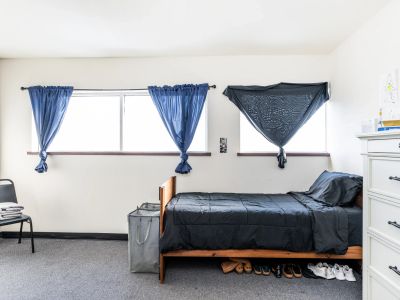
Cardinal Recovery
Franklin, Indiana
1130 West Jefferson St, Franklin, IN, 46131

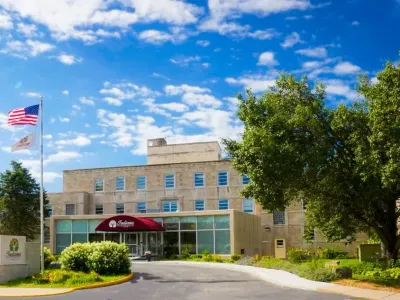

Indiana Center for Recovery - Alcohol & Drug Rehab Center Bedford
Bedford, Indiana
1600 23rd St, Bedford, IN 47421
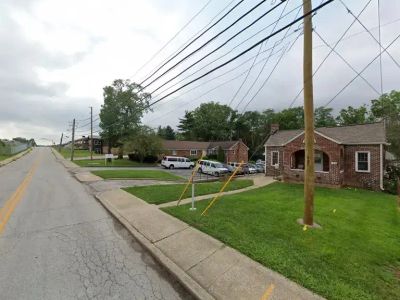


Centerstone Recovery Center
Bloomington, Indiana
809 W 1st St, Bloomington, IN 47403
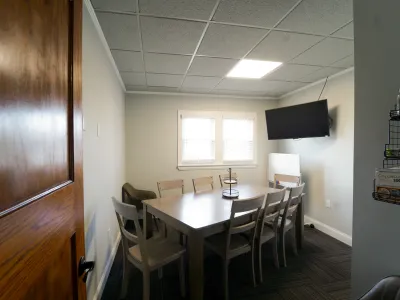

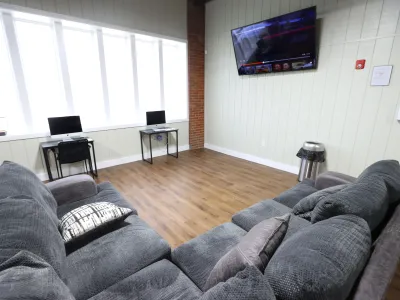
First City Recovery Center
Kokomo, Indiana
317 W Jefferson St, Kokomo, IN, 46901

Woodview Psychology Group
Indianapolis, Indiana
70 E 91st Street Suite 210, Indianapolis, IN, 46240

Centerstone - Mapleview Apartments
Columbus, Indiana
2999 9th St, Columbus, IN 47201


Marion VAMC - Evansville Health Care Center
Evansville, Indiana
6211 East Waterford Boulevard, Evansville, IN, 47715



Brentwood Springs
Newburgh, Indiana
4488 Roslin Road, Newburgh, IN, 47630


INcompass Healthcare - West Main Street
Vevay, Indiana
1037 W Main St, Vevay, IN 47043

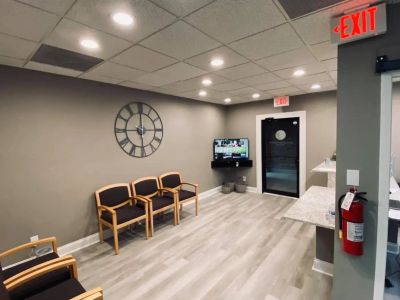
Munster Behavioral Health - Best Counseling, Psychiatric, Crisis Intervention, Addiction Treatment
Munster, Indiana
706 Ridge Rd Suite B, Munster, IN 46321


Aspire Indiana Health - Carmel Health Center
Carmel, Indiana
697 Pro Med Lane, Carmel, IN 46032



Edgewater Health
Gary, Indiana
1110 West 6th Avenue, Gary, IN, 46402

Hamilton Center - Greencastle
Greencastle, Indiana
239 Hillsdale Avenue, Greencastle, IN 46135
Ascension Medical Group St Vincent - Eagle Highlands Primary Care
Indianapolis, Indiana
6620 Parkdale Pl Ste D Indianapolis, IN 46254
Ascension Medical Group St Vincent - Kokomo Primary Care
Kokomo, Indiana
615 Saint Joseph Dr Kokomo, IN 46901
Ascension Medical Group St Vincent - Kokomo Primary Care
Kokomo, Indiana
188 E Southway Blvd Kokomo, IN 46902
Centerstone - Main Street
Martinsville, Indiana
952 S. Main Street Martinsville, IN 46151
Why Trust Indiana Rehabs
As Hoosiers helping Hoosiers, we understand the unique challenges our communities face. Our team meticulously verifies every Indiana treatment center, ensuring you find trusted, local care that truly understands your journey.
About our listingsLevels of Care
Explore popular treatment options by levels of care, from flexible treatment in Outpatient centers to intensive care in Residential rehabs.
Free · 24/7 · Confidential
Talk to a Treatment Specialist
Call now to get matched with Indiana facilities that accept your insurance.
(888) 568-9930
Free
Ins. check
4.9★
Rating
HIPAA
Protected
Can't travel to a facility?
Licensed Indiana therapists via secure video — same-week appointments, evenings & weekends available.
When reality feels like it's fracturing and familiar things suddenly seem distant or strange, it's natural to feel overwhelmed by uncertainty or fear, both for yourself and those you care about. Reaching for answers in moments like these isn’t a weakness, it’s an act of hope. Understanding what’s happening is the first step toward steadying your world again. With the right support and treatment, finding stability and healing is not just possible, but within reach.

What is psychosis?
Psychosis isn't a single illness or disorder. Instead, it’s a term used to describe a set of symptoms that involve a disconnection from reality. When someone experiences psychosis, their brain processes information in a way that makes it difficult to tell what’s real and what isn’t. It can feel like the world has shifted, and it can be a deeply confusing and frightening experience. In Indiana, thousands of people are affected by serious mental illnesses that can include these symptoms, making access to clear information and care essential[1].
The core symptoms of psychosis generally fall into three main categories: hallucinations (seeing or hearing things others don’t), delusions (holding strong beliefs that aren’t based in reality), and confused or disorganized thinking. These symptoms of psychosis can make it hard to communicate, maintain relationships, and manage daily life. You might also hear the term 'neurosis,' but this is an outdated word that was once used for anxiety and depression. Today, mental health professionals focus on specific diagnoses rather than these broad, old-fashioned labels. Understanding psychosis is the first step toward finding a path forward, and NAMI's guide to psychosis offers a helpful starting point.
What are the signs and symptoms of psychosis?
Recognizing the signs and symptoms of psychosis is key to getting help early. These psychotic symptoms are often grouped into a few categories. "Positive" symptoms are those that add experiences, such as delusions or hallucinations. "Negative" symptoms refer to a loss of normal function, like a lack of motivation or emotional expression. Cognitive or disorganized symptoms affect a person's ability to think clearly.
The early warning signs of a psychotic episode can be subtle and might look different for everyone. You might notice a loved one withdrawing from friends and family, neglecting their personal hygiene, or having trouble concentrating at school or work. They might express unusual ideas, seem suspicious of others without reason, or speak in a way that’s difficult to follow. These changes are signals that it’s time to reach out for support and professional guidance.
Types of delusions
Delusions are firm, false beliefs that a person holds onto, even when there's clear evidence to the contrary. These beliefs are very real to the individual experiencing them and can’t be changed by logical argument. Some common types include:
- Persecutory delusions: The belief that someone is out to get you, harm you, or is spying on you. This is one of the most common types of delusions.
- Grandiose delusions: The belief that you have special powers, are a famous person, or are exceptionally important.
- Erotomanic delusions: The mistaken belief that a specific person, often someone famous or important, is in love with you.
Types of hallucinations
Hallucinations are sensory experiences that feel real but are created by the mind. They can affect any of the five senses, and understanding them is a key part of recognizing the full picture of a condition like schizophrenia. The most common types are:
- Auditory hallucinations: Hearing voices or other sounds that no one else can hear. The voices may be critical, neutral, or commanding. This is the most frequent type of hallucination.
- Visual hallucinations: Seeing people, objects, or patterns that aren't actually there.
- Tactile hallucinations: Feeling sensations on your skin, like insects crawling on you, or feeling like you are being touched when you're not.
- Olfactory and gustatory hallucinations: Smelling odors or tasting things that are not present. These are less common but can be very distressing.
What are the most common causes of psychosis?
There isn't one single trigger for psychosis. Instead, it’s usually the result of a complex mix of factors that are unique to each person. Genetics can play a role; if a close family member has experienced a psychotic disorder, the risk may be higher. However, family history doesn't guarantee that someone will experience psychosis.
Significant trauma or intense stress can also be a contributing factor. The brain's response to overwhelming life events can sometimes trigger psychotic symptoms. Another major cause is substance use. Certain drugs, like cannabis, stimulants, or hallucinogens, can lead to substance-induced psychosis. Finally, some underlying medical conditions, such as brain injuries, tumors, or certain infections, can also cause these symptoms. Identifying the potential causes is an important part of creating an effective treatment plan.
How is psychosis treated?
The good news is that psychosis is treatable, and recovery is absolutely possible. The most effective psychosis treatment plans are comprehensive and tailored to the individual. This usually involves a combination of medication, therapy, and strong support systems. In Indiana, many public mental health services rely on medication management and evidence-based therapies to help people find stability[2].
Antipsychotic medications are often the first line of treatment to help reduce symptoms like hallucinations and delusions, making it easier for a person to engage in therapy and daily life. Alongside medication, therapy is crucial. family therapy can help loved ones understand the condition and learn how to provide effective support, while peer support groups connect individuals with others who have similar experiences. For people experiencing their first psychotic episode, an approach called Coordinated Specialty Care (CSC) is highly effective. It combines medication, therapy, family support, and help with work or school into one seamless program.
Cognitive behavioural therapy
One of the most powerful tools in treating psychosis is a specialized form of cognitive behavioural therapy, often called CBTp. This therapy isn't about getting rid of symptoms entirely, but about changing your relationship with them. CBT helps you learn to identify and challenge distressing thoughts and beliefs associated with psychosis. A therapist can teach you practical coping skills to manage voices or paranoid thoughts, reducing their impact on your life. The goal is to lessen the distress these symptoms cause and help you regain a sense of control, so you can focus on your recovery and life goals.
How can I find help?
Taking the step to find help, whether for yourself or a loved one, is an act of courage. The first step is getting a professional diagnosis from a psychiatrist or another qualified mental health care provider. This will help create a clear treatment plan. In Indiana, finding the right care can sometimes feel challenging due to workforce shortages or differences in access between rural and urban areas[3][4]. Resources like the SAMHSA's National Treatment Locator can help you find certified facilities near you.
If you're concerned about a loved one, approach the conversation with compassion and without judgment. Express your care for them and gently suggest seeking professional help together. Different levels of care are available, from inpatient hospitalization for acute episodes to outpatient programs that allow for more independence. If you or someone you know is in immediate crisis, please seek emergency services. You can call or text 988 anytime to connect with the Suicide & Crisis Lifeline, or visit our crisis resource page for more urgent support options.

What is the difference between psychosis and schizophrenia?
It's very common to wonder about the difference between psychosis and schizophrenia, and the distinction is important. The easiest way to think about it is like this: psychosis is a symptom, while schizophrenia is a disorder. Just as a fever is a symptom that can be caused by many different illnesses, psychosis is a symptom that can be part of several different mental health conditions.
Schizophrenia is a specific mental health disorder that includes psychosis as one of its key symptoms. However, to receive a diagnosis of schizophrenia, a person must also experience other symptoms, such as negative symptoms (like social withdrawal or lack of motivation) and cognitive difficulties for a significant period. A person can experience a psychotic episode due to sleep deprivation, a medical condition, or substance use without having schizophrenia. Getting a correct diagnosis is crucial because it guides the right long-term approach to care and recovery.
Living with a psychotic disorder presents real challenges, but it's important to remember that a fulfilling life is not just possible, it's expected with the right care. Consistent treatment helps manage symptoms and empowers individuals to pursue their goals, relationships, and joys. Recovery is a journey, and every step forward is a victory. If you’re ready to take that next step, our team at Indiana Rehabs is here to help you navigate your options. Please don't hesitate to call us at (888) 568-9930 or contact us to find the supportive care you deserve.
Frequently Asked Questions About Psychotic Disorder Treatment
Is psychosis a mental illness?
What does psychosis feel like?
What is the number one treatment for psychosis?
Can you recover from psychosis?
How long can psychosis last?
What are the 3 stages of psychosis?
- Popli, A. T. et al. (2023). Economic Burden Associated With Untreated Mental Illness in Indiana. JAMA Network Open. pmc.ncbi.nlm.nih.gov
- Substance Abuse and Mental Health Services Administration. (2019). Indiana 2019 Mental Health National Outcome Measures (NOMS); URS Tables. Substance Abuse and Mental Health Services Administration. samhsa.gov
- Indiana Behavioral Health Commission. (09-30-2022). Indiana Behavioral Health Commission Report. Indiana Family and Social Services Administration. in.gov
- de la Cruz, N. A. et al. (2018). Scratching the Surface of Psychiatric Services Distribution and Disparities in Indiana. Cureus. pmc.ncbi.nlm.nih.gov