
Rehabs for Schizoid Personality

Showing 5 of 5 Results (filtered)
Featured Rehab Centers


Boca Recovery Center - Indiana Drug and Alcohol Rehab
Huntington, Indiana
3040 W Park Dr, Huntington, IN 46750



Indiana Center for Recovery - Alcohol & Drug Rehab Center Bedford
Bedford, Indiana
1600 23rd St, Bedford, IN 47421
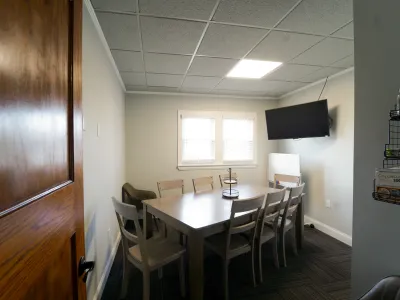

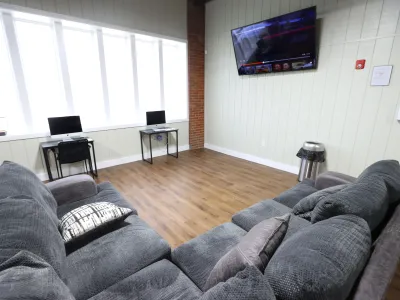
First City Recovery Center
Kokomo, Indiana
317 W Jefferson St, Kokomo, IN, 46901
Get Personalized Rehab Matches in 60 Seconds
Tell us a few details and we’ll show a personalized shortlist of verified Indiana rehabs, making it simple to compare options and choose your next step with confidence.
Pinnacle Treatment Centers - 2209 John R Wooden Drive
Martinsville, Indiana
2209 John R Wooden Drive, 3rd Floor Martinsville, IN 46151
Centerstone – Pierson House
Richmond, Indiana
76 S 14th St, Richmond, IN 47374
Why Trust Indiana Rehabs
As Hoosiers helping Hoosiers, we understand the unique challenges our communities face. Our team meticulously verifies every Indiana treatment center, ensuring you find trusted, local care that truly understands your journey.
About our listingsLevels of Care
Explore popular treatment options by levels of care, from flexible treatment in Outpatient centers to intensive care in Residential rehabs.
Free · 24/7 · Confidential
Talk to a Treatment Specialist
Call now to get matched with Indiana facilities that accept your insurance.
(888) 568-9930
Free
Ins. check
4.9★
Rating
HIPAA
Protected
Can't travel to a facility?
Licensed Indiana therapists via secure video — same-week appointments, evenings & weekends available.
Imagine finding peace in your own company, watching the world move around you like a gentle current you’re content to observe from the shore. Yet, when everyone seems to expect more, more conversation, more connection, it’s easy to feel misunderstood or set apart. You’re not alone in this quiet disconnect, and while forming closer ties may seem daunting, there are thoughtful ways to bridge the gap. With the right support, you can honor your need for solitude and gently open new doors, one step at a time.
What is schizoid personality disorder?
Schizoid personality disorder (SPD) is a mental health condition characterized by a consistent pattern of detachment from social relationships and a limited range of emotional expression in interpersonal settings. If you have SPD, you might find that you genuinely prefer being alone and don't feel a strong need or desire for close bonds with others, including family. It’s much more than simply being an introvert or shy; it's a deeply ingrained pattern of behavior that can significantly affect how you interact with the world.
While introverts might enjoy solitude to recharge before connecting with people they care about, someone with SPD often feels a fundamental lack of desire for those connections in the first place. This condition is relatively uncommon, affecting an estimated 3.1% to 4.9% of the U.S. population. Understanding what schizoid personality disorder is can be the first step toward finding a path that respects your nature while exploring new ways to engage with life.
What are the signs and symptoms of schizoid personality disorder?
The signs of schizoid personality disorder are not about being aloof or reserved on occasion; they are consistent patterns of behavior that show up across almost every area of a person's life. The Diagnostic and Statistical Manual of Mental Disorders (DSM-5-TR) outlines several key criteria for diagnosis. Someone with SPD will show a deep and persistent detachment from social connections and a narrow range of emotions when interacting with others.

Here are some of the common symptoms a mental health professional will look for:
- Little to no desire for close relationships: This includes not wanting to be part of a family or form intimate bonds with others.
- Consistently chooses solitary activities: A person with SPD almost always prefers hobbies and tasks that can be done alone.
- Lack of interest in sexual experiences: There is often little, if any, interest in having sexual or romantic relationships.
- Takes pleasure in few, if any, activities: It can be difficult to find joy or satisfaction in activities that others typically enjoy.
- Has no close friends or confidants: Besides immediate family members, there is a distinct lack of close friendships.
- Seems indifferent to praise or criticism: Positive or negative feedback from others often has little to no emotional impact.
- Shows emotional coldness or detachment: A person may appear aloof, with a "flat" affect that shows little emotional reaction.
What causes schizoid personality disorder?
Like many mental health conditions, the exact causes of schizoid personality disorder aren't fully understood. Most experts agree that it likely develops from a combination of genetic predispositions and environmental factors, particularly during early childhood. There isn't a single "cause" but rather a blend of risk factors that may contribute to its development.
Genetics seem to play a role. SPD is more common in families with a history of schizophrenia or schizotypal personality disorder, suggesting a shared genetic link. In fact, twin studies estimate that the heritability of schizoid personality disorder is around 30%. This means that genetic factors can make a person more vulnerable to developing the condition. Environment also matters. Growing up in a home that lacked emotional warmth or nurturing may be a contributing factor. A childhood environment that felt cold, neglectful, or unresponsive to a child’s needs could interfere with the development of healthy social attachments and emotional expression.
How is schizoid personality disorder diagnosed?
A diagnosis of schizoid personality disorder is made by a licensed mental health professional, such as a psychiatrist or psychologist. The process isn't based on a single test but on a comprehensive evaluation of a person's long-term patterns of thinking and behavior. It starts with a detailed conversation where the professional will ask about your personal and family medical history, including any history of mental health conditions.
The core of the diagnosis involves comparing your symptoms to the criteria laid out in the DSM-5-TR. Your therapist will look for the pervasive pattern of detachment and limited emotional range that defines SPD. An important part of this process is called differential diagnosis. This means the professional will carefully rule out other conditions that might have similar symptoms, like other personality disorders, autism spectrum disorder, or conditions that can include social withdrawal, such as major depression. A thorough assessment ensures the diagnosis is accurate, which is the key to finding the right support.
Differential Diagnosis
Because some of the signs of schizoid personality disorder overlap with other mental health conditions, an accurate differential diagnosis is essential for effective treatment. A mental health professional needs to distinguish SPD from conditions that might look similar on the surface but have very different underlying causes and treatment needs.
What is the difference between schizoid personality disorder and schizophrenia?
The most important difference between schizoid personality disorder and schizophrenia is the absence of psychosis. Schizophrenia is a psychotic disorder characterized by symptoms like hallucinations (seeing or hearing things that aren't there) and delusions (firmly held false beliefs). While both conditions can involve a "flat" affect and social withdrawal, individuals with SPD do not experience these psychotic symptoms. SPD is a personality disorder, meaning it's about enduring patterns of behavior and inner experience, not a break from reality.
What is the difference between social anxiety disorder and schizoid personality disorder?
The key distinction here is motivation. A person with social anxiety disorder avoids social situations out of an intense fear of being judged, embarrassed, or scrutinized. Deep down, they often desire connection but are held back by anxiety. In contrast, someone with schizoid personality disorder typically avoids social interactions due to a genuine lack of interest or desire for them. The avoidance isn't driven by fear but by a consistent preference for solitude.
How is schizoid personality disorder treated?
The primary approach to schizoid personality treatment is psychotherapy, also known as talk therapy. Building a trusting relationship with a therapist can be a slow process, as individuals with SPD may be hesitant to seek help. Often, it's a family member who encourages them to connect with a professional. The goal of therapy isn't to force a personality change but to help the individual reduce distress, improve coping skills, and, if they desire, build more satisfying relationships.

While there are no medications specifically approved to treat SPD itself, a doctor might prescribe them to manage co-occurring conditions like depression or anxiety, which can sometimes accompany the disorder. The focus of treatment remains on therapy tailored to the person's unique needs and goals.
Cognitive behavioral therapy (CBT)
cognitive behavioral therapy (CBT) is a practical, goal-oriented approach that can be very helpful for SPD. A therapist can help you identify and challenge negative thought patterns about social interactions. For example, you might work on changing beliefs that relationships are inherently messy or unrewarding. CBT can also involve practicing new social behaviors in a safe, structured way to help you feel more comfortable in situations you can't avoid.
Group therapy
While it might seem counterintuitive, group therapy can offer a unique and valuable setting for someone with SPD. A professionally led group provides a safe, low-pressure environment to practice social skills. It allows you to interact with others who may share similar difficulties, which can help reduce feelings of isolation. The focus is on improving interpersonal skills in a supportive space without the expectation of forming deep, outside friendships.
Psychodynamic therapy
For some, psychodynamic therapy can be beneficial. This approach delves deeper into past experiences, particularly from childhood, to understand how unconscious thoughts and patterns may have shaped your difficulty with relationships and emotional expression. By exploring these underlying factors, you can gain insight into why you relate to the world the way you do, which can be the first step toward meaningful change.
What is the prognosis (outlook) for schizoid personality disorder?
It's important to have a realistic and hopeful outlook for someone with schizoid personality disorder. As a long-term personality disorder, change is often gradual. SPD is a chronic condition, and its core traits are deeply ingrained. However, with consistent and patient therapy, individuals can achieve meaningful improvements in their overall quality of life.
Success in treatment isn't about transforming into an extrovert. Instead, it's about reducing any associated distress, improving social functioning in necessary situations like work, and building a life that feels authentic and fulfilling to the individual. The long-term outlook is best for those who engage in steady, supportive therapy and find a balance that honors their need for solitude while allowing for gentle growth.
How to Find Schizoid Personality Disorder Treatment in Indiana
Understanding the signs, causes, and treatment options for schizoid personality disorder is a crucial first step. The next is finding a qualified mental health professional who can provide the right support. Here in Indiana, there are compassionate therapists and providers experienced in helping individuals with personality disorders navigate their path forward.
Navigating this journey alone can feel overwhelming, but you don’t have to. Resources are available to connect you with local, trusted care. Whether you're seeking a diagnosis or are ready to explore therapy, finding the right provider is key.
If you or a loved one is struggling, please know that help is available. Understanding yourself better is a quiet strength, and taking the next step toward support is an act of courage. You can browse our directory to find a provider near you or call our confidential helpline at (888) 568-9930 to speak with someone who can guide you. At Indiana Rehabs, we're here to help you find your way. Please feel free to contact us for any questions you might have.